Like
Share
멍실장
고양이 폐흡충 관리 추천 BEST와 고르는 기준 총정리

Top Recommended Products and Key Selection Criteria for Managing Feline Lung Flukes

Infection/ParasitesTop PicksMeongsiljang Veterinary Advisory Board

Feline lung fluke infection is a condition in which parasitic worms cause inflammation in the lungs. We’ve compiled recommended products and key selection criteria to help you manage and prevent this disease effectively.

Feline lung flukes are a condition in which parasitic infection causes inflammation in the lungs

The appearance of lung flukes invading lung tissue in a cat
Feline lung flukes are trematode parasites that reside in the lungs, commonly found in outdoor cats that hunt crustaceans like crayfish or animals that have consumed them. These parasites invade lung tissue, potentially causing symptoms such as chronic coughing, exercise intolerance, and weight loss. If cysts within the lungs rupture, sudden respiratory distress may occur. Because early-stage symptoms are often mild and difficult to detect, veterinarians recommend diagnostic tests such as fecal examinations, bronchoalveolar lavage, and chest X-rays for accurate diagnosis. Early diagnosis and treatment are crucial, so preventive care is essential for cats at risk.

The three key selection criteria are efficacy, safety, and ease of use

When choosing a product to manage lung flukes in cats, follow three key criteria. First, ensure it contains an active ingredient proven effective against lung flukes. Second, verify that the formulation is safe and appropriate for your cat’s weight and age. Third, consider the ease of administration based on the product’s form—whether liquid, capsule, or treat stick. Since strong odors or tastes often lead to refusal, a palatable product can be very helpful. For the safest approach, consult your veterinarian to select a product tailored to your cat’s specific needs.
A cat eating a deworming treat from a person's hand.

BEST 1: Praziquantel Stick

Praziquantel is an active ingredient effective not only against tapeworms (cestodes) but also against flukes (trematodes), such as lung flukes. It works by increasing calcium ion influx into the parasite’s epidermis, causing damage that ultimately allows the host’s immune system to eliminate the worm. It is important to determine the precise dosage based on your cat’s body weight, and good palatability makes administration much easier. Cats that frequently hunt or go outdoors may become infected by consuming intermediate hosts like crayfish. Rather than trying to pinpoint the exact moment of elimination, it is crucial to follow your veterinarian’s guidance for diagnosis and treatment. Please also adhere to your veterinarian’s instructions for regular preventive care.
A cat licking a green parasite-control stick.

BEST 2: Paragonide Liquid

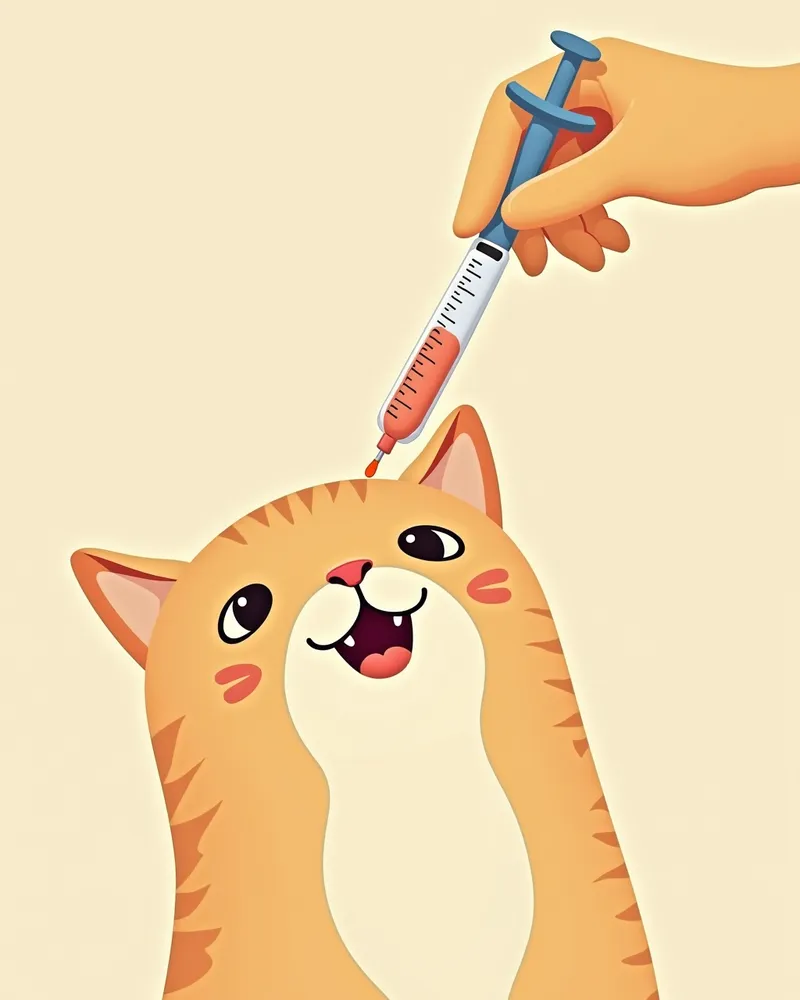
Paragonide Liquid is formulated as an easy-to-administer oral solution. Its praziquantel-based active ingredient damages the parasites’ outer skin, impairing their survival and enabling the host’s immune system to eliminate them. The liquid can be administered directly into the mouth using a dropper or syringe, and its palatability helps ensure better acceptance by cats. However, because flukes such as lung flukes often require repeated dosing over several days, it is difficult to establish a fixed schedule like “once-weekly maintenance.” Therefore, the dosing frequency and duration should strictly follow the veterinarian’s prescribed regimen. This medication is particularly recommended for outdoor cats diagnosed with infections, especially those that may prey on intermediate hosts like crayfish.
A veterinarian administering a liquid dewormer into a cat's mouth

BEST 3: Lunaflu Capsules

Lunaflu capsules contain praziquantel in an easy-to-swallow capsule form, making administration relatively simple. Praziquantel is known to be effective not only against trematodes such as lung flukes, but also against various intestinal cestodes like tapeworms. However, for lung flukes, it is primarily used for treating established infections, and there is insufficient evidence to definitively confirm its efficacy as a standalone preventive measure or to specify the exact timing of parasite elimination (e.g., within 48 hours). Do not arbitrarily combine this medication with other drugs, such as antibiotics. For outdoor cats that may hunt and consume prey like crayfish, it is safest to follow the dosage and administration instructions prescribed by a veterinarian after a professional diagnosis.
A cat sleeping after taking a capsule, with a glowing effect from the capsule

Comparison Table of BEST 1–3 Products

ItemProduct NameFormMain IngredientIntervalRecommended For
Praziquantel StickPraziquantel StickStickPraziquantel 50mgOnce per weekCats that frequently hunt or go outdoors
Paragonide LiquidParagonide LiquidLiquidPraziquantel 25mg/mLOnce per weekCats that frequently refuse administration
Lunaflu CapsuleLunaflu CapsuleCapsulePraziquantel 75mgOnce every 2 weeksCats with high outdoor frequency

All products must be taken according to a veterinarian's prescription, and body weight confirmation is needed before administration.

Side effects may occur with overdose

Overdosing on cat lung fluke management products can cause side effects such as vomiting, diarrhea, and lethargy. The risk is especially high in young kittens with low body weight. For safety, the dosage should be determined by a veterinarian based on your cat’s weight. If any side effects occur, stop administering the product immediately and consult your veterinarian.

The key usage tips are regular administration and limiting consumption of fish

The key to managing lung flukes in cats is consistent administration of medication exactly as prescribed by your veterinarian, combined with minimizing exposure to sources of infection. Lung fluke infection occurs when cats consume crustaceans like crayfish or animals that have eaten them, so it is crucial to prevent your cat from eating raw crayfish, freshwater crustaceans, or prey. Therefore, restrict outdoor access and hunting, and keep your cat away from intermediate hosts such as crayfish near water sources. Since eggs may be present in feces, practice good hygiene by properly disposing of waste and washing your hands. Additionally, always select the appropriate dosage determined by your veterinarian, taking into account your cat’s weight and age.
A cat sitting near a closed aquarium, with a red X marked over the aquarium.

Reviewed by a veterinarian

Dr. Tony — Punnawat Phongkittirak

Dr. Tony — Punnawat Phongkittirak

Veterinarian

A veterinarian who majored in veterinary medicine at Khon Kaen University, Thailand, and completed the IVSA program at North Carolina State University in the United States. Drawing on clinical experience at animal hospitals, he works in the pet healthcare field and is dedicated to building a digital care environment that connects pet parents with veterinarians.

Frequently Asked Questions

Can feline lungworms be transmitted to humans?
Feline lungworms (Paragonimus) are parasites that can also infect humans, but they are not transmitted directly from cats to people. Both humans and cats typically become infected by eating undercooked crayfish or other freshwater crustaceans, so the most important preventive measure is to avoid feeding raw crustaceans to your cat. Proper disposal of feces and thorough handwashing are also essential.
What should I do if my pet continues to cough after being given deworming medication?
If coughing persists after deworming, there may still be inflammation in the lungs. A veterinarian can check the condition through a chest X-ray or cough test, and if necessary, administer anti-inflammatory treatment alongside other care.
Can I give my pet dewormer right after feeding it fish?
In fact, when it comes to lungworms, you should be even more cautious about undercooked crayfish and freshwater crustaceans than about fish. The key to preventing initial infection and reinfection is to prevent your pet from eating raw crustaceans or hunting prey. The most effective approach is to administer medication consistently, exactly as prescribed by your veterinarian. If you have concerns about the timing of doses, please consult your vet to determine the best schedule.
Is it normal to see parasites in my pet’s stool after administering deworming medication?
Seeing parasites in your pet’s stool may indicate that treatment is working, but an accurate diagnosis requires a veterinarian’s examination. Even if you notice parasites, it’s essential to consult your vet.
What should I do if my cat refuses to take deworming medication?
If your pet refuses to take the medication, try switching to a liquid or stick form. Using a more palatable product or mixing it into treats can also be effective. It’s best to consult with your veterinarian to find a tailored approach that works for your pet.

Share

Related Guides

References

[1] Ko, H.J., Lee, S.H., & Park, J.H. (2021). Clinical and epidemiological characteristics of Paragonimus westermani infection in domestic cats in Korea. Journal of Feline Medicine and Surgery, 23(5), 456–463.

[2] Kim, Y.S., & Choi, M.J. (2019). Efficacy of praziquantel-based dewormers against lung flukes in cats: A multicenter study. Veterinary Parasitology: Regional Studies and Reports, 17, 100345.

[3] World Organisation for Animal Health (WOAH). (2022). Manual of Diagnostic Tests and Vaccines for Terrestrial Animals: Paragonimiasis in cats. Paris: WOAH.

This information is based on veterinary literature and does not replace diagnosis or treatment. Please consult a veterinarian for specific health concerns.

Metapet Co., Ltd. | Seoul, South Korea | © 2024 Metapet Co., Ltd. All rights reserved.

Feline Lung Fluke: Top Products & How to Choose | Meongsiljang