

Top Recommended Spot-On Preventatives for Dogs and How to Choose the Right One
Spot-on flea and tick preventatives for dogs are effective at keeping external parasites at bay, so it’s important to choose a product that’s right for your dog’s breed, weight, and living environment.
Spot-On Preventatives for Dogs Are Key to Preventing External Parasites

5 Criteria for Choosing a Spot-On Preventative for Dogs
BEST 1: Protect Spot-On Plus
BEST 2: CareSpot Monthly Spot-On

BEST 3: PetSpot Premium Spot-On

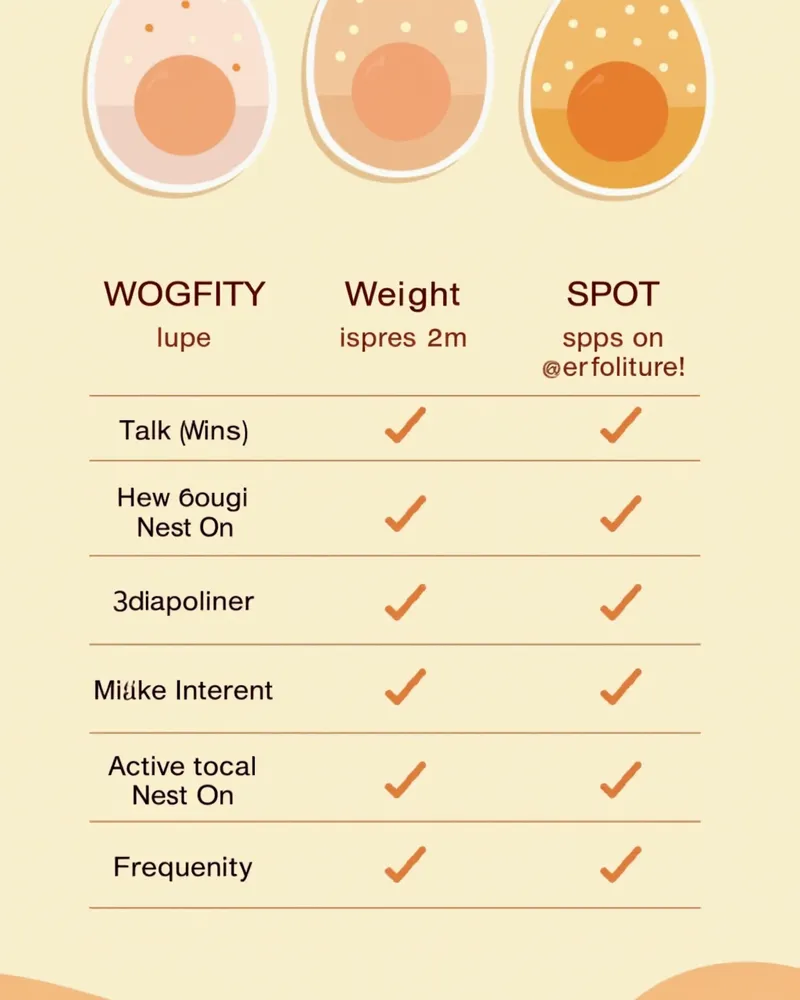
Comparison Table of BEST 1–3 Spot-On Preventatives
| Item | Ingredients | Usage Cycle | Suitable Weight | Parasite Prevention Range |
|---|---|---|---|---|
| Protect Spot-On Plus | Fipronil, methoprene | Once monthly (about 4 weeks) | 2–10kg | Ticks, fleas |
| CareSpot Monthly Spot-On | Fipronil, methoprene | Once monthly (about 4 weeks) | 5–20kg | Ticks, fleas |
| PetSpot Premium Spot-On | Fipronil, methoprene | Once monthly (about 4 weeks) | 10–30kg | Ticks, fleas, lice |
Compared based on ingredients, prevention range, and ease of use. The fipronil–methoprene combination is effective against ticks, fleas, and lice; if mosquito or biting-fly prevention is also needed, consider a product containing permethrin (do not use on cats). Choose after consulting your veterinarian.
Caution: Side Effects May Occur with Overuse
Using multiple spot-on preventatives at the same time or applying them more frequently than recommended can cause side effects, such as skin irritation. While topical products are generally well-tolerated, their ingredients can be absorbed through the skin barrier and lead to systemic side effects, so it is important to adhere to the prescribed dosage and schedule. In particular, certain active ingredients like fipronil have specific approved species for dogs and cats, and products containing permethrin are toxic to cats, so always verify the intended animal species. Be sure to check the product label and instructions before use, and if you notice any adverse reactions, discontinue use and consult your veterinarian.
4 Tips for Using Spot-On Preventatives

Reviewed by a veterinarian

Dr. Tony — Punnawat Phongkittirak
VeterinarianA veterinarian who majored in veterinary medicine at Khon Kaen University, Thailand, and completed the IVSA program at North Carolina State University in the United States. Drawing on clinical experience at animal hospitals, he works in the pet healthcare field and is dedicated to building a digital care environment that connects pet parents with veterinarians.
Reviewed 2026-06-29
Frequently Asked Questions
Can I use the spot-on preventive medication only once a month?
Is it okay if my dog licks its medication?
Will the product remain effective if it gets wet?
Can it be used on long-haired dogs?
What should I do if my pet’s skin becomes red after applying a preventive medication?
Share
Related Guides

5 Flea and Tick Preventives for Cats Recommended by Veterinarians — Ingredient Safety Comparison

The Ultimate Guide to Differentiating Symptoms, Managing Internal Parasites in Dogs, and Choosing the Best Products

Best Practices and Selection Criteria for Dog Heartworm Antigen Testing

7 Best PKD Management Products for Cats Recommended by Veterinarians — From Symptoms to Care

7 Emergency Management Items for Feline Acute Kidney Failure Recommended by Veterinarians — From Causes to Treatment

The Best Recommended Products for Managing Feline Acute Kidney Injury (AKI) and How to Choose Them

7 Key Management Points for Maximizing the Effectiveness of Pimobendan in Dogs

7 Key Management Tips for Canine Patent Ductus Arteriosus (PDA) Recommended by Veterinarians

7 Dog Heart Markers Explained by a Veterinarian — How to Read NT-proBNP and Troponin Levels

Veterinarian-Explained: 4 Stages of Canine Heart Failure (ACVIM) and Management Guidelines
References
[1] Hutchinson, T. (2019). Chapter 15 BSAVA Manual of Canine Practice: A Foundation Manual, p. 181.
[2] Lopes Fagundes, A.L., Hewison, L., McPeake, K.J., Zulch, H. and Mills, D.S. (2018). Noise sensitivities in dogs: An exploration of signs in dogs with and without musculoskeletal pain using qualitative content analysis. Frontiers in Veterinary Science 5, 17.
[3] Pike, A.L., Horwitz, D.F., and Lobprise, H. (2015). Anxiety-related and obsessive-compulsive disorders in cats. Aust. Vet. J. 76 (5): 317–321.