

7 Key Points and Management Criteria for Feline Injection-Site Sarcomas Warned by Veterinarians
Prevention is the most important factor in managing injection-site sarcomas in cats, and early detection along with appropriate treatment can significantly improve survival rates. I’ll share some personalized care tips with you.
Feline injection-site sarcomas are malignant tumors that develop within one year after injection

Good to Know: Managing Feline Injection-Site Sarcomas

Good to Know 1: What is an injection-site sarcoma?

Good to Know 2: Diagnosis and treatment options
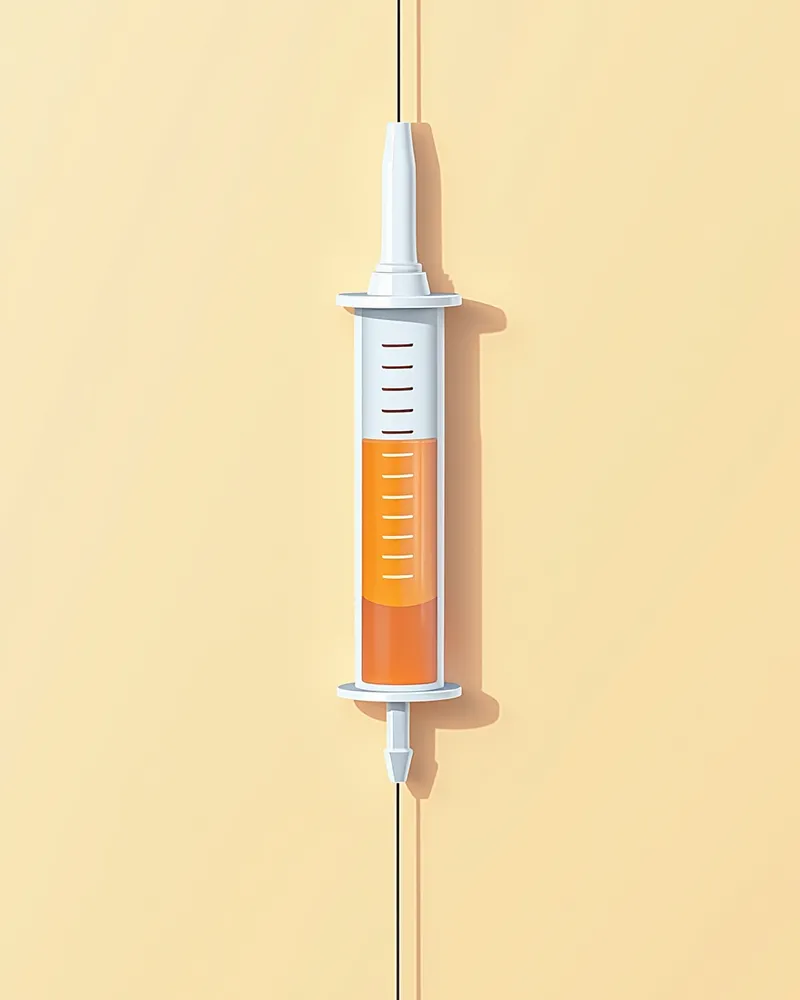
Good to Know 3: Management precautions and the owner's role

What owners should know about feline injection-site sarcomas
| Item | Key Points |
|---|---|
| Symptoms | A firm, rapidly growing lump at the injection site, skin ulceration |
| Cause | Development of a malignant tumor in the subcutaneous tissue after vaccination/injection |
| Diagnosis | Fine-needle aspiration, tissue biopsy, and CT/MRI imaging |
| Treatment | Wide surgical resection combined with radiation or chemotherapy |
| Caution | Beware of unverified supplements and products claiming to suppress metastasis; regular re-examination is essential |
This isn't a table recommending specific products or clinics; it's a reference for discussing with your veterinarian. Always make treatment and testing decisions together with your veterinarian through an examination.
Caution: Visit the vet immediately if a lump appears at the injection site
If a firm lump at your cat’s injection site persists beyond three months, exceeds 2 cm in size, or continues to grow after one month (the 3-2-1 rule), consult your veterinarian immediately. This could be a sign of a sarcoma. Early detection significantly impacts treatment outcomes, so prompt action is essential.
Usage Tip: Check the site frequently for two weeks after injection

Reviewed by a veterinarian

Dr. Tony — Punnawat Phongkittirak
VeterinarianA veterinarian who majored in veterinary medicine at Khon Kaen University, Thailand, and completed the IVSA program at North Carolina State University in the United States. Drawing on clinical experience at animal hospitals, he works in the pet healthcare field and is dedicated to building a digital care environment that connects pet parents with veterinarians.
Reviewed 2026-06-07
Frequently Asked Questions
Do all cats develop injection-site sarcomas?
Why can aluminum-based vaccines be dangerous?
A lump has formed at the injection site. Is this normal?
How long should the protective pad be worn?
How do I use the monitoring app?
Share
Related Guides

Comprehensive Guide to Recommended Hospice Care and Quality of Life Management for Cats with Tumors

7 Factors Determining Prognosis and Life Expectancy in Dogs with Tumors, According to Veterinarians

7 Key Management Points for Canine Transitional Cell Carcinoma (Bladder Cancer) Recommended by Veterinarians — From Symptoms to Care

7 Emergency Management Items for Feline Acute Kidney Failure Recommended by Veterinarians — From Causes to Treatment

The Best Recommended Products for Managing Feline Acute Kidney Injury (AKI) and How to Choose Them
7 Key Management Points for Maximizing the Effectiveness of Pimobendan in Dogs

7 Key Management Tips for Canine Patent Ductus Arteriosus (PDA) Recommended by Veterinarians

7 Dog Heart Markers Explained by a Veterinarian — How to Read NT-proBNP and Troponin Levels

Veterinarian-Explained: 4 Stages of Canine Heart Failure (ACVIM) and Management Guidelines

7 Key Points for Emergency Management of Canine Congestive Heart Failure Recommended by Veterinarians
References
[1] Hartmann K, Day MJ, Thiry E, et al. Feline injection-site sarcoma: ABCD guidelines on prevention and management. J Feline Med Surg 2015;17(7):606-13.
[2] Plumb's Veterinary Drug Handbook, 9th Edition. Wiley-Blackwell, 2021.
[3] The Cat, Clinical Medicine and Management, 2nd Edition. Elsevier, 2020.