

7 Warning Signs of Feline Brain Tumors and Treatment Selection Criteria According to Veterinarians
Early detection is key to improving treatment outcomes for brain tumors in cats. It’s important to work with your veterinarian to develop a personalized care plan.
Early Diagnosis Saves Lives in Feline Brain Tumors

Know This: Managing Feline Brain Tumors
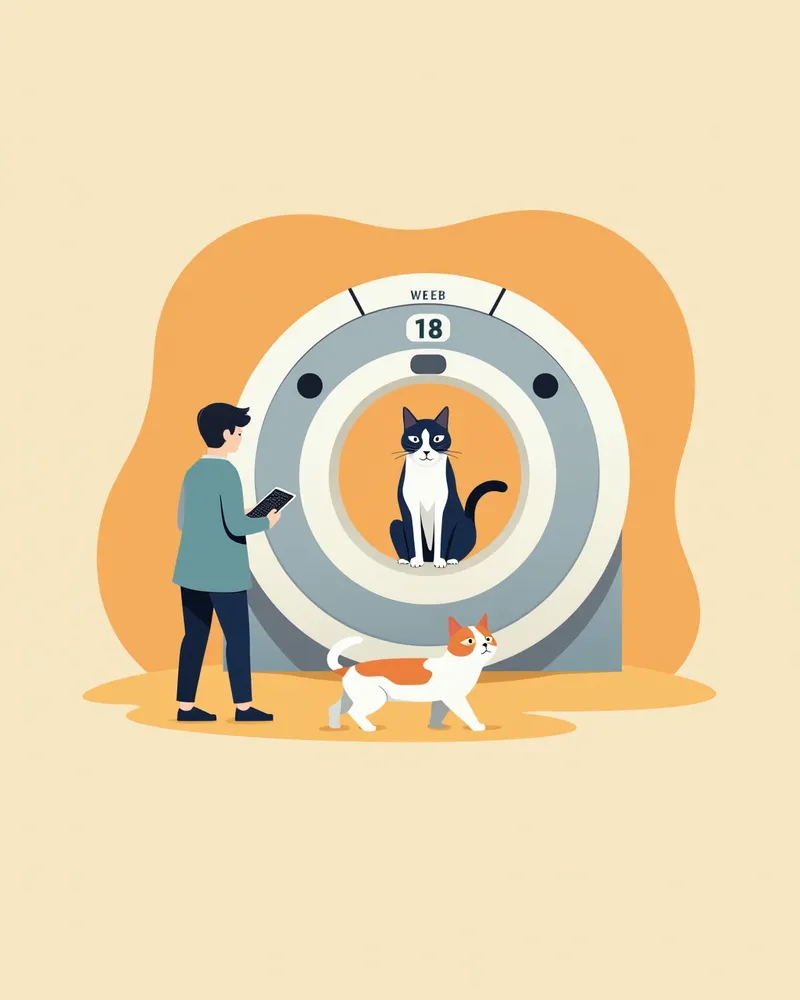
Know This 1: Symptoms and Urgency When a Brain Tumor Is Suspected

Know This 2: General Overview of Brain Tumor Diagnosis and Treatment Options

Know This 3: Daily Care and Precautions, Beware of Misinformation

What Owners Should Know About Feline Brain Tumors
| Item | Key Points |
|---|---|
| Symptoms | Seizures, head tilt, circling, decreased vision, personality changes |
| Cause | Tumor arising within brain tissue, primary or metastatic |
| Diagnosis | Confirmed by MRI/CT imaging and tissue biopsy |
| Treatment | Surgery, radiation, chemotherapy, or medical management as decided by the veterinarian |
| Caution | Beware of unproven supplements and cure claims; strictly follow the prescription |
This isn't a table recommending specific products or clinics; it's a reference for discussing with your veterinarian. Always make treatment and testing decisions together with your veterinarian through an examination.
Caution: Early Detection Is Key for Feline Brain Tumors
If your cat suddenly loses balance, experiences vision loss, or shows abrupt behavioral changes, seek veterinary care immediately. Repeated seizures or decreased consciousness indicate an emergency requiring prompt treatment. The progression of brain tumors varies by type. In particular, meningiomas, the most common type in cats, tend to grow relatively slowly and are well-encapsulated, allowing clear distinction from normal brain tissue. If completely removed surgically, long-term survival is possible. Rather than assuming a diagnosis must be made within a specific number of days, it is crucial to act quickly when neurological symptoms appear: avoid delays, get tested promptly to determine the tumor type and location, and establish a treatment plan.
Usage Tips: The Secret to Successful Management of Feline Brain Tumors

Reviewed by a veterinarian

Dr. Tony — Punnawat Phongkittirak
VeterinarianA veterinarian who majored in veterinary medicine at Khon Kaen University, Thailand, and completed the IVSA program at North Carolina State University in the United States. Drawing on clinical experience at animal hospitals, he works in the pet healthcare field and is dedicated to building a digital care environment that connects pet parents with veterinarians.
Reviewed 2026-06-07
Frequently Asked Questions
Can a cat’s brain tumor be cured?
Is radiation therapy dangerous for cats?
When should I start giving my pet nutritional supplements?
Can a home monitoring kit really help?
If a brain tumor is suspected, what tests should be performed?
Share
Related Guides

Comprehensive Guide to Recommended Hospice Care and Quality of Life Management for Cats with Tumors

7 Factors Determining Prognosis and Life Expectancy in Dogs with Tumors, According to Veterinarians

7 Key Management Points for Canine Transitional Cell Carcinoma (Bladder Cancer) Recommended by Veterinarians — From Symptoms to Care

7 Recovery and Dietary Care Tips for Dogs After Splenectomy Recommended by Veterinarians

7 Veterinarian-Recommended Methods for Managing Canine Cancer Pain — Comfort Until the End

7 Key Points for Managing Canine Osteosarcoma and Selection Criteria Recommended by Veterinarians

7 Warning Signs of Nasal Tumors in Dogs Vets Say You Must Not Miss

7 Key Management Points for Canine Multiple Myeloma Recommended by Veterinarians

7 Key Treatment and Management Tips for Canine Mast Cell Tumors by Grade, According to Veterinarians

7 Key Checkpoints for Canine Mast Cell Tumors Selected by Veterinarians — From Diagnosis to Prognosis
References
[1] Mariani, C.L. et al. (2015) Histiocytic sarcoma with central nervous system involvement in dogs: 19 Cases (2006–2012). J Vet Intern Med 29(2):607–613.
[2] The Cat, Clinical Medicine and Management, 2nd Edition. Elsevier, 2020.
[3] Clinical Medicine of the Dog and Cat, 4th Ed. Elsevier, 2018.