Like
Share
멍실장
강아지 가려움증 영양제 추천 TOP 5 — 오메가3·쿼세틴

5 Supplements for Dogs with Itch-Induced Sleeplessness — Omega-3 & Quercetin

Skin & CoatTop PicksMeongsiljang Veterinary Advisory Board

We’ve compared the top five supplements for reducing itching in dogs based on key ingredients like omega-3, quercetin, and probiotics. We’ll also share essential selection criteria that pet owners should know.

What Are Dog Itch Supplements?
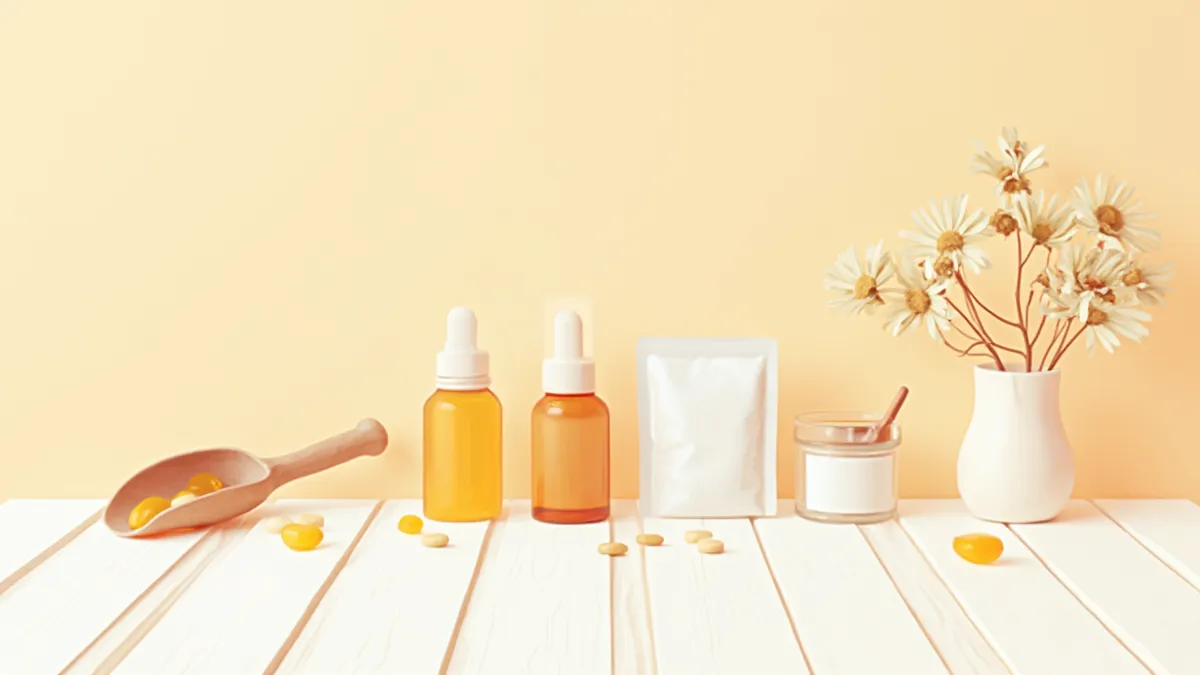
Comparison of dog itching supplements by type
Dog itch supplements are supportive aids designed to help reduce recurring itchiness from the inside out, whether it’s caused by allergies, atopy, or dry skin. The key isn’t finding a single “miracle ingredient,” but rather combining ingredients tailored to the underlying cause of the itch and using them alongside medication and proper care. Omega-3 fatty acids (EPA and DHA) are widely recognized in veterinary dermatology textbooks as a supportive treatment for allergic and atopic skin conditions, helping to reduce skin inflammation by balancing fatty acid metabolites (eicosanoids). Quercetin is another ingredient many pet owners look for to help with allergic itching, but veterinary evidence supporting its effectiveness and mechanism in dogs is still limited. Therefore, it’s best to consult your veterinarian before using it as a supplement, rather than assuming it works alone or in synergy with other treatments. In this article, we’ll compare the five most popular options among pet owners.

Essential for These Dogs

Itching supplements aren’t a one-size-fits-all solution for every pet that scratches frequently. If you notice any of the following signs persisting for more than two weeks, it may be time to seriously consider supplement support. - Repetitive scratching or licking: Your pet repeatedly licks or scratches the same areas (paws, ears, groin, belly) - Seasonal itching: Symptoms worsen in spring and fall, then improve somewhat in winter - Dry, rough skin: Visible dandruff or coarse, irritated skin - Frequent otitis externa: Your pet shakes its ears often, with recurring discharge - Suspected food allergy: The severity of itching changes each time you switch food brands If your veterinarian has diagnosed atopic dermatitis or environmental allergies, they will often recommend complementary nutritional supplements alongside medical treatment.

Key Ingredients for Itch Relief

Safe

오메가3 (EPA+DHA)

피부 염증 신호 완화, 가려움 빈도 감소

Dosage: EPA+DHA 합산 1일 50~100mg/kg

수의피부과학 교과서·NRC 2006 권고

Caution

쿼세틴 (Quercetin)

히스타민 분비 억제, 알레르기성 가려움 보조

Dosage: 수의사 권장량 준수

수의내과학 교과서 보조 요법

Safe

프로바이오틱스

장-피부 축 안정화, 음식 알레르기 보조 관리

Dosage: 1일 1포 (제품 표기)

수의영양학 임상 연구

Safe

비오틴 + 아연

각질·피부 장벽 회복

Dosage: 제품 표기 준수

수의피부과학 교과서

Safe

콜라겐 + 세라마이드

피부 보습·장벽 강화

Dosage: 제품 표기 준수

보조 보습 요법

Top 5 Recommended Supplements at a Glance
The following five products are our recommended lineup, curated based on owner reviews, ingredient profiles, and prescription frequency at veterinary clinics. Please first review the table below for each product’s key ingredients and ideal candidate dogs, and we’ll continue with detailed explanations in the next section.
Top 5 Dog Itch Relief Supplements

Comparison of Key Ingredients in the Top 5 Supplements

Item#1 Omega-3 Premium#2 Quercetin Allergy Care#3 Skin Balance Probiotic#4 Biotin Skin Booster#5 Collagen Ceramide
Key ingredientsEPA+DHA 800mgQuercetin + bromelain5 types of probioticsBiotin + zincCollagen + ceramide
Recommended forAtopy, seasonal itchingAllergic itchingSuspected food allergyDry, flaky typeSenior dog moisturizing
Feeding formOil/capsuleChewablePowder toppingTabletJelly
PalatabilityTrueTrueTrueFalseTrue
Time to noticeable effect4–6 weeks2–4 weeks4–8 weeks4–6 weeks4–6 weeks

The time to noticeable effect varies between individuals; this is based on consistent feeding for 4 weeks or more.

Rank #1 & #2 — Omega-3 Premium / Quercetin Allergy Care

Omega-3 Premium (Rank #1): This is the most fundamental and evidence-backed choice. Veterinary dermatology textbooks report that EPA and DHA are used as adjunctive treatments for allergic and atopic dermatitis, helping to reduce itching (scratching frequency) and serving as steroid-sparing agents that can lower the required dosage of medications like glucocorticoids. Choose products that clearly state the combined EPA and DHA content and are packaged in dark bottles to prevent oxidation.
Quercetin Allergy Care (Rank #2): This is a popular supplementary option for dogs experiencing severe seasonal itching in spring and autumn due to environmental allergies. While quercetin is often referred to as a "natural antihistamine," veterinary evidence supporting its efficacy and mechanism of action in dogs is still limited, making it difficult to definitively claim its standalone effectiveness. Dogs with kidney or liver disease, or those taking other medications, must consult their veterinarian before starting this supplement.
A close-up of the Omega-3 and Quercetin supplement

Ranks #3, #4, & #5 — Probiotics, Biotin, & Collagen

3rd Place: Skin Balance Probiotic Recommended for pets suspected of having food allergies or experiencing increased itching when changing food. When the immune balance of the intestinal mucosa stabilizes, skin reactions often decrease as well. 4th Place: Biotin Skin Booster Suitable for dry-type skin conditions accompanied by dandruff, flaking, and hair loss. Biotin and zinc help restore the skin barrier. 5th Place: Collagen Ceramide Recommended for moisturizing the dry and sensitive skin of senior dogs. While it does not strongly suppress itching itself, using it together with the top 3 products can speed up skin recovery.

See a Vet First in These Cases!

If you notice any of the following signs, do not start with supplements; instead, have your veterinarian diagnose the underlying cause first. - Oozing, pus, or scabs on the skin (possible bacterial infection) - Foul odor or thick discharge from the ears (otitis externa) - Sudden, intense licking of a single area causing redness and swelling (hot spot) - Symmetrical hair loss (possible hormonal disorder) - No improvement after administering supplements for more than 4–6 weeks When the cause is infection, hormonal imbalance, or parasites, supplements alone will not resolve the issue.

5 Things to Check When Choosing Supplements
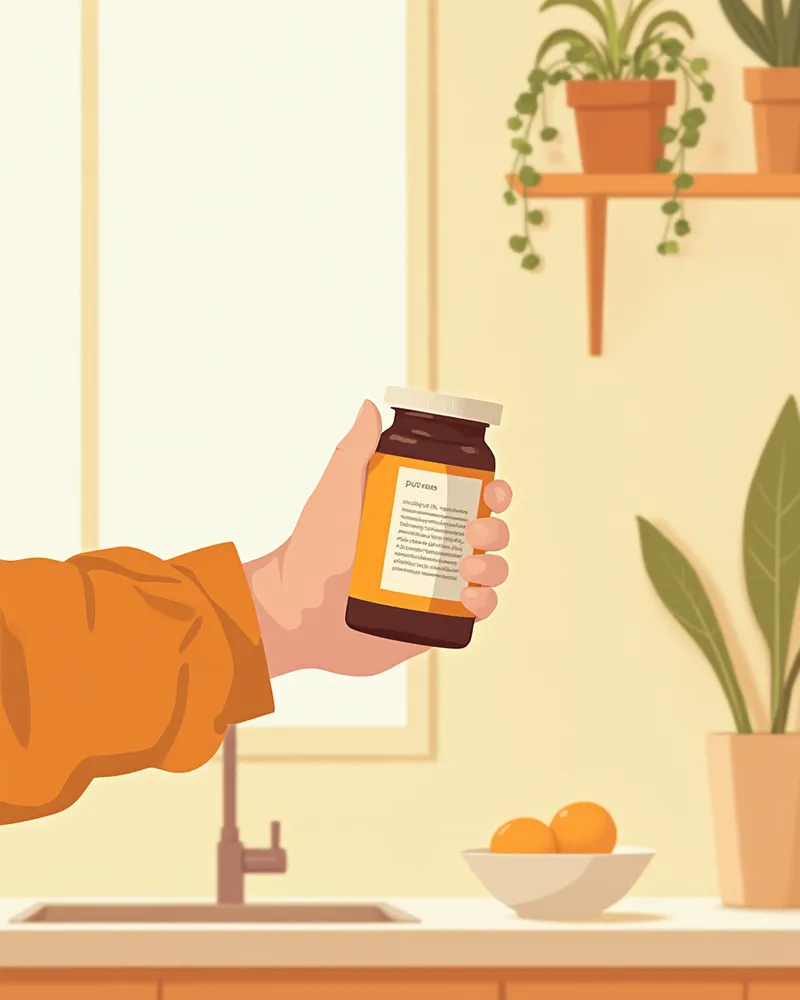
- EPA and DHA content labeling: Avoid products that only state “1000 mg of omega-3” ❌; choose those that clearly specify amounts like “360 mg EPA + 240 mg DHA” ✅ - Pet-specific formulas: Human omega-3 supplements may contain excessively high levels of vitamins A and D - Packaging that prevents oxidation: Dark bottles and individual sachets help maintain freshness and safety - Allergen labeling: If your pet is allergic to chicken, beef, or fish, always check the base protein source - AAFCO/NASC certification: Look for seals from the Association of American Feed Control Officials and the National Animal Supplement Council to ensure reliability Even with the same ingredients, potency and quality can vary significantly. Prioritize transparent labeling of active ingredient amounts over price.
A pet owner checking the label of a dog supplement

Good Combinations & Combinations to Avoid

- ✅ Omega-3 + Probiotics = Simultaneous skin and gut care (highly recommended) - ✅ Omega-3 + Quercetin = Intensive care during spring and autumn allergy seasons - ⚠️ Caution is advised when taking quercetin and non-steroidal anti-inflammatory drugs (NSAIDs) together — always consult your veterinarian - ⚠️ Dogs taking anticoagulants should use high-dose omega-3 with caution - ⚠️ Starting multiple supplements at once makes it difficult to determine which one is effective. Introduce one supplement at a time, with four-week intervals between additions.

Reviewed by a veterinarian

Dr. Tony — Punnawat Phongkittirak

Dr. Tony — Punnawat Phongkittirak

Veterinarian

A veterinarian who majored in veterinary medicine at Khon Kaen University, Thailand, and completed the IVSA program at North Carolina State University in the United States. Drawing on clinical experience at animal hospitals, he works in the pet healthcare field and is dedicated to building a digital care environment that connects pet parents with veterinarians.

Frequently Asked Questions

How long does it take for a dog’s itching supplement to start working?
Depending on the ingredients, it typically takes 4 to 6 weeks of consistent administration before noticeable improvements appear. Omega-3 fatty acids require EPA and DHA to adequately integrate into skin cell membranes to be effective, so please continue daily dosing at the same amount for at least four weeks without interruption. If you still don’t see any changes after that period, consult your veterinarian to reassess the underlying cause.
Can I give my dog human omega-3 supplements?
We don’t recommend it. Human products often contain higher levels of vitamins A and D than what’s safe for pets, and their fragrances and sweeteners can be hard on dogs. Stick to pet-specific products that clearly list EPA and DHA content.
Is quercetin safe for all dogs?
Quercetin is an ingredient with limited safety and efficacy data in dogs. In particular, for dogs with kidney or liver disease, or those taking anticoagulants or certain heart medications, it is difficult to rule out potential drug interactions. Therefore, if you plan to administer quercetin alongside other medications, be sure to consult your veterinarian to determine whether it is appropriate to start and what the correct dosage should be.
Can atopic dermatitis be cured with supplements alone?
Supplements are an adjunctive therapy. Since atopic dermatitis requires lifelong management, combining medications, medicated shampoos, environmental control, and supplements is the best way to reduce the frequency of itching and dependence on medication. Please do not expect a complete cure from supplements alone.
Is it safe to give my pet multiple supplements at the same time?
While it’s possible to combine them if their ingredients don’t overlap, starting multiple supplements at once makes it difficult to distinguish which one is providing the benefits or causing any side effects. Instead, try introducing them one at a time: start with omega-3, add probiotics after four weeks, and then add quercetin after another four weeks.

Share

Related Guides

References

[1] Hensel P, Santoro D, et al., BSAVA Manual of Canine and Feline Dermatology, 4th Ed, 2023

[2] Ettinger SJ, Feldman EC, Côté E, Textbook of Veterinary Internal Medicine, 8th Ed, 2017

[3] National Research Council (NRC), Nutrient Requirements of Dogs and Cats, 2006

[4] Mueller RS, Fieseler KV, et al., Effect of omega-3 fatty acids on canine atopic dermatitis, Veterinary Dermatology, 2004

This information is based on veterinary literature and does not replace diagnosis or treatment. Please consult a veterinarian for specific health concerns.

Metapet Co., Ltd. | CEO: Park Sung-yong | Business Reg. No. 417-88-02562 | Seoul, South Korea | Customer Center

5 Supplements for Dogs' Itch-Induced Sleeplessness — Omega-3 | Meongsiljang