Like
Share
멍실장
고양이 백내장 관리 추천 BEST와 고르는 기준 총정리

Veterinarian-Recommended Top 7 Products for Feline Cataract Management — Selection Criteria

Eye HealthTop PicksMeongsiljang Veterinary Advisory Board

Feline cataracts can lead to vision loss, making proper care and product selection crucial. Here’s a quick overview of recommended products and key criteria for protecting your cat’s eyesight.

Feline cataracts are an eye condition that leads to vision loss
A cat with cloudy eyes gazing at a toy
Feline cataracts are an eye condition in which the lens becomes cloudy, leading to a gradual decline in vision. Although cats are less prone to hereditary cataracts than dogs, they can develop them due to aging, trauma, ultraviolet light exposure, electric shock from chewing wires, radiation therapy, or nutritional deficiencies such as a lack of taurine. Cataracts may also occur alongside uveitis or lens luxation. Early signs include a cloudy appearance of the eye or disorientation in dim lighting, but as the condition progresses, vision loss can become severe and lead to complications. Early detection and regular eye examinations are key to preserving vision, especially in senior cats. Preventing nutritional deficiencies by feeding a balanced, complete diet and working with your veterinarian to create a tailored management plan is the ideal approach.

Selection criteria should focus on ingredients, safety, and cat-specific formulation
When selecting a cataract management product for your cat, carefully verify the scientific evidence supporting its key ingredients. While components like lutein, omega-3 fatty acids, and vitamin E are often discussed for supporting eye health, their effectiveness in slowing cataract progression in cats has not yet been sufficiently proven through controlled studies, so be wary of exaggerated claims. In fact, a balanced, complete diet that ensures adequate taurine intake is the foundation of eye health. Stability and ease of administration are also important, so choose a form—liquid, powder, or capsule—that best suits your cat’s eating habits. Products recommended by veterinarians tend to be more reliable. If considering long-term use, prioritize products with fewer side effects and always check the specific ingredient names and their concentrations.
A scene of a veterinarian examining a cat's eyes.

BEST 1: Vision Protection Protein Cat Supplement
This product contains glucosamine, omega-3 fatty acids, lutein, and vitamin E as its key ingredients. - Vision-supporting ingredients: While lutein and omega-3 fatty acids are often discussed as supplements for eye health, their effectiveness in slowing the progression of cataracts in cats has not been proven in controlled studies, so please view this information for reference only. - Maintaining eye health: Vitamin E is known to play a role in antioxidant activity. - Ease of administration: The liquid formulation is easy for cats to consume, and it can be administered without stress using a spoon or mixed into water. - Safety for long-term use: Although the product is described as primarily consisting of natural ingredients, excessive administration of any ingredient can cause burden, so it is important to adhere to the dosage recommended by your veterinarian. - Tailored for cats: It is designed for convenient administration according to your cat’s eating habits, and its natural flavor minimizes the likelihood of rejection.
A cat drinking liquid nutritional supplements

BEST 2: Lutein Vision Care Cat Supplement
This product is formulated with lutein and zeaxanthin to support eye health. While these ingredients are known for their antioxidant properties, their effectiveness in slowing cataract progression in cats has not been sufficiently proven through controlled studies, so please view this as supplementary information. Although it is primarily composed of natural ingredients and is said to be gentle on the stomach, individual responses may vary. The powder form makes it convenient to mix into food or treats for easy administration. By adjusting the amount to suit your cat’s eating habits, you can provide it consistently without burden. Most importantly, ensure your cat is on a balanced, complete diet that provides adequate taurine, and consult your veterinarian before selecting and administering any supplements for safety.
A cat sniffing powdered supplements

BEST 3: Cat-Specific Vision Protection Capsules
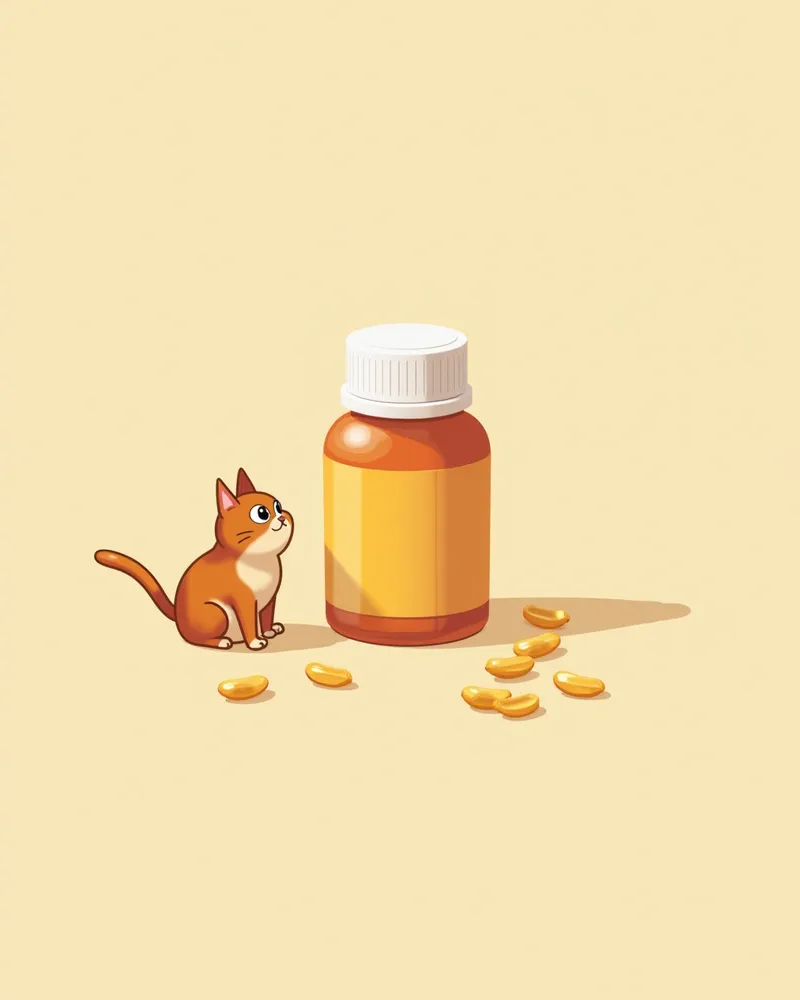
This capsule contains a blend of lutein, vitamin C, and coenzyme Q10. - Support for age-related eye changes: While coenzyme Q10 is known to play a role in cellular energy metabolism, its effectiveness for feline cataracts has not been proven in controlled studies. - Antioxidant activity: Vitamin C provides antioxidant benefits. - Precise dosing: The capsule format allows for accurate dosage control, reducing the risk of overconsumption. - Long-term safety: However, long-term safety may vary by individual, so please consult your veterinarian and adhere to the recommended dosage. - Easy administration: The small size makes it easy for cats to swallow, and it can be mixed into food or administered directly.
A cat looking at a capsule-shaped supplement

Comparison Table of Products BEST 1–3

ItemBEST 1: Vision Protect ProteinBEST 2: Lutein Vision CareBEST 3: Vision Protect Capsule
Key IngredientsGlucosamine, Omega-3, Lutein, Vitamin ELutein, Zeaxanthin, Vitamin ELutein, Vitamin C, Coenzyme Q10
FormulationLiquidPowderCapsule
Daily Recommended Dose1ml1g1 tablet
Price (per 30 days)$10$10$10
Additional BenefitHigh ease of administrationFocused on natural ingredientsAccurate dosing

Prices are based on the average retail price as of 2025. We recommend choosing after consulting a veterinarian.

Risk of side effects from excessive intake

Overdosing on supplements can cause digestive upset and put a strain on the liver. A veterinarian should recommend the appropriate dosage based on your pet’s weight and overall health. In particular, cats with diabetes should avoid any products containing sugar.

Usage Tips: Consistent care and regular check-ups are key
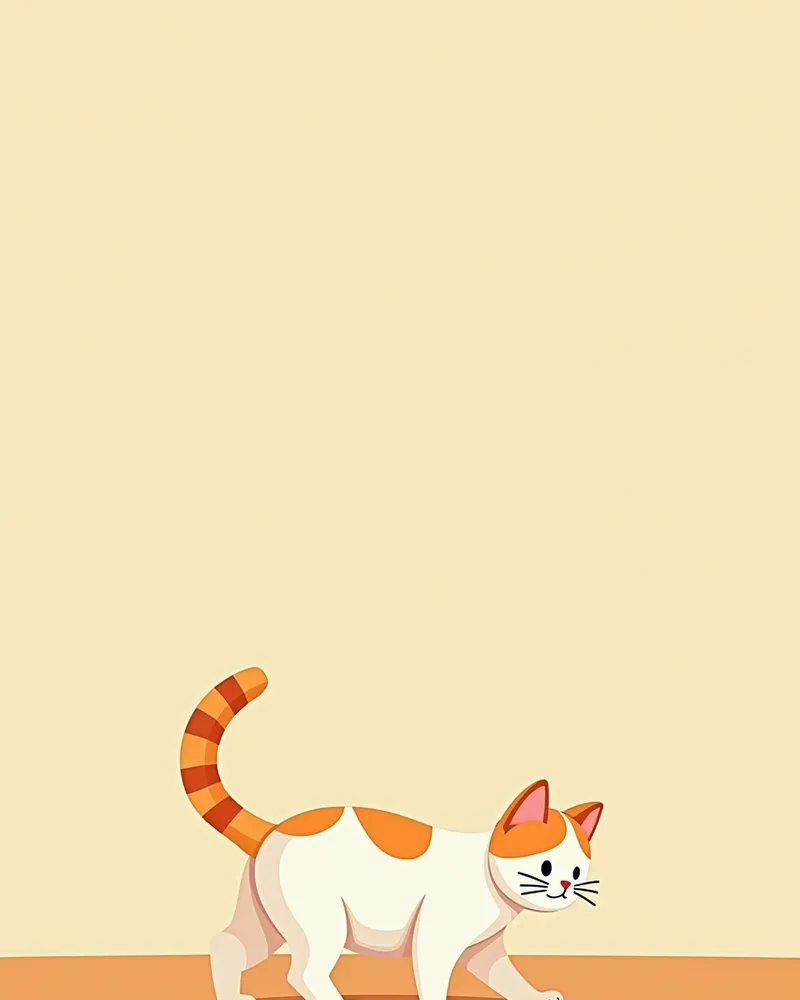
Managing feline cataracts requires consistent, long-term care rather than short-term treatment. It’s essential to administer the product regularly over a set period and have your veterinarian check your cat’s eye condition every six months. Keeping the environment well-lit and removing obstacles so your cat can move around easily is also important. If you notice your cat wandering at night or missing food, it may be a sign of vision loss. Consulting with your veterinarian before starting any product is a good practice. Early management plays a crucial role in preserving your cat’s vision.
A cat walking safely and confidently without any obstacles.

Reviewed by a veterinarian

Dr. Tony — Punnawat Phongkittirak

Dr. Tony — Punnawat Phongkittirak

Veterinarian

A veterinarian who majored in veterinary medicine at Khon Kaen University, Thailand, and completed the IVSA program at North Carolina State University in the United States. Drawing on clinical experience at animal hospitals, he works in the pet healthcare field and is dedicated to building a digital care environment that connects pet parents with veterinarians.

Frequently Asked Questions

Can feline cataracts be cured?
Currently, there is no medication that can completely cure cataracts. However, advanced cataracts can be treated with cataract surgery (phacoemulsification), which involves removing the lens. While some claim that supplements can slow the progression of cataracts, this effect has not been proven in controlled studies, so please take such claims with caution.
When should I start giving my pet nutritional supplements?
There’s no specific starting time for this. It’s always safest to consult with your veterinarian before beginning any supplement, and most importantly, ensure your pet is on a balanced, complete diet that already provides adequate taurine.
Can I choose the product myself without consulting a veterinarian?
It’s safest to get a diagnosis and recommendation from a veterinarian. You should choose a product that suits your cat’s individual condition.
Can supplements and medications be given together?
Some ingredients may overlap, so be sure to let your veterinarian know if your pet is currently taking any medications.
Will vision be completely lost as cataracts progress?
As cataracts progress, vision can deteriorate significantly, and complications such as lens luxation, uveitis, or glaucoma may develop. However, cats can often adapt to their environment by relying on their keen sense of smell and hearing, making regular veterinary check-ups to monitor eye health essential.

Share

Related Guides

References

[1] Miller WH, Griffin CE, and Campbell KL (2013) Muller & Kirk’s Small Animal Dermatology, 7th edn. Elsevier, St. Louis

[2] Olivry T and Linder KE (2009) Dermatoses affecting desmocellular junctions in cats. Veterinary Dermatology 20, 123-135

[3] BSAVA Manual of Canine and Feline Dermatology, 4th Ed. British Small Animal Veterinary Association, 2013

This information is based on veterinary literature and does not replace diagnosis or treatment. Please consult a veterinarian for specific health concerns.

Metapet Co., Ltd. | CEO: Park Sung-yong | Business Reg. No. 417-88-02562 | Seoul, South Korea | Customer Center

7 Vet-Approved Cataract Management Tips for Cats: A Selection Guide | Meongsiljang