Like
Share
멍실장
강아지 포도막염 관리 추천 BEST와 고르는 기준 총정리

The Best Canine Uveitis Management Products and Selection Criteria: A Comprehensive Guide

Eye HealthTop PicksMeongsiljang Veterinary Advisory Board

Canine uveitis is an inflammation of the eye that can lead to vision loss. Choosing the right management products and treatments is crucial.

Canine Uveitis Is an Inflammatory Eye Condition

A puppy with slightly red eyes and frequent blinking
Canine uveitis is an inflammation of the uvea—the vascular layer of the eye consisting of the iris, ciliary body, and choroid—which can cause pain and vision loss. If left untreated, it can lead to complications such as cataracts, glaucoma, and retinal detachment, or even blindness, making early detection and veterinary care essential. - Causes of Uveitis: Causes may include trauma, immune-mediated (autoimmune) diseases, systemic illnesses, lens-associated inflammation, tumors, and infections by viruses, bacteria, protozoa, or fungi. However, many cases are classified as idiopathic, meaning no specific cause is identified. - Breed Predispositions: Certain forms of uveitis are more common in specific breeds. For example, asymmetric uveitis is often seen in small breeds like Poodles, while other forms have been reported in Golden Retrievers. This means not all types of uveitis are common in small dogs. - Symptoms to Watch For: Signs may include redness of the eye, sensitivity to light, blinking or squinting (blepharospasm), increased tearing or discharge, and corneal edema. - Treatment Options: Treatment is based on a veterinary diagnosis and may include topical or systemic anti-inflammatory medications (steroids or non-steroidal) and, if necessary, immunomodulators such as azathioprine or cyclosporine. - Care Tips: Strictly adhere to the prescribed medication schedule and prevent your dog from rubbing or scratching its eyes. Since uveitis can recur or become chronic, regular follow-up exams are key to recovery and preventing complications.

Key Criteria for Choosing Uveitis Management Products

Veterinary diagnosis and prescription treatment are the top priorities for canine uveitis. Over-the-counter care products cannot replace medical treatment and serve only as supportive aids, so it is crucial to consult your veterinarian before use and never delay prescribed therapy. When selecting a product, verify the safety of its ingredients and ensure it is approved for direct ocular application.
Prescription-based anti-inflammatory treatment: Actual inflammation control is achieved through steroids, non-steroidal anti-inflammatory drugs (NSAIDs), or immunomodulators prescribed by a veterinarian.
Ophthalmically safe formulations: Confirm that eye drops or periocular formulations are safe for direct application to the eye and are non-irritating.
Check for supportive ingredients: Ingredients such as lutein and omega-3 fatty acids support eye health but do not treat uveitis itself.
Fragrance-free and non-irritating: It is essential to avoid irritating your dog’s sensitive eyes.
A shelf neatly organized with dog eye care products

BEST 1: Lutein Uveitis Eye Drops

Lutein uveitis eye drops contain antioxidant and eye-health-supporting ingredients such as lutein and omega-3 fatty acids. However, there is no medical evidence that lutein or omega-3 fatty acids treat the inflammation associated with uveitis; actual inflammation control is achieved through anti-inflammatory medications (steroidal or non-steroidal) prescribed by a veterinarian. Therefore, this product should be viewed solely as an adjunctive aid for treatment, and whether and when to use it must be determined in consultation with your veterinarian. It should never be used alone as a substitute for proper treatment.
Contains lutein: An antioxidant used to support eye health, but it is not a therapeutic agent.
Non-irritating formula: Confirm that the formulation is designed to avoid irritating the eyes.
For topical ocular use only: The formulation is intended for direct application to the eyes.
Contains omega-3: An ingredient that supports eye health, but it does not replace prescribed anti-inflammatory treatment.
Eye drop bottle for dogs

BEST 2: Omega-3 Eye Protection Cream

Omega-3 Eye Protection Cream is a topical supplement applied to the skin around the eyes. It can be used for moisturizing and protective purposes when there is mild dryness or rash around the eye area; however, since uveitis is an inflammation of the uvea inside the eye, it cannot be treated with a topical cream. Internal ocular inflammation requires veterinary diagnosis and prescription treatment. Be careful to prevent the cream from entering the eye. Apply gently to the skin around the eyes only, using clean hands, 1–2 times daily.
Contains Omega-3: An ingredient intended for skin moisturization and support.
Primarily Natural Ingredients: Formulated with naturally derived ingredients and free from synthetic preservatives.
Skin Protection Effect: Helps manage the skin around the eyes, but is distinct from treating internal ocular inflammation.
Easy Application: Gently apply by hand to the area around the eyes only.
Eye protection cream for application around a dog's eyes

BEST 3: Uveitis-Specific Supplement

This uveitis-specific supplement is a complex nutritional aid containing antioxidant ingredients such as lutein, omega-3, and vitamins C and E. While these ingredients are used to support eye health, there is no medical evidence that they prevent or treat uveitis. Since the key to managing uveitis lies in treating underlying causes—such as infection, immune disorders, trauma, or systemic diseases—and in veterinarian-prescribed anti-inflammatory therapy, supplements should be viewed strictly as supportive aids. Please consult your veterinarian before deciding whether to use them. You can administer one tablet daily with meals.
Complex ingredient profile: Contains nutrients that support eye health.
Can be given with meals: Offers convenient administration.
Contains antioxidants: Supports cellular protection but is not a treatment.
For supportive care: A supplementary aid that does not replace prescribed treatment.
A bottle of specialized nutritional supplement for uveitis in dogs

Comparison Table of BEST 1–3 Products

ItemMain IngredientsFormulationFrequency of Use
BEST 1: Lutein Eye DropsLutein, Omega-3Eye drops1–2 times a day
BEST 2: Omega-3 CreamOmega-3, Natural ingredientsCream1–2 times a day
BEST 3: Dedicated SupplementLutein, Omega-3, Vitamin C/ECapsule1 tablet a day

These products are for supportive care and do not replace prescription treatment for uveitis. If uveitis is suspected, first get a diagnosis and anti-inflammatory treatment from a veterinarian, and consult your vet about whether to use these products. If eye irritation or an adverse reaction occurs, stop use immediately and visit a clinic.

Caution: Visit the Vet Immediately If You Notice Eye Abnormalities

If your dog is rubbing its eyes, has red or hot-looking eyes, or is sensitive to light, it may be suffering from uveitis. Seek veterinary care immediately, as delayed treatment can lead to vision loss.

Usage Tips and Management Points
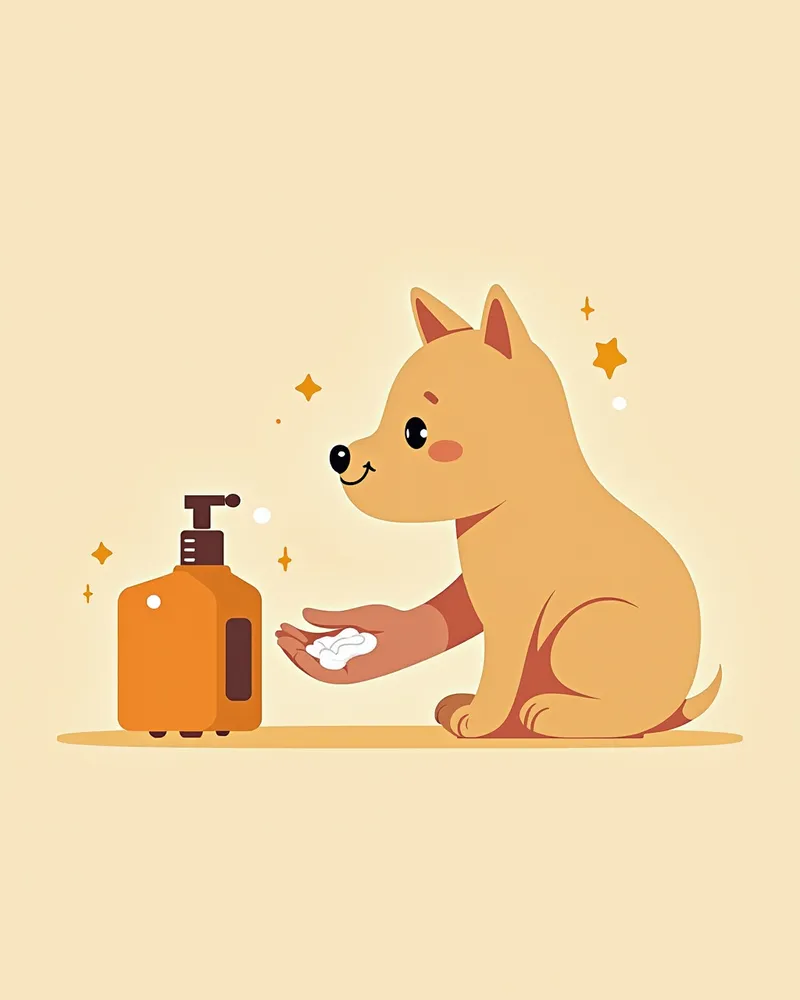
When using uveitis management products, always wash your hands and keep tools clean. Avoid letting eye drops touch the area that directly contacts the eyes, and store them in the refrigerator with the cap tightly closed. After using the product, monitor your dog’s response and discontinue use immediately if any abnormalities occur.
Hand Washing: Always wash your hands before using the product.
Tool Cleaning: Thoroughly clean droppers or application tools.
Storage Method: Store products recommended for refrigeration in the refrigerator.
Monitoring Response: If swelling or rash appears in the eyes after use, stop using the product immediately.
Washing your hands before using a dog eye care product

Reviewed by a veterinarian

Dr. Tony — Punnawat Phongkittirak

Dr. Tony — Punnawat Phongkittirak

Veterinarian

A veterinarian who majored in veterinary medicine at Khon Kaen University, Thailand, and completed the IVSA program at North Carolina State University in the United States. Drawing on clinical experience at animal hospitals, he works in the pet healthcare field and is dedicated to building a digital care environment that connects pet parents with veterinarians.

Frequently Asked Questions

Can uveitis be completely cured?
Uveitis can be treated depending on its underlying cause, but it may recur. Ongoing management and regular monitoring by your veterinarian are essential.
When should I start giving my pet nutritional supplements?
It’s safest to start the medication at the time recommended by your veterinarian after diagnosis. Early management is important.
Is it bad to use eye drops too frequently?
Using more than the prescribed amount can irritate the eyes. Always follow the instructions.
Can the cream be applied inside the eye?
Do not use inside the eye. It is safe to use only on the skin around the eyes.
What should I do if uveitis recurs?
If the condition recurs, please see your veterinarian right away so we can reassess the cause and adjust the treatment plan accordingly.

Share

Related Guides

References

[1] Plumb's Veterinary Drug Handbook, 9th Edition, 2022

[2] Veterinary Ophthalmology, 5th Edition, 2021

[3] American College of Veterinary Ophthalmologists (ACVO) Guidelines on Uveitis Management, 2023

This information is based on veterinary literature and does not replace diagnosis or treatment. Please consult a veterinarian for specific health concerns.

Metapet Co., Ltd. | CEO: Park Sung-yong | Business Reg. No. 417-88-02562 | Seoul, South Korea | Customer Center

Best Canine Uveitis Management Products & How to Choose | Meongsiljang