
Like
Share
멍실장
강아지 아나플라즈마증 관리 추천 BEST와 고르는 기준 총정리

Top 3 Recommendations and Key Criteria for Managing Canine Anaplasmosis

Infection/ParasitesTop PicksMeongsiljang Veterinary Advisory Board

Canine anaplasmosis is a mosquito-borne disease that can cause fever, joint pain, and fatigue. We’ve outlined the key criteria for choosing effective management products and our top three recommendations.

Canine anaplasmosis is a pathogen transmitted by balloon mosquitoes
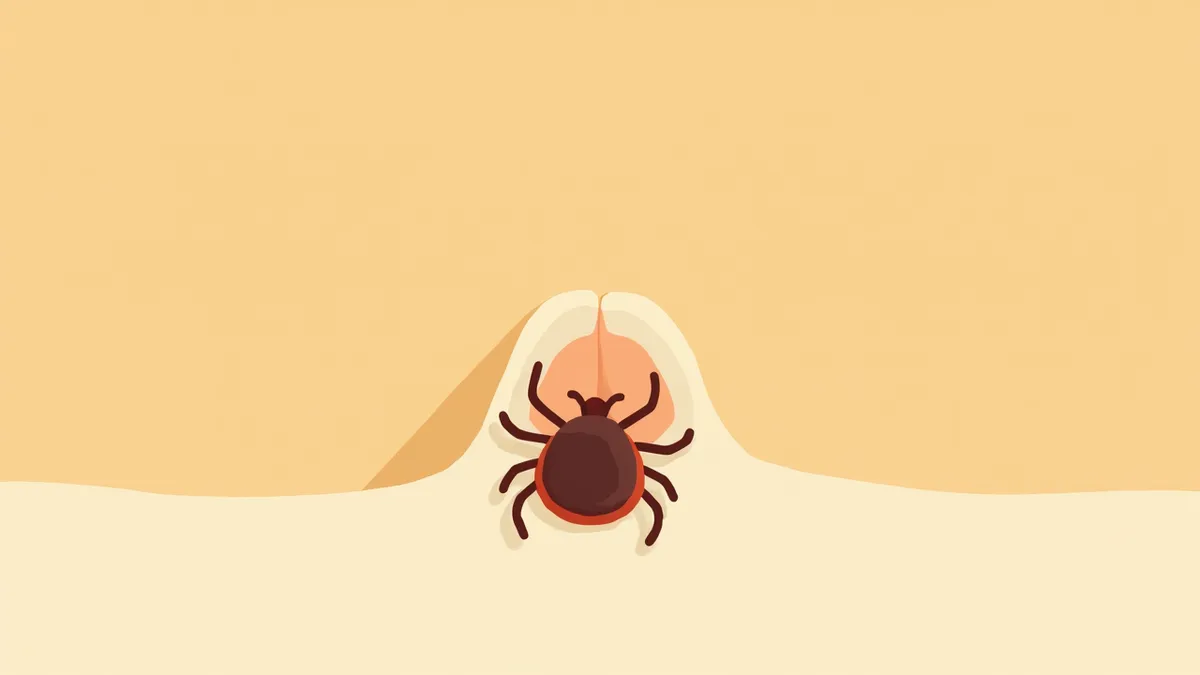
A balloon mosquito stuck to a puppy's ear
Canine anaplasmosis is a bacterial disease transmitted through the bite of the brown dog tick (Rhipicephalus sanguineus). The bacteria infect granulocytes (a type of white blood cell), which can cause symptoms such as fever, lethargy, loss of appetite, and joint pain (lameness). Because early symptoms are often mild, the disease can be difficult to detect in its initial stages. If you notice any unusual signs after a walk, consult your veterinarian immediately. Dogs that spend a lot of time outdoors and are frequently exposed to ticks are at higher risk of infection. Since the pathogen is transmitted through tick bites, it’s a good idea to check for ticks after every walk. Tick-borne diseases can occur year-round, so it’s important to carefully monitor your dog’s condition after walks and work with your vet to use tick preventatives consistently throughout the year. - Check for ticks: After walks, inspect your dog’s body, paying special attention to areas where ticks commonly attach, such as the ears, neck, and inner legs. - Early detection: If you notice symptoms like fever, decreased appetite, lethargy, or joint pain, seek veterinary care right away. - Ongoing care: Consult your veterinarian to choose an appropriate tick preventative and use it consistently.

Key Criteria for Choosing Canine Anaplasmosis Management Products

When selecting a product to manage canine anaplasmosis, carefully evaluate its efficacy, safety, duration of protection, and ease of use. In particular, breeds with the MDR1 (ABCB1) gene mutation—such as Collies, Shetland Sheepdogs, Australian Shepherds, German Shepherds, and Longhaired Whippets—may experience neurotoxicity from macrocyclic lactone ingredients like ivermectin. Therefore, always check the ingredient list and consult your veterinarian. - Efficacy: The product should contain an acaricide that prevents or kills ticks upon contact or attachment. - Safety: Choose ingredients that cause minimal skin irritation and pose low risk if ingested through licking. - Duration of protection: Since the protective period varies by product, select one that maintains consistent efficacy when used according to the recommended schedule. - Ease of use: Choose a formulation—such as a spray, spot-on, or oral medication—that suits your dog’s lifestyle. For the safest choice, consult your veterinarian to select a product tailored to your dog’s needs.
A veterinarian examining a puppy's ears

BEST 1: Anaplasmosis-Specific Pet Tape (Topical)

This product contains ingredients that prevent ticks from coming into contact with and attaching to your dog’s skin. When applied directly to the skin, it provides continuous protection for approximately 30 days and helps reduce scratching and licking behaviors. It is particularly suitable for dogs with high levels of outdoor activity. - Skin-friendly: Its low-irritation formula makes it relatively safe even for dogs with sensitive skin. - Long-lasting: One application offers extended protection, eliminating the need for daily reapplication. - Easy to use: The tape format allows for quick and convenient application before walks. - Suitable breeds: Ideal for active dogs. However, breeds with MDR1 gene mutations, such as Collies, Shetland Sheepdogs, and German Shepherds, may be at risk of neurotoxicity depending on the active ingredients. Always check the ingredient list and consult your veterinarian before use. - Precautions: If the application site peels off or shows signs of irritation, remove the product immediately and consult your veterinarian. Frequent exposure to water or bathing may reduce the drug concentration, thereby diminishing its effectiveness.
A special tape for Anaplasmosis attached to a dog's back

BEST 2: Anaplasmosis Prevention Capsules (Oral)

This oral medication helps kill ticks attached to your dog and prevent tick-borne infections. It’s easy to administer—one tablet per day or according to the schedule indicated on the product label. However, if your dog is already infected with anaplasmosis, this preventive won’t work; treatment with antibiotics like doxycycline is necessary. If you suspect symptoms, please consult your veterinarian. - Effectiveness: Once ingested, the medication kills ticks when they attempt to feed, reducing the time they remain attached. - Long-term use: Following the labeled instructions ensures consistent protection, but monitor your dog for any adverse reactions. - Convenience: The capsule form is easy for dogs to swallow and isn’t affected by water or bathing. - Suitable breeds: Ideal for dogs with frequent outdoor exposure. However, breeds with MDR1 gene mutations, such as Collies, Shetland Sheepdogs, and German Shepherds, may experience neurotoxicity from certain ingredients like emodepside. Always check the ingredients and consult your vet before use. - Precautions: Consult your veterinarian before starting this medication. If any adverse reactions occur, stop use immediately and seek veterinary care.
Dog Anaplasmosis Prevention Capsules

BEST 3: Anaplasmosis Repellent Spray (Topical)
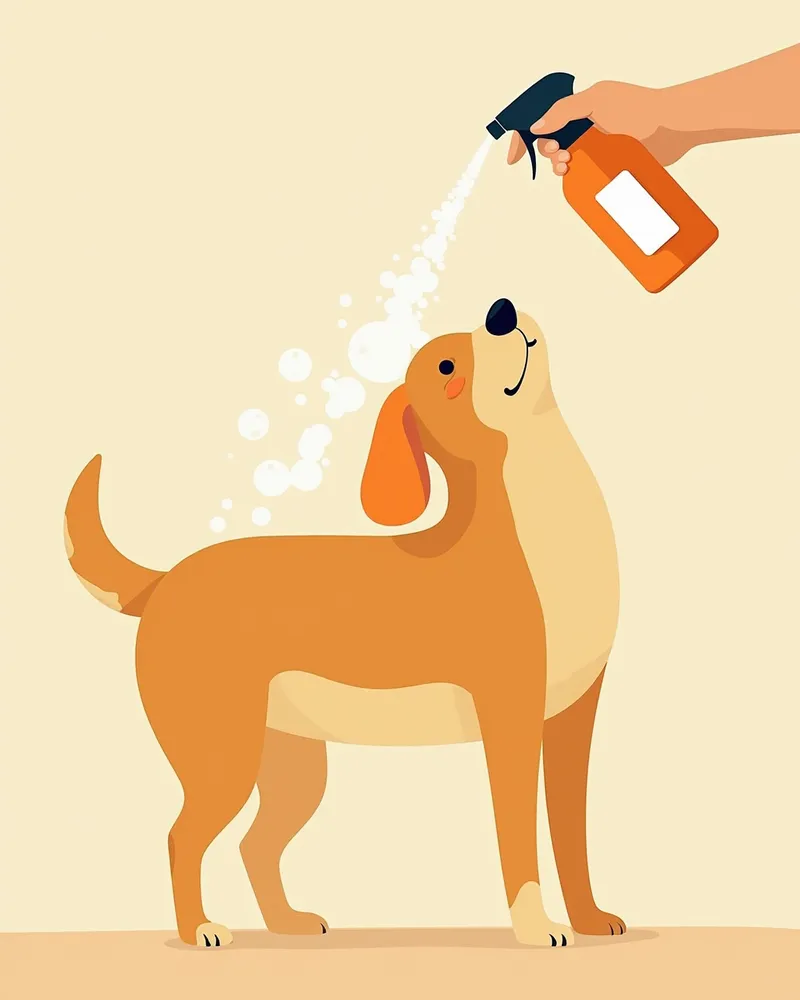
This spray is formulated with ingredients that repel ticks and prevent them from attaching to your dog’s skin. When applied after a walk, it provides relatively quick protective effects. However, frequent bathing or exposure to water can reduce the concentration of the active ingredient on the skin, diminishing its efficacy, so reapplication as needed is recommended. It is generally low in skin irritation. - Rapid action: Tick-repellent effects appear relatively quickly after application. - Duration: The product offers protection for the time period indicated on the label; reapply once the effect wears off. - Ease of use: Its spray format makes it convenient to apply before or after walks. - Skin compatibility: The low-irritation formula is suitable even for dogs with sensitive skin. - Ideal use cases: Best used after walks, for dogs with frequent outdoor activity, and for long-haired breeds. For breeds with the MDR1 mutation, please verify ingredient safety before use. - Precautions: Avoid contact with the eyes and mouth, and prevent your dog from licking the treated area after application.
Anaplasmosis-repellent spray for dogs

Comparison Table of BEST 1–3 Products

ItemProduct TypeDuration of EffectMethod of UseRecommended For
BEST 1: Pet tapeFor skinAbout 30 daysAttach once (long-lasting)Dogs with lots of outdoor activity
BEST 2: CapsuleFor internal useInterval indicated on the productTake according to the indicated intervalDogs with lots of outdoor activity
BEST 3: SprayFor external useTime indicated on the productSpray after walks; reapply as neededDogs with lots of outdoor activity

Breeds with the MDR1 (ABCB1) gene mutation, such as Collies, Shetland Sheepdogs, and German Shepherds, are at risk of neurotoxicity from macrocyclic lactone ingredients such as ivermectin, so check the ingredients and consult a veterinarian before use.

Caution: Breeds with the MDR1 Gene Mutation Must Check Ingredients

Breeds with the MDR1 (ABCB1) gene mutation, such as Collies, Shetland Sheepdogs, Australian Shepherds, German Shepherds, and Longhaired Whippets, may experience neurotoxicity from macrocyclic lactone ingredients like ivermectin. Always check the product ingredients, and whenever possible, have your dog undergo genetic testing and consult with your veterinarian before use.

Tips for Managing Canine Anaplasmosis
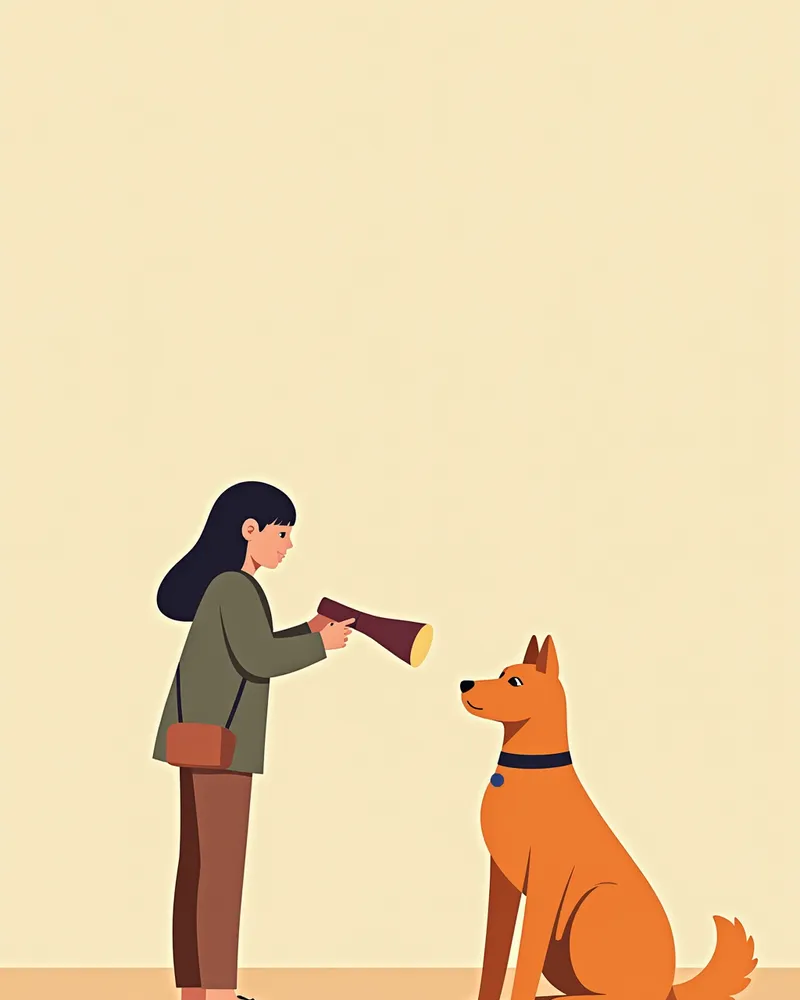
After each walk, carefully check your dog’s body, paying special attention to the ears, neck, and inner legs, where ticks commonly attach. Since tick-borne diseases can occur year-round, consult your veterinarian to use tick preventatives consistently, and avoid tall grass or walking paths known to have high tick populations. - Inspection timing: Check your dog’s body as soon as possible after each walk. - Product use: Choose a suitable preventative—such as sprays, spot-on treatments, or oral medications—based on your dog’s habits, after consulting your veterinarian. - Environmental management: Avoid areas with tall grass in your backyard or along walking routes where ticks are prevalent. - Veterinary consultation: If you notice symptoms such as fever, lethargy, or limping, seek veterinary examination immediately. - Record keeping: Document the timing of any symptoms and your use of preventative products to aid in tracking and diagnosis.
A dog owner checking their puppy's ears

Reviewed by a veterinarian

Dr. Tony — Punnawat Phongkittirak

Dr. Tony — Punnawat Phongkittirak

Veterinarian

A veterinarian who majored in veterinary medicine at Khon Kaen University, Thailand, and completed the IVSA program at North Carolina State University in the United States. Drawing on clinical experience at animal hospitals, he works in the pet healthcare field and is dedicated to building a digital care environment that connects pet parents with veterinarians.

Frequently Asked Questions

Can anaplasmosis be transmitted to humans?
Anaplasma phagocytophilum, the pathogen responsible for anaplasmosis, is a zoonotic agent that can also infect humans. However, it does not transmit directly from dogs to people; instead, humans become infected through the bite of an infected tick, just like dogs. In humans, it can cause nonspecific symptoms such as fever, so please take care to manage your environment and prevent tick bites for both you and your dog.
When should I start using preventive medication?
While ticks are especially active in warmer months, tick-borne diseases can occur year-round. That’s why it’s safest to consult your veterinarian about using preventive medication consistently throughout the year.
My dog was bitten by a tick. What should I do?
Remove ticks immediately, and carefully check your pet’s body after walks. If you notice any unusual symptoms such as fever, lethargy, or limping, consult a veterinarian right away.
Is it okay to stop giving preventive medication?
Tick-borne diseases can occur year-round, so it’s safest to use preventive medications consistently. Whether to discontinue use should be decided in consultation with your veterinarian, taking into account the local tick activity.
My dog hates taking preventive medication. What should I do?
The capsules can be mixed into treats or replaced with other forms, such as pet tape or spray. Consult your veterinarian to determine the best method for your dog.

Share

Related Guides

References

[1] Mazepa AW, Kidd LB, Young KM, Trepanier LA. Clinical presentation of 26 Anaplasma phagocytophilum-seropositive dogs residing in an endemic area. J Am Anim Hosp Assoc 2010;46(6):405–412.

[2] Plumb's Veterinary Drug Handbook, 9th Edition. Wiley-Blackwell, 2021.

[3] American Veterinary Medical Association. Tick-Borne Diseases in Dogs: Prevention and Management. AVMA Guidelines, 2022.

This information is based on veterinary literature and does not replace diagnosis or treatment. Please consult a veterinarian for specific health concerns.

Metapet Co., Ltd. | CEO: Park Sung-yong | Business Reg. No. 417-88-02562 | Seoul, South Korea | Customer Center

Canine Anaplasmosis: Top 3 Products & How to Choose | Meongsiljang