
Like
Share
멍실장
강아지 기생충 인수공통 감염 위험 관리 추천 BEST와 고르는 기준 총정리

Comprehensive Guide to Managing Zoonotic Parasitic Infection Risks in Dogs: Top Recommendations and Selection Criteria

Infection/ParasitesTop PicksMeongsiljang Veterinary Advisory Board

There is a significant risk that dogs can transmit parasitic infections to humans. It’s important to choose the right preventive products and care practices.

Top Recommendations for Managing Zoonotic Parasitic Infection Risks in Dogs

A collar and products that show the type of parasite preventive.
Zoonotic parasitic infections in dogs pose a serious risk that can also affect the health of owners and family members. Parasites can be transmitted to humans through ingestion, direct or indirect contact, or via contaminated objects, making it crucial to block these transmission routes in advance. Combining appropriate preventive products with proper hygiene management can significantly reduce the risk of infection.
Types of Preventives: Broad-spectrum products or combination formulations that manage both external and internal parasites can help enhance effectiveness. Active ingredients may include veterinary-approved anthelmintics such as avermectins, and it is advisable to prioritize verified products.
Frequency of Use: It is important to adhere to the recommended administration schedule, taking into account the risk of infection and the parasite’s life cycle. However, unlike puppies, adult dogs do not always harbor parasites, so a single fixed frequency is not suitable for all dogs. It is best to consult with a veterinarian to determine the appropriate schedule based on the dog’s living environment and risk level.
Safety: Some ingredients may cause adverse reactions in certain breeds or dogs with low body weight, so it is necessary to check the ingredients and applicable target animals before use.
Ease of Use: Various forms are available, including collars, chewable sticks, liquids, and tablets. However, the appropriateness of the active ingredients and administration schedule should take precedence over the product form.
Regular management, environmental hygiene, and cooperation with a veterinarian yield the greatest effectiveness.

Criteria for Selecting Products to Manage Zoonotic Parasitic Infection Risks

To minimize the risk of zoonotic parasitic infections in dogs, it’s important to carefully consider several factors when choosing a product. Focusing solely on price can be risky. Knowing the right criteria and making an informed choice is key.
Ingredient stability: Choose products containing ingredients that have been validated in veterinary medicine and have a proven track record of use.
Broad-spectrum coverage: Opt for products that manage not only external parasites but also internal ones.
Dosing schedule: Follow the recommended schedule, but work with your veterinarian to tailor it based on your dog’s living environment and risk level.
Skin reactions: Some products may cause skin irritation, so extra caution is needed for dogs with sensitive skin.
Veterinary recommendation: Products recommended by veterinarians tend to be more reliable.
By selecting a product based on these criteria, you can ensure safe and effective parasite management.
A veterinarian examines a puppy’s skin while explaining preventive treatments.

BEST 1: Premium Parasite Control Stick (Prevention of All Parasites)
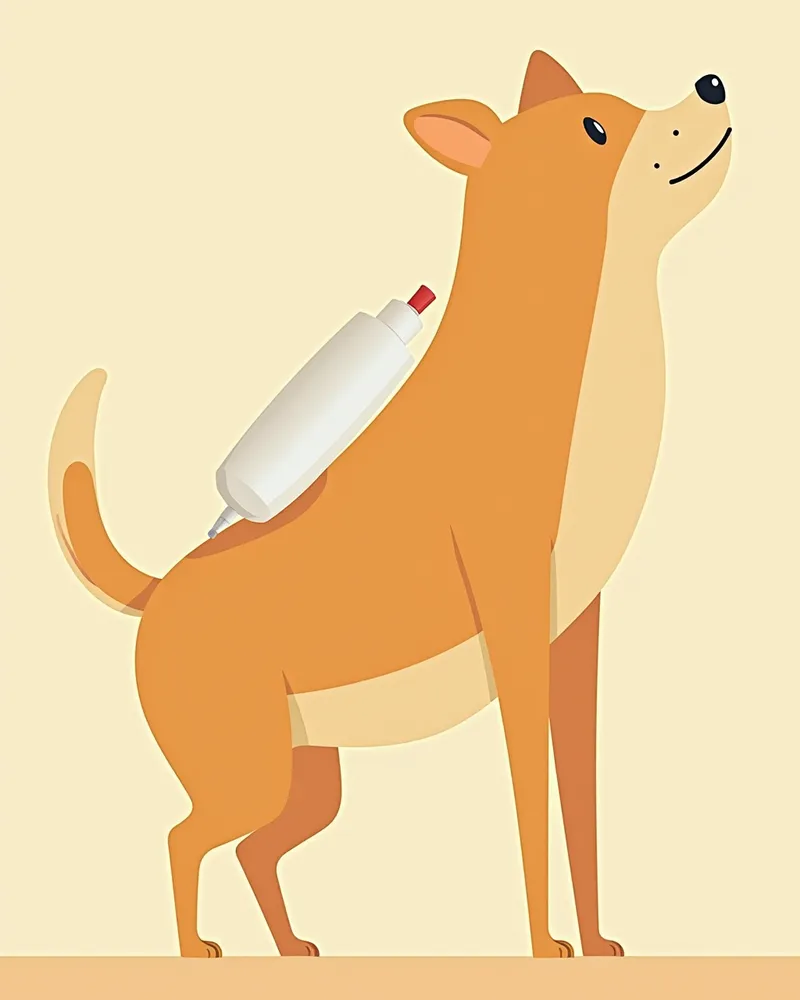
This product is designed to manage both external and internal parasites. Its key ingredients include avermectin-based compounds for external parasite control, along with a combination of active ingredients that aim to protect both the skin and internal organs. The recommended application frequency is typically once a month. It may be particularly suitable for long-haired breeds or dogs with frequent outdoor activities.
Minimizing Skin Irritation: While some dogs may experience skin irritation, reactions can vary depending on the formulation. For sensitive dogs, we recommend conducting a patch test before full application.
Water Resistance: The product’s efficacy may persist even after bathing or playing in water, though this can depend on the specific ingredients and how it is applied.
Ease of Use: The stick format makes application straightforward. However, since it is applied directly to the skin, it is important to consider your dog’s individual reaction and adjust the method accordingly.
Veterinarian Recommendation: Products recommended by veterinarians are generally reliable. However, selecting the right option should be tailored to your dog’s specific breed, weight, and health status.
Applying a stick-type parasite preventive to a dog's back

BEST 2: Monthly Tablet Parasite Preventative (Simultaneous Prevention of Internal and External Parasites)

This monthly tablet is designed to manage both external and internal parasites. It contains anthelmintic ingredients such as avermectins and is a compound formulation that aims to protect both the intestines and the skin. The effects last for about a month with once-a-month dosing, and it’s easier to administer with meals.
Ease of Administration: It’s easy to give with meals. If your dog refuses it, you can mix it with treats or use puzzle feeders recommended by your veterinarian.
Long-lasting Effect: Regular monthly administration helps maintain long-term protection.
Low Side Effects: Most dogs tolerate it well, and while adverse reactions like vomiting or indigestion may occur, they are uncommon. If any adverse reactions occur, stop use immediately and consult your veterinarian.
Veterinarian-Recommended Product: Products recommended by veterinarians are reliable in terms of ingredients and usage, but whether it’s necessary depends on your pet’s individual situation.
A puppy enjoying a treat infused with parasite prevention ingredients.

BEST 3: Smart Collar-Type Parasite Control Device (Includes Automatic Detection Function)

This product is a collar designed to help prevent both internal and external parasites, though it is primarily used for managing external parasites. The active ingredients are released continuously, so the protective effect often lasts even after bathing or sweating. Please note that there is no automatic detection feature with current technology; instead, the collar works by steadily releasing its ingredients over time.
Automatic Control Function: There is currently no technology that detects parasites and automatically releases the active ingredients. Since the collar works through continuous release, you can expect consistent, predictable protection, but it does not provide an immediate response upon contact.
App Connectivity: Some models come with app connectivity to help you monitor usage records, and rechargeable versions allow for long-term use.
Reusable: Rechargeable collars can be used repeatedly, but they do require regular maintenance.
Water Resistance: Many collars contain ingredients that maintain their effectiveness even after bathing or exposure to rain, but since features vary by product, please check the specific details for your collar.
A view of the parasite detection sensor operating on a dog's collar.

Comparison Table of BEST 1–3 Products

ItemBEST 1 Stick typeBEST 2 TabletBEST 3 Smart collar
Prevention rangeExternal + internal parasitesExternal + internal parasitesExternal parasites
Usage cycleOnce monthlyOnce monthlyOnce monthly (based on sustained ingredient release)
Ease of useVery easyVery easyModerate
Price (monthly)About $30About $20About $10
Veterinarian recommendationOne of the veterinarian-recommended productsOne of the veterinarian-recommended productsOne of the veterinarian-recommended products

Prices are calculated on a monthly basis and may vary depending on the product's usage period and frequency. Automatic detection functions are currently not technically feasible, so check the instruction manual and consult your veterinarian.

Precautions and Contraindications

Always consult your veterinarian before using any parasite prevention medication. While most products are relatively safe for dogs, some may cause adverse reactions in certain breeds or in dogs with low body weight. Certain breeds with genetic sensitivities may also experience hypersensitivity depending on the active ingredients, so it’s important to choose a formulation that suits your dog’s breed and health status. Be sure to read the product instructions carefully before use, and if you notice any unusual symptoms, stop using the product immediately and seek veterinary advice.

Tips for Using Parasite Preventatives

To get the most out of parasite preventatives, it’s important to pair them with consistent daily habits. Comprehensive care matters more than relying on the product alone.
Regular checks: Inspect your dog’s skin and coat monthly for any signs of parasites.
Clean the environment: Regularly clean and disinfect areas where your dog spends time.
Post-walk care: Check your dog’s body after walks and bathe them if needed.
Food management: Avoid contaminated food that could harbor parasites.
Veterinary visits: Schedule regular check-ups to reinforce prevention.
Adopting these habits will significantly boost the effectiveness of parasite prevention.
A pet owner gently brushing their dog’s fur while checking for signs of parasites.

Reviewed by a veterinarian

Dr. Tony — Punnawat Phongkittirak

Dr. Tony — Punnawat Phongkittirak

Veterinarian

A veterinarian who majored in veterinary medicine at Khon Kaen University, Thailand, and completed the IVSA program at North Carolina State University in the United States. Drawing on clinical experience at animal hospitals, he works in the pet healthcare field and is dedicated to building a digital care environment that connects pet parents with veterinarians.

Frequently Asked Questions

When should I start using parasite preventatives?
While puppies may benefit from preventive care starting at a young age, it’s safest and most appropriate to consult with your veterinarian to determine the right timing and ingredients. This is especially important for breeds with genetic traits that make them more sensitive to certain medications, as selecting the right ingredients is crucial.
My dog hates taking preventive medication. What should I do?
For tablet products, try hiding them in treats or using a puzzle feeder recommended by your veterinarian. Stick-type products are applied topically to the skin, so there’s no risk of your pet refusing to take them. However, always check the ingredients and usage instructions for each product.
Do I need to use parasite preventatives regularly every month?
While monthly use is the standard recommendation, it’s better to adjust the schedule with your veterinarian based on your dog’s living environment and risk factors. Overuse can increase the risk of drug resistance.
Do smart collar devices really work?
There are currently no products that automatically detect and control parasites using smart technology. Flea and tick collars work by continuously releasing active ingredients, and their effectiveness depends on the specific formulation and regular replacement schedule. While these collars can be particularly beneficial for dogs with frequent outdoor exposure, it’s best to use them in combination with other preventive measures.
My pet vomited or developed a skin rash after using the preventive medication. What should I do?
Stop using the product immediately and consult your veterinarian. Some dogs may be sensitive to certain ingredients, so if you notice any side effects, be sure to seek professional advice. Preventive treatments are not safe for every dog.

Share

Related Guides

References

[1] Clinical Medicine of the Dog and Cat, 4th Ed. 2021. Elsevier.

[2] Small Animal Critical Care Medicine, 3rd Ed. 2020. Wiley-Blackwell.

[3] Notes on Canine Internal Medicine, 4th Ed. 2019. Manson Publishing.

This information is based on veterinary literature and does not replace diagnosis or treatment. Please consult a veterinarian for specific health concerns.

Metapet Co., Ltd. | CEO: Park Sung-yong | Business Reg. No. 417-88-02562 | Seoul, South Korea | Customer Center

Manage Zoonotic Parasite Risks in Dogs: Top Prevention Tips | Meongsiljang