
Like
Share
멍실장
강아지 참진드기 예방·제거 관리 추천 BEST와 고르는 기준 총정리

Top 3 Recommended Tick Prevention and Removal Products for Dogs and Selection Criteria

Infection/ParasitesTop PicksMeongsiljang Veterinary Advisory Board

We’ve compiled the top three most effective products and management strategies for preventing and removing ticks from dogs. We’ll share safe, sustainable ways to keep your pup protected.

What Is Tick Prevention and Removal for Dogs?

A tick attached to a puppy’s ear while it was rolling in the grass
Tick prevention and removal for dogs is a series of management steps designed to prevent tick-borne diseases and safely remove any ticks that have already attached. While tick activity tends to increase with the seasons, climate change is extending their active periods, making year-round protection recommended. Prevention hinges on blocking infection before it occurs. Ticks transmit pathogens such as Borrelia burgdorferi, which causes Lyme disease; since these infections spread during the period when a tick is attached and feeding, it is crucial to prevent attachment or remove ticks quickly. For removal, prompt and safe handling is key. Do not pull ticks off by hand, as this can leave mouthparts embedded in the skin; instead, use a dedicated tool like a tick hook or consult your veterinarian. Consistent care and regular checks are the keys to effective prevention. However, because ticks typically have life cycles involving multiple hosts and new infections can occur continuously, even regular preventive measures cannot guarantee 100% control, making ongoing management essential.

Criteria for Choosing a Tick Preventive for Dogs
When choosing a tick preventive for your dog, carefully evaluate its safety, duration of protection, ease of use, and spectrum of efficacy. It is most important to follow the ingredients and application methods recommended by your veterinarian.
Safety first: If you live with cats, never use products containing pyrethroids, as these ingredients are highly toxic to cats.
Duration of protection: Products that provide tick prevention for at least four weeks are more convenient for ongoing care.
Ease of use: Topical spot-on treatments are quick and simple to apply.
Spectrum of efficacy: Products that are effective against not only ticks but also fleas, lice, and other external parasites are preferable.
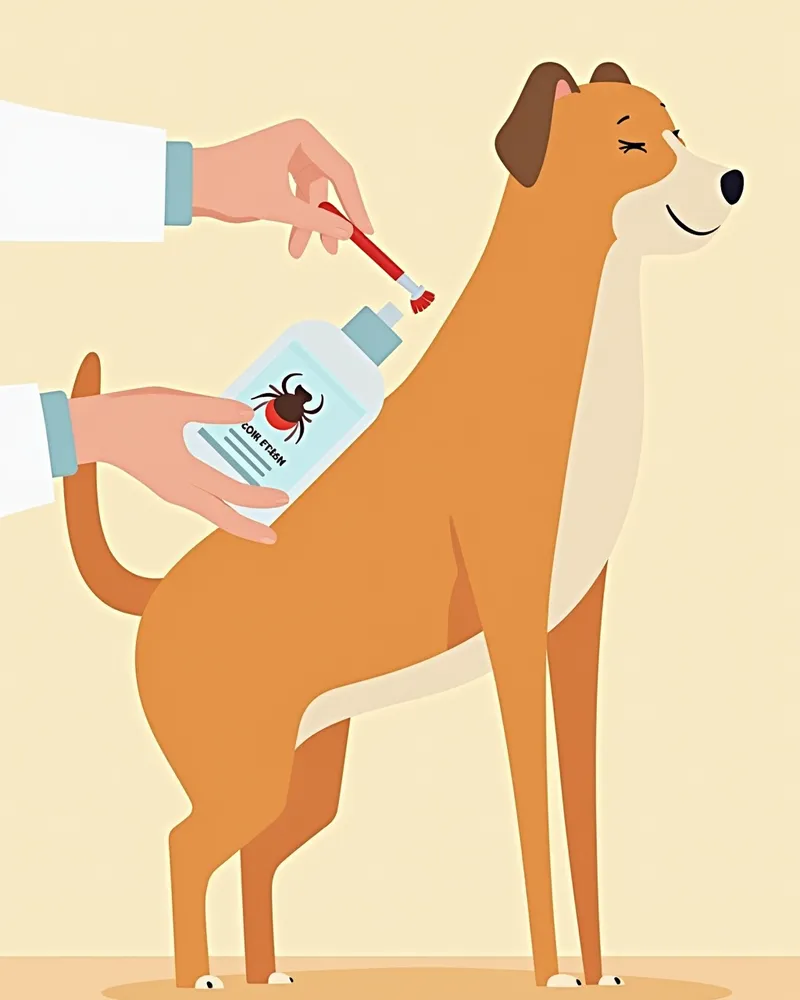
A veterinarian applying a tick repellent to a puppy's back.

BEST 1: Probiotics TickCut Spot-On (Fipronil-Based)
Probiotics TickCut Spot-On is a topical drop-on product based on fipronil. A single application effectively prevents ticks and fleas for approximately four weeks. When applied to the skin, the active ingredient accumulates in the sebaceous glands and hair follicles, then is released gradually to maintain its efficacy. Skin reactions at the application site are rare. The product kills and prevents ticks and fleas. However, frequent bathing or getting wet can lower the drug concentration in the skin, reducing effectiveness; therefore, it is advisable to avoid swimming for about two days after application. To use, simply apply one dose to the back. Note that fipronil is safe for both dogs and cats, so it can be used even if you have a cat (note that pyrethroid products are toxic to cats). Recommended because: It offers long-lasting protection, and there is no risk of the dog licking it off.
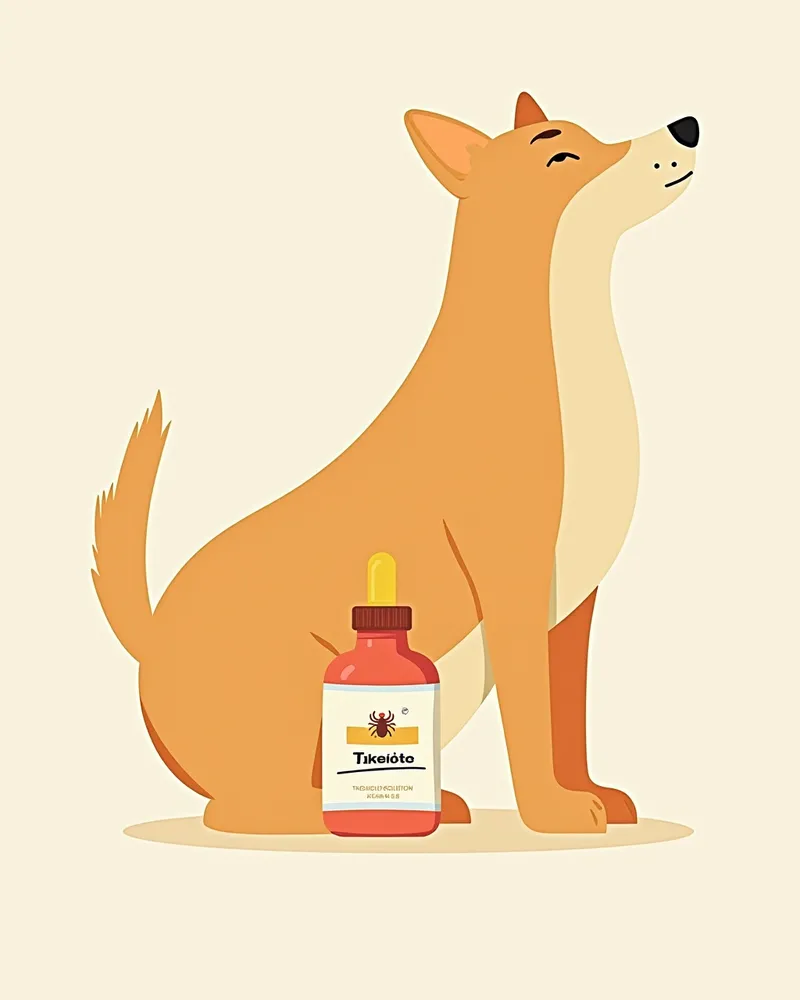
Probiotic TickCut Spot-On product and the dog's back area

BEST 2: LaserTick Plus Capsule (Moxidectin-Based)

LaserTick Plus contains moxidectin. In small animals, moxidectin is a topical spot-on deworming agent applied to the skin. It acts as an acaricide (tick control) by mimicking GABA and affecting the glutamate-gated chloride channels of parasites. Spot-on acaricides are known to be effective against ticks. The product kills and prevents ticks and fleas. For the exact duration of efficacy and dosing intervals, please follow the product label and your veterinarian’s instructions. Apply the product to the skin on the back as directed in the product instructions. Caution: Always consult your veterinarian before using this product on puppies or if your pet is taking other medications. Also, since frequent bathing or getting wet can reduce the effectiveness of spot-on treatments, please be mindful of the timing of application. Why we recommend it: It contains an active ingredient effective against ticks, and the application method is relatively simple.
A scene of a puppy swallowing a capsule from the veterinarian's hand.

BEST 3: Cat & Dog Tick Remover Spray (Pyrethroid-Based)
Cat & Dog Tick Remover Spray is a topical spray applied directly to the skin. Its pyrethroid ingredient quickly repels ticks and fleas, leaving a refreshing feel. While pyrethroids act on contact, their duration of action is relatively short, so it’s especially helpful to use them as needed, such as after walks. The product provides both killing and preventive effects against ticks and fleas. To use, spray 1–2 times onto the fur and then massage it in. Caution: Pyrethroids are highly toxic to cats, so this product must not be used in households with cats. Why we recommend it: Its immediate effectiveness and convenient application are key advantages.
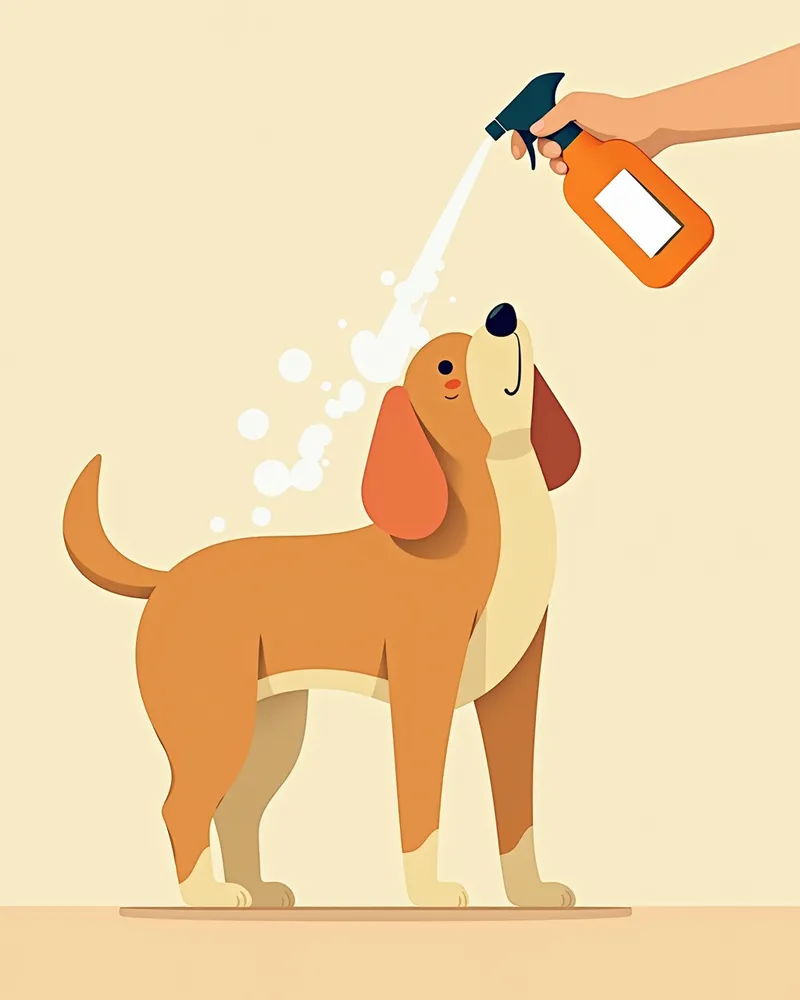
A scene of spraying a tick removal spray on a dog's fur.

Comparison Table of BEST 1–3 Products

ItemIngredientsDuration of EffectMethod of UsePrecautions
BEST 1: Probiotics TickCut Spot-OnFipronilAbout 4 weeksSpot-on (drop-on)Drop onto the back / can also be used on cats
BEST 2: LaserTick PlusMoxidectinPer product labelingSpot-onApply to the skin on the back / consult a veterinarian
BEST 3: Cat&Dog Tick Remover SprayPyrethroidEffect within 1 week (short-term)SprayMassage in after spraying

If you live with cats, never use products containing pyrethroid ingredients.

Caution: Absolutely Prohibited in Households with Cats

Products containing pyrethroids are highly toxic to cats. Never use them in households where dogs and cats live together. However, some ingredients, such as fipronil, are safe for cats, so consult your veterinarian to choose a safe product.

Tips for Tick Prevention and Removal

To prevent tick infestations in dogs, establishing consistent daily care habits is essential. Check your dog’s coat weekly and thoroughly inspect their entire body after every walk.
Regular checks: Carefully examine the spaces between your dog’s fur once a week.
Post-walk checks: Inspect your dog immediately after they’ve been in tick-prone outdoor areas such as grassy fields or forests.
Enhanced cleaning: Clean and maintain indoor floors, beds, and toys once a week.
Prevention timing: Because ticks can remain active year-round due to climate changes, it’s best to use preventive treatments consistently throughout the year.
A scene of brushing a puppy's fur

Reviewed by a veterinarian

Dr. Tony — Punnawat Phongkittirak

Dr. Tony — Punnawat Phongkittirak

Veterinarian

A veterinarian who majored in veterinary medicine at Khon Kaen University, Thailand, and completed the IVSA program at North Carolina State University in the United States. Drawing on clinical experience at animal hospitals, he works in the pet healthcare field and is dedicated to building a digital care environment that connects pet parents with veterinarians.

Frequently Asked Questions

Should I still use a preventive medication after removing the ticks?
Yes, it’s important to continue using preventive medication even after the ticks have been removed, as new ticks can easily reattach.
What should I do if ticks attach to my pet after a walk?
Carefully remove the tick by slowly pulling it straight out with a tick hook or fine-tipped tweezers, then disinfect the area. We recommend visiting your veterinarian afterward. Avoid pulling it off with your fingers, as this can leave the tick’s mouthparts embedded in the skin and is not advised.
Do I need to use tick preventatives every month?
Yes, using preventive medication every month is effective during the tick season. However, due to climate change, ticks can be active year-round, so it is recommended to provide continuous prevention throughout the year.
What happens if a dog licks and eats a tick?
Topical products are generally safe if your dog licks them, with any effects being temporary. However, depending on the ingredients, symptoms such as drooling or vomiting may occur. Pyrethroid-based products are highly toxic to cats, so never use them if you have cats in your household.
Will tick preventives still work if they get wet?
Topical products may lose effectiveness if the dog is bathed frequently or gets wet, as this can reduce the concentration of the medication in the skin. Therefore, it is recommended to avoid swimming for a certain period after application. If your dog bathes or swims often, the duration of the product's effectiveness may be shortened, so please consult with your veterinarian about when to reapply.

Share

Related Guides

References

[1] BSAVA Manual of Canine and Feline Dermatology, 4th Ed. (2023). BSAVA Publications.

[2] Principles and Practices of Canine and Feline Clinical Parasitic Diseases. (2008). Shoorijeh et al., Turkish Journal of Veterinary and Animal Sciences.

[3] Plumb's Veterinary Drug Handbook, 9th Edition. (2022). Wiley-Blackwell.

This information is based on veterinary literature and does not replace diagnosis or treatment. Please consult a veterinarian for specific health concerns.

Metapet Co., Ltd. | CEO: Park Sung-yong | Business Reg. No. 417-88-02562 | Seoul, South Korea | Customer Center

Best Dog Tick Prevention & Removal: Top Picks and How to Choose | Meongsiljang