Like
Share
멍실장
강아지 다음다뇨(PU/PD) 관리 추천 BEST와 고르는 기준 총정리

Top 7 PU/PD Management Products for Dogs Recommended by Veterinarians and How to Choose Them

KidneyTop PicksMeongsiljang Veterinary Advisory Board

Canine polyuria and polydipsia (PU/PD) can result from various causes, such as decreased kidney function and diabetes mellitus. Knowing the right management products and how to choose them enables early intervention.

What Is Canine Polyuria and Polydipsia (PU/PD)?

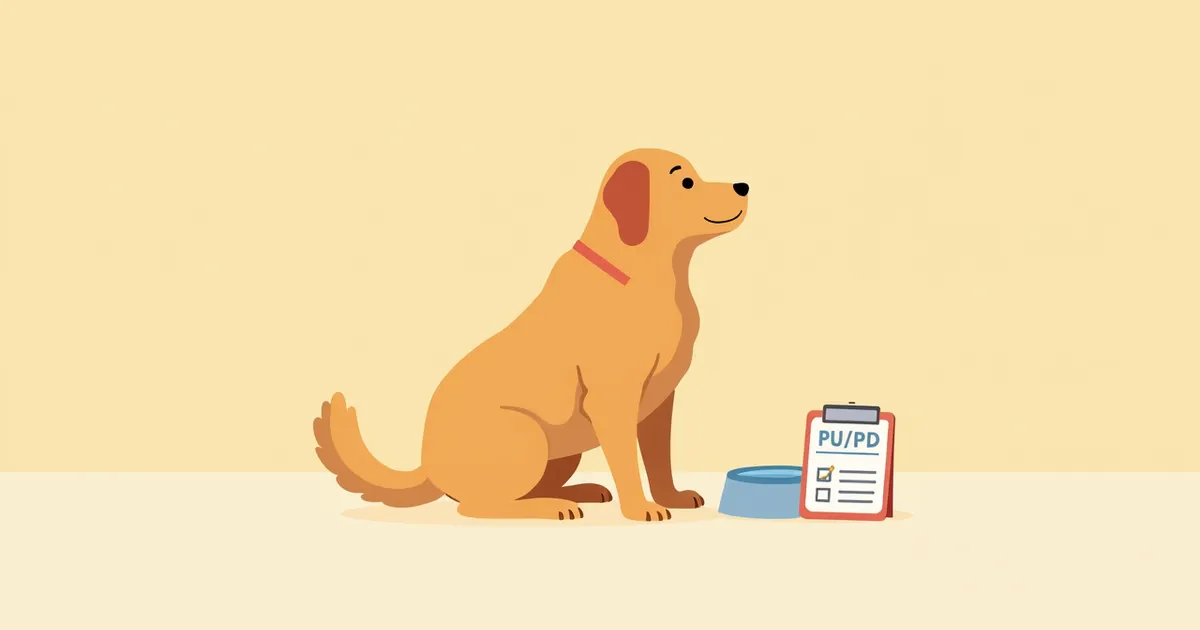
A puppy drinking water from its bowl, alongside medical icons symbolizing the circulation of urine and water.
Polyuria and polydipsia (PU/PD) in dogs refer to increased urine output (polyuria) and the compensatory increase in water intake (polydipsia) that follows. In most cases, primary polyuria is accompanied by secondary polydipsia. This condition can stem from a wide variety of causes, including chronic kidney disease (CKD), diabetes mellitus, diabetes insipidus, hyperadrenocorticism (Cushing’s syndrome), pyometra, liver disease, and electrolyte imbalances. Therefore, PU/PD is not a single disease but rather a sign that may indicate several underlying conditions. Dogs exhibiting excessive thirst and increased urination typically require urinalysis and blood tests to identify the underlying cause. Early identification of the cause often leads to successful treatment depending on the diagnosis, so it is important for pet owners to carefully monitor their dogs’ daily habits and consult a veterinarian if symptoms persist. This symptom is not merely an increase in water consumption; it is a signal of internal physiological changes.

How to Choose Management Products for Canine Polyuria and Polydipsia (PU/PD)
Managing polyuria and polydipsia (PU/PD) in dogs centers on first diagnosing the underlying cause. If kidney disease is the culprit, selecting a diet that supports renal health can be very helpful. Above all, it is most important to follow the dietary guidelines recommended by your veterinarian based on the diagnosis and disease stage (IRIS stage).
Phosphorus restriction: The key feature of renal diets is reduced phosphorus content, which helps slow the progression of kidney disease.
Omega-3 fatty acids: Omega-3s derived from fish are known to help regulate inflammation in the body and support blood flow within the kidneys.
Appropriate protein moderation: Look for products that moderately restrict protein while using high-biological-value animal proteins with a good amino acid profile.
Sodium and calcium control: Renal diets also feature controlled, lower levels of sodium and calcium.
Adequate hydration: Dogs with kidney disease are prone to dehydration, so it is better to ensure sufficient fluid intake through wet food and other means rather than simply trying to reduce water consumption.
A dog enjoying kidney-supportive food, with visible ingredient labels highlighting glucosamine, omega-3, and low-protein content.

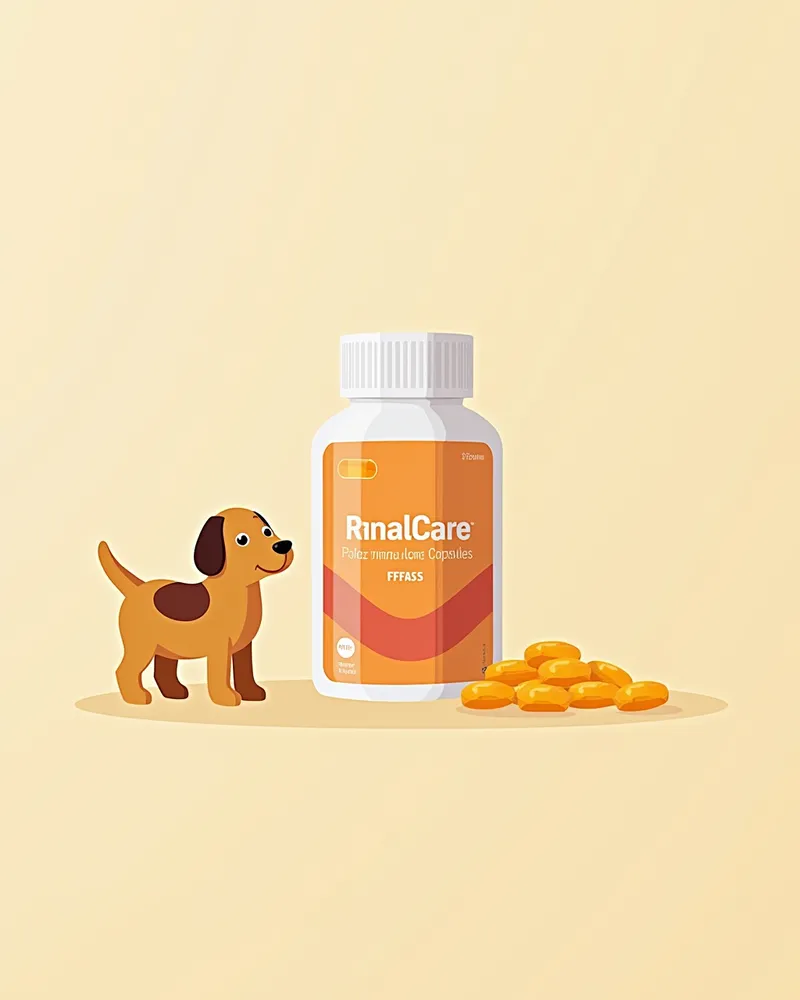
BEST 1: Kidney Care Premium Capsules

Supplements like kidney care premium capsules cannot replace proper diagnosis and dietary management, and should only be used as a supportive measure under veterinary guidance. - Omega-3 fatty acids: Omega-3s derived from fish are known to help regulate the body's inflammatory response and support blood flow within the kidneys. - Combination with low-phosphorus, appropriate low-protein diet: The key to reducing kidney burden is limiting phosphorus and appropriately restricting protein, so supplements should not be used as a substitute. - Adequate hydration: Dogs with kidney disease are prone to dehydration, so it is important to maintain sufficient hydration, primarily through wet food. Claims that glucosamine, vitamin E, and similar supplements protect the kidneys are not supported by standard veterinary textbooks, so do not rely on them. For safe and effective management, any supplement must be used under veterinary guidance, tailored to the dog's weight and disease stage.
A bottle of Kidney Care Premium Capsules alongside a dog

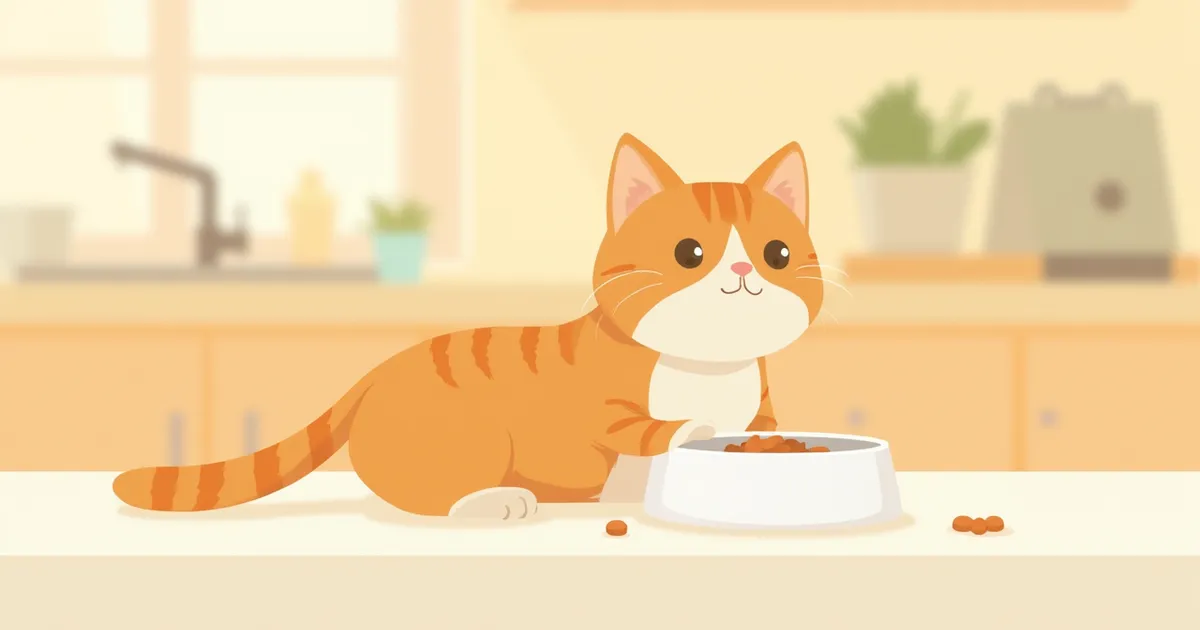
BEST 2: Low-Protein Kidney-Specific Diet

Kidney-specific low-protein diets are formulated with moderately restricted protein levels to reduce the workload on the kidneys. - Phosphorus restriction: The cornerstone of renal diets is lowering phosphorus content, which helps slow the progression of kidney function decline. - Appropriate low-protein formulation: Since a significant portion of protein metabolic waste is excreted by the kidneys, moderate protein restriction reduces the amount of waste the kidneys must process. - High-biological-value protein: These diets use high-biological-value proteins with an ideal amino acid profile to maintain nutritional support while minimizing renal burden. - Sodium and calcium control, plus omega-3 supplementation: Sodium and calcium levels are reduced, while omega-3 fatty acids are supplemented. While such diets form the foundation of chronic kidney disease management, they cannot reverse existing damage. Dogs with kidney disease are prone to dehydration, so wet food is preferable when possible. Transition to the new food gradually over several days to allow for adaptation. Always feed according to the dietary standards recommended by your veterinarian, tailored to the specific stage of the disease.
A bowl filled with low-protein, kidney-specific food, with labels indicating kidney support and phosphorus balance.

BEST 3: Herbal Blend for Regulating Water Intake
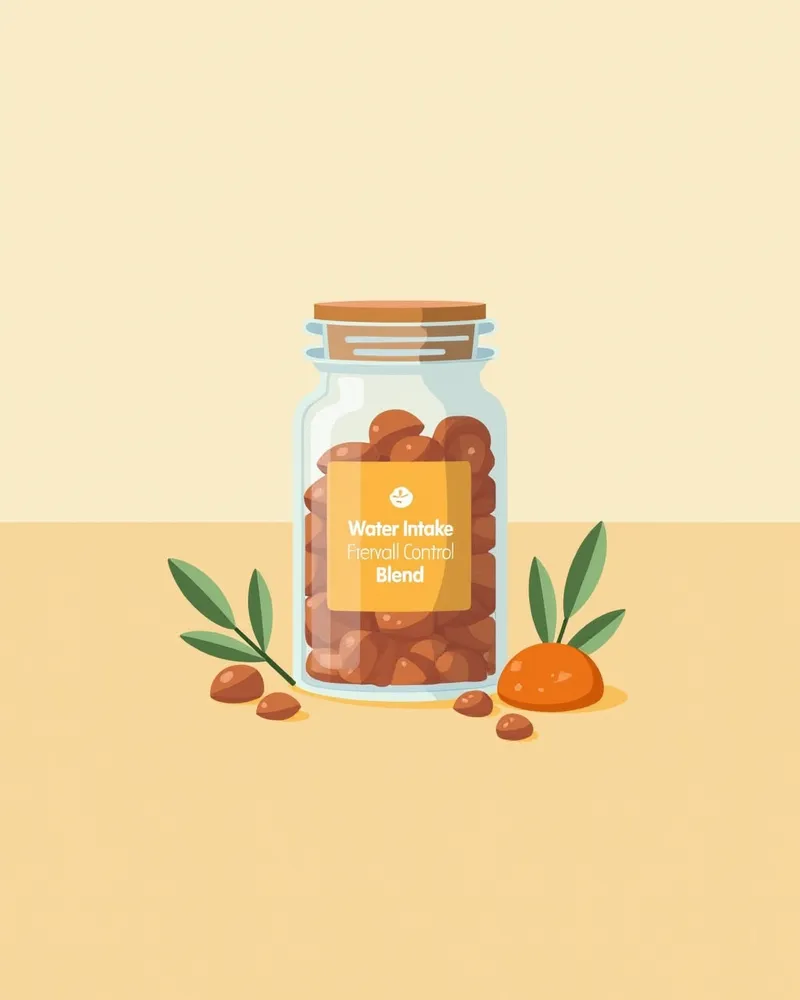
This herbal blend for regulating water intake is made from natural herbs such as lemon balm, chamomile, and lemongrass. However, artificially restricting water consumption in dogs with polyuria/polydipsia (PU/PD) can be extremely dangerous, as insufficient hydration may lead to dehydration and negative fluid balance. Therefore, even when used for symptom relief, such herbal products should only be administered under veterinary approval and with the assurance of adequate hydration. Follow the product instructions, such as one teaspoon once daily, but exercise caution, as overdosing may cause side effects like vomiting and diarrhea.
A glass bottle containing a water intake-regulating herbal blend, with dried herb ingredients visible inside.

Comparison Table of Products BEST 1–3

ItemMain IngredientsUsageRecommended Timing
BEST 1: Kidney Care CapsuleA supplement centered on Omega-3 (fish-derived)Use as a supplement adjusted to body weight under veterinary guidanceAs a supplement to dietary management of kidney disease
BEST 2: Low-Protein DietPhosphorus restriction, appropriate low-protein/high-biological-value protein, sodium and calcium adjustmentTwice a day, in portions matched to the disease stageFor kidney dietary management after veterinary diagnosis
BEST 3: Herbal BlendLemon balm, chamomile, lemongrassOnly with veterinary approval, 1 teaspoon once a daySupplemental use only with veterinary approval

Restricting water intake is not recommended due to the risk of dehydration. Use all products only after consultation with and approval from your veterinarian; overdosing may cause side effects.

Precautions and Contraindications

It’s crucial to identify the exact cause of polyuria and polydipsia (PU/PD) in dogs. Simply increasing water intake or relying on supplements alone can be dangerous. If diabetes or kidney disease is suspected, immediate veterinary care is necessary. Herbal products should never be used without a veterinarian’s approval, as overdosing can lead to vomiting or diarrhea.

Usage Tips and Practical Management Methods

Managing polyuria and polydipsia (PU/PD) in dogs goes beyond simply using a product; consistent daily care is key. Try keeping a log of your dog’s daily water intake and urine output. It’s important to work with your veterinarian to identify the underlying cause and closely monitor your dog’s response to any products used. Additionally, reducing stressors and maintaining a consistent schedule for walks and meals can help alleviate symptoms.
Water Intake Log: Fill the water bowl twice a day and record the remaining amount.
Urine Observation: Check the volume and color of urine in the litter box or on the floor.
Stress Reduction: Maintain a quiet environment and a consistent daily routine.
Veterinary Visit Schedule: Regular check-ups are recommended at least once a month.
A notebook with a water and urine intake log for managing your dog’s diabetes insipidus

Reviewed by a veterinarian

Dr. Tony — Punnawat Phongkittirak

Dr. Tony — Punnawat Phongkittirak

Veterinarian

A veterinarian who majored in veterinary medicine at Khon Kaen University, Thailand, and completed the IVSA program at North Carolina State University in the United States. Drawing on clinical experience at animal hospitals, he works in the pet healthcare field and is dedicated to building a digital care environment that connects pet parents with veterinarians.

Frequently Asked Questions

Could your dog’s polyuria and polydipsia (PU/PD) be a sign of diabetes?
Polyuria and polydipsia (PU/PD) are hallmark signs of diabetes mellitus, but they can also stem from various other conditions such as kidney disease, diabetes insipidus, and hyperadrenocorticism. To pinpoint the exact cause, urine and blood tests are essential.
How much water should my pet drink?
A healthy dog typically drinks no more than about 90 mL of water per kilogram of body weight per day. If your dog consistently drinks more than 90–100 mL/kg per day, it may be a sign of polydipsia (excessive thirst and urination). For an accurate assessment, please consult your veterinarian.
Will the symptoms improve immediately after giving the product?
While the product may help alleviate symptoms, its effectiveness will be limited if the underlying cause isn’t addressed. A veterinary diagnosis should always come first.
Are herbal products safe?
While some herbs may be safe, they can cause side effects depending on your dog's individual constitution. In particular, if they are used to reduce water intake, there is a risk of dehydration, so please do not use them without your veterinarian's approval.
Can I stop using the product once the polyuria symptoms disappear?
Don’t stop treatment immediately just because symptoms have improved. Follow your veterinarian’s instructions to gradually taper off the medication. Ongoing management is necessary to prevent relapse.

Share

Related Guides

References

[1] The Veterinary Workbook of Small Animal Clinical Cases, Case 21, 2020

[2] Notes on Canine Internal Medicine, 4th Edition, Chapter 1.37, 2019

[3] O’Neill, D.G., et al. (2015). Longevity and mortality of dogs attending primary care veterinary practices in England. J. Vet. Intern. Med., 29(1), 125–133.

This information is based on veterinary literature and does not replace diagnosis or treatment. Please consult a veterinarian for specific health concerns.

Metapet Co., Ltd. | CEO: Park Sung-yong | Business Reg. No. 417-88-02562 | Seoul, South Korea | Customer Center

Vet-Approved: Top 7 Products for Managing Canine PU/PD & How to Choose | Meongsiljang