Like
Share
멍실장
강아지 눈에 생긴 각막궤양, 푸른 빛 아래 녹색으로 빛나는 상태

7 Key Points for Managing Canine Corneal Ulcers and Erosions, as Recommended by Veterinarians

Eye HealthTop PicksMeongsiljang Veterinary Advisory Board

Corneal ulcers in dogs are a painful and urgent ophthalmic condition. Choosing the right management products and treatments is key to recovery.

What Are Canine Corneal Ulcers and Erosions?

A dog showing signs of pain with red, swollen eyes
Corneal ulcers in dogs are wounds where the cornea, the outermost layer of the eye, becomes eroded or damaged, causing significant pain and potentially affecting vision. They can arise from various causes, including trauma, microbial infections such as bacteria, dryness due to tear film abnormalities (keratoconjunctivitis sicca), eyelid structural defects, and neurological dysfunction. They are particularly common in brachycephalic breeds with short muzzles, where the cornea is more exposed. If left untreated, ulcers can deepen and become infected, leading to corneal cloudiness, or progress to melting ulcers that may result in perforation or rupture. Superficial keratitis involves only the shallow shedding of the surface epithelium, and the treatment duration and approach vary depending on the depth of the lesion. Dogs may show discomfort by squinting, producing excessive tears, or having eye discharge, but symptoms can sometimes be subtle. Therefore, it is essential to closely monitor for signs such as eye rubbing or increased tearing. - Accurate diagnosis comes first: Corneal damage is confirmed through fluorescein staining, and because treatment varies significantly based on depth and cause, a veterinary diagnosis is essential. - Pain and inflammation management follow veterinary prescription: Pain control and management of secondary uveitis are handled by veterinarians through prescribed medications such as analgesics. Using steroid eye drops on corneal ulcers without veterinary guidance can delay healing and worsen the condition. - Minimize irritation and protect the eye: Protect the corneal surface with lubricating and protective eye drops and by using an Elizabethan collar. However, it is safest to consult your veterinarian before selecting products, considering factors such as whether they are fragrance-free and preservative-free.

Good to Know: Managing Corneal Ulcers and Erosions
When managing a dog’s corneal ulcer, the most important step is to follow your veterinarian’s diagnosis and prescription before selecting any products on your own. When choosing care and protection items, check the following key factors and always consult your vet before use.
Safe ingredients: Opt for fragrance-free, preservative-free products that are gentle on the eyes.
Accurate diagnosis: A fluorescein stain test helps determine the depth of damage and the underlying cause, ensuring the right treatment plan for faster recovery.
Prescription-based inflammation and pain management: Pain and secondary inflammation should be managed according to your vet’s prescription. Never use steroid eye drops for corneal ulcers without veterinary guidance.
Ease of use: Gel or spray formulations that stay in place are more convenient.
Veterinarian-recommended products: Choose products that are clinically proven and recommended by veterinarians for peace of mind.
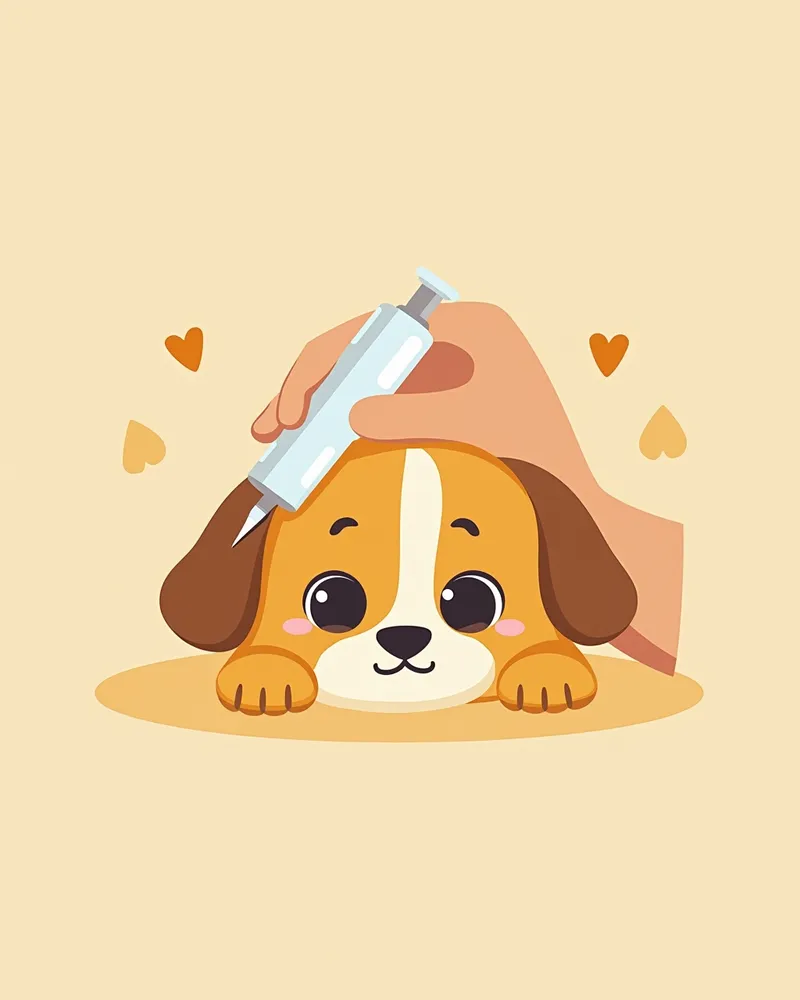
A veterinarian administering eye drops to a puppy

Good to Know 1: What Is the Condition and Why Is Prompt Attention Necessary?
Corneal ulcers occur when the cornea, the eye’s transparent outer layer, is eroded or damaged, while corneal erosions are shallower surface injuries. These conditions cause significant pain, leading to squinting and rubbing, along with symptoms such as excessive tearing, redness, and corneal cloudiness (edema). If left untreated, ulcers can deepen or become infected, potentially threatening vision, so it is crucial to seek veterinary care promptly if you suspect an issue. In dogs, corneal ulcers are most common in brachycephalic (short-nosed) breeds due to increased corneal exposure, but they can also result from trauma, foreign bodies, eyelid abnormalities, dry eye (keratoconjunctivitis sicca), or neurological disorders. It is essential to determine whether the injury is a simple wound or stems from an underlying cause, as treatment varies significantly depending on the cause and depth of the lesion.
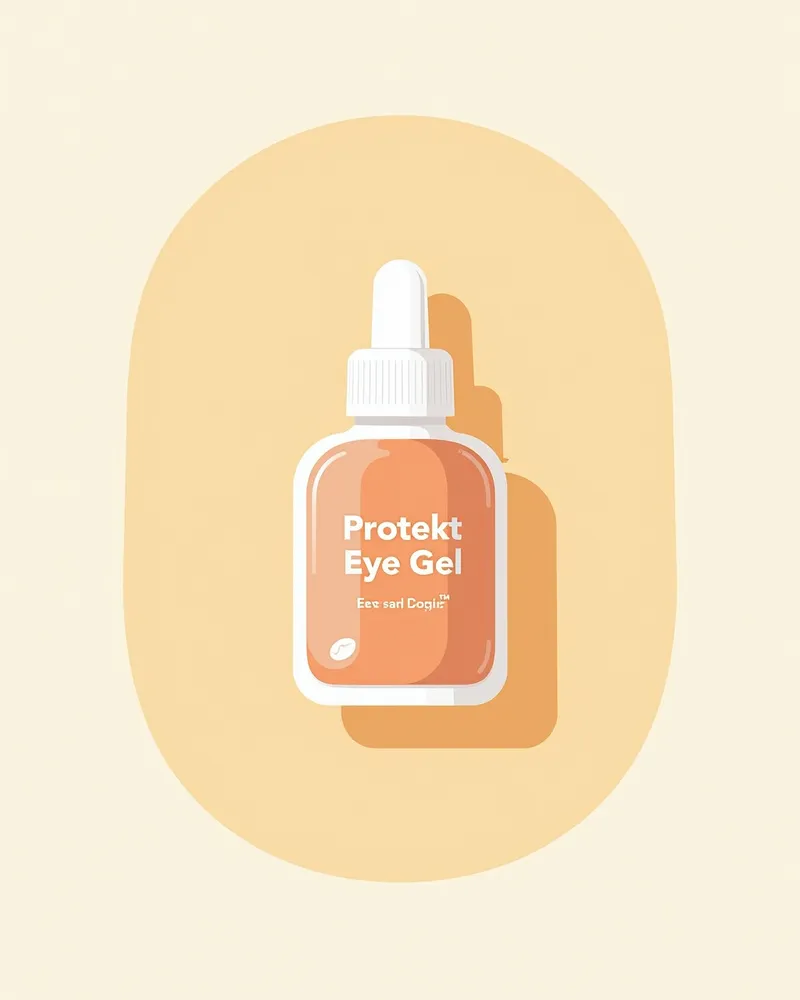
Product photo of ProTech Eye Gel

Good to Know 2: Diagnosis via Fluorescent Dye Test; Treatment Based on Cause and Depth
Corneal ulcers are diagnosed by using a fluorescent dye test to identify the location and depth of the damage, followed by a detailed examination with a slit lamp. Treatment varies depending on the cause and severity, with veterinarians prescribing eye drops to prevent infection, medications to reduce pain, and treatments to promote healing. Deep ulcers or non-healing erosions may require additional procedures or surgical intervention. All medications and treatments are determined by the veterinarian based on the diagnosis, rather than using products found online. Using human eye drops without veterinary guidance can worsen the condition.
Photos of Acroai medication and its packaging

Good to Know 3: Post-Treatment Care and Follow-Up Visits Are Essential

During treatment, it is essential to administer the prescribed eye drops exactly as directed and to prevent your pet from rubbing their eyes by using an Elizabethan collar. Because corneal conditions can change rapidly, follow-up visits are necessary to monitor healing. Superficial ulcers typically require re-examination within five to seven days, while deeper ulcers need weekly check-ups to confirm complete resolution. Seek immediate veterinary care if pain worsens, the cornea becomes increasingly cloudy, or your pet is unable to open their eye. Ulcers that fail to heal or appear to be melting may indicate an underlying cause that persists, so managing the root cause and preparing for potential recurrence is crucial. Prompt diagnosis and consistent post-treatment care are key to preserving your pet’s vision.
Product photo of Luminate Eye Gel

Key Points to Understand About Corneal Ulcers and Erosions

ItemKey Points
ConditionCorneal indentation (ulcer)/shallow surface damage (erosion), with pain, tearing, and redness
Characteristics in DogsMost common in brachycephalic breeds due to corneal exposure; the cause must be distinguished among trauma, tear film abnormalities, eyelid structure, etc.
Diagnosis & TreatmentConfirm depth with fluorescein staining; prescribed by a veterinarian according to cause and depth
CautionDo not use human eye drops or internet-sourced products arbitrarily; protect with an e-collar
AftercareConfirm healing with follow-up; if it worsens, seek re-examination immediately and prepare for recurrence

This is not a table recommending specific products or clinics, but a reference for when you consult a veterinarian. Treatment and testing decisions must always be made together with a veterinarian through an examination.

Caution: Actions to Strictly Avoid

Corneal ulcers in dogs are a highly sensitive condition, so you must strictly avoid the following actions. Allowing your dog to scratch or rub their eyes can deepen the ulcer and increase the risk of infection. Additionally, using steroid eye drops without a veterinarian’s prescription can delay healing or worsen the ulcer.

Usage Tips: Practical Methods to Maximize Effectiveness
To maximize the effectiveness of your dog’s corneal ulcer treatment, follow these tips. First, gently clean your dog’s eye before administering medication. When applying the drops, aim for the lower conjunctival sac between the lower eyelid and the eyeball, rather than directly onto the eye surface. After application, prevent your dog from rubbing its eyes. Using a crate or pet carrier can help protect the eye during recovery.
A puppy wearing a foggy expression

Reviewed by a veterinarian

Dr. Tony — Punnawat Phongkittirak

Dr. Tony — Punnawat Phongkittirak

Veterinarian

A veterinarian who majored in veterinary medicine at Khon Kaen University, Thailand, and completed the IVSA program at North Carolina State University in the United States. Drawing on clinical experience at animal hospitals, he works in the pet healthcare field and is dedicated to building a digital care environment that connects pet parents with veterinarians.

Frequently Asked Questions

Can corneal ulcers heal on their own?
No, in most cases self-healing is difficult, takes a long time, and carries a high risk of complications. Immediate veterinary care is necessary.
Can I stop using the eye drops?
No, it needs to be used at regular intervals throughout the treatment period. Stopping could lead to recurrence or worsening of the condition.
Is it normal for my pet’s eyes to become red and swollen?
No, this is a sign that the inflammation has worsened or an infection has developed. Immediate veterinary care is necessary.
My dog hates having eye drops put in. What should I do?
Approach your dog slowly in a quiet environment, and take time to soothe them before administering the medication. Gently opening their eye with your finger at first can also be helpful.
How can we prevent the condition from recurring?
To prevent further issues, it’s important to address the underlying cause, schedule regular eye exams, and maintain strict hygiene around the eyes. If your dog has a habit of frequently scratching its eyes, preventive measures are especially crucial.

Share

Related Guides

References

[1] Carter, J. (2023). 100 Top Consultations in Small Animal General Practice. Elsevier.

[2] The Veterinary Workbook of Small Animal Clinical Cases. (2022). Wiley-Blackwell.

[3] Clinical Atlas of Canine and Feline Ophthalmic Disease, 2nd Ed. (2021). Elsevier.

This information is based on veterinary literature and does not replace diagnosis or treatment. Please consult a veterinarian for specific health concerns.

Metapet Co., Ltd. | CEO: Park Sung-yong | Business Reg. No. 417-88-02562 | Seoul, South Korea | Customer Center

7 Vet Tips for Canine Corneal Ulcers & Erosions Care | Meongsiljang