Like
Share
멍실장
고양이 항암 부작용 관리 관리 추천 BEST와 고르는 기준 총정리

7 Key Points for Managing Cat Chemotherapy Side Effects Recommended by Veterinarians — Essentials to Monitor at Home

Oncology/CancerTop PicksMeongsiljang Veterinary Advisory Board

We’ve compiled recommended products and key selection criteria to effectively manage side effects during a cat’s cancer treatment. This guide focuses on practical information that pet owners can readily use.

How to Choose Products for Managing Cat Chemotherapy Side Effects

An image showing a cat being consulted with a veterinarian, alongside a special diet formulated to manage side effects of cancer treatment.
Managing chemotherapy side effects is a crucial part of ensuring your cat’s treatment can proceed safely. Proper management helps maintain your cat’s quality of life. However, rather than relying on supplements that claim to “prevent or eliminate” side effects, the key is to consult with your veterinarian to determine the necessary care.
Gastrointestinal Symptom Management: Digestive side effects such as loss of appetite, vomiting, and diarrhea are among the most common during chemotherapy. These are managed through medications prescribed by your veterinarian and dietary adjustments.
Infection Precautions: Chemotherapy can suppress bone marrow function, leading to a decrease in white blood cells and increased susceptibility to infection. It is important to closely monitor for signs such as fever and lethargy.
Nutrition and Weight Maintenance: Weight loss during treatment can negatively impact the prognosis, so it is important to support your cat in eating well.
Consult Your Veterinarian: Supplements and dietary changes can interact with chemotherapy drugs, so always consult your veterinarian before making any decisions.
During chemotherapy, carefully monitor your cat’s condition and choose management strategies in consultation with your veterinarian.

Good to Know: Managing Chemotherapy Side Effects

When preparing to manage chemotherapy side effects in cats, checking the following four points can be helpful.
Verify scientific evidence: Ask your veterinarian whether there is actual evidence that specific ingredients or supplements benefit cats undergoing chemotherapy. It’s best to avoid relying on unverified ingredients.
Choose a palatable form: Cats may accept different forms—such as liquids, powders, or capsules—varyingly well, so select a format your cat will readily consume without resistance.
Beware of drug interactions: Some ingredients may interact with chemotherapy drugs or other medications, or trigger allergic reactions, so always confirm that they are safe to use together.
Consult your veterinarian: Confirm whether the approach is recommended by your veterinarian during actual clinical care, and avoid making unilateral decisions.
By discussing these criteria with your veterinarian, you can find a management plan tailored to your cat’s needs.
An image featuring oral care products and food designed to support your cat's dental health.

Good to Know 1: What Side Effects May Occur?
Because chemotherapy targets rapidly dividing cells, it can also affect normal tissues such as the bone marrow, which produces blood cells, and the gastrointestinal mucosa. This may lead to a decreased white blood cell count, increasing susceptibility to infection, as well as loss of appetite, vomiting, and diarrhea. However, veterinary oncology aims to minimize side effects while preserving quality of life, so severe reactions are relatively less common than in human patients. Since the specific side effects vary depending on the medication used, it is advisable to receive detailed guidance from your veterinarian in advance.
What side effects may occur? See the related guide image.

Good to Know 2: Monitor at Home and Receive Regular Check-ups

At home, monitor and record your pet’s appetite, energy level, and any signs of infection such as vomiting, diarrhea, fever, or lethargy. Be especially vigilant for infections when white blood cell counts are low; if you notice a sudden drop in energy or a fever, it could be an emergency, so contact your veterinarian immediately. Regular blood tests will help us assess bone marrow function and adjust the timing and dosage of subsequent treatments. If side effects occur, we can manage them by reducing the medication dose or adjusting the schedule, so it’s important to share any changes with us promptly and thoroughly.
Monitor at home and schedule regular check-ups. For more information, see the related guide image.

Good to Know 3: Manage Medications and Diet with Your Veterinarian

Side effects such as vomiting, diarrhea, and loss of appetite are managed through medications prescribed by your veterinarian and dietary adjustments. Do not administer human medications on your own or rely on unverified supplements claiming to "eliminate" side effects; instead, consult your veterinarian to determine the appropriate management plan. Providing ample hydration, soft food, and a comfortable environment aids in recovery. The goal of managing side effects is to continue treatment safely while maintaining your pet’s quality of life, so it is important to coordinate closely with your veterinarian and avoid overexertion.
Medication and dietary management should be done together with your veterinarian.

Points to Keep in Mind for Managing Chemotherapy Side Effects

ItemKey Points
Major side effectsLeukopenia (infection-prone), decreased appetite, vomiting, diarrhea
Home observationRecord appetite, energy, vomiting, diarrhea, and fever; watch for signs of infection
EmergencyContact the clinic immediately if there is sudden lethargy or fever
ManagementAdjust dose/schedule via regular blood tests; respond with prescribed medication and diet
CautionDo not arbitrarily use human medications or unverified supplements; coordinate with the veterinarian

This isn't a table recommending specific products or clinics; it's a reference for discussing with your veterinarian. Always make treatment and testing decisions together with your veterinarian through an examination.

Caution: Always Consult Your Veterinarian Before Using Products for Managing Chemotherapy Side Effects

Always consult your veterinarian before giving any supplements to a cat undergoing cancer treatment. Some ingredients may interact with chemotherapy drugs. In particular, if your cat’s condition has worsened, supplements could place an additional burden on their body. Use supplements only as directed by your veterinarian, at the appropriate time and in the correct dosage.

Usage Tip: Closely Monitor Your Cat’s Response
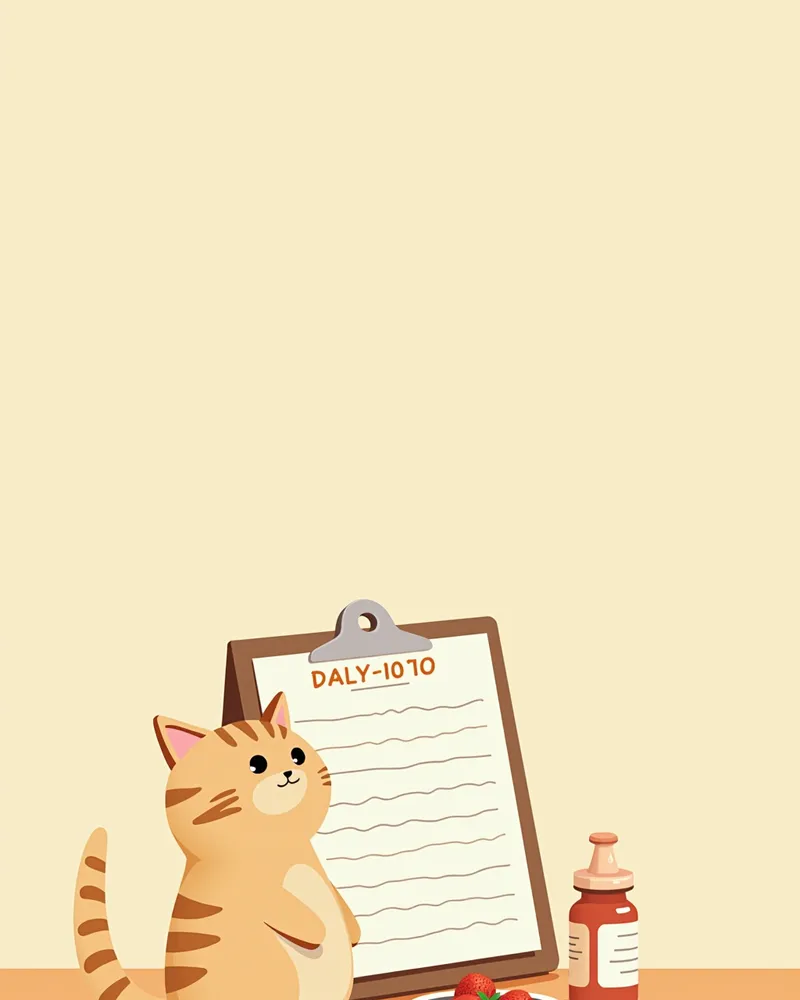
When implementing strategies to manage chemotherapy side effects, it’s important to closely monitor your cat’s response. Keep a daily record of changes in appetite, bowel movements, and activity levels. Before starting or changing any supplements or diets, consult with your veterinarian and observe your cat’s response over a set period to evaluate effectiveness together. If the new approach doesn’t suit your cat, symptoms such as vomiting, diarrhea, or lethargy may occur. If these signs appear, stop the treatment immediately and contact your veterinarian. Since management plans may need to be adjusted based on your cat’s condition, it’s essential to work flexibly with your vet to ensure the best care.
An image showing a notebook for recording a cat’s condition along with care products.

Reviewed by a veterinarian

Dr. Tony — Punnawat Phongkittirak

Dr. Tony — Punnawat Phongkittirak

Veterinarian

A veterinarian who majored in veterinary medicine at Khon Kaen University, Thailand, and completed the IVSA program at North Carolina State University in the United States. Drawing on clinical experience at animal hospitals, he works in the pet healthcare field and is dedicated to building a digital care environment that connects pet parents with veterinarians.

Frequently Asked Questions

When should you start preparing for managing the side effects of cancer treatment?
It’s a good idea to plan for managing side effects with your veterinarian before starting cancer treatment. However, since there’s no clear evidence that supplements can “prevent” side effects, it’s safer to manage them with supportive care under your vet’s guidance when they do occur.
Can the same approach be applied to all cats?
No. The appropriate care depends on the cat’s condition, age, type of disease, and the chemotherapy drug being used. It should be selected in consultation with a veterinarian to tailor it to the individual cat.
Is it safe to use supplements for a long time?
If you follow your veterinarian’s instructions, you can continue using it, but you should keep a close eye on your pet’s response, have regular check-ups, and work with your vet to make any necessary adjustments.
What should I do if it doesn’t work?
If the treatment is ineffective or side effects occur, stop using it immediately and consult your veterinarian. They may switch to an alternative approach or adjust the treatment plan accordingly.
Can supplements be taken at the same time as chemotherapy drugs?
Some supplements can interact with cancer medications, so it’s essential to consult your veterinarian before using them.

Share

Related Guides

References

[1] The Cat, Clinical Medicine and Management, 2nd Edition, 2012

[2] Jenna H. Burton, ASHP guidelines on handling hazardous drugs, Am J Health Syst Pharm, 2006

[3] O’Keefe DA et al., Systemic toxicity associated with doxorubicin administration in cats, J Vet Intern Med, 1993

This information is based on veterinary literature and does not replace diagnosis or treatment. Please consult a veterinarian for specific health concerns.

Metapet Co., Ltd. | CEO: Park Sung-yong | Business Reg. No. 417-88-02562 | Seoul, South Korea | Customer Center

7 Tips for Managing Cat Chemo Side Effects at Home, Vet-Backed | Meongsiljang