
7 Warning Signs and Management Points for Canine Brain Tumors Not to Miss, According to Veterinarians
Early detection and proper management significantly impact the survival period for dogs with brain tumors. It is important to choose a tailored management plan considering the breed, symptoms, and treatment options.
Early Detection of Canine Brain Tumors Is Key to Survival

Know This: Brain Tumor Management
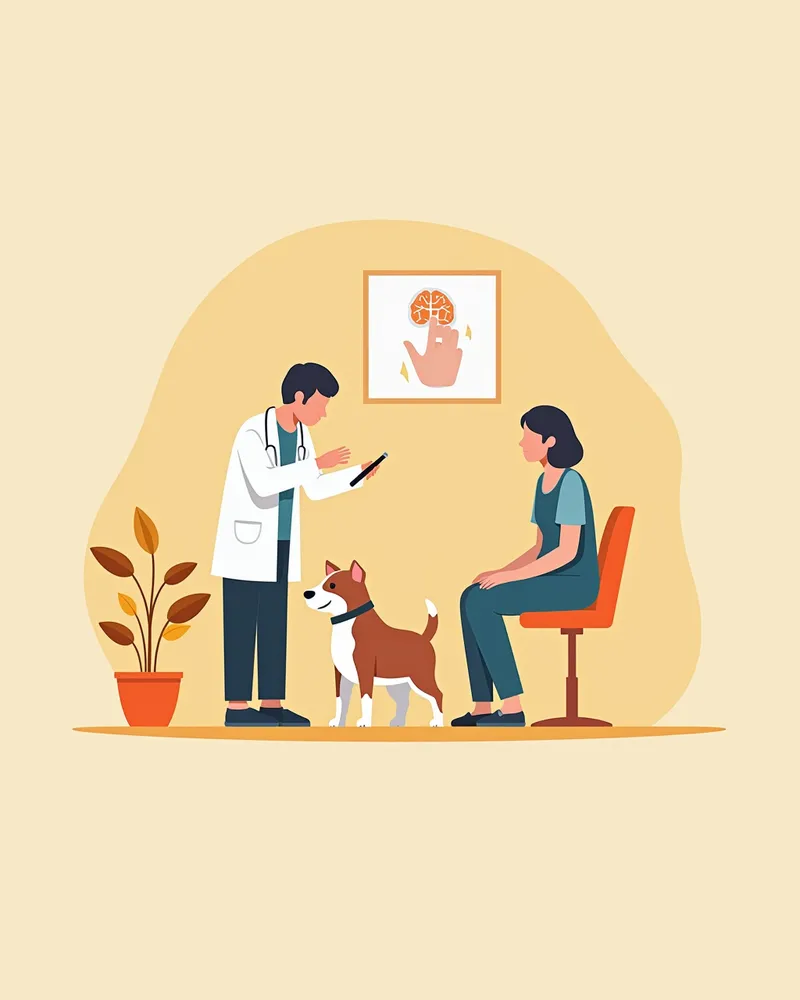
Know This 1: What Symptoms Do Brain Tumors Present With?

Know This 2: Know the Diagnosis and Treatment Options

Know This 3: Beware of Fake Products and Seek Professional Consultation

Points to Know About Brain Tumors
| Item | Key Points |
|---|---|
| Symptoms | Neurological signs such as seizures, behavioral changes, circling, balance disorders, and vision problems |
| Diagnosis | Neurological examination and advanced imaging such as MRI/CT |
| Treatment | Surgery, radiation, symptomatic (seizure) medication management; neurology/oncology specialist care |
| Caution | Do not delay diagnosis or treatment for fake products claiming 'brain cell regeneration' |
| Emergency | Go to the clinic immediately if seizures do not stop or consciousness declines |
This is not a table recommending specific products or clinics, but criteria to reference when consulting a veterinarian. Treatment and testing decisions must always be made together with a veterinarian through an examination.
Caution: Visit a Hospital Immediately If Suspected Brain Tumor Symptoms Appear
If your dog suddenly experiences seizures or disorientation, such as spinning in circles, these could be neurological symptoms indicating a brain abnormality. However, since these signs can also occur in other neurological conditions—not just brain tumors—accurate diagnosis is essential. If seizures persist or consciousness declines, seek immediate veterinary care without delay. Breeds like Boxers and Golden Retrievers have a known predisposition to brain tumors, with an average diagnosis age of around nine years. Therefore, if neurological symptoms appear in middle-aged or older dogs, prompt evaluation by a neurologist or oncology specialist is crucial.
5 Tips for Managing Canine Brain Tumors

Reviewed by a veterinarian

Dr. Tony — Punnawat Phongkittirak
VeterinarianA veterinarian who majored in veterinary medicine at Khon Kaen University, Thailand, and completed the IVSA program at North Carolina State University in the United States. Drawing on clinical experience at animal hospitals, he works in the pet healthcare field and is dedicated to building a digital care environment that connects pet parents with veterinarians.
Reviewed 2026-06-07
Frequently Asked Questions
Can brain tumors in dogs be treated?
Which breeds are more prone to brain tumors?
How are medication side effects managed during brain tumor treatment?
Is it possible to prevent brain tumors?
What are the benefits of brain health herbs?
Share
Related Guides

Comprehensive Guide to Recommended Hospice Care and Quality of Life Management for Cats with Tumors

7 Factors Determining Prognosis and Life Expectancy in Dogs with Tumors, According to Veterinarians

7 Key Management Points for Canine Transitional Cell Carcinoma (Bladder Cancer) Recommended by Veterinarians — From Symptoms to Care

7 Key Management Strategies for Feline Bile Duct Obstruction Highlighted by Veterinarians
Veterinarian-Recommended Top 5 for Managing Canine Renal Amyloidosis: Diets and Tests for Proteinuria

Top 7 PU/PD Management Products for Dogs Recommended by Veterinarians and How to Choose Them

6 Key Signs of Kidney Disease and High Blood Pressure in Dogs Emphasized by Veterinarians

7 Best Emergency Management Products for Cat Lily Nephrotoxicity Recommended by Veterinarians and Selection Criteria

Veterinarian’s Top 7 Management Products for Cat CKD Anemia (EPO Deficiency) and Selection Criteria

How Much Exercise Is Safe for Dogs with Weak Hearts? — 7 Guidelines for Safe Restrictions
References
[1] Clinical Medicine of the Dog and Cat, 4th Ed. (2023). Chapter 14: Intracranial Tumors in Dogs and Cats.
[2] Veterinary Surgical Oncology, 2nd Ed. (2021). Section on Canine Brain Tumors and Treatment Outcomes.
[3] American Veterinary Medical Association (AVMA). Guidelines for Cancer Care in Companion Animals (2022).