Like
Share
멍실장
고양이 폐동맥 협착 관리 추천 BEST와 고르는 기준 총정리

7 Key Management Strategies for Feline Pulmonary Artery Stenosis Explained by Veterinarians

HeartTop PicksMeongsiljang Veterinary Advisory Board

Feline pulmonary artery stenosis is a condition in which blood flow is restricted due to an abnormality in the heart’s structure, making early diagnosis and proper management essential. This article outlines effective management strategies and recommended products.

What Is Feline Pulmonary Artery Stenosis?
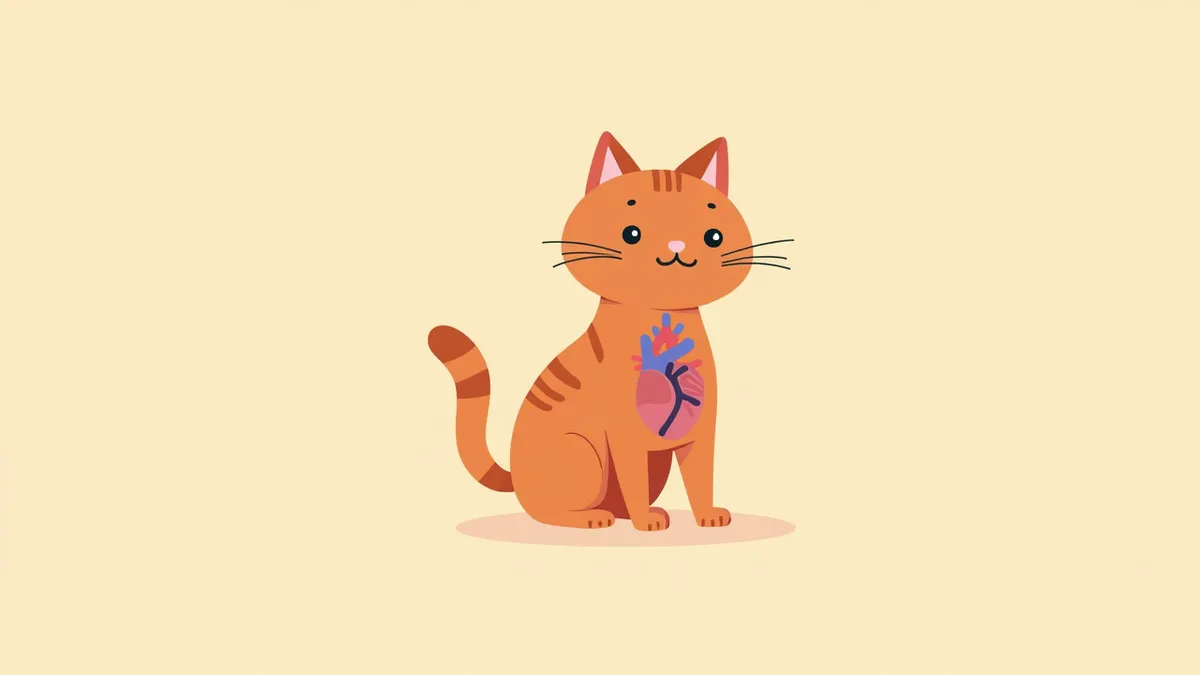
An anatomical image showing a narrowed pulmonary artery in a cat's heart.
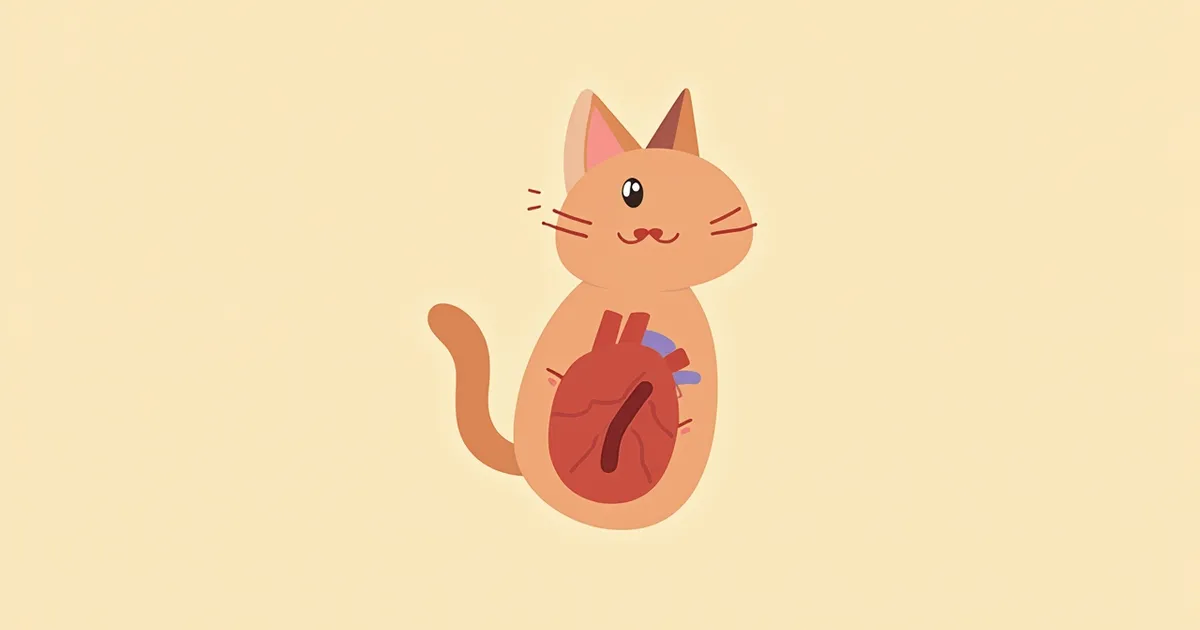
Feline pulmonary artery stenosis is a congenital heart condition in which narrowing of the pulmonary artery restricts blood flow from the heart to the lungs. Although relatively uncommon in cats, it may occur alone or in conjunction with other congenital defects, such as atrial or ventricular septal defects. Many cats live for long periods without noticeable symptoms, but as the condition progresses, it can place increasing strain on the heart. - Understanding cardiac strain: The narrowed pulmonary artery can increase pressure load on the right ventricle. - The importance of early detection: Even when symptoms are mild or absent, the condition may be identified through heart murmurs, making regular veterinary check-ups essential. - Need for long-term management: Depending on the severity, ongoing monitoring may be necessary. No clear predisposition by sex or breed has been reported in cats, and consulting with your veterinarian to monitor the condition can help ensure a stable, comfortable life for your pet.

Good to Know: Managing Feline Pulmonary Artery Stenosis

Feline pulmonary artery stenosis is a structural congenital defect, so supplements alone cannot widen the narrowed vessel. Actual treatment depends on the severity of the stenosis and is determined by your veterinarian through regular monitoring, balloon dilation, surgical correction, or symptomatic medication. If you are considering supplements, it is safest to use them only under veterinary guidance.
Verify active ingredients: Even if a supplement claims to support heart health, its actual efficacy requires veterinary evaluation.
Check for interactions: Work with your veterinarian to ensure there are no ingredients that may interact with prescribed medications.
Low-side-effect formulation: Choose a stable formulation that does not place undue stress on your cat’s liver and kidneys.
Evidence-based validation: Products backed by clinical data are the most reliable.
Suitability for long-term use: Consult your veterinarian to determine whether the product is safe for sustained, long-term administration.
A realistic image showing a cat taking a heart health supplement.

Good to Know 1: What Is the Condition and What Are the Symptoms?
Pulmonary stenosis is a congenital heart defect in which the pulmonary valve or the area surrounding it—through which blood flows from the heart to the lungs—is narrowed. Both valvular stenosis, where the narrowing occurs at the valve itself, and subvalvular stenosis, where it occurs below the valve, have been reported. Because blood cannot flow smoothly, pressure builds up in the right ventricle, which can lead to right-sided heart failure in severe cases. Symptoms may include exercise intolerance, easy fatigue, difficulty breathing, and abdominal distension due to fluid accumulation (ascites). Many cats have mild forms of the condition and may live for a long time without showing symptoms; however, if the disease progresses to congestive heart failure, the prognosis becomes guarded. Therefore, it is important to seek veterinary care immediately if you suspect any symptoms.
What is the condition and what symptoms are present? Related guide image

Good to Know 2: Diagnosis and Treatment Options

Diagnosis is made through a veterinarian’s auscultation, echocardiography (heart ultrasound), thoracic radiographs, and electrocardiography. Echocardiography is key to determining the location and severity of the stenosis. Treatment options depend on the degree of stenosis. In mild cases, regular monitoring may be sufficient, while in moderate to severe cases, balloon valvuloplasty or surgical correction is discussed with a board-certified veterinary cardiologist. Medications may be prescribed by a veterinarian to alleviate heart failure symptoms or manage arrhythmias.
What are the diagnostic and treatment options? Related guide image

Good to Know 3: Daily Care and Owner Precautions
Regular follow-up echocardiograms are necessary even after surgery or procedures, and you should never stop or change the dosage of prescribed medications without your veterinarian’s guidance. Avoid strenuous exercise and extreme stress. Unverified heart supplements or home remedies sold online lack proven efficacy and may actually strain the heart if used improperly. Seek immediate veterinary care if emergency symptoms such as difficulty breathing, pale gums or lips, or fainting occur. Always consult your veterinarian before making any treatment decisions.
Guidance image on daily care and precautions for pet owners

What Owners Should Know About Feline Pulmonary Artery Stenosis

ItemKey Points
ConditionA congenital heart malformation in which the area around the pulmonary valve narrows
SymptomsExercise intolerance, difficulty breathing, ascites, syncope
DiagnosisConfirmed by echocardiography, chest radiography, and auscultation
TreatmentMonitoring for mild cases; balloon valvuloplasty or surgical correction for moderate or more severe cases
CautionAvoid unverified supplements; visit a veterinarian immediately in case of emergency symptoms

This is not a table recommending specific products or clinics, but criteria to reference when consulting your veterinarian. Always make treatment and testing decisions together with your veterinarian through an examination.

Precautions: Do Not Overdose

Cardiac supplements can cause side effects if overdosed without a veterinarian’s prescription. Extra caution is especially needed for cats with compromised liver function. Always adhere strictly to the recommended dosage, and visit your vet immediately if any unusual symptoms appear.

Usage Tips: Checklist for Managing Feline Pulmonary Artery Stenosis

Here are some practical tips for managing feline pulmonary artery stenosis. Consistent care is key to maintaining a stable condition.
Regular check-ups: Follow your veterinarian’s recommended schedule for follow-up tests, such as echocardiograms.
Activity management: Avoid excessive exercise and maintain a calm environment.
Minimize stress: Introduce new environments or interactions with other animals gradually.
Dietary care: Prevent obesity and maintain a balanced diet, but always consult your veterinarian before making any dietary changes.
Medication management: Adhere strictly to your veterinarian’s instructions to ensure accurate dosing.
Monitor for abnormal symptoms: Seek immediate veterinary care if you notice difficulty breathing, fainting, or lethargy.
Checklist image for managing feline pulmonary artery stenosis

Reviewed by a veterinarian

Dr. Tony — Punnawat Phongkittirak

Dr. Tony — Punnawat Phongkittirak

Veterinarian

A veterinarian who majored in veterinary medicine at Khon Kaen University, Thailand, and completed the IVSA program at North Carolina State University in the United States. Drawing on clinical experience at animal hospitals, he works in the pet healthcare field and is dedicated to building a digital care environment that connects pet parents with veterinarians.

Frequently Asked Questions

Is feline pulmonary artery stenosis treatable?
The approach depends on the severity of the stenosis. Mild cases may only require regular monitoring, while moderate to severe cases may be candidates for balloon dilation or surgical correction. Many cats live well into maturity, but the prognosis becomes guarded if congestive heart failure develops, so treatment decisions should be made in consultation with your veterinarian.
When should I start giving the supplement?
Supplements don’t treat the underlying pulmonary artery stenosis. Always consult your veterinarian to determine whether and when to use them, and monitor your pet’s progress through regular check-ups.
Are natural supplements safer?
Just because a diet is labeled “natural” doesn’t mean it’s safer or guaranteed to be effective. Since efficacy and safety require a veterinarian’s assessment, please consult with your vet before choosing one.
My cat won’t eat its supplements. What should I do?
You can switch to a liquid or powder form, or mix it into your pet’s food. However, it’s always best to consult with your veterinarian before starting any supplement.
What symptoms appear when pulmonary artery stenosis becomes severe?
Your pet may struggle with exercise, experience difficulty breathing, abdominal distension due to fluid accumulation, and lethargy. If congestive heart failure develops, the prognosis becomes guarded, so it is essential to visit a veterinary clinic immediately if you notice these symptoms.

Share

Related Guides

References

[1] The Cat, Clinical Medicine and Management, 2nd Edition, 2020

[2] Textbook of Cardiovascular Medicine in Dogs and Cats, 2018

[3] Small Animal Critical Care Medicine, 3rd Ed, 2021

This information is based on veterinary literature and does not replace diagnosis or treatment. Please consult a veterinarian for specific health concerns.

Metapet Co., Ltd. | CEO: Park Sung-yong | Business Reg. No. 417-88-02562 | Seoul, South Korea | Customer Center

7 Key Tips for Managing Feline Pulmonary Artery Stenosis | Meongsiljang