
Like
Share
멍실장
강아지 심장 수술 후 회복 중인 모습

7 Key Post-Heart Surgery Recovery Care Tips for Dogs, as Recommended by Veterinarians

HeartTop PicksMeongsiljang Veterinary Advisory Board

We’ve compiled the best products and care standards to support your dog’s recovery after heart surgery. Learn about the key factors that can improve post-surgery survival rates and quality of life.

Care for Dog Heart Surgery (Valve Repair and PDA Ligation) Determines Survival Rates
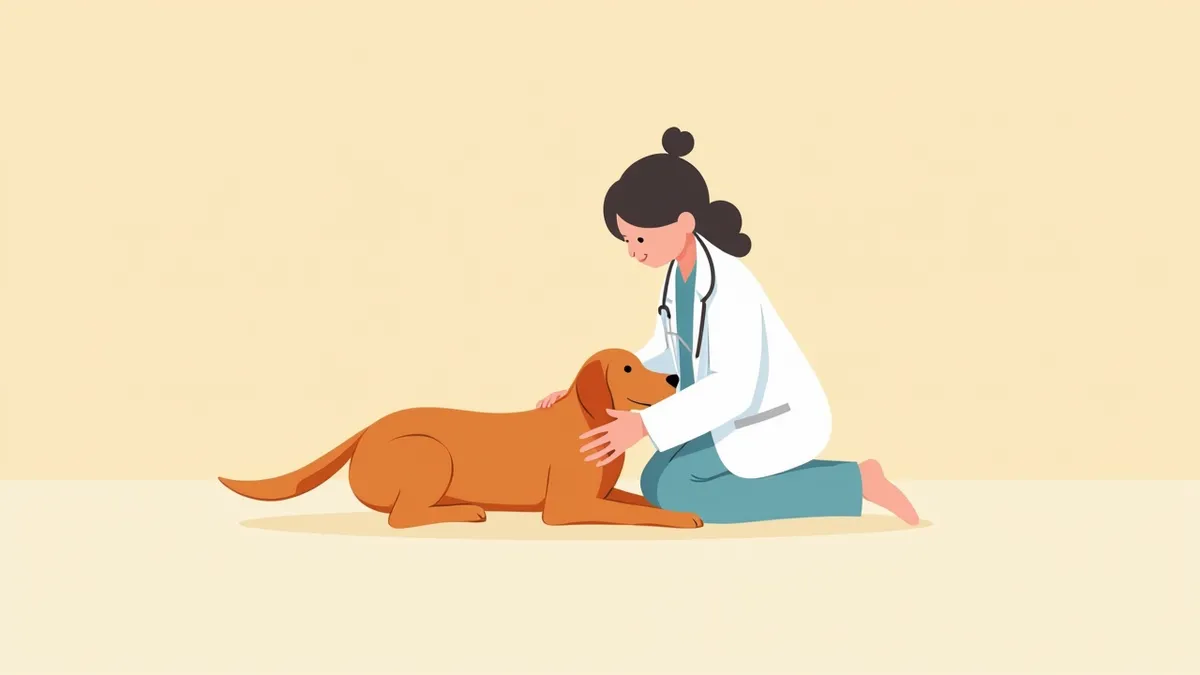
A veterinarian examining a puppy recovering from heart surgery
Postoperative care is crucial for your dog’s recovery after heart surgery. Following structural corrective procedures such as patent ductus arteriosus (PDA) ligation or valve repair, meticulous attention is required for pain management, infection prevention, and monitoring cardiac function. Although PDA ligation performed by an experienced surgeon is associated with low complication rates and high success, rare complications such as surgical site infections or ductal rupture can occur; therefore, rest and close monitoring are recommended for a specific period after surgery. In cases of severe functional impairment, medication may be necessary before and after surgery. Always follow your veterinarian’s instructions for medication and dietary management, and regularly monitor your dog’s heart condition to support long-term recovery and quality of life.

Good to Know: Points to Check Before Heart Surgery
When deciding on heart surgery for your dog and planning post-operative care, it’s helpful to discuss the following points with your veterinarian. There is no clear evidence that supplements or specific products improve surgical outcomes, so it’s safer to focus on accurate diagnosis, appropriate indications for surgery, and proven management methods rather than relying on products. Here are key criteria to help guide your decision:
Accurate Diagnosis: Confirm whether a precise diagnosis has been made using tools such as echocardiography to determine if surgery is truly necessary.
Surgical Indications: Ensure that the condition, such as a hemodynamically significant left-to-right shunt, meets the criteria for recommended surgical correction.
Risk Assessment for Complications: Receive thorough explanations of potential but rare complications, such as infection or arterial rupture.
Pre- and Post-Operative Medication Plan: Verify whether medication management, including diuretics or vasodilators, will be used alongside surgery if needed.
Experienced Medical Team: Choose a veterinarian or hospital with extensive experience in cardiovascular surgery for safer outcomes.
Dog food package for heart health

Good to Know 1: What Is Heart Surgery and When Is It Considered?
PDA ligation is a surgical procedure that ties off the patent ductus arteriosus, a blood vessel that should close before birth but remains open. Valve repair surgery corrects issues where heart valves fail to close properly. These procedures are considered for congenital heart defects or specific valve diseases to halt disease progression or improve symptoms. However, not all heart conditions require surgery, and many can be managed with medication. Therefore, it is essential to undergo a thorough diagnosis and consult with your veterinarian to determine the most appropriate treatment plan.
Heart Recovery Support Supplement Bottle

Good to Know 2: Precise Diagnosis and Preoperative Evaluation Are Essential

Heart surgery is decided after accurately assessing the heart’s structure and function through echocardiography, along with a comprehensive evaluation using chest imaging and electrocardiograms. Given the high complexity of the procedure and anesthesia risks, it’s crucial to carefully consider the patient’s overall health and suitability for anesthesia. For safety, seek treatment at a specialized clinic equipped with advanced diagnostic tools and expertise in cardiac surgery and anesthesia. Make sure you receive a thorough explanation of the diagnosis and the necessity of surgery before proceeding.
Recovery food bowl for dogs after heart surgery

Good to Know 3: Risks and Postoperative Care Require Consultation with a Cardiology Specialist

Heart surgery carries a risk of complications, and postoperative care often requires regular monitoring of heart function and ongoing medication management. It’s important to understand that surgery isn’t a one-time fix, but rather one component of long-term heart care. Given the complexity of these procedures, it’s best to consult with a veterinarian experienced in cardiovascular medicine or a specialty referral center to fully weigh the benefits and risks before making a decision.
Herbal supplement to help reduce stress after surgery

What Pet Owners Should Know About Heart Surgery

ItemKey points
Surgery overviewStructural correction such as PDA ligation (tying off the remaining ductus arteriosus) and valve repair
Indication assessmentDecide with the veterinarian after precise diagnosis whether it is a surgical case or requires medical management
Preoperative evaluationCareful evaluation of echocardiography, imaging, ECG, and anesthesia eligibility
Risk and aftercareRisk of complications; regular follow-up and medication management may still be needed afterward
ConsultationA high-difficulty surgery; consult a cardiology specialist veterinarian or referral hospital

This is not a table recommending specific products or hospitals, but a reference for when consulting a veterinarian. Always make treatment and testing decisions together with a veterinarian through an examination.

Caution: Overdose and Drug Interactions Are Dangerous

Always follow your veterinarian’s instructions for dosage when using heart medications or supplements. In particular, combining certain heart drugs, such as beta-blockers or calcium channel blockers, can have additive effects on atrioventricular conduction, potentially leading to severe bradycardia or complete heart block. Additionally, some herbal supplements like hawthorn are not recommended because they may worsen cardiotoxicity, and combining them with anticoagulants can increase the risk of bleeding. Be sure to inform your veterinarian about all medications and supplements your pet is taking. If you notice any unusual symptoms, such as vomiting, lethargy, or difficulty breathing, stop the medication immediately and visit the clinic.

Usage Tips: 4 Practical Tips for Successful Postoperative Care

Here are some practical tips to help you safely manage your dog’s care after heart surgery. We’ll cover everything from medication administration to environmental adjustments, all based on veterinary guidance.
Adhere to the prescribed schedule: It’s most important to strictly follow the medication schedule and dosage set by your veterinarian.
Do not make unauthorized changes: Never add or stop supplements or medications on your own. Always consult your veterinarian before making any changes.
Provide a restful environment: Ensure your dog can rest comfortably in a quiet, warm space.
Regularly monitor weight and condition: Keeping track of changes in weight and appetite can help you assess recovery progress and any changes in heart health.
Schedule regular follow-up exams: It’s recommended to have your dog’s heart condition regularly monitored and evaluated even after surgery.
A dog with a calendar for regular post-surgery check-ups

Reviewed by a veterinarian

Dr. Tony — Punnawat Phongkittirak

Dr. Tony — Punnawat Phongkittirak

Veterinarian

A veterinarian who majored in veterinary medicine at Khon Kaen University, Thailand, and completed the IVSA program at North Carolina State University in the United States. Drawing on clinical experience at animal hospitals, he works in the pet healthcare field and is dedicated to building a digital care environment that connects pet parents with veterinarians.

Frequently Asked Questions

When should I start giving supplements after surgery?
There’s no one-size-fits-all timeline. The right time depends on your dog’s individual health and the type of surgery, so it’s safest to consult your veterinarian to determine when to start and whether it’s necessary.
Will giving supplements enhance the surgical outcome?
There is no clear evidence that supplements improve surgical outcomes or success rates. The key to recovery lies in precise surgery and following your veterinarian’s instructions for medications and care, so it’s best not to rely on supplements without professional guidance.
Can I recommend the same supplement for all dogs?
No. Whether it’s suitable depends on your dog’s condition, current medications, and medical history. Please consult with your veterinarian before making a choice.
Is it safe to give my pet supplements for more than a year?
It’s difficult to make a blanket statement about the safety of long-term use. It’s best to regularly consult with your veterinarian to assess whether continued use is necessary.
Can supplements have adverse effects on dogs?
Yes, it’s possible. Certain herbal supplements or ingredients, such as hawthorn, can worsen cardiac toxicity or interact with heart medications. Inform your veterinarian about any medications your pet is currently taking, and if you notice any unusual symptoms, discontinue use and consult your vet.

Share

Related Guides

References

[1] Fossum TW. Preoperative and intraoperative care of the surgical patient. In: Fossum TW, Duprey LP, O’Connor D, editors. Small animal surgery. 3rd ed. Boston, MA: Elsevier; 2007.

[2] Hosgood G, Scholl DT. Evaluation of age as a risk factor for perianesthetic morbidity and mortality in the dog. J Vet Emerg Crit Care. 1998;8(3):222-36.

[3] Reader RC, McCarthy RJ, Schultz KL, et al (2020) Comparison of liposomal bupivacaine and 0.5% bupivacaine hydrochloride for control of postoperative pain in dogs undergoing tibial plateau leveling osteotomy. J Am Vet Med Assoc 256:1011–19.

This information is based on veterinary literature and does not replace diagnosis or treatment. Please consult a veterinarian for specific health concerns.

Metapet Co., Ltd. | CEO: Park Sung-yong | Business Reg. No. 417-88-02562 | Seoul, South Korea | Customer Center

7 Vet-Recommended Post-Heart-Surgery Recovery Tips for Dogs | Meongsiljang