Like
Share
멍실장
고양이 안약 투여 방법 관리 추천 BEST와 고르는 기준 총정리

7 Best Management Tools to Make Eye Drop Administration Easier for Cats Who Resist

Eye HealthTop PicksMeongsiljang Veterinary Advisory Board

Administering eye drops to cats can be challenging, but choosing the right method and tools makes it much easier. In this article, we’ll provide a clear overview of effective administration techniques and recommended products.

How to Administer Eye Drops to Cats
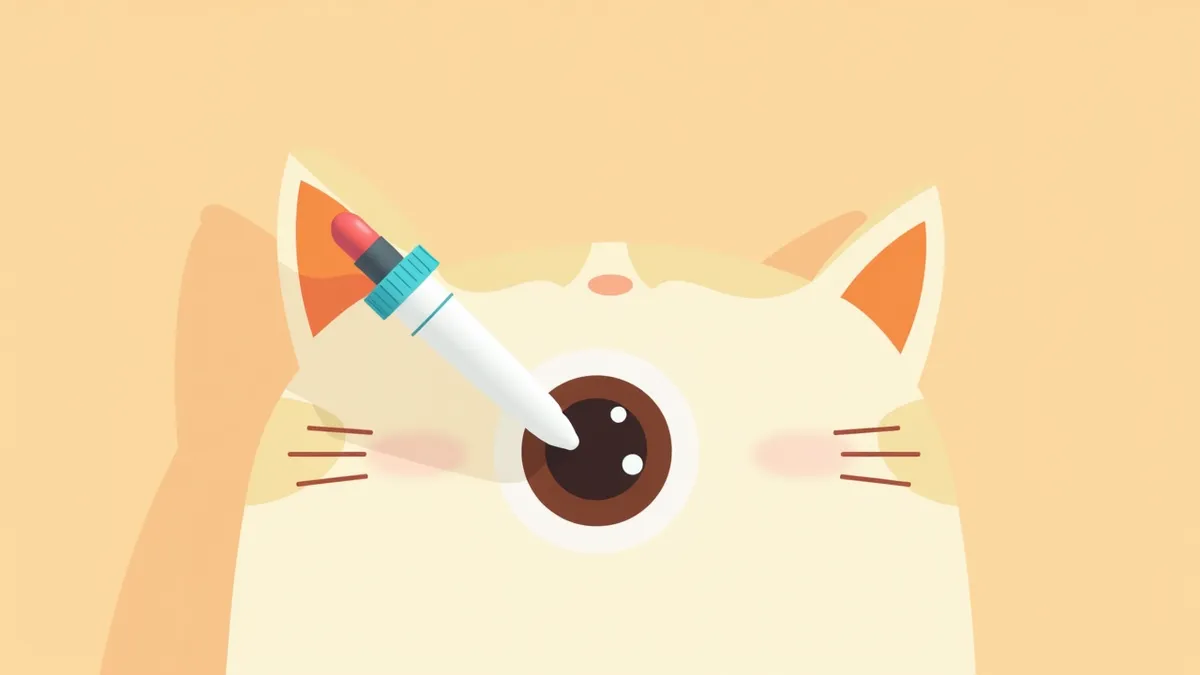
A scene showing preparation before administering eye drops to a cat.
Administering eye drops to cats is a key skill for reducing stress for both you and your pet. Choosing the right technique and tools can significantly lower the chance of failed administration. For cats with sensitive eye areas, it’s important to approach them slowly in a quiet environment.
Preparation before administering eye drops: Keep your cat calm and wash your hands thoroughly. Before applying the medication, check your cat’s eyes for any redness or discharge. If you notice these symptoms, consult your veterinarian.
Timing of eye drop administration: Speak softly to your cat before administering the drops to help them stay relaxed. Afterward, reward them with praise and treats.

Key Summary: How to Properly Administer Eye Drops

To improve the success rate of administering eye drops to your cat, proper preparation and technique are key. Be sure to check the following four criteria.
Accurate dosage control: You must be able to administer exactly one drop at a time. Using more than prescribed does not increase effectiveness; instead, overdosing can cause irritation or side effects.
Secure grip and stability: The tool should have a non-slip design that fits comfortably in your hand. It must remain steady even if your cat moves, preventing the tip from touching the eye or eyelashes, which could contaminate the medication or injure the eye.
Understanding how the medication works: Drug absorption does not occur because a tool "pierces" the tear film. The eye has complex protective structures, such as the blood-ocular barrier, which limit drug penetration. Absorption also varies depending on the condition of the corneal and conjunctival surfaces and the specific disease. Therefore, it is important to place a single drop accurately into the lower conjunctival sac, and actual absorption depends on the prescribed medication and the condition of the eye.
Ease of cleaning: The tool should be easy to clean after use. It must be cleaned after every use to prevent bacterial contamination.
A comparison of four types of tools for administering eye drops to cats

Key 1: Preparation Before Instillation and Proper Positioning
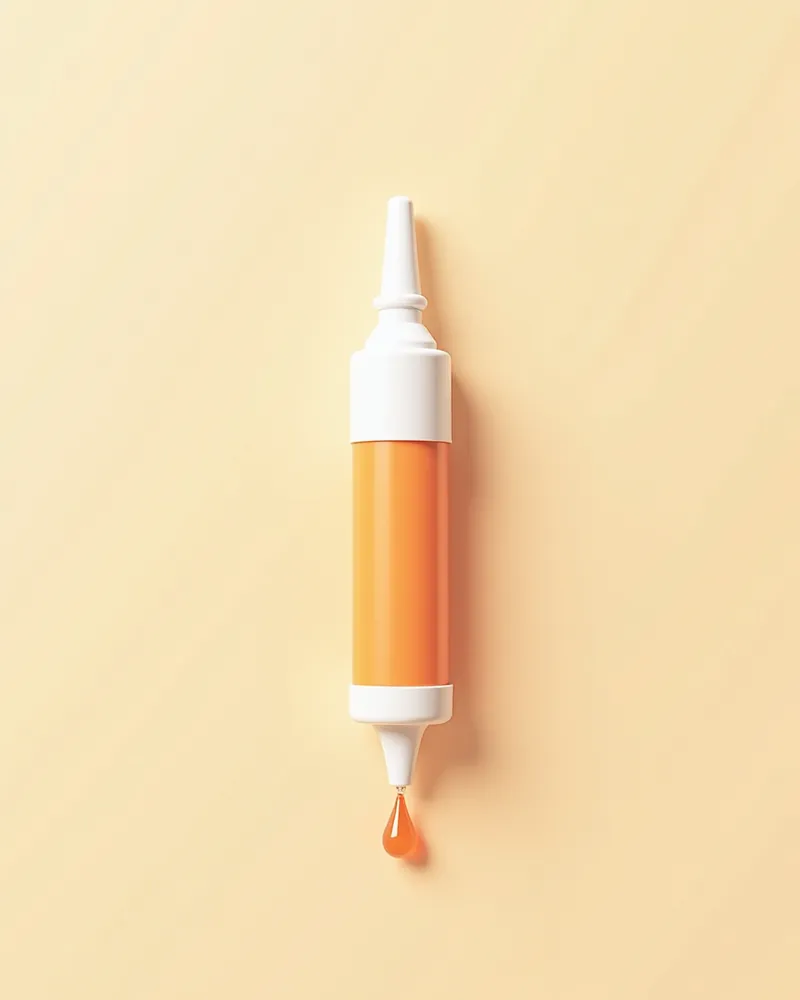
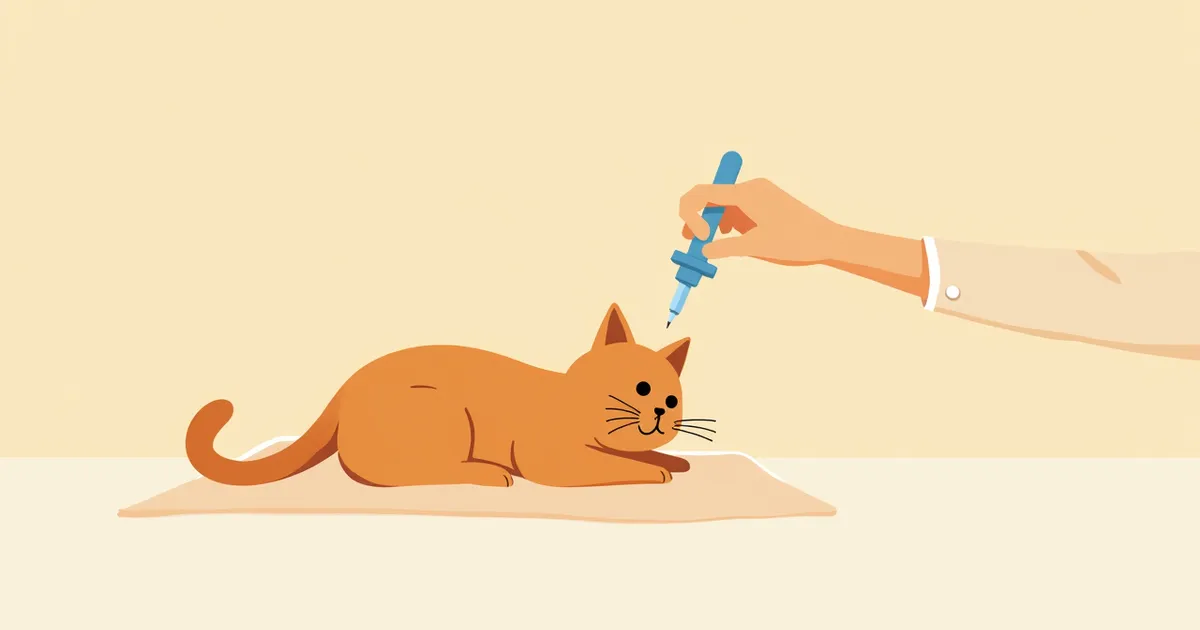
Before applying eye drops, wash your hands thoroughly and gently wipe away any discharge around the eyes with clean gauze. Place your cat on your lap or a stable surface, and gently support their head from behind to keep it steady, which makes administration easier. With one hand, gently lift the upper eyelid, and with the other, instill the drops. It is crucial to avoid letting the tip of the bottle touch the eye or eyelashes, as this can contaminate the medication or injure the eye.
Image showing instructions on how to prepare and position your pet correctly before administering eye drops

Key 2: Follow the Order and Interval for Multiple Eye Medications
When using two or more types of eye medications, it is generally recommended to apply liquid eye drops first and ointments later, with about a five-minute interval between each application. Applying them too close together can wash away the previously administered medication, reducing its effectiveness. The exact order, timing, and frequency may vary depending on the prescription, so please follow your veterinarian’s instructions. Store medications according to the specified guidelines, and do not use any that have passed their expiration date.
When using multiple eye drops, follow the correct order and spacing. See the related guide image.

Key 3: Handling Resistant Cats and Consulting Your Veterinarian
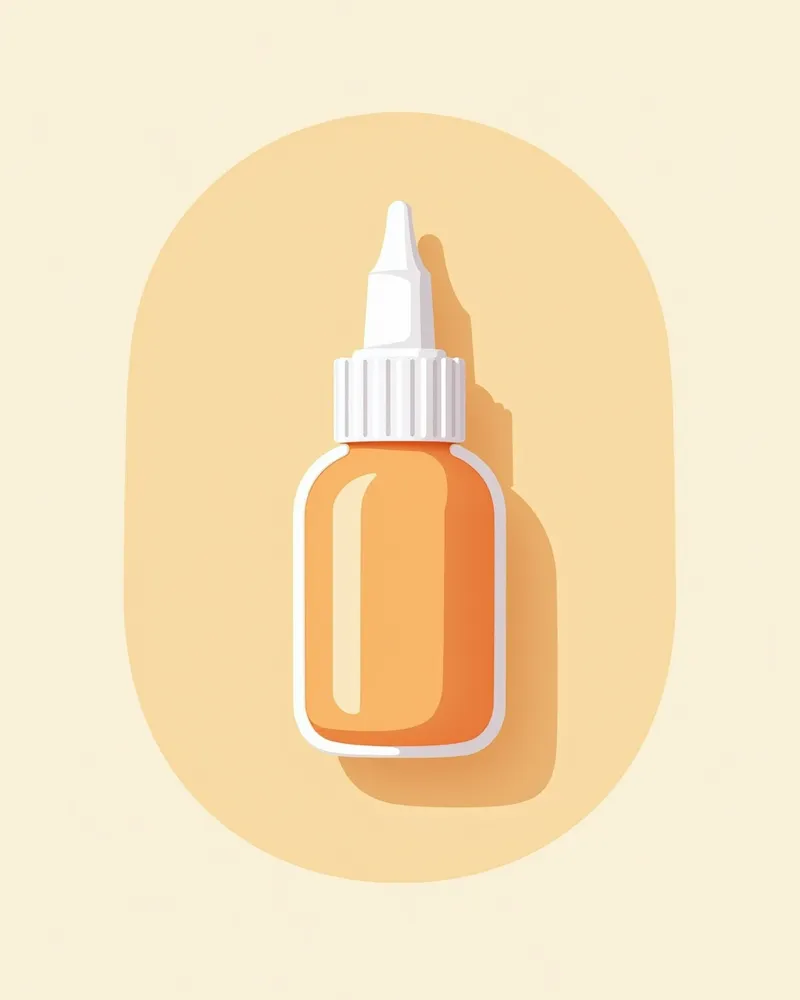
For cats who resist eye drops, gently wrapping them in a towel can help calm them and make administration much easier. Rather than forcing the process, keep it brief and calm, and reward your cat with praise or a treat afterward to create a positive association, making future applications smoother. If your cat rubs their eyes excessively or experiences increased redness or pain after using the drops, the medication may not be suitable or there could be another underlying issue—consult your veterinarian. If you’re having trouble administering the drops, don’t hesitate to ask your vet to demonstrate the technique in person.
How to handle a cat that refuses treatment and when to consult your veterinarian. Related guide image.

Key Points to Remember for Eye Drop Administration

ItemKey Points
Preparation & PositioningWash hands and wipe eye discharge; secure the head and keep the container tip from touching the eye
Order & IntervalLiquid drops first, ointment later; wait 5 minutes between medications
Following the PrescriptionFollow the order and frequency as prescribed; observe storage instructions and expiration dates
Handling RefusalWrap in a towel to calm; finish quickly and reward with a treat
ConsultationConsult a veterinarian for worsening rubbing, redness, or pain, or difficulty administering

This is not a table recommending specific products or devices, but the key points to reference for home care. Always consult a veterinarian for interpreting measurements and making treatment decisions.

Caution: Incorrect Administration Methods Can Damage the Eye

Dropping eye medication directly onto the eye can cause your cat to blink or move, preventing the medicine from entering properly. If the medication doesn’t reach the eye, its effectiveness decreases, and repeated attempts may irritate the eye. Always administer the drops into the lower tear sac.

Usage Tips: How to Administer Eye Drops with Your Cat
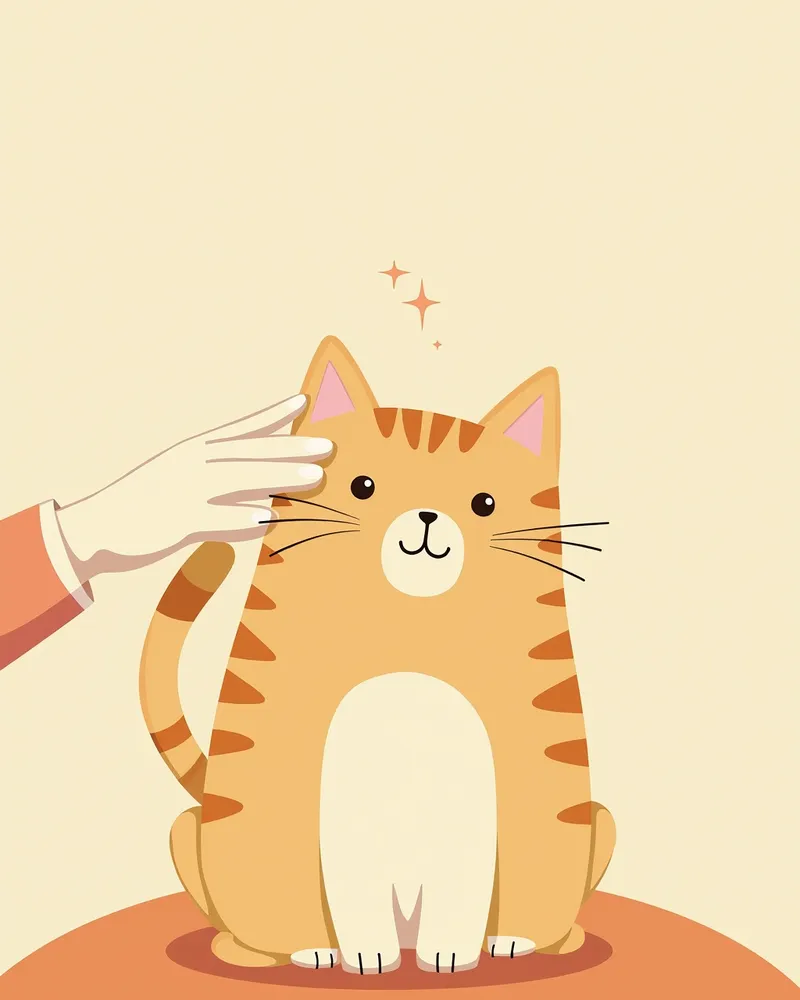
Administering eye drops to your cat is more than just a simple procedure; it’s an opportunity to build trust with your feline friend. Follow these tips for a smoother experience:
Start in a quiet environment: Choose a calm, quiet space where your cat feels relaxed. Noise or sudden movements can cause stress.
Use a gentle tone: Speak to your cat in a soft, friendly voice. A tense cat will make the process more difficult.
Reward with treats: After administering the drops, give your cat a favorite treat. This helps create a positive association with the experience.
Practice regularly: Gradual daily practice will help your cat become more comfortable. At first, you can practice without the medication, using just your hands to simulate the process.
A pet owner praising their cat after administering eye drops

Reviewed by a veterinarian

Dr. Tony — Punnawat Phongkittirak

Dr. Tony — Punnawat Phongkittirak

Veterinarian

A veterinarian who majored in veterinary medicine at Khon Kaen University, Thailand, and completed the IVSA program at North Carolina State University in the United States. Drawing on clinical experience at animal hospitals, he works in the pet healthcare field and is dedicated to building a digital care environment that connects pet parents with veterinarians.

Frequently Asked Questions

Is it okay to drop eye drops directly onto the eye?
No. If you drop the medication directly onto the eye, your cat may blink or move, preventing the medicine from being properly absorbed. It must be administered into the lower conjunctival sac.
What should I do if my pet’s eyes become red after administering eye drops?
Temporary redness is a common reaction. However, if it persists or worsens, please consult your veterinarian, as it could be a side effect.
Should eye drops be administered multiple times a day?
Administer the medication according to the frequency and timing specified by your veterinarian. Overdosing can cause adverse side effects.
How should I clean the eye drop applicator?
After use, wash thoroughly with warm water and a neutral detergent. Store only after it has completely dried. To prevent bacterial contamination, clean it after every use.
What should I do if my cat struggles when I’m trying to administer eye drops?
Keep your cat calm and gently hold its paw still. If needed, have another person assist you.

Share

Related Guides

References

[1] Feline Emergency and Critical Care Medicine, 2nd Ed. (2023). Chapter 8: Ophthalmic Medication Administration in Cats. Wiley Blackwell.

[2] The Cat, Clinical Medicine and Management, 2nd Edition. (2022). Section 12.3: Topical Ophthalmic Drug Delivery. Elsevier.

[3] American Association of Feline Practitioners (AAFP). (2021). Feline Ophthalmic Care Guidelines. Journal of Feline Medicine and Surgery, 23(5), 401–415.

This information is based on veterinary literature and does not replace diagnosis or treatment. Please consult a veterinarian for specific health concerns.

Metapet Co., Ltd. | CEO: Park Sung-yong | Business Reg. No. 417-88-02562 | Seoul, South Korea | Customer Center