Like
Share
멍실장
강아지 구강 세균과 전신 질환 관리 추천 BEST와 고르는 기준 총정리

Top Recommendations and Selection Criteria for Managing Your Dog’s Oral Bacteria and Systemic Diseases

Oral HealthTop PicksMeongsiljang Veterinary Advisory Board

Your dog’s oral bacteria are closely linked not only to dental disease but also to systemic conditions such as heart disease, diabetes, and kidney disease. We’ve compiled the key criteria for choosing effective care products and our top three recommendations in one easy-to-read guide.

Managing Oral Bacteria in Dogs Is the First Step to Protecting Systemic Health

A puppy chewing on a dental health treat
Dental bacteria in dogs can lead to more than just tooth and gum problems. When oral bacteria enter the bloodstream, they can cause bacteremia or sepsis, linking oral health to overall systemic health [E3]. Additionally, systemic diseases such as diabetes are known to influence the progression and severity of periodontal disease, highlighting the close connection between oral and systemic health [E7]. Advanced periodontal disease can also result in serious local complications, such as jaw fractures or damage around the eyes [E4]. Therefore, regular oral care is essential not only for eliminating bad breath but also for maintaining your dog’s quality of life. As dogs age, oral health care becomes even more critical, and establishing daily home care routines like brushing can significantly help control plaque buildup [E1]. - Plaque Management: Reducing plaque accumulation through daily home care, such as brushing, is key to preventing periodontal disease [E1]. - Gum Protection: Redness, swelling, or bleeding during brushing are early signs of periodontal disease, so monitor your dog’s gums with consistent care [E4]. - Systemic Health Maintenance: Oral bacteria that spread through the bloodstream can lead to bacteremia or sepsis, making oral hygiene crucial [E3].

Criteria for Choosing Products to Manage Oral Bacteria in Dogs
When choosing a product to manage oral bacteria in dogs, it’s important to consider factors such as ingredients, effectiveness, safety, and convenience. Look for products containing ingredients recommended by veterinarians, and make sure the form is easy for your dog to consume. It’s also essential to ensure the product is safe for long-term use and free from side effects.
Ingredient Stability: Opt for products with ingredients that have been scientifically validated in veterinary medicine.
Long-Lasting Effectiveness: Choose products that maintain their effectiveness with just one daily use.
Taste and Texture: The flavor and texture should be appealing enough that your dog doesn’t reject them.
Ease of Use: Prefer products that don’t leave residue on the chin or have a strong odor.
Safety: Select products that are free from side effects even if accidentally overconsumed.
Comparison of Three Dog Dental Care Products

BEST 1: Premium Dental Cleaner Capsules
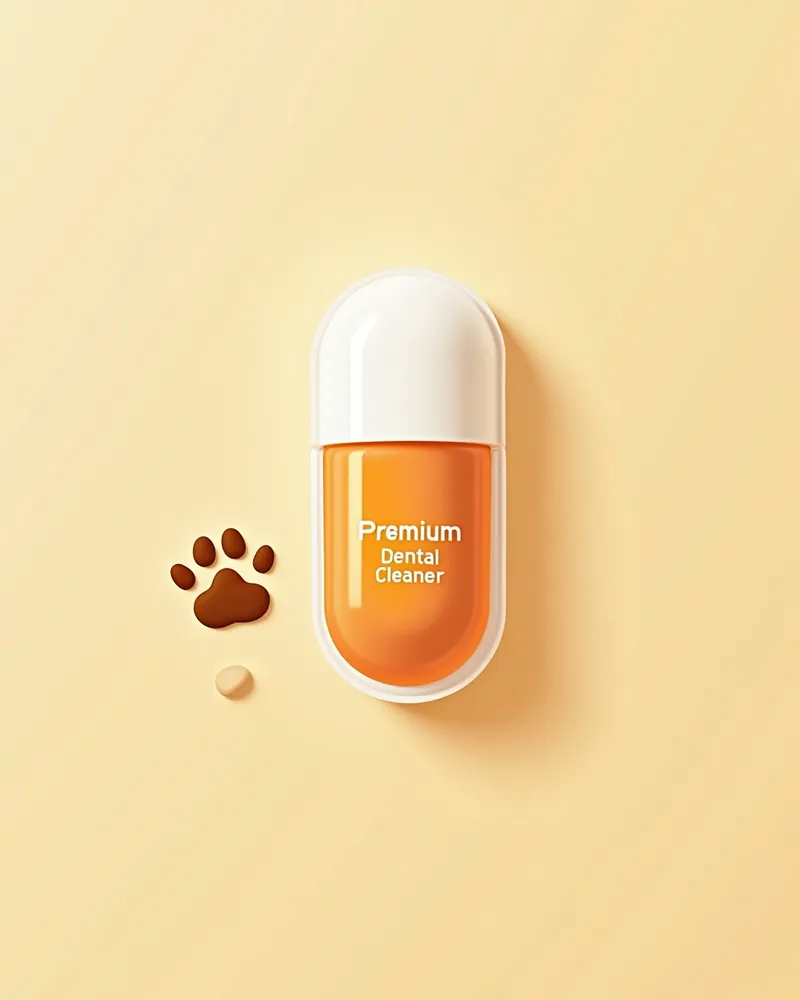
This product contains chlorhexidine, an ingredient known for its antibacterial properties, which can help inhibit oral bacteria [E16]. - Chlorhexidine: Chlorhexidine is a bactericidal agent used to suppress bacterial growth [E16]. However, please remember that the cornerstone of home care remains daily brushing to manage plaque [E1]. - Glucosamine: There is no veterinary evidence to support the claim that glucosamine strengthens gum tissue. Therefore, it is best to maintain gum health through regular dental care rather than relying solely on this product [E1]. The soft capsule format is relatively easy for dogs to swallow, and its near-absence of scent makes it convenient to use. Nevertheless, no product can completely replace daily brushing and regular professional dental cleanings [E1]. Senior dogs with weaker gums, in particular, require regular oral examinations.
Premium Dental Cleaner Capsules

BEST 2: Natural Ingredient Dental Treats

Chew treats can help reduce plaque and tartar buildup on your dog’s teeth while they chew. Studies show that various chewing activities can gradually decrease tartar, plaque, and gum inflammation [E11][E15]. However, the claim that certain ingredients (e.g., garlic extract) inhibit oral bacteria or are safe has not been substantiated by the provided veterinary evidence, so always confirm ingredient safety with your veterinarian before feeding. Chew treats should be used as a supplement to daily tooth brushing and regular professional care [E1]. - Teeth-cleaning effect: Chewing physically scrubs the tooth surface, helping to reduce plaque and tartar formation [E11]. - Ingredient verification needed: Check the label for artificial additives, potential allergens, or ingredients unsuitable for dogs, and consult your veterinarian. - Supplementary use: Treats alone are insufficient; daily tooth brushing to manage plaque is essential [E1]. - Considerations for senior dogs: Softer-textured products place less strain on the jaw, but suitability varies depending on dental condition, so confirm through regular check-ups.
Natural ingredient dental treat products

BEST 3: Dental Cleaning Spray

This spray is designed to be applied directly into your dog’s mouth. While it can help reduce bad breath, please note that there is no veterinary evidence to support the claim that its natural herbal ingredients inhibit oral bacteria; therefore, it should be used only as a supplementary care aid. The cornerstone of oral hygiene remains daily plaque control through brushing and regular professional dental cleanings [E1]. Use the spray as a backup when brushing is difficult, and discontinue use if your dog resists it or shows signs of irritation in the mouth. It’s convenient for light maintenance after walks or meals, and its portable design allows you to use it anywhere in the home.
Dog Dental Cleaning Spray Product

Comparison Table of BEST 1–3 Products

ItemPremium CapsuleNatural TreatSpray
Main IngredientsChlorhexidine (antibacterial ingredient), glucosamineNatural treat with a chewy texture (ingredient safety requires veterinarian confirmation)Natural herb extracts (insufficient evidence for oral antibacterial effect)
UsageTake 1 tablet a dayFeed 1–2 pieces dailySpray 1–2 times a day
ProsChlorhexidine has a germicidal action and is used to inhibit bacteria[E16]Helps physically reduce plaque and tartar while chewing[E11]Ready to use immediately, easy to carry
ConsIt cannot replace brushing and professional scaling[E1]Ingredient safety requires veterinarian confirmation (be cautious of some ingredients such as garlic)The evidence presented for oral bacterial inhibition is insufficient

No product can replace daily brushing and regular professional scaling. Always consult a veterinarian regarding ingredient safety and usage[E1].

Caution: Avoid Excessive Use

Using oral care products excessively can irritate your dog’s mouth. In particular, avoid using sprays or capsules more than once or twice a day, and stop immediately if your dog shows signs of discomfort, such as pawing at its mouth or refusing the product. If you suspect any adverse effects, consult your veterinarian.

Tips for Managing Your Dog’s Oral Health

Maintaining your dog’s oral health relies heavily on consistent daily care habits. The most effective approach is daily brushing, as regular brushing has been shown to reduce tartar buildup, gum inflammation, and damage to periodontal tissues [E19]. If brushing is challenging, you can supplement with chew treats, but these do not completely replace brushing [E1]. It is also important to have regular oral examinations by a veterinarian and to undergo professional scaling under anesthesia when necessary. Depending on the condition, professional scaling may be needed every three to four months [E1].
Daily Brushing: Brush daily with a soft toothbrush to reduce tartar and gum inflammation [E19]
Chew Care: Various chewing activities help reduce plaque and tartar accumulation [E11]
Spray Use: Use as a supplementary aid when brushing is difficult
Veterinary Check-ups: Have regular examinations and professional scaling when needed (possibly every 3–4 months depending on condition) [E1]
Dietary Management: Diets that allow for appropriate chewing activity can help manage plaque and tartar [E11]
A puppy's daily tooth-brushing routine

Reviewed by a veterinarian

Dr. Tony — Punnawat Phongkittirak

Dr. Tony — Punnawat Phongkittirak

Veterinarian

A veterinarian who majored in veterinary medicine at Khon Kaen University, Thailand, and completed the IVSA program at North Carolina State University in the United States. Drawing on clinical experience at animal hospitals, he works in the pet healthcare field and is dedicated to building a digital care environment that connects pet parents with veterinarians.

Frequently Asked Questions

Can oral bacteria in dogs cause systemic diseases?
When oral bacteria enter the bloodstream, they can cause bacteremia or sepsis. Advanced periodontal disease can also lead to serious local complications, such as jaw fractures or damage around the eyes [E3][E4]. Additionally, systemic conditions like diabetes can influence the progression of periodontal disease, highlighting the interconnectedness of oral and overall health [E7]. Therefore, regular care is essential.
Which product is the most effective?
You should take into account the ingredients, ease of use, and your dog’s response. However, no product can replace daily toothbrushing and regular professional dental cleanings, so it’s best to use these items as a supplementary aid.
Can I use this on a puppy?
Recommended ages vary by product, so always check the label. Since puppies have sensitive mouths, introduce the product gradually and monitor their response. For safety, consult your veterinarian before use.
Is it safe for my pet to consume oral care products?
Only use products explicitly labeled as "safe to consume," and avoid overfeeding. Some ingredients (such as garlic) may be unsuitable for dogs, so always consult your veterinarian to confirm ingredient safety.
Can tartar still form even when using oral care products?
Regular brushing and chew management can help reduce tartar and plaque buildup, but they can’t prevent it entirely. The most effective approach is to have your pet undergo professional scaling under anesthesia on a regular basis.

Share

Related Guides

References

[1] Blake, A.B. and Suchodolski, J.S. (2016) Importance of gut microbiota for the health and disease of dogs and cats. Animal Frontiers 6, 37–42.

[2] Morris DO, Rook KA, Shofer FS et al. (2006) Screening of Staphylococcus aureus, S. intermedius, and S. schleiferi isolates obtained from small companion animals for antimicrobial resistance. Veterinary Dermatology 17, 332-338.

[3] Johnson et al. (2013) Bacterial colonization of the respiratory epithelium in dogs and cats. Veterinary Medicine and Science 1, 123-135.

This information is based on veterinary literature and does not replace diagnosis or treatment. Please consult a veterinarian for specific health concerns.

Metapet Co., Ltd. | CEO: Park Sung-yong | Business Reg. No. 417-88-02562 | Seoul, South Korea | Customer Center

Top Recommendations for Managing Dog Oral Bacteria and Systemic Health | Meongsiljang