Like
Share
멍실장
고양이 방사성 요오드 치료 고양이 관리 추천 BEST와 고르는 기준 총정리

7 Key Management Points for Cat Radioactive Iodine Therapy — From Hospitalization to Recovery

EndocrineTop PicksMeongsiljang Veterinary Advisory Board

Here are the top three products and methods for caring for your cat after radioactive iodine therapy. I’ll share the key checkpoints to ensure a stable recovery.

Top 3 Key Tips for Post-Radioactive Iodine Therapy Care in Cats
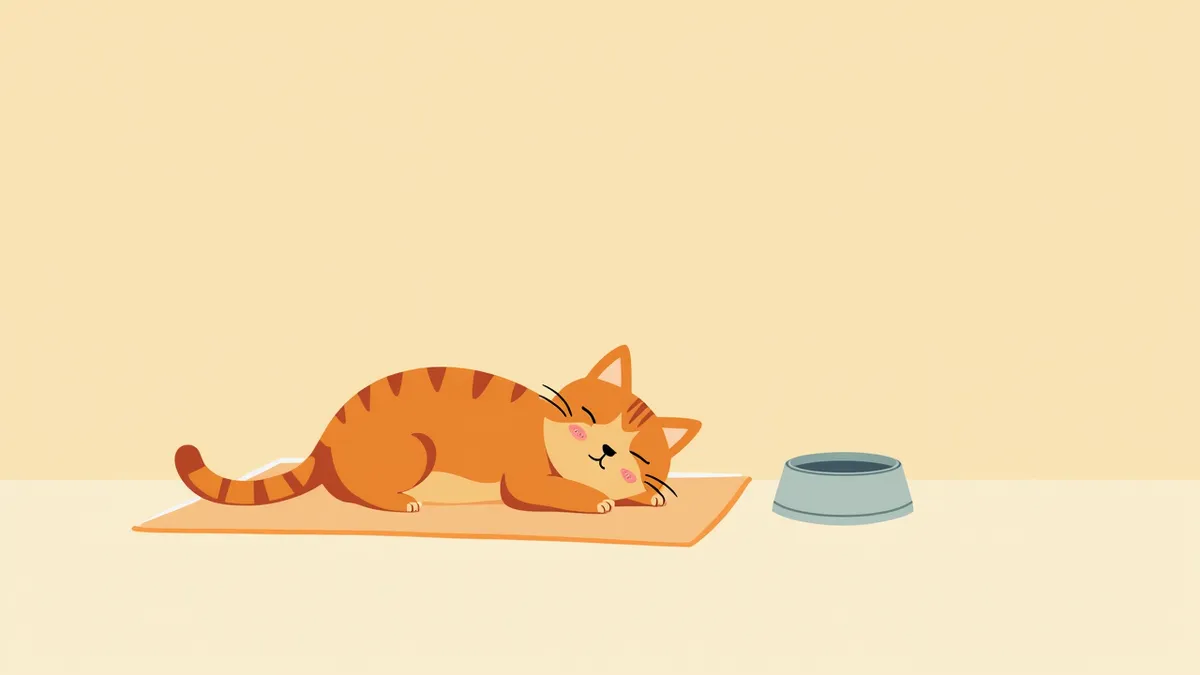
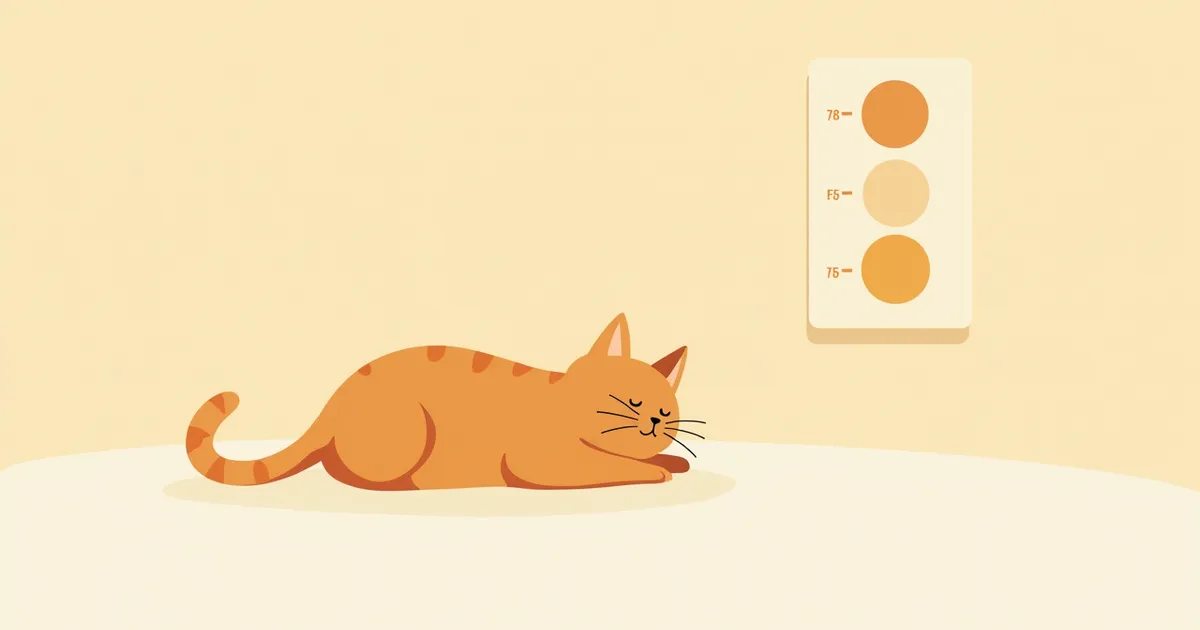
An indoor environment where the cat can rest comfortably after treatment
Radioactive iodine therapy is a treatment that can often lead to a cure in a single session, but post-treatment care and follow-up examinations are crucial for ensuring a stable recovery. Here are three key management points based on textbook evidence: - Creating a Stable Environment: For a certain period after treatment, please keep your pet in a quiet and warm space. Even after returning home from hospitalization or isolation, an environment with minimal noise and stimulation will aid in recovery. - Monitoring for Hypothyroidism: After radioactive iodine therapy, hypothyroidism, where thyroid function drops excessively, can commonly occur. In many cats, thyroid levels may temporarily or permanently decrease, so it's important to regularly check thyroid hormone (TT4) levels as directed by your veterinarian. - Tracking Kidney Function: As thyroid levels normalize, previously masked kidney issues may become apparent. It's essential to continuously monitor kidney function alongside thyroid levels for peace of mind. By diligently managing these three aspects with your veterinarian, you can ensure a much safer recovery process.

Good to Know: When to Consider Radioactive Iodine Therapy

When considering radioactive iodine therapy or planning post-treatment care, it is important to rely on established guidelines from veterinary textbooks and your veterinarian’s advice rather than unverified supplements. Here are four key criteria to help guide your decision and management plan.
Access to a specialized facility: Because radioactive materials are involved, treatment can only be performed at licensed, specialized facilities. In advance, confirm how accessible the facility is and the required duration of hospitalization and isolation.
Pre-treatment health assessment: A thorough health evaluation, including kidney function, is essential before treatment. If your cat has concurrent conditions, carefully assess whether they are a suitable candidate for this therapy.
Post-treatment monitoring plan: Schedule follow-up tests to monitor for hypothyroidism and changes in kidney function, which are common after treatment.
Veterinary consultation: Discuss with your veterinarian to determine the best approach for your cat by comparing radioactive iodine therapy with other options such as medication, dietary management, or surgery.
A cat enjoying the taste of a natural supplement

Good to Know 1: What Is the Treatment and Who Is It For?

Radioactive iodine therapy selectively eliminates only the overactive thyroid tissue in cats with hyperthyroidism. It works by accumulating in the highly active thyroid tissue, offering the possibility of a cure with a single treatment and serving as an alternative to lifelong medication or dietary management. However, it is not suitable for every cat and is considered only after a confirmed diagnosis of hyperthyroidism and when other conditions are met. Please consult your veterinarian to determine if this treatment is appropriate for your cat.
What is this treatment, and who is it suitable for? Please refer to the related guide image.

Good to Know 2: Specialized Facilities and Pre-Treatment Assessment Are Required

Because radioactive materials are involved, treatment can only be performed at licensed specialized facilities, and post-treatment hospitalization and isolation are required for a specific period until radiation levels decrease. A thorough health assessment, including kidney function, is crucial before treatment because underlying kidney issues masked by hyperthyroidism may become apparent afterward. To ensure safety, it is best to proceed at a facility equipped for these pre-treatment evaluations and isolation protocols, where you will receive comprehensive guidance on the procedure and necessary preparations.
Specialized facilities and a preliminary assessment are required. Please refer to the related guide image.

Good to Know 3: Weigh the Advantages and Considerations Before Deciding

Radioactive iodine therapy offers a high chance of cure and eliminates the need for daily medication, but it requires specialized facilities and involves practical considerations such as isolation periods and costs. It’s best to discuss with your veterinarian which treatment option—whether medication, dietary management, or surgery—is most suitable for your cat. After treatment, ongoing monitoring of thyroid and kidney function is essential for proper management.
Review the pros and considerations together before making a decision. Refer to the guide image.

Key Points to Understand About Radioactive Iodine Therapy

ItemKey Points
Treatment OverviewCurative treatment that eliminates only overactive thyroid tissue (hyperthyroidism)
Indication AssessmentConsidered when the diagnosis is confirmed and conditions are met; discuss suitability with a veterinarian
Facility/IsolationOnly at licensed specialized facilities; hospitalization/isolation period required after treatment
Pre-AssessmentHealth evaluation including kidney function (beware of masked kidney problems)
ConsultationDecide by comparing with medication, diet, surgery, etc.; follow-up care afterward

This is not a table recommending specific products or clinics, but a reference to consult when talking with your veterinarian. Treatment and testing decisions must always be made together with a veterinarian through an examination.

Post-Treatment Precautions: Excessive Stress Hinders Recovery

After radioactive iodine therapy, your cat’s condition and mood may differ from usual. To minimize stress, avoid exposure to other animals and noisy environments, and keep your cat in a quiet, calm space. For a certain period after treatment (approximately two weeks), residual radioactivity may remain in your cat’s body, so please handle waste with care, avoid excessive close contact, and strictly follow your veterinarian’s isolation and management guidelines. If symptoms such as decreased appetite or lethargy persist, contact your veterinarian immediately and visit the clinic.

Practical Tips: A Checklist for Your Cat’s Recovery

Here are some practical tips to help your cat recover after treatment. There are four key checkpoints to keep in mind.
Diet and Hydration Management: Feed your cat at the same time every day and always keep fresh, clean water available.
Activity Management: Instead of allowing excessive running and jumping, provide a quiet environment where your cat can rest comfortably.
Regular Weight Monitoring: Keep a regular record of your cat’s weight to track any changes.
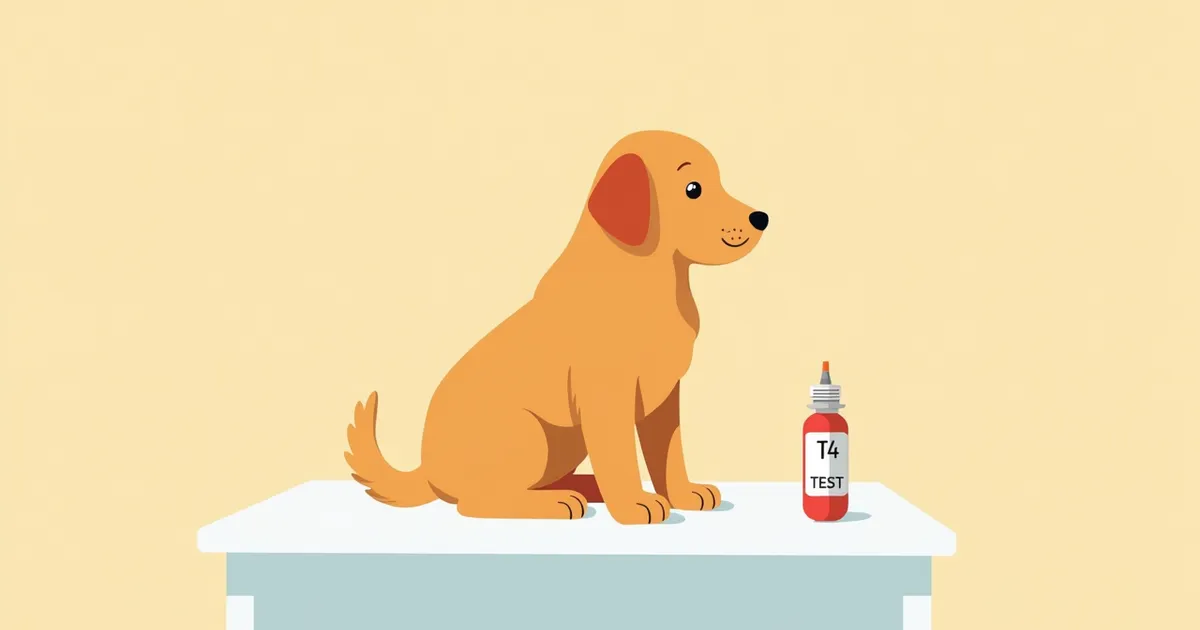
Routine Check-ups and Follow-up Tests: After treatment, it is important to regularly recheck thyroid levels (TT4) and kidney function according to the schedule set by your veterinarian. Typically, the first re-evaluation begins about one month after starting treatment, followed by periodic follow-up care.
Post-Treatment Cat Care Checklist

Reviewed by a veterinarian

Dr. Tony — Punnawat Phongkittirak

Dr. Tony — Punnawat Phongkittirak

Veterinarian

A veterinarian who majored in veterinary medicine at Khon Kaen University, Thailand, and completed the IVSA program at North Carolina State University in the United States. Drawing on clinical experience at animal hospitals, he works in the pet healthcare field and is dedicated to building a digital care environment that connects pet parents with veterinarians.

Frequently Asked Questions

My cat has no appetite after radioactive iodine therapy. Is that normal?
Your pet may experience a temporary loss of appetite after treatment. If this persists for more than three days, please consult your veterinarian.
My cat is sleeping a lot after treatment. Is this normal?
As thyroid function normalizes or temporarily dips, your pet may appear less energetic. Since hypothyroidism is common after radioactive iodine therapy, persistent lethargy warrants a thyroid hormone test.
Could my pet be exposed to radioactive material at home after treatment?
After treatment, your cat may remain radioactive for a period of time (approximately two weeks). Please follow your veterinarian’s isolation and management guidelines, such as handling waste with care and avoiding prolonged close contact.
Can I use just one of the BEST products?
There’s no single supplement that’s essential for recovery. Rather than using multiple unproven products together, it’s most important to follow the thyroid and kidney monitoring and management plan set by your veterinarian.
My cat is acting suddenly aggressive after treatment. Why is that?
It could be a behavioral change due to stress or pain. Please consult your veterinarian right away.

Share

Related Guides

References

[1] Hill, K.E. et al. (2011). The efficacy and safety of a novel lipophilic formulation of methimazole for the once daily transdermal treatment of cats with hyperthyroidism. Journal of Veterinary Internal Medicine, 25(6), 1357–1365.

[2] Plumb's Veterinary Drug Handbook, 10th Edition. (2015). Iodide (Potassium-, Sodium-) - Prescriber Highlights.

[3] The Cat, Clinical Medicine and Management, 2nd Edition. (2018). The most notable and common adverse effect of radioactive iodine is hypothyroidism induced by over treatment.

This information is based on veterinary literature and does not replace diagnosis or treatment. Please consult a veterinarian for specific health concerns.

Metapet Co., Ltd. | CEO: Park Sung-yong | Business Reg. No. 417-88-02562 | Seoul, South Korea | Customer Center

7 Key Tips for Cat Radioactive Iodine Therapy Recovery | Meongsiljang