Like
Share
멍실장
고양이 발치 후 관리 관리 추천 BEST와 고르는 기준 총정리

7 Key Points Veterinarians Emphasize for Post-Tooth Extraction Cat Care

Oral HealthTop PicksMeongsiljang Veterinary Advisory Board

After your cat’s teeth extraction, pain management, infection prevention, and dietary adjustments are key. Choosing the right care products and methods can significantly speed up recovery.

How to Care for Your Cat After Tooth Extraction

Wearing a neck collar after a cat's tooth extraction, in a comfortable position
After a cat’s tooth extraction, the key to care is pain relief, infection prevention, and dietary management. Using medications prescribed by your veterinarian along with tailored care products can make recovery much smoother. Proper pain management is standard after surgical procedures like extractions; if pain isn’t adequately controlled, recovery can be delayed and may even lead to chronic pain.
Elizabethan collar: Recommended to protect the extraction site and prevent licking. Use as needed, ensuring it stays securely in place without significantly interfering with your cat’s normal behavior.
Soft food: Since the mouth may be sore, opt for jelly-based, wet, or water-soaked kibble instead of hard dry food. These options are gentler on the mouth.
Pain relievers: Medications prescribed by your veterinarian help reduce pain and support healing. Administer them exactly as directed, following the prescribed dosage and duration.
Post-meal cleaning: Gently wipe the mouth with a soft cloth after meals to keep the area clean.
These basic care steps are the first step toward a stable and comfortable recovery.

Selection Criteria: Key Points for Post-Extraction Recovery Care

When choosing a post-surgical care product for your cat, it’s essential to check four key factors: safety, convenience, effectiveness, and your cat’s response.
Safe materials: Ensure the product is made from non-toxic materials that are safe if your cat licks them. It should not cause skin irritation or allergic reactions.
Ease of use: The design should be lightweight and adjustable so your cat doesn’t feel uncomfortable. It should be suitable for extended wear.
Effective protection: The product should fully cover the surgical site and effectively prevent licking. A neck collar meets this criterion.
Cat’s response: Ideally, the product should be one that your cat accepts naturally without initial resistance. If your cat shows a negative reaction, consider alternative options.
By selecting a product based on these four criteria, you can help ensure a stable and smooth recovery for your cat.
Cat collar, made of soft material with an adjustable strap

Key Point 1: Prevent Licking the Surgical Site

After tooth extraction, it is important to prevent your cat from irritating its mouth or surgical site. Use an Elizabethan collar (e-collar) as needed, choosing one that is lightweight, breathable, and not too tight, so it can be worn for extended periods with minimal stress. Ensure the material is non-toxic and safe if licked, and that the neck circumference is adjustable. If your cat strongly resists wearing the collar, discuss alternative options with your veterinarian, and check the area daily for any bleeding, swelling, or unusual odor.
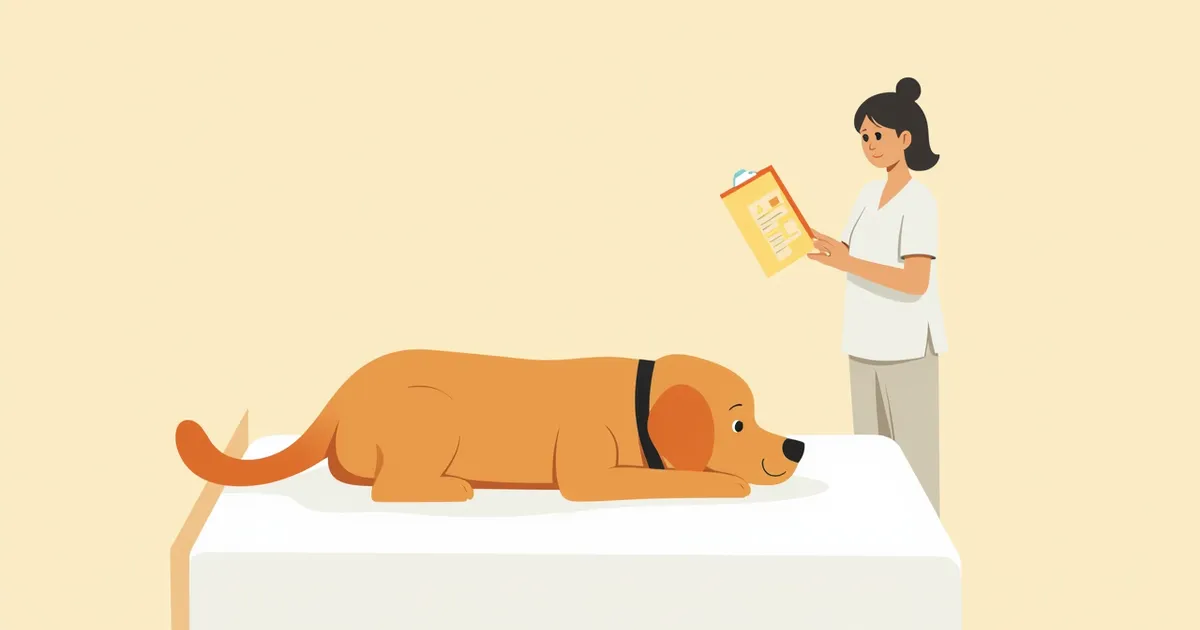
Guide image on how to protect the surgical site from being licked

Key Point 2: Soft Diet to Minimize Pain and Oral Irritation

For a few days after a tooth extraction, your pet’s mouth may be sore, making it difficult to eat hard kibble. Soft, easy-to-swallow foods that minimize irritation—such as wet food or kibble soaked in water—can help. Make sure the diet provides enough protein and nutrients for recovery, and choose something familiar enough to avoid food refusal. If your pet’s appetite doesn’t return within several days or they completely refuse to eat, it could indicate inadequate pain control or a complication, so please contact your veterinarian. Offering plenty of water after meals is also recommended.
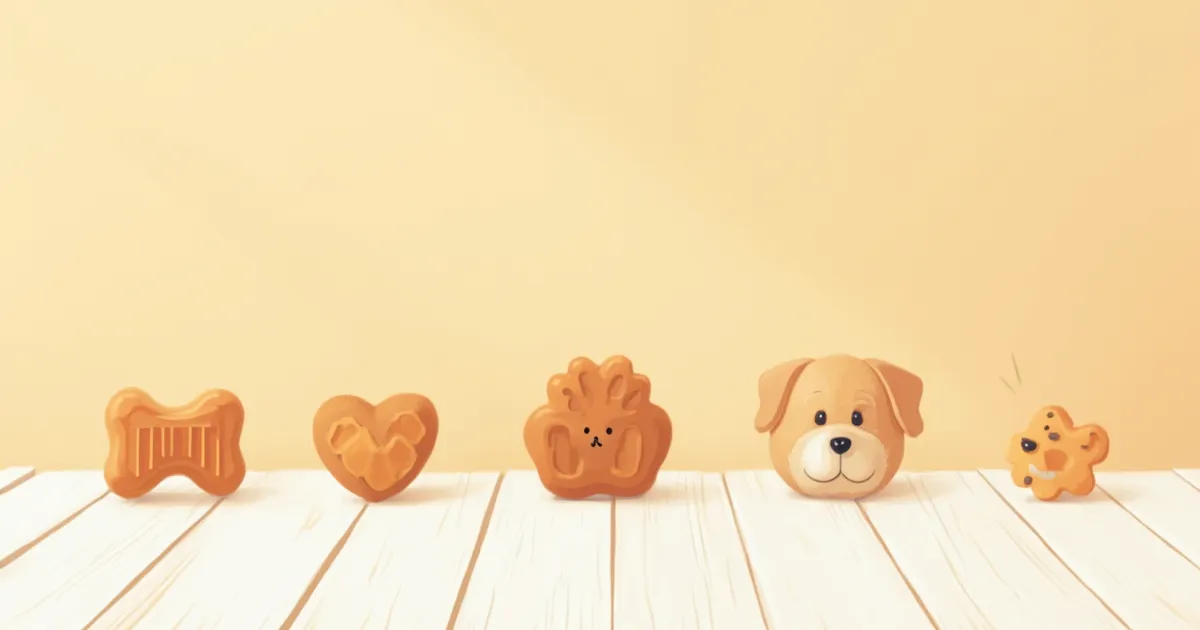
An image with dietary guidance for soft food that causes less pain and oral irritation.

Key Point 3: Monitor Recovery with Prescribed Medications and Follow-Up Visits
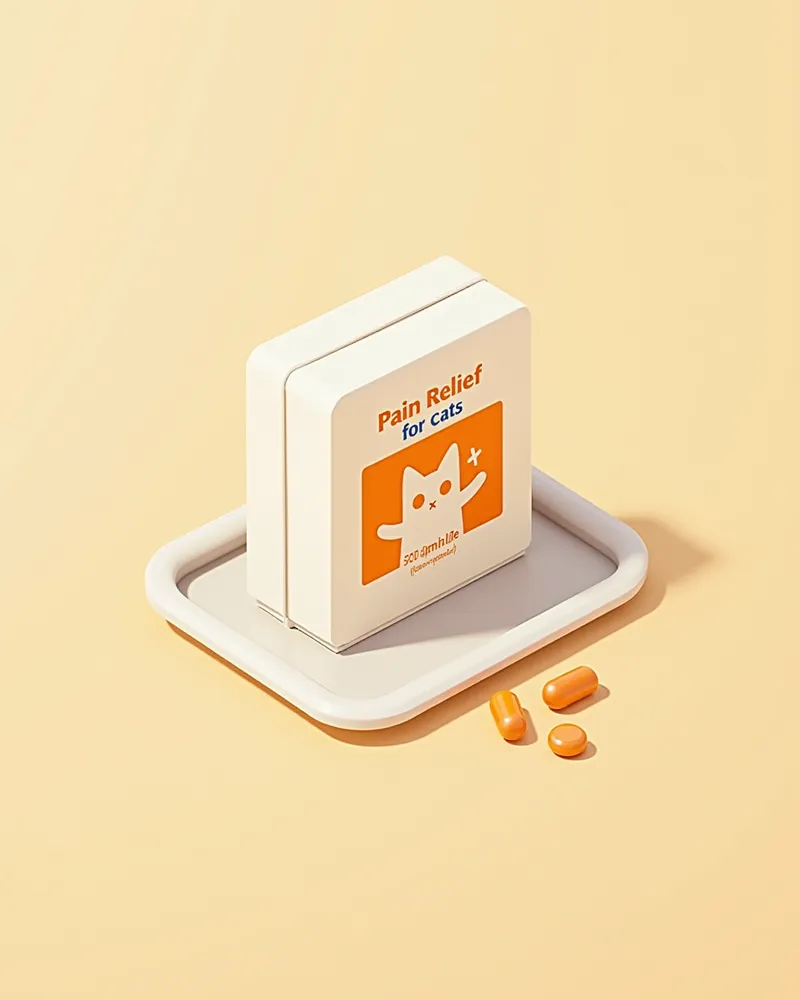
To manage pain and inflammation after tooth extraction, strictly follow the veterinarian’s prescribed dosage and duration for any pain relievers or antibiotics, and never administer human medications on your own. Cats metabolize drugs differently than humans or dogs, so certain pain medications can be dangerous for them. Attend all scheduled follow-up appointments to ensure the gums are healing properly and, if sutures were placed, to check their condition. If you notice any adverse reactions such as vomiting or lethargy after medication, contact your clinic immediately.
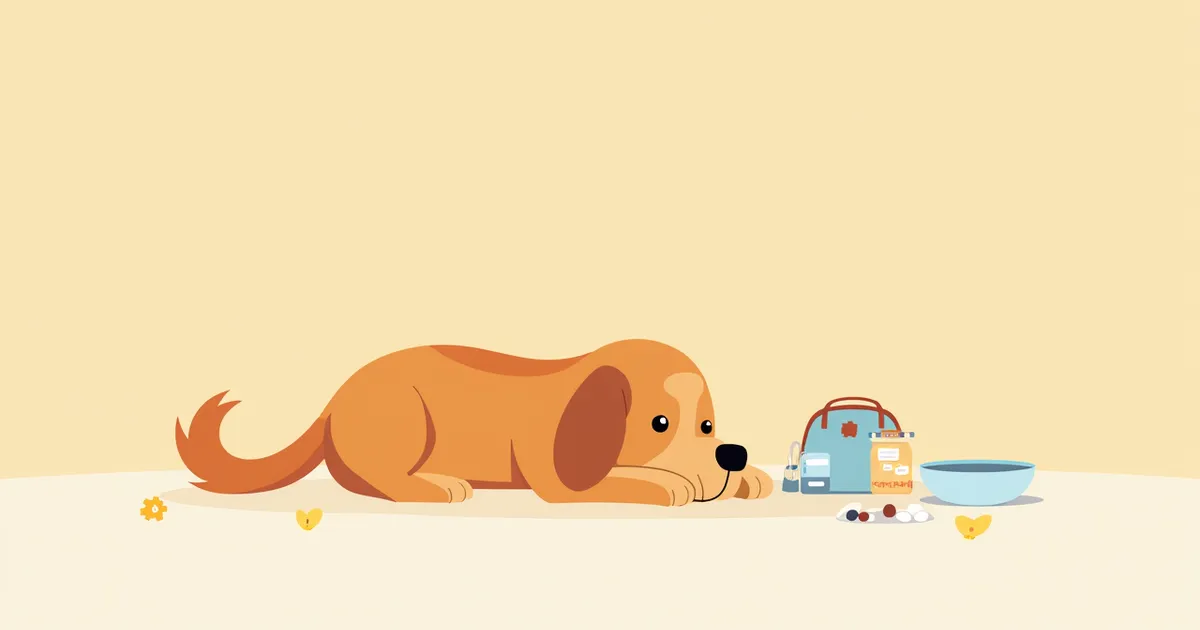
Guide image on confirming recovery through prescribed medication and follow-up visits

Post-Tooth Extraction Cat Care Checklist

ItemManagement Points
Site ProtectionUse an anti-licking neck collar (E-collar) that is non-toxic, breathable, and adjustable
DietReduce irritation with soft wet food or soaked kibble, and observe changes in appetite
Prescription MedicationDo not use human medications on your own; give only prescribed painkillers and antibiotics exactly as directed
RevisitCheck gum recovery and suture condition at the scheduled appointment

This is not a table recommending specific products or hospitals, but a reference for when consulting your veterinarian. Decisions about treatment and testing must always be made together with your veterinarian through an examination.

Caution: Essential Rules to Follow During Post-Extraction Care

After your cat’s tooth extraction, careful aftercare is essential to prevent infection and recurrence. If you notice any unusual symptoms within the first 24 hours, please visit the clinic immediately.

Usage Tips: The Secret to Successful Post-Extraction Care
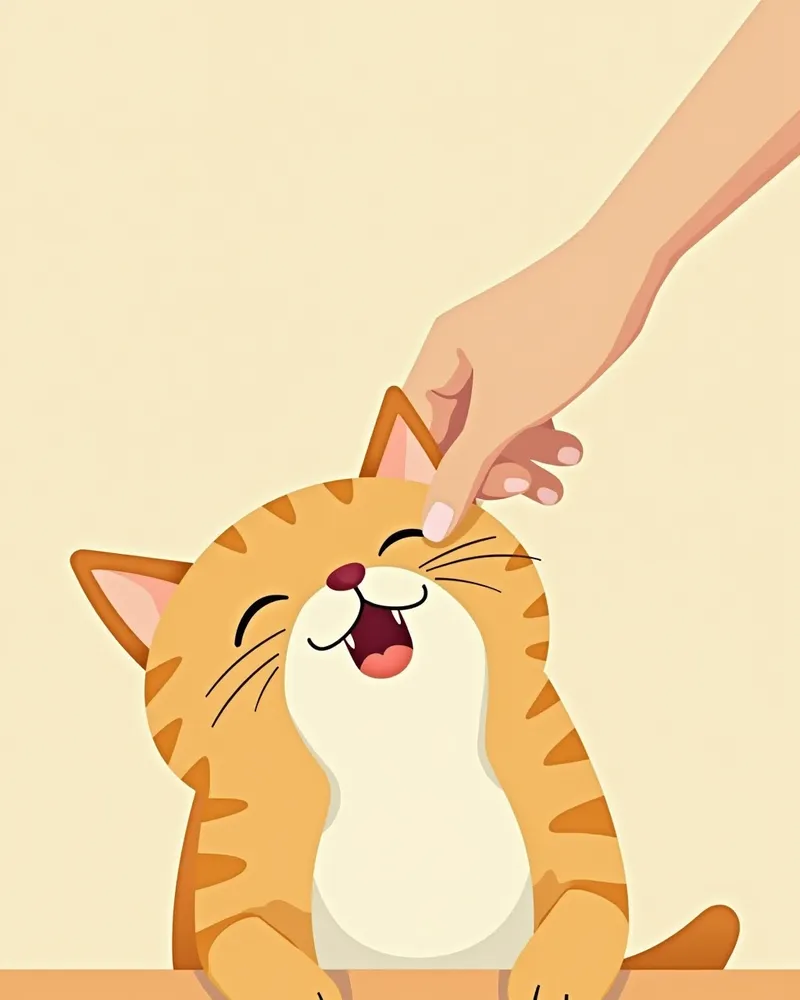
Caring for your cat after a tooth extraction is about more than just using the right products; it requires daily observation and appropriate adjustments. Cleaning after meals: Keeping the mouth clean helps reduce the risk of infection. Gently wipe the area with a soft cloth. Checking the neck collar: Check the fit of the collar once or twice a day. Adjust it if it becomes loose or too tight. Restricting activity: Jumping or rolling around can injure the sutured area, so keep your cat resting in a quiet space. Veterinary visits: Follow your veterinarian’s schedule for follow-up appointments to monitor medication progress and gum healing. These small habits are the key to a stable recovery.
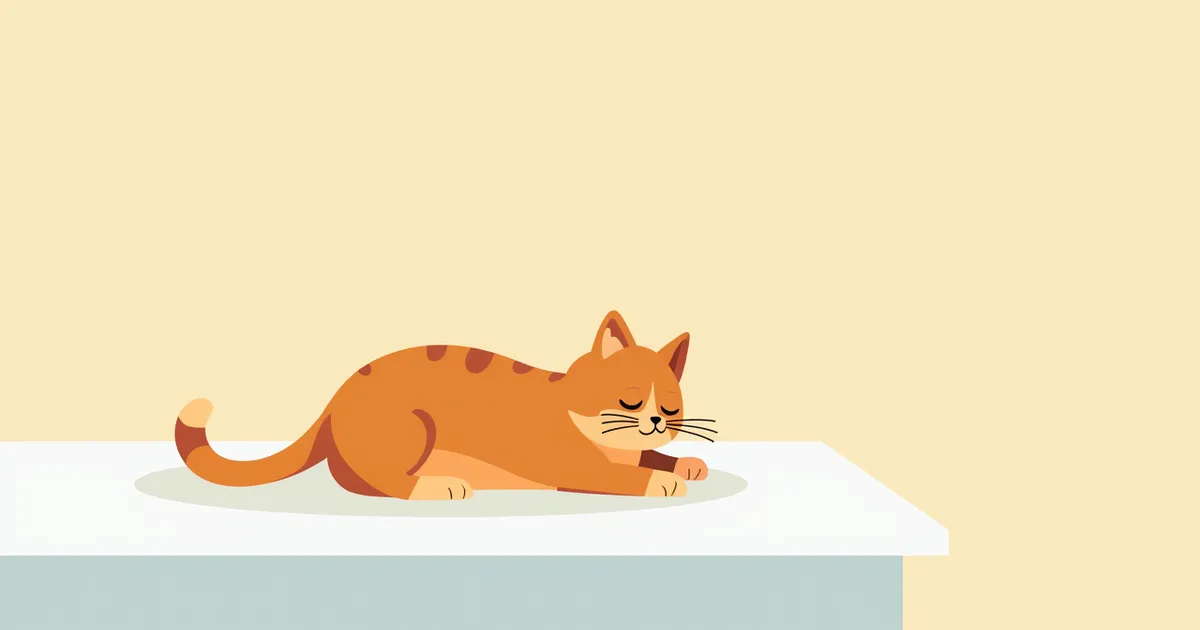
A cat cleaning its mouth after eating following a tooth extraction.

Reviewed by a veterinarian

Dr. Tony — Punnawat Phongkittirak

Dr. Tony — Punnawat Phongkittirak

Veterinarian

A veterinarian who majored in veterinary medicine at Khon Kaen University, Thailand, and completed the IVSA program at North Carolina State University in the United States. Drawing on clinical experience at animal hospitals, he works in the pet healthcare field and is dedicated to building a digital care environment that connects pet parents with veterinarians.

Frequently Asked Questions

How long should my pet wear the e-collar after tooth extraction?
The duration of wear depends on when licking or irritation stops and how well the area heals. Rather than following a fixed number of days, it’s best to wear and adjust it according to your veterinarian’s guidance.
My cat isn’t eating after having its teeth extracted. What should I do?
Try offering soft jelly-style food or wet food. Extend meal times and ensure plenty of water is available. If your pet’s appetite doesn’t return within a few days, contact your veterinarian.
My cat seems uncomfortable wearing the neck collar. What should I do?
Try adjusting the size or switching to a product made from a different material. If your pet strongly resists it, consult your veterinarian about alternative options.
My pet vomited after taking pain medication. Is this normal?
If vomiting persists, contact your veterinarian immediately. Since it could be a side effect, it’s important to consult your vet rather than making any decisions on your own.
It’s been a week since the tooth extraction, but there’s still a bad odor coming from the mouth. Is this a sign of a problem?
If bad breath persists, there may be an infection, so it’s a good idea to have your vet check it out.

Share

Related Guides

References

[1] The Cat, Clinical Medicine and Management, 2nd Edition, 2023

[2] Techniques in Small Animal Wound Management, 2022

[3] Veterinary Surgical Oncology, 2nd Ed, 2021

This information is based on veterinary literature and does not replace diagnosis or treatment. Please consult a veterinarian for specific health concerns.

Metapet Co., Ltd. | CEO: Park Sung-yong | Business Reg. No. 417-88-02562 | Seoul, South Korea | Customer Center

7 Vet Tips for Caring for Your Cat After Tooth Extraction | Meongsiljang