

7 Chemotherapy Protocols for Dogs and Selection Criteria: A Veterinarian’s Guide
A dog’s chemotherapy protocol varies depending on the tumor type and stage, making a personalized approach essential for effective management. Here are the key factors to consider when selecting a protocol with your veterinarian.
What Is a Dog’s Chemotherapy Protocol?

Key Information: Chemotherapy Protocols
Key Information 1: What Is a Chemotherapy Protocol?
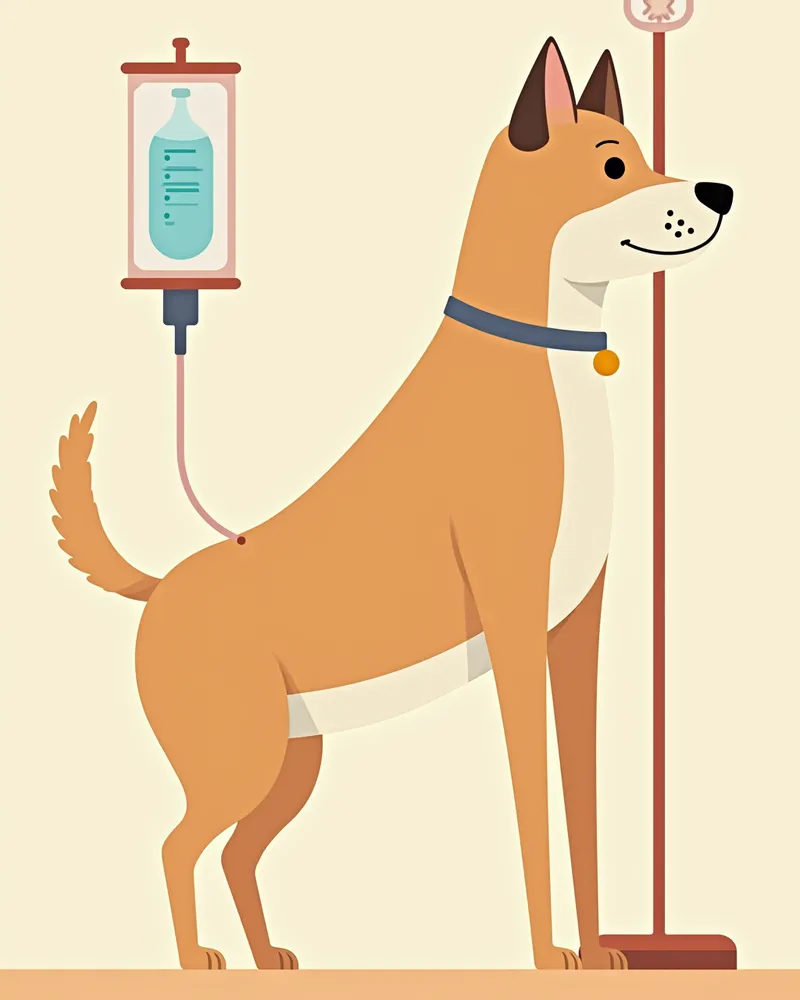
Key Information 2: Accurate Diagnosis and Professional Care Come First

Key Information 3: Monitoring Side Effects and Caution with Supplements

Key Points to Know About Chemotherapy Protocols
| Item | Key Points |
|---|---|
| Concept | A treatment plan specifying drug combination, dosage, and schedule; differs by tumor type |
| Prerequisite | Determine the protocol in oncology care after biopsy and staging diagnosis |
| Administration principle | Adhere to the set dosage and schedule; do not change arbitrarily |
| Monitoring | Regular blood tests; observe and record appetite, energy, and vomiting |
| Caution | Do not replace or arbitrarily combine standard treatment with supplements claiming anticancer effects |
This is not a table recommending specific products or clinics, but criteria to reference when consulting a veterinarian. Treatment and testing decisions must always be made together with a veterinarian through an examination.
Caution: Drug Interactions and Contraindications
During chemotherapy, a dog’s response to and sensitivity of anticancer drugs can vary depending on the individual and breed. Certain breeds, such as Collies and Shelties, may be more sensitive to drugs like doxorubicin and vinca alkaloids due to an MDR1 (ABCB1) gene mutation. Therefore, always inform your veterinarian about all medications your dog is currently taking, as well as the dog’s breed and any underlying health conditions. Before combining other treatments or supplements, consult your veterinarian to ensure safety. Administer medications strictly according to the prescribed dosage and schedule, and never adjust them without veterinary guidance.
Usage Tips: Home Care and Condition Monitoring

Reviewed by a veterinarian

Dr. Tony — Punnawat Phongkittirak
VeterinarianA veterinarian who majored in veterinary medicine at Khon Kaen University, Thailand, and completed the IVSA program at North Carolina State University in the United States. Drawing on clinical experience at animal hospitals, he works in the pet healthcare field and is dedicated to building a digital care environment that connects pet parents with veterinarians.
Reviewed 2026-06-07
Frequently Asked Questions
Will cancer treatment kill my dog?
Do I need to give my pet medication at home during treatment?
Should I stop the treatment if the side effects are severe?
Can my dog regain its health after treatment?
How long does cancer treatment last?
Share
Related Guides

Comprehensive Guide to Recommended Hospice Care and Quality of Life Management for Cats with Tumors

7 Factors Determining Prognosis and Life Expectancy in Dogs with Tumors, According to Veterinarians

7 Key Management Points for Canine Transitional Cell Carcinoma (Bladder Cancer) Recommended by Veterinarians — From Symptoms to Care

6 Veterinary-Recommended Checks for Managing Feline Hormone-Responsive Tumors — From Causes to Treatment

7 Key Management Tips for Feline Fibrosarcoma and Selection Criteria Recommended by Veterinarians

Top Recommendations and Selection Criteria for Managing Feline Lymphoma COP Therapy

7 Key Points and Management Criteria for Feline Injection-Site Sarcomas Warned by Veterinarians

5 Feline Chemotherapy Protocols Explained by Veterinarians — Types and Selection Criteria

7 Early Cancer Detection Screening Tests for Cats Recommended by Veterinarians

7 Key Principles of Nutritional Management for Cats with Cancer and Selection Criteria According to Veterinarians
References
[1] Adamo, M., Dickie, L. and Ruhl, J. (2018) SEER Program Coding and Staging Manual 2018. US Department of Health and Human Services, National Institutes of Health, National Cancer Institute, Bethesda, Maryland.
[2] London, C.A., Gardner, H.L., Mathie, R. et al. (2010) Metronomic chemotherapy: a systematic literature analysis. European Journal of Cancer 49(16), 3387–3395.
[3] Lien, K., Georgsdottir, S., Sivanathan, L. et al. (2013) Low-dose metronomic chemotherapy: a systematic literature analysis. European Journal of Cancer 49(16), 3387–3395.