

7 Key Points on Early Signs of Canine Kidney Failure and SDMA Screening, According to Veterinarians
Early screening for kidney function in dogs using SDMA is an important test for detecting kidney damage caused by aging or disease at an early stage. It is crucial to conduct accurate testing and choose appropriate management products.
What Is Early Screening for Canine Kidney Function (SDMA)?
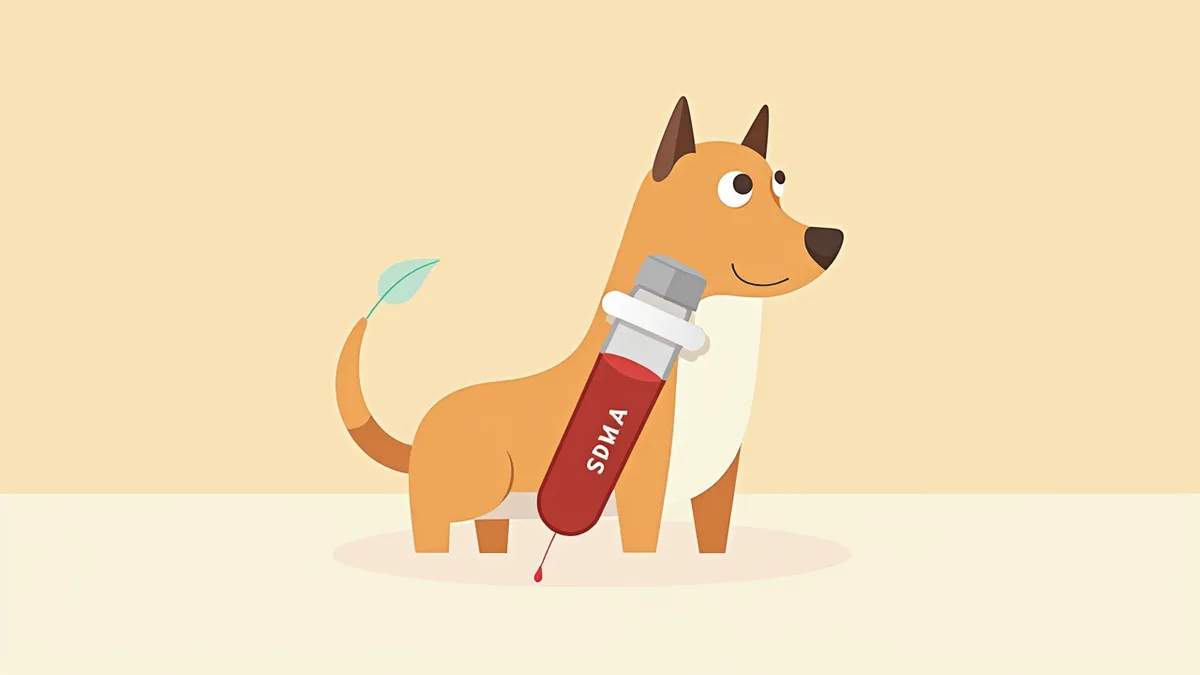
Selection Criteria: Tips for Choosing a Clinic for SDMA Early Screening

Check 1: Whether the Clinic Offers Kidney Screening Including SDMA

Check 2: Whether Regular Screening and Urine Tests Are Offered Together

Check 3: Whether Trends Are Interpreted and Linked to Early Management
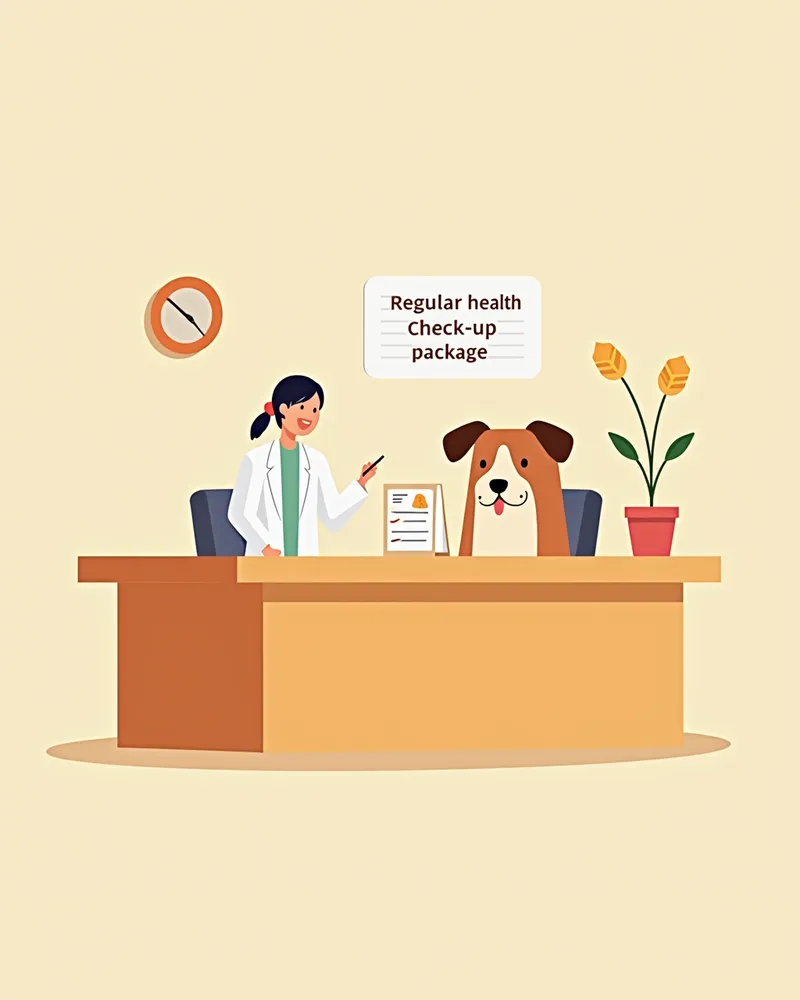
Checklist for Choosing a Clinic for SDMA Early Screening
| Item | Recommended Criteria |
|---|---|
| Test Items | A clinic that runs kidney screening viewing SDMA together with creatinine and BUN |
| Test Operation | A clinic that includes it in regular screening for senior dogs and views urine specific gravity and proteinuria together |
| Interpretation Capability | A veterinarian who interprets kidney condition through trends and IRIS staging |
| Result Interpretation | A clinic that connects to and guides early management such as diet and hydration from the early stages |
| Cost Guidance | A clinic that informs of expected costs and the possibility of additional tests in advance before testing |
This is not a table recommending specific products or clinics, but criteria to refer to when consulting a veterinarian. Always make treatment and testing decisions together with a veterinarian through consultation.
Caution: SDMA Test Results Should Be Interpreted With a Veterinarian
A high SDMA level doesn’t necessarily mean your pet has kidney disease. SDMA isn’t specific to kidney disease alone; it can also rise due to prerenal factors that reduce blood flow to the kidneys, such as dehydration or heart failure (decreased cardiac output), or postrenal factors like urinary tract obstruction. Additionally, results may vary for the same sample depending on the testing equipment and analytical methods used. Therefore, a veterinarian must evaluate your pet’s overall health comprehensively. To avoid misunderstandings, discuss the test results with your vet and work together on any additional testing or management plans.
Tips for Early Screening of Canine Kidney Function (SDMA)

Reviewed by a veterinarian

Dr. Tony — Punnawat Phongkittirak
VeterinarianA veterinarian who majored in veterinary medicine at Khon Kaen University, Thailand, and completed the IVSA program at North Carolina State University in the United States. Drawing on clinical experience at animal hospitals, he works in the pet healthcare field and is dedicated to building a digital care environment that connects pet parents with veterinarians.
Reviewed 2026-06-05
Frequently Asked Questions
Which dogs require SDMA testing?
What is the difference between an SDMA test and a traditional kidney function test?
Are home SDMA test kits accurate?
Does a high SDMA level always mean treatment is necessary?
How often should the SDMA test, included in the regular check-up package, be performed?
Share
Related Guides

Top 5 Prescription Diets for Cats with Chronic Kidney Disease — Stage-Specific Protein Adjustment

7 Emergency Signs and Causes of Acute Kidney Failure in Dogs You Must Not Miss

Top 5 Cat Kidney Supplements Recommended for 2026

Top 5 High-Fiber Dog Foods for Anal Gland Care — Selection Criteria and Feeding Tips Pet Parents Must Know

Top 5 Prescription Recovery Diets for Dogs After Vomiting — A Comparison Guide for Easily Digestible Options

7 Emergency Checklist Items for Cat Poisoning — Signs to Check Immediately After Exposure

Top 5 Senior Cat Supplements Recommended by Veterinarians — Comprehensive Immune and Joint Care

Top 5 Recommended Feline Immune Supplements for 2026 — Beta-Glucan & Lysine

Top 5 Joint Health Supplements for Senior Cats in 2026

Top 5 Freeze-Dried Treats for 2026 — Nutrient Retention & Quality
References
[1] The Veterinary Workbook of Small Animal Clinical Cases, Case 28, 2022
[2] Small Animal Critical Care Medicine, 3rd Edition, Catherine E. Langston et al., 2021
[3] The Cat, Clinical Medicine and Management, 2nd Edition, 2020