
7 Key Indicators for Monitoring CKD Progression in Dogs, According to Veterinarians
Regularly monitoring the progression of chronic kidney disease (CKD) in dogs is key to improving treatment outcomes and maintaining quality of life. Here’s an easy overview of effective management strategies and recommended products.
Why Is Monitoring the Rate of CKD Progression in Dogs Important?

Key Takeaways: Points for Tracking CKD Progression
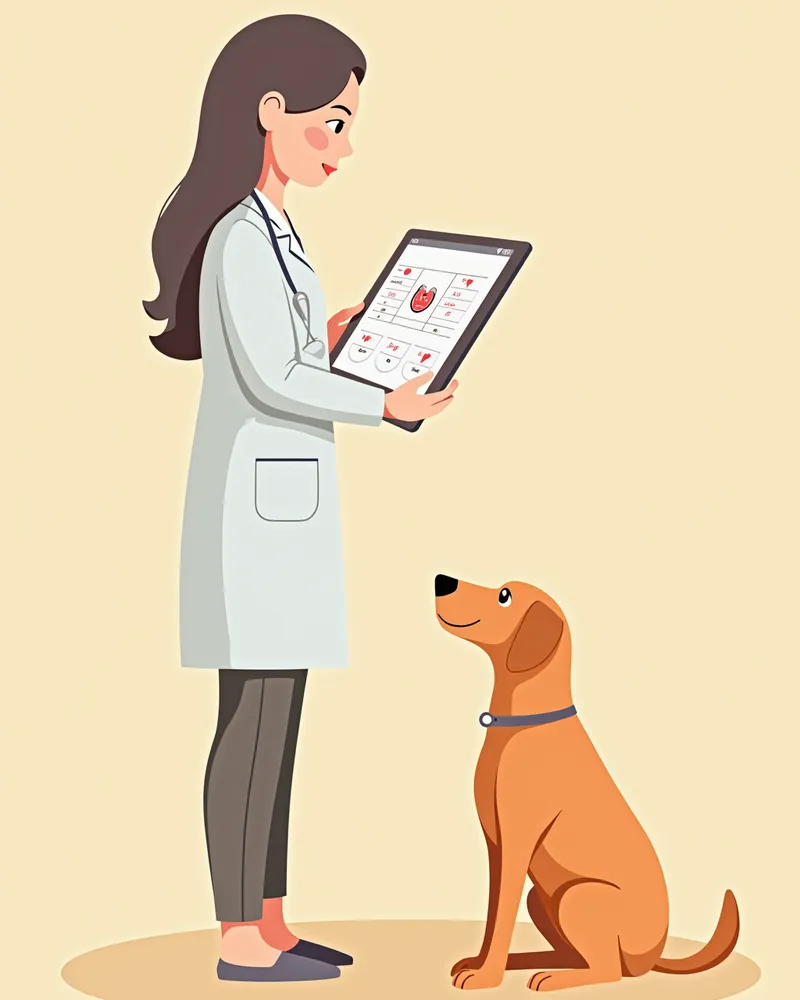
Key 1: Regularly Track Blood, Urine, and Blood Pressure

Key 2: Record Weight, Appetite, and Water Intake at Home

Key 3: Discuss Management Direction and Worsening Signs with Your Veterinarian

Key Points for Monitoring CKD Progression
| Item | Key Points |
|---|---|
| Regular Testing | Periodically track creatinine, SDMA, urine specific gravity, proteinuria (UPC), and blood pressure |
| Recording at Home | Record weight, appetite, water intake, urine output, and vomiting in a consistent manner |
| Viewing Trends | Interpret based on IRIS stage changes and trends rather than a single measurement |
| Warning Signs | If appetite loss, vomiting, or lethargy occurs, visit the clinic even before the scheduled test |
| Caution | Make management decisions such as diet, fluids, and medication together with a veterinarian |
This is not a table recommending specific products or devices, but key points to refer to when managing care at home. Always consult a veterinarian regarding interpretation of measurements and treatment decisions.
Caution: Consult Your Veterinarian Regarding Monitoring Frequency and Result Interpretation
Monitoring the progression of chronic kidney disease (CKD) in dogs should be done under the guidance of a veterinarian. Making your own decisions about testing frequency or interpreting results can lead to misunderstandings. In particular, if kidney function deteriorates rapidly, an immediate visit to the clinic is necessary.
Usage Tips: 4 Practical Tips for Effective Monitoring

Reviewed by a veterinarian

Dr. Tony — Punnawat Phongkittirak
VeterinarianA veterinarian who majored in veterinary medicine at Khon Kaen University, Thailand, and completed the IVSA program at North Carolina State University in the United States. Drawing on clinical experience at animal hospitals, he works in the pet healthcare field and is dedicated to building a digital care environment that connects pet parents with veterinarians.
Reviewed 2026-06-05
Frequently Asked Questions
How often should I monitor the progression of chronic kidney disease in my dog?
Can blood tests be done at home?
What should I do if the monitoring results are poor?
Will it be expensive?
Will monitoring cause my dog to become stressed?
Share
Related Guides

Top 5 Prescription Diets for Cats with Chronic Kidney Disease — Stage-Specific Protein Adjustment

7 Emergency Signs and Causes of Acute Kidney Failure in Dogs You Must Not Miss

Top 5 Cat Kidney Supplements Recommended for 2026

Top 5 Allergy-Friendly Dog Treats for 2026 — Single Protein

Top 5 Puppy Training Treats for 2026 — Low-Calorie & Small

Top 5 Recommended Dental Treats for Dogs in 2026 — VOHC Certification Criteria

Top 5 Probiotics for Feline Constipation in 2026 — Hairball & Constipation Care

Top 5 Pet Camera Recommendations for 2026

Top 5 Calming Supplements for Dogs and Cats in 2026

Top 5 Ultra-Small Dog Breeds (2 kg or Less)
References
[1] Plumb's Veterinary Drug Handbook, 9th Edition, 2022
[2] Notes on Canine Internal Medicine, 4th Edition, 2021
[3] Urinalysis in the Dog and Cat, 2020