Like
Share
멍실장
2026 고양이 변비 유산균 추천 TOP 5 — 헤어볼·변비 케어

Top 5 Probiotics for Feline Constipation in 2026 — Hairball & Constipation Care

DigestiveTop PicksMeongsiljang Veterinary Advisory Board

We’ve compared the top five probiotic products that help with constipation and hairball care in cats, backed by veterinary evidence. We’ve neatly summarized the strains, potency, price, and palatability for an easy overview.

What Are Probiotics for Feline Constipation?
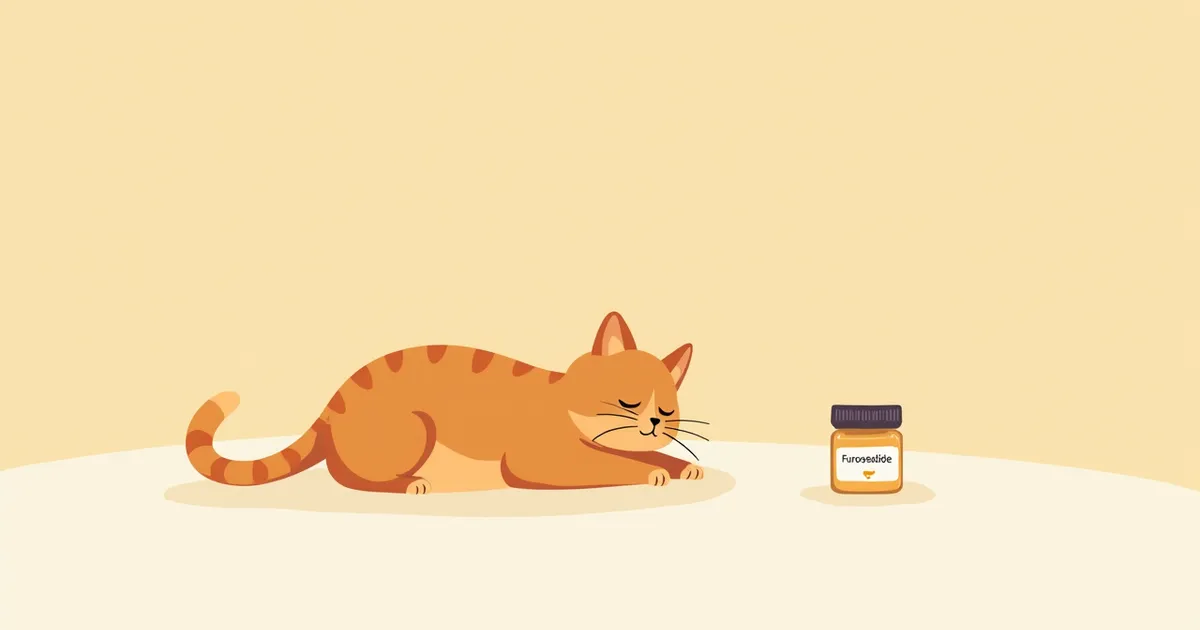
A cat gazing at a bottle of probiotic powder on the table
Probiotic supplements for feline constipation contain live microorganisms that help support gut health by modulating intestinal immune function and fostering a beneficial bacterial environment. However, since bulk-forming laxatives like psyllium and dietary fiber are the established, textbook-recommended methods for aiding hairball elimination, it is advisable to choose products that also include fiber if hairballs are your primary concern. The key factors when selecting a product are the specific bacterial strains and the count of live bacteria (CFU). Because the effects vary by strain and CFU counts can differ significantly—ranging from 100 million (1×10⁸) to 110 billion (1.1×10¹¹)—it is best to choose a reliable product specifically manufactured for pets rather than general over-the-counter (OTC) options. You may also want to check for strains with preliminary clinical data reported in feline gastrointestinal conditions, such as Enterococcus faecium SF68. If constipation persists for more than three days or if your cat’s appetite declines, do not rely solely on probiotics; please visit a veterinarian first.

Why Do Cats Need Probiotics for Constipation?

According to veterinary textbooks, dysbiosis—an imbalance in the gut microbiome—is more commonly reported in cats with acute or chronic diarrhea than in healthy cats. On the other hand, feline constipation often follows dehydration and is closely linked to insufficient stool moisture and bulk, as well as reduced colonic motility. A significant number of constipation cases are associated with idiopathic megacolon. Therefore, it is difficult to definitively claim that probiotics directly resolve constipation. However, a small-scale study reported that a commercial probiotic blend significantly reduced stool hardness in seven out of ten cats, suggesting potential as a supportive aid. Since efficacy varies by strain and not all products perform equally, it is important to choose strains from reputable manufacturers with clinical data. Given that this area still requires further research, probiotics should be approached as a complementary measure.

Comparison Table of the Top 5 Probiotics for Feline Constipation

ItemNo.1 FortiFloraNo.2 ProbioCatNo.3 Pet Plus CatNo.4 Hairball Care PlusNo.5 Daily Biotics
Main strainEnterococcus faecium SF68Lactobacillus + Bifidobacterium (5 types)Enterococcus + SaccharomycesLactobacillus + psyllium huskLactobacillus (4 types)
CFU (per g)5 billion2 billion3 billion1 billion1 billion
Hairball care ingredientFalseFalseTrueTrueFalse
Palatability (powder flavor)HighModerateHighModerateHigh
Reference price$30$20$20$20$20

Lowest online price as of April 2026, converted to a 30-day supply.

No. 1 — Fortiflora (Enterococcus faecium SF68)
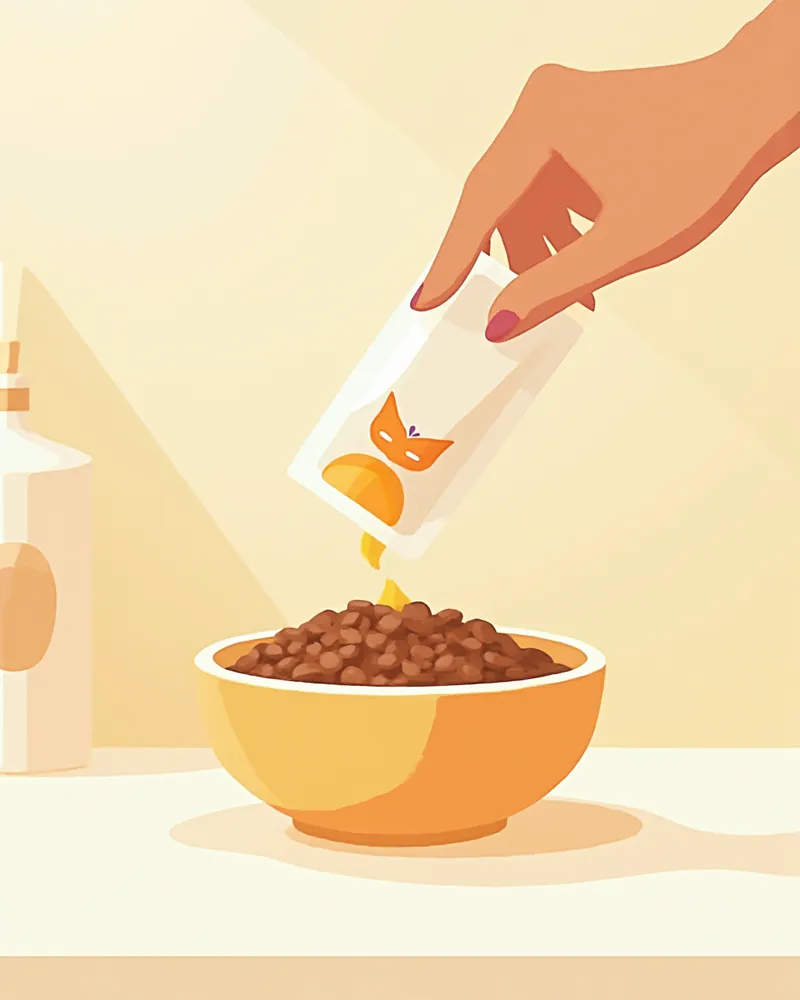
The top pick is a single-strain product featuring Enterococcus faecium SF68, a strain with a relatively robust body of clinical data for feline gastrointestinal conditions. This strain is manufactured using microencapsulation technology to protect the live bacteria throughout storage and distribution, and preliminary clinical data suggest potential benefits for both acute and chronic gastrointestinal issues. However, since formal clinical trials for conditions like IBD are not yet complete, it should be understood as a supportive supplement rather than a definitive treatment. It’s a worthwhile option for supportive care in cats with sensitive guts that fluctuate between constipation and loose stools, and its powder form makes it easy to sprinkle over food. That said, it doesn’t contain hairball-specific ingredients like psyllium husk, so if hairballs are your primary concern, it’s best to use it alongside a product containing fiber such as psyllium.
Probiotic powder to sprinkle on top of pet food

No. 2 — Probiocat (5 Multi-Strains)

In second place is a multi-strain product containing five strains, including Lactobacillus acidophilus, Lactobacillus rhamnosus, and Bifidobacterium lactis. This option is ideal for those seeking broader improvement of the gut environment compared to single-strain products, and it offers reasonable pricing. It is recommended as a base care supplement for mild constipation, digestive issues, or during dietary transitions, rather than for chronic constipation. Since its CFU count is slightly lower than that of the top-ranked SF68 single-strain product, you may also consider alternating it with the number one product for severe cases of constipation.

No. 3 — Petplus Cat (Simultaneous Hairball Care)
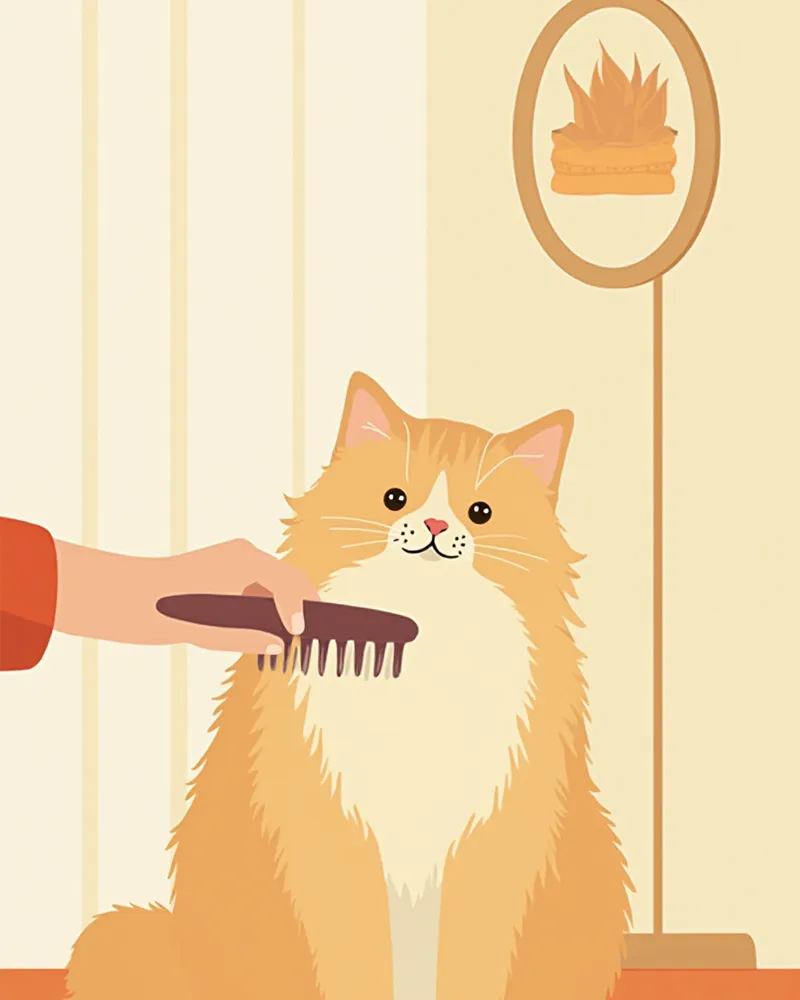
Ranked third is a product designed to simultaneously address hairballs and constipation, featuring Saccharomyces boulardii (a yeast-based probiotic) added to an Enterococcus strain, along with psyllium husk and dietary fiber. By helping to retain moisture in the intestines and increase stool bulk, it is particularly suitable for long-haired cats or those who groom frequently and are prone to vomiting hairballs. However, if your cat is already consuming a diet sufficiently high in fiber, you should adjust the serving size to avoid excessive fiber intake.
A guardian brushing a long-haired cat

No. 4 & 5 — Hairball Care Plus / Daily Biotics

Ranked fourth, Hairball Care Plus has the highest psyllium husk content, making it a solid choice if your primary concern is helping your cat pass hairballs. However, its lower number of bacterial strains and CFU count means its ability to relieve constipation itself is only supportive. Ranked fifth, Daily Biotic is the most budget-friendly option, suitable for daily gut maintenance in healthy cats. It may be too mild to use alone for cats with chronic constipation or frequent hairball vomiting, so choose based on your specific needs.

Constipation Signs That Cannot Be Resolved by Probiotics Alone

If you notice any of the following signs, please consult a veterinarian before adding probiotics, as they may indicate other underlying conditions such as megacolon, thyroid disease, or intestinal obstruction. - No bowel movement for more than three days: This may indicate an emergency beyond simple constipation. - Vocalizing or straining excessively during defecation: This suggests pain and may point to issues with the anal sacs or pelvis. - Vomiting or decreased appetite: These can be signs of intestinal obstruction or megacolon. - Blood or mucus in the stool: This may indicate damage to the intestinal lining.

How to Properly Administer Probiotics to Cats

Because probiotics are live microorganisms, their effectiveness can vary significantly depending on how they are stored and administered. The key factors are temperature, timing, and consistency. - Temperature: Since these are live bacteria, mixing them with hot food or water can kill them. Always mix with lukewarm or cold food. - Timing: Antibiotics can disrupt the balance of gut microbiota, so if your pet is taking antibiotics, administer probiotics at a separate time. - Consistency: The time it takes to see results varies by individual, strain, and health status (ranging from a few days to longer). Avoid switching products too soon; instead, maintain consistent use for a set period while monitoring stool condition. - Storage: After opening, keep the product away from direct sunlight and high temperatures. Store according to the product label (refrigerate if required).
A bottle of probiotic powder stored in the refrigerator

Reviewed by a veterinarian

Dr. Tony — Punnawat Phongkittirak

Dr. Tony — Punnawat Phongkittirak

Veterinarian

A veterinarian who majored in veterinary medicine at Khon Kaen University, Thailand, and completed the IVSA program at North Carolina State University in the United States. Drawing on clinical experience at animal hospitals, he works in the pet healthcare field and is dedicated to building a digital care environment that connects pet parents with veterinarians.

Frequently Asked Questions

Can I give my cat the same probiotics I use for my dog?
Whenever possible, choose products specifically formulated for pets and manufactured by reputable companies. Veterinary textbooks often recommend pet-specific products over general over-the-counter (OTC) options, as the latter may not contain the labeled amount of beneficial bacteria. Some products, such as Enterococcus faecium SF68, are approved for both dogs and cats, so be sure to select a product with a strain that has been properly validated for your pet’s species.
Is it safe to give my pet probiotics meant for human consumption?
We recommend using products specifically formulated for pets. Human products may contain ingredients that are unsuitable for animals, and over-the-counter (OTC) products with limited scientific validation are generally less reliable than those properly manufactured for dogs and cats. Please verify that the product’s bacterial strains and concentrations are designed for pets, and consult your veterinarian before introducing any new ingredients.
How long does it take to see results?
The time it takes to see results can vary significantly depending on the strain, individual pet, and their current condition. While some studies have shown that a cat’s stool quality improved within just seven days of starting a dietary probiotic regimen, individual responses differ greatly. Therefore, avoid making hasty judgments; instead, administer the product consistently for a set period while monitoring changes in stool consistency and hairball frequency. If you notice no improvement or if symptoms worsen, please consult your veterinarian.
The diarrhea has gotten worse while giving it. Should I continue administering it?
During the first few days, as your pet’s digestive system adjusts, their stool may temporarily become softer. However, if diarrhea persists for more than three days, or if it is accompanied by blood in the stool or vomiting, stop feeding the product and consult your veterinarian.
Can I give this along with constipation-relief food?
Yes, they can be used together. In fact, combining a constipation-specific diet enriched with dietary fiber and probiotics can yield synergistic benefits. However, if you are using a probiotic that contains fiber sources such as psyllium husk, please adjust the serving size to avoid excessive fiber intake.

Share

Related Guides

References

[1] Etienne Cote, Clinical Veterinary Advisor: Dogs and Cats, 4th Edition, Chapter 9 Digestive Diseases

[2] Susan Little, The Cat: Clinical Medicine and Management, 2nd Edition, Gastrointestinal Chapter

[3] Bybee SN, Scorza AV, Lappin MR. Effect of the probiotic Enterococcus faecium SF68 on presence of diarrhea in cats and dogs housed in an animal shelter. J Vet Intern Med. 2011;25(4):856–860.

This information is based on veterinary literature and does not replace diagnosis or treatment. Please consult a veterinarian for specific health concerns.

Metapet Co., Ltd. | CEO: Park Sung-yong | Business Reg. No. 417-88-02562 | Seoul, South Korea | Customer Center

Top 5 Probiotics for Cat Constipation 2026: Hairball Care | Meongsiljang