Like
Share
멍실장
고양이 헤르페스바이러스 호흡기 관리 추천 BEST와 고르는 기준 총정리

Top Recommended Products and Selection Criteria for Feline Herpesvirus Respiratory Management

RespiratoryTop PicksMeongsiljang Veterinary Advisory Board

Feline herpesvirus respiratory infection is a contagious disease with a high risk of recurrence, making proper management and product selection crucial. This article outlines effective management strategies and recommended products.

Feline herpesvirus respiratory infection is a contagious disease with a high risk of recurrence

How respiratory symptoms of feline herpesvirus manifest in cats
Feline herpesvirus respiratory disease is a condition in which the virus remains latent in the body and frequently recurs when the cat experiences stress or a decline in immune function. Symptoms tend to worsen notably in multi-cat households or during seasonal changes, making preventive care essential. This disease is difficult to cure completely; even after recovery, infected cats often become chronic carriers and may shed the virus for extended periods. Therefore, strengthening the immune system and managing the environment play a more significant role than treatment alone. Owners should consistently monitor their cat’s breathing and behavioral changes, as early intervention is crucial. If symptoms recur, it is advisable to consult a veterinarian immediately.

Selection Criteria: 4 Key Factors for Effective Management Products

- Boosting Immunity: Look for products containing ingredients that modulate your cat’s immune response to prevent viral reactivation. - Viral Suppression: Choose products with proven antiviral ingredients to reduce viral replication. - Mucosal Protection: Opt for products that include ingredients to strengthen respiratory mucosa and enhance resistance to irritation. - Stress Reduction: Also consider environmental management products that minimize stressors in your cat’s environment to lower the risk of recurrence. It is important to evaluate these four criteria comprehensively when selecting a product.
Specific manifestations of respiratory symptoms in cats with feline herpesvirus

BEST 1: Immune-Boosting Spray (e.g., Laser Plus FHV-1 Care Spray)
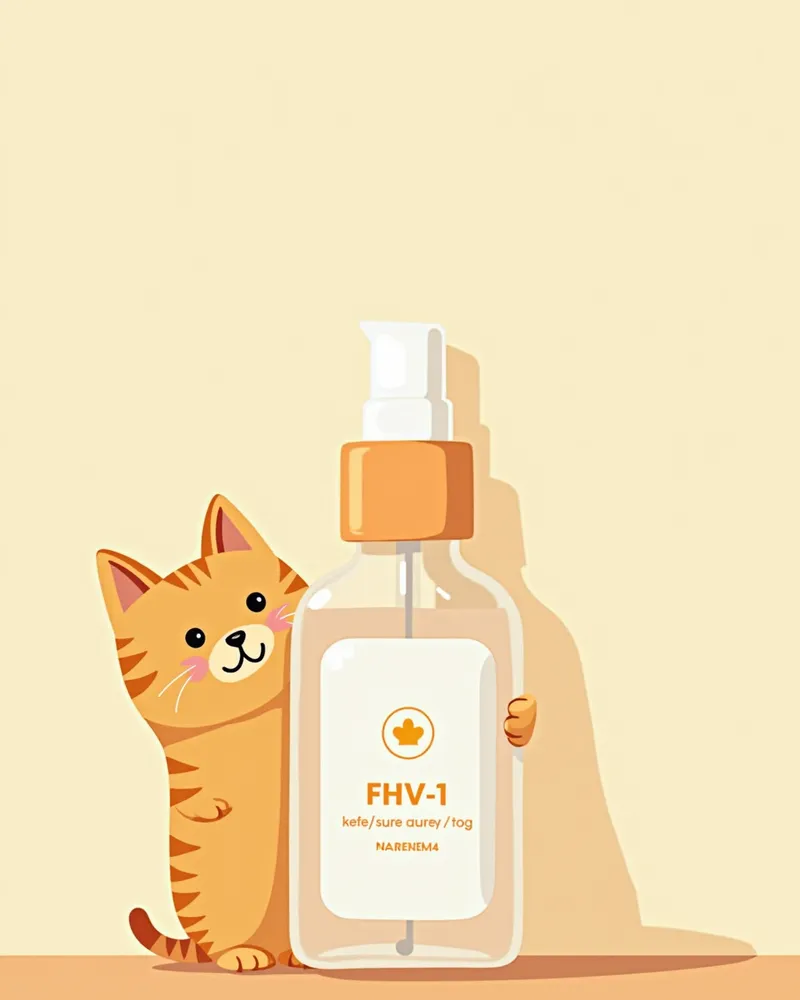
Laser Plus FHV-1 Care Spray contains immune-modulating ingredients that act directly on the respiratory mucosa of cats. Although there is limited clinical evidence supporting the product’s own antiviral efficacy, veterinary textbooks indicate that famciclovir is the most well-studied antiviral agent in cats and may help reduce the severity and duration of symptoms associated with recurrent infections. While some users have reported symptom improvement after use, these observations have not been confirmed by specific clinical evidence, and the causal relationship between the product and clinical outcomes remains unclear, warranting caution. In particular, claims that it is effective in preventing recurrences in stressful environments lack direct supporting evidence, so it should be considered as part of general management. Consistent use may help alleviate symptoms, but it is essential to use it under the guidance of a veterinarian.
LaserPlus FHV-1 Care Spray product image

BEST 2: Natural Immune Supplement (e.g., PetPlus Herpesvirus Care Capsules)
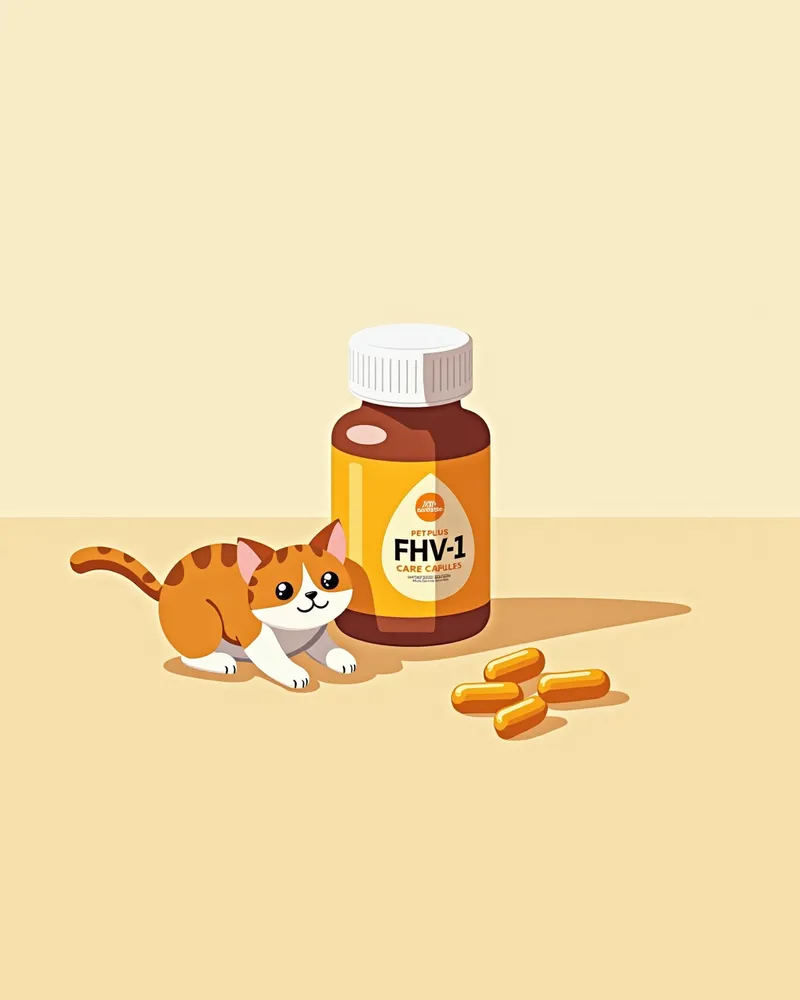
PetPlus Herpesvirus Care Capsules combine natural ingredients such as lemon balm, arnica, and vitamin C to support immune health as a dietary supplement. However, there is no clear evidence that this combination prevents recurrences of FHV-1 infection or provides sustained immune enhancement. Clinical data on these supplement ingredients are limited; for instance, even lysine, a commonly used ingredient, lacks evidence supporting its efficacy when administered orally. While long-term use is possible, there is no guarantee of minimal side effects, so it is essential to consult a veterinarian to confirm safety and suitability. Direct evidence regarding effectiveness in multi-cat households or during frequent environmental changes is also lacking, so these capsules may be considered only as a supplementary measure and must be used after professional consultation. Although consistent use may help maintain immune function, the supporting evidence remains limited.
Product image of PetPlus Herpesvirus Care Capsules

BEST 3: Stress-Relief Scent Product (e.g., Pet Spray Blooming Breeze)

Pet Spray Blooming Breeze uses natural, calming scent ingredients that can help reduce stress in cats. Since FHV-1 infections can recur due to stress, managing the environment to minimize stressors is important. Spraying the product in a room may help your cat feel more comfortable, but there is no clinical evidence that it directly alleviates respiratory symptoms. It should be viewed as part of environmental management rather than a direct treatment. It may be helpful in stressful situations such as moving, having visitors, or conflicts with other cats, although its effectiveness has not been clinically proven. While it can be considered as a daily stress management tool, it is safest to consult with your veterinarian before use.
An image showing the environment where Pet Spray Blooming Breeze is being used.

Comparison Table of BEST 1–3 Products: Functions, Ingredients, and Usage

ItemLaserPlus FHV-1 SprayPetPlus Care CapsulePetSpray Blooming Breeze
Main ingredientsImmune-modulating ingredient (antiviral effect not clinically proven)Lemon balm, arnica, vitamin CNatural aromatic ingredients (lavender, chamomile)
Main effectsMucosa protection; clinical evidence for antiviral effect is limitedMay help with immune management, but a direct effect is not provenMay help with stress relief and environmental stability
How to useTwice a day, spray around the noseOne tablet a day, taken with mealsOnce or twice a day, spray in the room
Recommended timingAt symptom onset, recurrence prevention (under veterinary guidance)Long-term prevention, immune management (after veterinary consultation)During stressful situations or environmental changes (as a supportive management tool)

Each product is for supportive treatment outside of hospital prescriptions. Consult a veterinarian if symptoms are severe. Clinical evidence for immune-boosting or stress-relief effects is limited, so they should be considered as part of supportive care.

Caution: Seek Veterinary Care Immediately if Symptoms Worsen

If your cat is experiencing difficulty breathing, loss of appetite, high fever, or excessive tearing, seek veterinary care immediately. Herpesvirus infections can lead to secondary bacterial infections, making early treatment essential. Pet owners should closely monitor any changes in symptoms.

Usage Tips: Practical Checkpoints to Maximize Effectiveness

It’s important to use the product at consistent times. On days with high stress, consider using the scent-based product more frequently. Keeping the environment clean and minimizing contact with other cats can also help prevent recurrence. Regularly tracking changes in your cat’s appetite and activity level can aid in early detection of issues. Consistent care is key. When visiting the vet, be sure to share details about the products you’ve been using. However, since clinical evidence for some products is limited, it’s best to view them as supportive tools for environmental and immune management rather than expecting them to serve as primary treatments.
Cat Herpesvirus Management Schedule and Environmental Cleaning Guide

Reviewed by a veterinarian

Dr. Tony — Punnawat Phongkittirak

Dr. Tony — Punnawat Phongkittirak

Veterinarian

A veterinarian who majored in veterinary medicine at Khon Kaen University, Thailand, and completed the IVSA program at North Carolina State University in the United States. Drawing on clinical experience at animal hospitals, he works in the pet healthcare field and is dedicated to building a digital care environment that connects pet parents with veterinarians.

Frequently Asked Questions

Can herpesvirus be treated?
While it is difficult to completely eradicate the virus, we can manage the condition by alleviating symptoms and reducing the frequency of flare-ups. Antiviral medications work by suppressing the virus rather than killing it outright, so it is important to follow your veterinarian’s guidance in combining prescription drugs with supportive supplements.
Do preventive vaccines work?
Yes, preventive vaccines help reduce the risk of infection. However, symptoms such as conjunctivitis can still occur in vaccinated cats, so if you have multiple cats or if your cat goes outside frequently, consider combining vaccination with proper environmental management.
Is it okay to take this product together with other medications?
While some pet owners use immune boosters alongside aromatic products, there isn't sufficient evidence to confirm that this combination is safe. To ensure your pet's well-being, always consult your veterinarian before combining these products with any medications.
What should I do if the condition keeps coming back?
It’s important to reduce stress factors and consistently manage your pet’s immune health. We recommend working with your veterinarian to develop a long-term care plan.
Can young kittens use it too?
Whether a product can be used depends on its ingredients. Always check the product instructions carefully or consult with your veterinarian before use.

Share

Related Guides

References

[1] Hartmann K, et al. (2020) Feline Herpesvirus-1 Infection: Clinical Features and Management. Journal of Feline Medicine and Surgery, 22(5), 401-412.

[2] Lappin MR, et al. (2018) Feline Upper Respiratory Infections: A Comprehensive Review. Veterinary Clinics of North America: Small Animal Practice, 48(3), 527-548.

[3] American Association of Feline Practitioners (AAFP). (2021) Feline Vaccination Guidelines. AAFP Feline Vaccination Advisory Panel.

This information is based on veterinary literature and does not replace diagnosis or treatment. Please consult a veterinarian for specific health concerns.

Metapet Co., Ltd. | CEO: Park Sung-yong | Business Reg. No. 417-88-02562 | Seoul, South Korea | Customer Center

Feline Herpesvirus Respiratory Care: Top 3 Products & Tips | Meongsiljang