
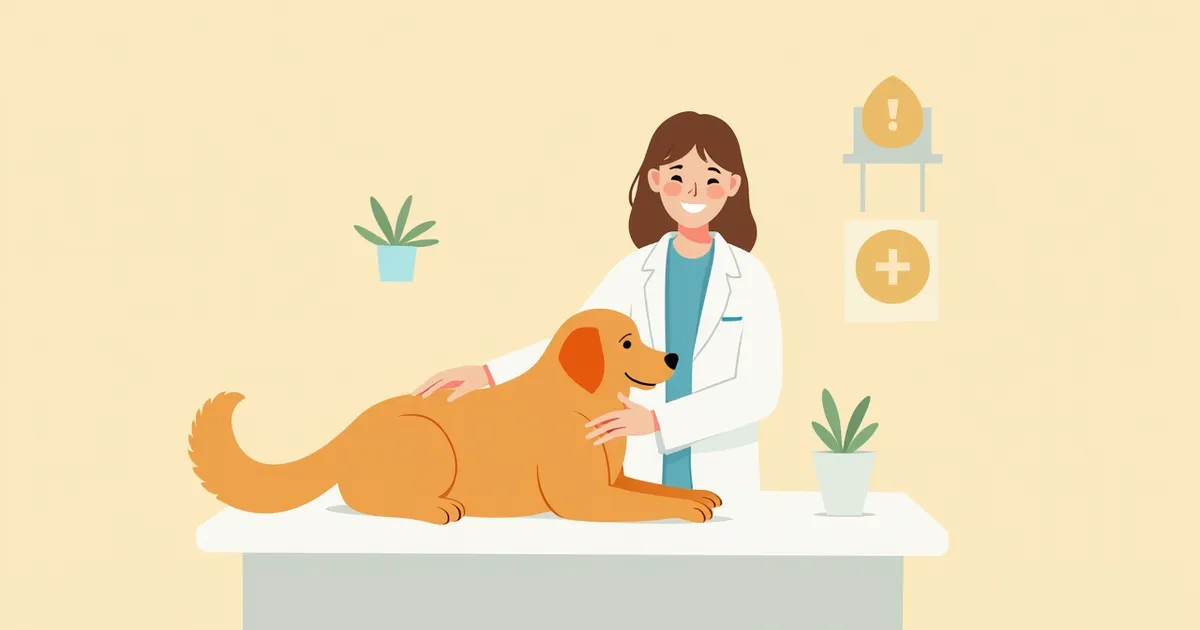
7 Vet-Recommended Strategies to Reduce Your Dog’s Fear of the Vet and How to Choose Them
We’ve compiled evidence-based strategies and products to help reduce your dog’s fear of the vet, grounded in veterinary behavioral science. Learn step-by-step approaches, from desensitization training to pheromone products and pressure vests.
Why Does Your Dog Fear the Vet Clinic, and How Can You Manage It?
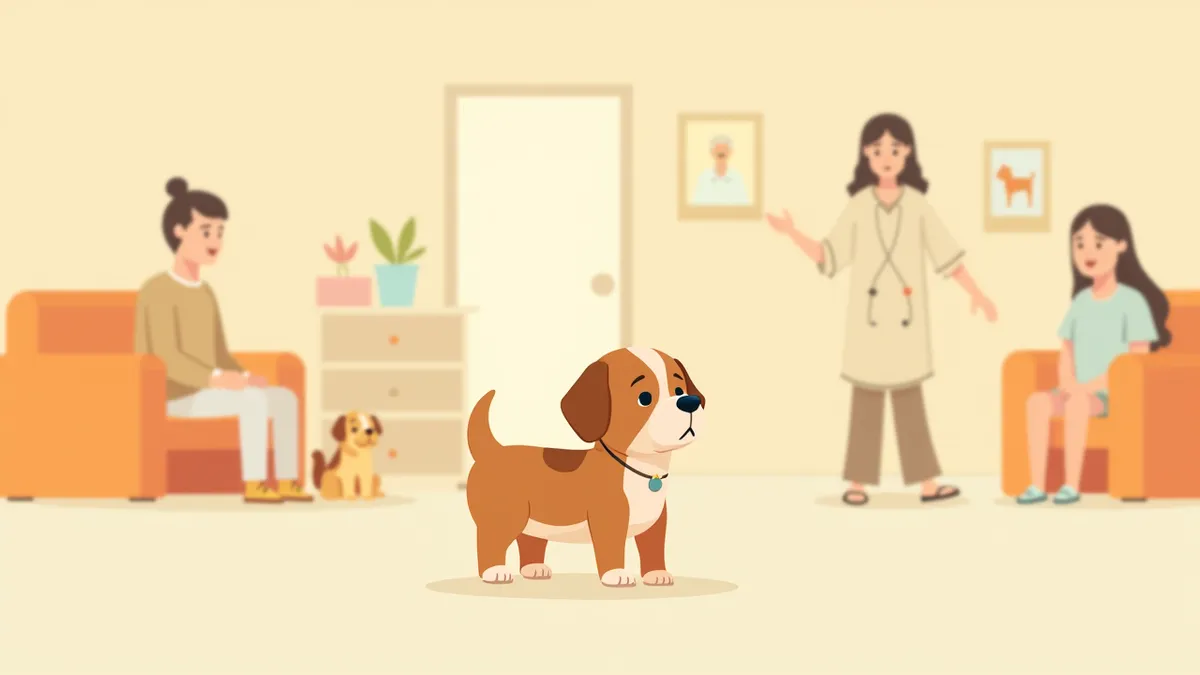
Symptom Checklist to Confirm If Your Dog Has Veterinary Fear
When to Consult a Veterinarian First
If your pet’s aggression is so severe that a veterinarian cannot perform an examination, if they repeatedly vomit or have accidents while still in the car, or if they refuse to eat for more than a day after a visit, general care alone is insufficient. In such cases, consultation with a veterinary behavior specialist and/or prescription medication may be necessary.
Criteria for Choosing a Management Approach — Assess These 3 Factors First

BEST 1 — Desensitization and Counterconditioning Training (The Most Evidence-Based Method)
BEST 2 — Dog Appeasing Pheromone Products (Non-Invasive, Ready to Use)

BEST 3 — Pressure Vests and Calming Supplements (For Same-Day Support)
Comparison of Effectiveness, Difficulty, and Cost by Management Method
| Item | Effect Intensity | Difficulty | Cost |
|---|---|---|---|
| Desensitization/counterconditioning training | ★★★★★ | High (requires consistent practice) | Treat cost only |
| Preventive visits (familiarization) | ★★★★☆ | Medium (requires regular visits) | Partial consultation fee |
| Pheromone products | ★★★☆☆ | Low (just wear it) | KRW 20,000~50,000/month |
| Pressure vest | ★★★☆☆ | Low (just wear it) | KRW 30,000~60,000 one-time |
| Calming supplement | ★★☆☆☆ | Low | KRW 10,000~30,000/month |
| Veterinary-prescribed sedative | ★★★★★ | Low (prescription required) | Includes clinic fees |
★ indicates relative effect intensity. Individual variation is large, and for severe fear, consult a veterinarian first.
Pre-Visit Preparation Routine — Follow This Order

Never Use Prescription Calming Medications Without a Veterinarian’s Prescription
Some owners may be tempted to give their dogs over-the-counter "calming supplements" without veterinary guidance. However, prescription calming medications must be carefully dosed based on your dog's weight and overall health. Incorrect dosages can lead to serious side effects, such as respiratory depression, so it's essential to use these medications only under the guidance of a veterinarian.
Reviewed by a veterinarian

Dr. Tony — Punnawat Phongkittirak
VeterinarianA veterinarian who majored in veterinary medicine at Khon Kaen University, Thailand, and completed the IVSA program at North Carolina State University in the United States. Drawing on clinical experience at animal hospitals, he works in the pet healthcare field and is dedicated to building a digital care environment that connects pet parents with veterinarians.
Reviewed 2026-06-01
Frequently Asked Questions
If a pet is afraid of the vet from a young age, will that fear persist into adulthood?
What is a preventive visit? Do I need to go to the vet even if my pet isn’t sick?
Do pheromone products work for all dogs?
My pet hates the carrier so much that I can’t get them inside. What should I do?
My pet is so fearful that the veterinarian refused to examine them. What should I do?
Share
Related Guides

7 Behavioral Enrichment Strategies for Mental Stimulation Recommended by Veterinarians

Top 5 Calming Supplements for Dogs and Cats in 2026

L-Theanine Effects and Calming Support

7 Products Recommended by Veterinarians to Alleviate Thunderstorm Phobia in Dogs

Top Management Recommendations and Selection Criteria for Canine Compulsive Tail Chasing

7 Best Ways to Manage Your Dog’s Aggression Toward Strangers, According to a Veterinarian, and How to Choose

Anxious When Left Alone: 7 Ways to Manage Separation Anxiety in Dogs and How to Choose Products

7 Management Strategies for Canine Compulsive Disorder — A Complete Guide to Causes and Selection Criteria

Our Fearful Puppy — 7 Best Management Strategies to Overcome Lack of Socialization

Why Is My Puppy Biting? — 7 Key Bite Correction Methods and Guidelines for Choosing Management Tools
References
[1] Lloyd, J.K.F. (2017). Reducing the Risk of Fear and Anxiety in the Veterinary Visit. Journal of the American Animal Hospital Association.
[2] Korpivaara, M., Laapas, K., Huhtinen, M. et al. (2017). Dexmedetomidine oromucosal gel for noise-associated acute anxiety and fear in dogs — a randomised, double-blind, placebo-controlled clinical study. Veterinary Record 180(14): 356.
[3] Stellato, A., Jajou, S., Dewey, C.E. et al. (2019). Effect of a standardized four-week desensitization and counter-conditioning training program on pre-existing veterinary fear in companion dogs. Animals 9(10): 767.
[4] Stellato, A.C., Flint, H.E., Dewey, C.E. et al. (2021). Risk-factors associated with veterinary-related fear and aggression in owned domestic dogs. Applied Animal Behaviour Science 241: 105374.
[5] Shaw, J.K. & Martin, D. (2022). Veterinary Guide to Preventing Behavior Problems in Dogs and Cats. Wiley Blackwell.