Like
Share
멍실장
강아지 구충(훅웜) 관리 추천 BEST와 고르는 기준 총정리

Top Recommended Hookworm Dewormers for Dogs and Selection Criteria

Infection/ParasitesTop PicksMeongsiljang Veterinary Advisory Board

Hookworms in dogs can cause anemia, diarrhea, and weight loss by parasitizing the gastrointestinal tract. It's important to choose effective deworming medications and proper management methods.

What Are Hookworm Dewormers for Dogs?
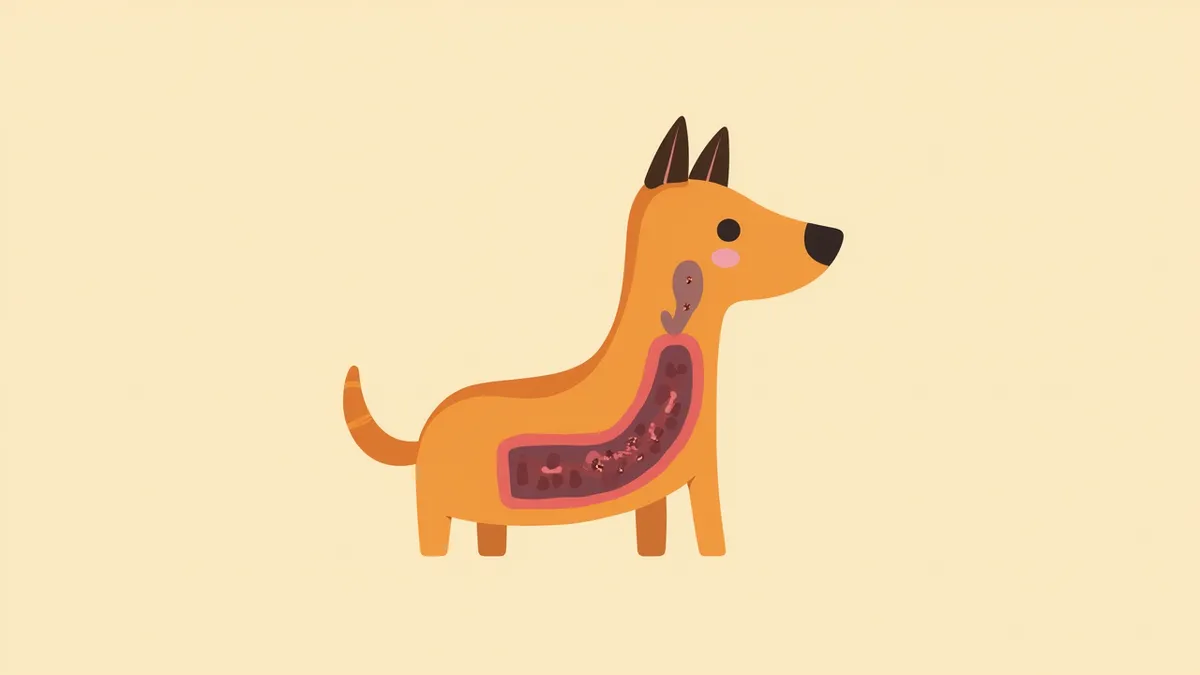
Intestinal images showing hookworm infestation in puppies
Hookworm dewormers for dogs are medications designed to eliminate or prevent hookworms, a type of intestinal parasite. Hookworms reside in the dog’s gastrointestinal tract, particularly the small intestine, where they can damage the intestinal lining and impair digestion. Severe infections may lead to anemia or weight loss, and in young puppies, anemia can become so severe that blood transfusions are necessary. Regular deworming is essential, and it’s important to consult your veterinarian to choose a product containing scientifically proven active ingredients. - Effectiveness: Opt for products that are effective not only against hookworms but also against other common intestinal parasites. - Safety: Ensure the product uses ingredients and dosages that are safe for puppies and pregnant dogs. - Ease of Administration: Products available in tablet or capsule form for oral administration are more convenient for regular use. - Ingredient Reliability: Choose products containing evidence-based active ingredients such as pyrantel pamoate or fenbendazole, which are proven to treat hookworm infections.

Criteria for Choosing Hookworm Dewormers for Dogs
When choosing a hookworm dewormer for your dog, carefully consider factors such as efficacy, safety, ease of administration, and your veterinarian’s advice. Following your vet’s guidance is the safest and most effective approach. - Spectrum of activity: Ideally, choose a product effective against hookworms and other intestinal parasites. - Safety: Always verify that the product is safe for puppies and pregnant dogs. - Ease of administration: Tablets or capsules that are easy to give are more convenient for ongoing care. - Dosing schedule: Recommended intervals vary by active ingredient. For example, pyrantel pamoate typically requires a second dose 7–10 days after the first, while fenbendazole is usually given for three consecutive days. Confirm the appropriate schedule with your vet to ensure consistent management. - Active ingredients: Select products containing proven deworming agents such as pyrantel pamoate or fenbendazole. - Drug resistance: Multidrug resistance in canine hookworms (Ancylostoma caninum) has been reported in some regions. If you notice reduced efficacy, consult your veterinarian.
Comparison image of different forms of deworming medication for hookworms in dogs

BEST 1: Premium Capsules for Hookworms
This dewormer contains ingredients proven effective against hookworms, such as pyrantel pamoate. When administered regularly at the correct dosage and frequency, it can help manage infections. Pyrantel pamoate is approved for all hookworm species and typically requires a second dose 7 to 10 days after the initial administration. Some products are suitable for dogs from puppies to adults and come in convenient oral formulations.
Pros: Helps prevent and eliminate hookworms; easy-to-administer oral capsules.
Cons: Relatively high cost.
Recommended for: Dogs suspected of hookworm infection, or households requiring regular preventive treatment.
BEST 1 Product Image: Hookworm-Specific Deworming Capsules

BEST 2: Multi-Parasite Prevention Spot-On Treatment
This is a topical dewormer containing ingredients effective against certain intestinal parasites. Macrocyclic lactones like moxidectin can exert systemic effects even when applied topically as a spot-on treatment, but their efficacy against hookworms varies depending on the parasite species. Therefore, it can be used as an adjunctive treatment for dogs that have difficulty with oral administration, and it must be applied strictly according to your veterinarian’s instructions.
Advantages: It can be used when oral administration is difficult, and it is relatively easy to apply.
Disadvantages: Caution is required for breeds with MDR1 (ABCB1) gene mutations, such as Collies and Shelties, due to the risk of neurotoxicity, and care should also be taken with dogs that have sensitive skin.
Recommended for: Dogs that strongly refuse oral medication (use only after consulting with a veterinarian).
BEST 2 Product Image: Multi-parasite Prevention Spray

BEST 3: Cost-Effective Hookworm Dewormer Powder

This cost-effective powdered dewormer can be easily mixed into food for convenient administration. Ingredients such as fenbendazole are typically administered orally at a dose of 50 mg/kg for three consecutive days and are effective against various intestinal parasites, including hookworms. However, the spectrum of efficacy may vary depending on the product and its active ingredients, so it is advisable to choose based on your specific needs and consult with your veterinarian.
Advantages: Relatively affordable price, easy to administer by mixing with food, and helpful for hookworm management.
Disadvantages: The spectrum of efficacy may vary depending on the active ingredient.
Recommended for: Households seeking economical parasite control where the pet does not refuse oral medication.
Top 3 Product Image: Economical Hookworm Dewormer Powder

Comparison Table of Dewormers BEST 1–3

ItemBEST 1 CapsuleBEST 2 SprayBEST 3 Powder
Active IngredientPyrantel pamoateMoxidectin (spot-on)Fenbendazole
Range of EffectIntestinal parasites such as hookwormsSome intestinal parasites such as hookworms (varies by species)Intestinal parasites such as hookworms
Method of UseOral capsuleSkin spot-onMixed with food
Dosing IntervalRe-dose after 7–10 daysFollow the veterinarian's instructionsAdminister for 3 consecutive days
Price RangeAbout $20About $20About $10

Recommended to take after consulting a veterinarian. Since the dosage and dosing interval differ by ingredient, confirm with a veterinarian, and be sure to check before use in young puppies (under 3 months).

Precautions and Contraindications

Hookworm dewormers carry a risk of toxicity in puppies or weak dogs if overdosed. If vomiting, lethargy, or seizures occur after administration, seek veterinary care immediately.

Tips for Using Dewormers
Depending on the active ingredients, dewormers may be recommended to be given with food or on an empty stomach, so it is most accurate to follow the product instructions and your veterinarian’s guidance. After administration, closely monitor your dog’s condition.
Verify administration method: Absorption requirements vary by ingredient, so confirm the recommended dosing instructions.
Post-administration monitoring: Watch for any vomiting or unusual behavior after giving the medication.
Record keeping: Log the date of administration to maintain a consistent deworming schedule.
Environmental hygiene: Clean up feces as soon as possible and always provide fresh, clean water to minimize contamination.
Separation from other dogs: Prevent contact with infected dogs or their feces, and stop your dog from ingesting soil or grass.
Tips for administering deworming medication: Keep records and maintain cleanliness

Reviewed by a veterinarian

Dr. Tony — Punnawat Phongkittirak

Dr. Tony — Punnawat Phongkittirak

Veterinarian

A veterinarian who majored in veterinary medicine at Khon Kaen University, Thailand, and completed the IVSA program at North Carolina State University in the United States. Drawing on clinical experience at animal hospitals, he works in the pet healthcare field and is dedicated to building a digital care environment that connects pet parents with veterinarians.

Frequently Asked Questions

When should I give my pet Hookworm dewormer?
Deworming typically begins in puppyhood, but the exact start time and dosing interval depend on the product and its active ingredients. It’s important to follow your veterinarian’s guidance for regular, timely deworming.
My pet vomited after taking deworming medication. Is this normal?
It could be a reaction to the medication. Mild vomiting usually resolves on its own over time, but if it persists or is accompanied by symptoms like lethargy or seizures, please visit the clinic immediately.
Can hookworms be transmitted to humans?
Yes, hookworms pose a zoonotic risk and can infect humans when larvae penetrate the skin. It’s important to maintain good hygiene by washing your hands thoroughly after handling your dog’s feces and promptly cleaning up waste.
Is it okay to take my pet for a walk right after giving them deworming medication?
While you don’t necessarily need to completely restrict walks, it’s best to let your pet rest briefly first so you can monitor for vomiting or any adverse reactions before allowing activity. For detailed guidance, please follow the product instructions and your veterinarian’s advice.
What should I do if I missed giving my pet deworming medication?
If you miss a dose, do not double up on the next scheduled dose. Consult your veterinarian to adjust the dosing schedule.

Share

Related Guides

References

This information is based on veterinary literature and does not replace diagnosis or treatment. Please consult a veterinarian for specific health concerns.

Metapet Co., Ltd. | CEO: Park Sung-yong | Business Reg. No. 417-88-02562 | Seoul, South Korea | Customer Center

Best Hookworm Dewormers for Dogs & How to Choose | Meongsiljang