
Like
Share
멍실장
강아지 부정맥(심방세동) 관리 추천 BEST와 고르는 기준 총정리

7 Heart Warning Signs of Canine Atrial Fibrillation (Arrhythmia) You Must Not Miss

HeartTop PicksMeongsiljang Veterinary Advisory Board

Canine arrhythmia (atrial fibrillation) is a serious condition in which the heart beats irregularly. It is important to work with your veterinarian to choose a tailored management plan.

Canine Arrhythmia (Atrial Fibrillation) Is a Serious Condition in Which the Heartbeat Becomes Irregular

ECG monitor screen of a dog with an irregular heartbeat
Canine arrhythmia, specifically atrial fibrillation, is a serious condition in which the heart’s atria contract rapidly and irregularly. This can impair blood circulation and lead to reduced cardiac function. Early detection is especially important for breeds with a genetic predisposition. The first step is to establish an accurate treatment plan through a veterinary diagnosis. Consistent care and regular check-ups are essential to maintain heart health. Early intervention plays a key role in preventing symptom progression.

Key Criteria for Choosing Canine Arrhythmia Management Products
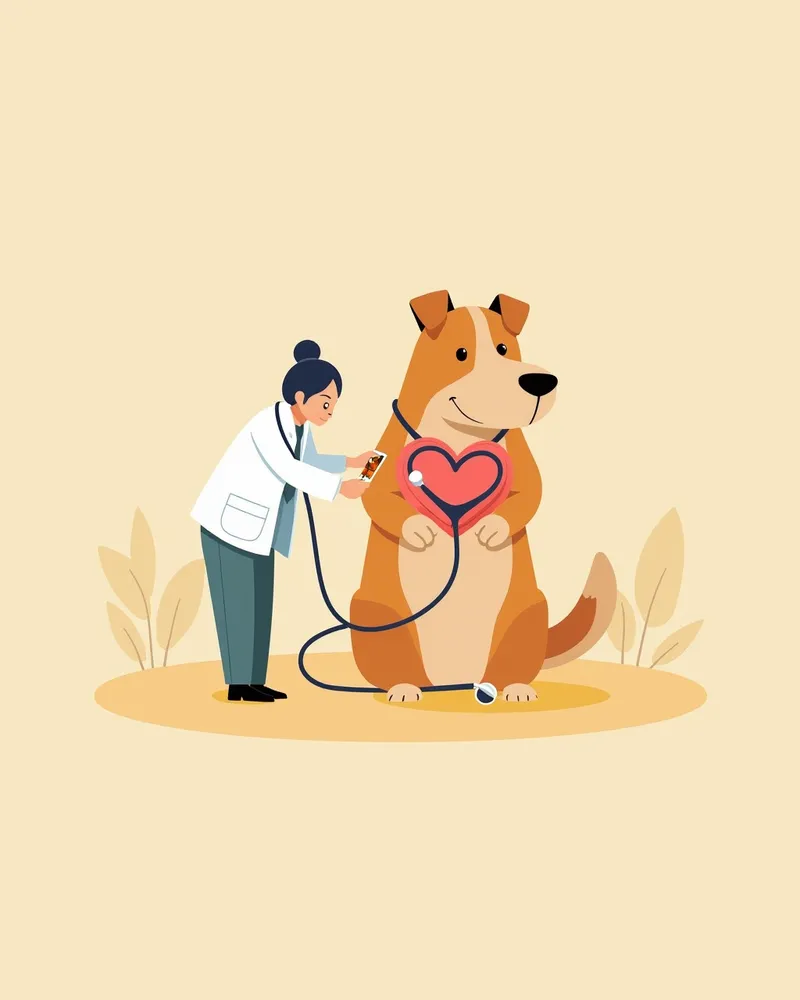
When selecting a product to manage your dog’s arrhythmia, it’s essential to carefully evaluate its safety, efficacy, and ease of administration. First, verify that the ingredients are scientifically backed, ideally recommended by veterinarians or validated through clinical studies. You must also confirm that the product is safe for long-term use and has no adverse interactions with other medications. Choosing a convenient format, such as tablets, sprays, or treats, can significantly improve compliance, while selecting products with clear authenticity certifications and manufacturing standards ensures reliability. Finally, consider both user reviews and expert evaluations to make a well-informed decision based on real-world experiences and professional insights.
A veterinarian listening to a puppy's heart with a stethoscope.

BEST 1: Canine Nutritional Supplement for Heart Health (Cardiac Function Improvement Type)

This product contains nutrients that support heart health. - L-Carnitine: A nutrient used as a supplement for dogs with heart disease. - CoQ10: An antioxidant often discussed as an additional supplement for dogs with heart disease. - Magnesium and Potassium: Minerals considered together in the nutritional management of heart disease. However, these supplements are strictly supportive and do not replace primary treatment. The cornerstone of managing atrial fibrillation is antiarrhythmic therapy prescribed by a veterinarian to control heart rate and rhythm. Efficacy and safety may vary by individual, so always consult your veterinarian before use and never use this product as a substitute for prescribed medication.
Bottle of heart health supplement for dogs

BEST 2: Complex Nutritional Supplement for Heart Rhythm Regulation (Medication Adjunct Type)

This product contains a blend of ingredients designed to support nutritional management for heart health. - Magnesium and Potassium: These are minerals commonly addressed together in the nutritional management of heart disease. - Vitamin B1: A nutrient known to play a role in energy metabolism. - Antioxidants: Ingredients often discussed as supplements for dogs with heart disease. However, please remember that these nutritional supplements are only supportive aids and cannot replace antiarrhythmic medications prescribed by a veterinarian. The cornerstone of treating atrial fibrillation is controlling heart rate and rhythm with prescribed medication. Even if you use supplements alongside medication, always consult your veterinarian and share your supplement usage records to check for potential interactions.
A puppy enjoying a heart-support supplement treat.

BEST 3: Canine Pet Food for Heart Health Care (Dietary Management Type)

This pet food is specially formulated with a balanced nutritional profile to support heart health. - Sodium Management: Treats and human foods often contain high levels of sodium, so it’s best to avoid excessive consumption. However, since dogs are generally less sensitive to sodium, an overly restrictive low-sodium diet may not be beneficial. It’s safest to consult your veterinarian to determine the appropriate sodium limits for your dog. - Omega-3 Fatty Acids: Some studies have reported that omega-3 fatty acids can help reduce ventricular ectopic beats. - Rich in Antioxidants: Antioxidants are often discussed as part of nutritional management for dogs with heart disease. However, diet alone cannot treat or prevent the recurrence of atrial fibrillation, and omega-3s cannot replace antiarrhythmic medication. It’s best to work with your veterinarian to maintain a balanced diet alongside prescribed medical treatment.
Special pet food bowls designed to support heart health

Comparison Table of BEST 1–3 Products: Ingredients, Efficacy, and Administration Method

ItemBEST 1 (Supplement)BEST 2 (Combination product)BEST 3 (Dietary product)
Main ingredientsL-carnitine, CoQ10Magnesium, Potassium, Vitamin B1Omega-3, Antioxidants, Sodium regulation
Main effectsCardiac nutritional supportCardiac nutritional supportNutritional support related to blood flow and inflammation
Administration method1 tablet per day (oral)1 tablet per day (oral)Mixed into meals (dietary product)
Recommended timingSupportive nutritional managementAdjunct to drug therapyLong-term nutritional management

Supplements and diets are only supportive measures; atrial fibrillation must be managed with antiarrhythmic treatment prescribed by a veterinarian. Check for possible drug interactions and always consult a veterinarian before choosing.

Caution: Potential for Drug Interactions

Dog arrhythmia management products can be used alongside medications prescribed by a veterinarian, but interactions may occur. In particular, products containing heart rhythm regulators and multiple ingredients can cause excessive reactions. Always consult your veterinarian before use and share your pet’s medication history.

5 Tips for Managing Canine Arrhythmia

Managing your dog’s arrhythmia (atrial fibrillation) hinges on consistent, ongoing care. Here are some practical tips you can incorporate into daily life.
Regular walks: Avoid strenuous exercise; instead, aim for short walks once or twice a day.
Stress management: Minimize noise and external stimuli by providing a calm, quiet environment.
Routine check-ups: Schedule cardiac examinations every three to six months.
Dietary adjustments: Avoid high-salt and high-fat foods, and maintain a balanced, healthy diet.
Medication logs: Keep a record of administration times and your dog’s responses, and share this information with your veterinarian.
A puppy looking at a calendar for its regular check-up.

Reviewed by a veterinarian

Dr. Tony — Punnawat Phongkittirak

Dr. Tony — Punnawat Phongkittirak

Veterinarian

A veterinarian who majored in veterinary medicine at Khon Kaen University, Thailand, and completed the IVSA program at North Carolina State University in the United States. Drawing on clinical experience at animal hospitals, he works in the pet healthcare field and is dedicated to building a digital care environment that connects pet parents with veterinarians.

Frequently Asked Questions

Can a dog's arrhythmia (atrial fibrillation) be treated?
Atrial fibrillation is often managed rather than cured. The cornerstone of treatment is controlling heart rate and rhythm with antiarrhythmic medications prescribed by your veterinarian. Depending on the individual case, procedures such as electrical cardioversion or ablation of accessory conduction pathways may also be considered. Since supplements and specialized diets serve only as supportive measures, please work with your veterinarian to develop a tailored management plan.
How many times a day should I administer the arrhythmia medication?
It varies by product. Generally, it’s safest to administer once daily with a meal. Always follow the label instructions or your veterinarian’s advice.
Can supplements replace medication?
No. Supplements are only adjuncts and cannot replace medication. Prescription medications from your veterinarian must be taken as directed.
Should I take my pet to the vet immediately if they develop an arrhythmia?
If your pet is experiencing severe difficulty breathing, collapsing, or if their mouth turns blue, you should take them to the vet immediately. These are signs of a serious heart problem.
Are there certain dog breeds that are more prone to atrial fibrillation?
Yes, atrial fibrillation is more commonly reported in large and giant breed dogs. The risk is also higher in dogs with heart conditions that cause the atria to enlarge, such as dilated cardiomyopathy (DCM) or mitral valve disease. If your dog belongs to one of these breeds or has an underlying heart condition, regular cardiac check-ups are essential.

Share

Related Guides

References

[1] Meurs KM. Genetics of Cardiac Disease in the Small Animal Patient. Vet Clin Small Anim Pract, 2010, 40:701–715.

[2] Textbook of Cardiovascular Medicine in Dogs and Cats. 2nd ed. Elsevier, 2018.

[3] Small Animal Critical Care Medicine, 3rd ed. Elsevier, 2020.

This information is based on veterinary literature and does not replace diagnosis or treatment. Please consult a veterinarian for specific health concerns.

Metapet Co., Ltd. | CEO: Park Sung-yong | Business Reg. No. 417-88-02562 | Seoul, South Korea | Customer Center

7 Heart Warning Signs of Canine Atrial Fibrillation You Can't Miss | Meongsiljang