Like
Share
멍실장
강아지 뇌하수체 종양 관리 추천 BEST와 고르는 기준 총정리

7 Key Pituitary Tumor Management Tips for Dogs Recommended by Veterinarians — From Symptoms to Care

EndocrineTop PicksMeongsiljang Veterinary Advisory Board

Pituitary tumors in dogs are growths that develop in the pituitary gland and can cause hormonal imbalances, making early diagnosis and proper management essential. Here’s a summary of effective management products and guidelines.

Pituitary Tumors in Dogs Are Hormonal Overproduction Disorders Occurring in the Pituitary Gland
An anatomical image showing the location and effects of a pituitary tumor in dogs
Pituitary tumors in dogs are growths that develop in the anterior lobe of the pituitary gland. Many of these tumors overproduce adrenocorticotropic hormone (ACTH), leading to elevated cortisol levels and causing pituitary-dependent hyperadrenocorticism, also known as Cushing’s disease. This condition is most common in middle-aged and older dogs. Early symptoms are often subtle, making early detection challenging. Additionally, as the tumor grows, it can compress surrounding brain tissue, potentially leading to neurological signs. Therefore, consistent monitoring and prompt diagnosis are essential. - Hormonal Imbalance: Excess ACTH and cortisol can cause polydipsia (excessive thirst), polyuria (frequent urination), increased appetite, abdominal distension, and thinning of the skin. - Early Diagnosis: Regular health check-ups, blood tests, and hormone function tests help monitor your dog’s condition. If needed, CT or MRI scans can confirm the presence of a mass. - Key Management Strategies: Treatment follows your veterinarian’s diagnosis and plan, which may include medications (such as trilostane or mitotane) or radiation therapy. Supplements play only a supportive role. - Consistent Care: Keep a detailed record of any symptom changes, maintain open communication with your veterinarian, and adjust the management plan as needed.

What Are the Key Criteria for Managing Pituitary Tumors in Dogs?

Managing pituitary tumors in dogs should focus on restoring hormonal balance and alleviating symptoms. - Accurate Diagnosis: A veterinarian must accurately determine the tumor type and hormone levels through MRI scans, blood tests, and other diagnostic tools. - Treatment Planning: The veterinarian will decide on the appropriate treatment plan—such as medication, surgery, or radiation therapy—based on your dog’s specific condition and circumstances. - Use of Supplements: Nutritional supplements can help relieve symptoms and support bodily functions, but they are not a substitute for medical treatment. - Lifestyle Adjustments: Regular walks, a stress-free environment, and consistent meal times are essential. - Regular Check-ups: Monitor hormone levels and overall health every 3 to 6 months. - Communication with Your Veterinarian: Consistently share any changes in symptoms or reactions to medication with your veterinarian.
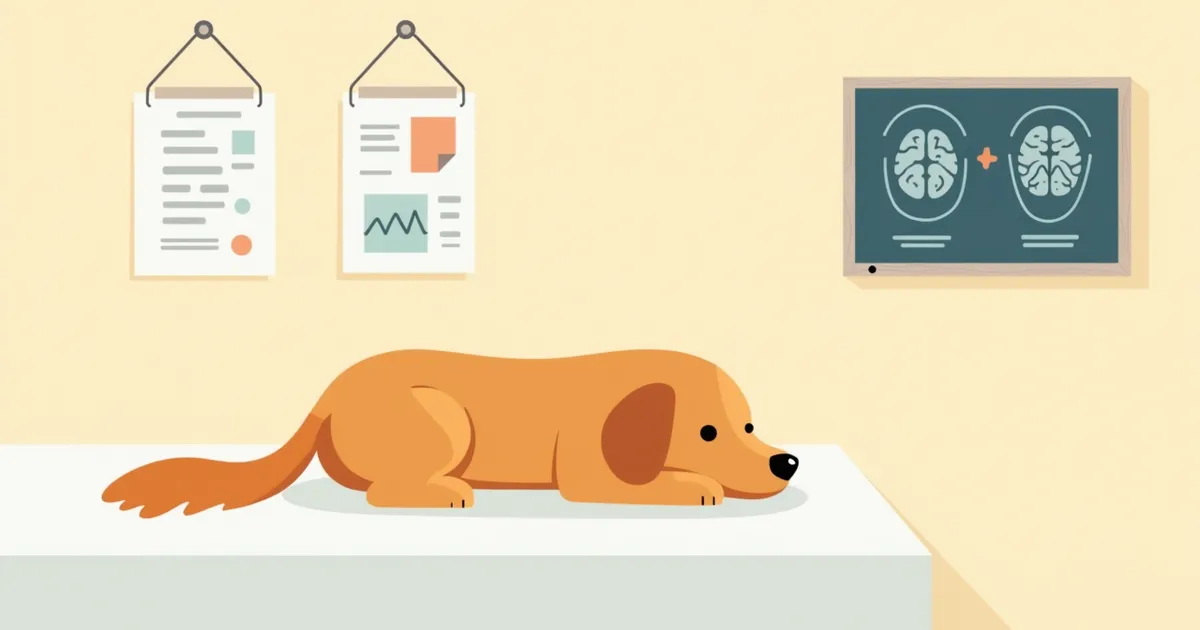
A scene of regular check-ups for managing pituitary tumors in dogs

BEST 1: Hormone Balance Supplement (e.g., Glucosamine + Vitamin E Complex)
This product is a supplement primarily containing glucosamine and vitamin E. However, there is no evidence that it treats pituitary tumors directly or regulates hormones; it should only be considered as a supportive measure to help maintain overall condition. - Glucosamine: Commonly used to support joint health, this ingredient may help reduce joint stress in middle-aged and older dogs, who are prone to decreased activity levels. - Vitamin E: Known for its antioxidant properties, but its therapeutic effect on pituitary tumors has not been proven. - Administration: Follow the product’s recommended dosage based on your dog’s weight, and always consult your veterinarian before giving it. - Precautions: Overdosing can cause adverse effects, so strictly adhere to the recommended amount. - Key Point: Supplements cannot replace medical treatments such as trilostane or mitotane, or radiation therapy; they serve only a supportive role.
Product image of a hormone supplement for managing pituitary tumors in dogs

BEST 2: Stress Relief Supplement (e.g., L-Theanine + Magnesium Complex)
As a pituitary tumor grows and presses on surrounding brain tissue, it can cause neurological symptoms such as lethargy, aimless wandering, and behavioral changes. While certain ingredients are sometimes mentioned to help support emotional stability, they do not treat the tumor itself. - L-Theanine: Known for its relaxing properties, but there is no evidence that it treats pituitary tumors. - Magnesium: A mineral involved in muscle and nerve function, used only as a supportive supplement. - Administration: Follow the product’s recommended dosage and administer with meals after consulting your veterinarian. - Supportive Role: When neurological symptoms are prominent, veterinary treatments such as radiation therapy take priority over supplements. - Precautions: Always consult your veterinarian before use, as interactions with other medications may occur.
A stress-relief supplement to support pituitary tumor management in dogs

BEST 3: Antioxidant Supplement (e.g., Selenium + Lutein Complex)

Antioxidants are often discussed in the context of cellular protection, but there is no evidence that they directly treat or prevent pituitary tumors. It is safest to view them strictly as a supportive measure. - Selenium: This mineral is noted for its antioxidant and immune-supporting properties. However, caution is required, as excessive intake can lead to toxicity. - Lutein: Known primarily for supporting eye health, this ingredient should be used only as a supplement. - Administration: Follow the product’s recommended dosage and consult your veterinarian before giving it to your pet. - Long-term Management: Tumors cannot be managed with supplements alone; regular check-ups, prescribed medications, and radiation therapy remain the core of treatment. - Supportive Role: Use these supplements only as an adjunct to your veterinarian’s treatment plan.
Antioxidant supplement for managing pituitary tumors in dogs

Comparison Table of BEST 1–3 Products

ItemBEST 1 (Glucosamine + Vitamin E)BEST 2 (L-Theanine + Magnesium)BEST 3 (Selenium + Lutein)
Main ingredientsGlucosamine, vitamin EL-theanine, magnesiumSelenium, lutein
Main effectsJoint protection, inflammation reliefNerve calming, stress reductionCell protection, antioxidant
How to give1 tablet per day1 capsule per day1 tablet per day
Recommended ageMiddle-aged and olderAll agesMiddle-aged and older

Adjust the dose according to your veterinarian's instructions. Overdosing may cause side effects.

Caution: Supplements Are Not a Treatment

Supplements only help alleviate symptoms and provide supportive care; the definitive treatment for pituitary tumors must follow your veterinarian’s diagnosis and treatment plan. Self-diagnosis or excessive use of supplements can be harmful to your pet’s health.

Tips for Managing Pituitary Tumors in Dogs

Create a home environment that helps reduce everyday stress. Regular walks and access to a quiet, safe space are essential. - Regular check-ups: Have hormone levels and overall health assessed every 3 to 6 months. - Record keeping: Consistently track changes in symptoms, food intake, and sleep patterns to facilitate clearer communication with your veterinarian. - Maintain a routine: Feed and walk your pet at consistent times each day. - Medication management: Set reminders to ensure no doses are missed. - Open communication: Share any changes in symptoms or reactions to medication with your veterinarian immediately.
Creating a stress-reducing environment for managing pituitary tumors in dogs

Reviewed by a veterinarian

Dr. Tony — Punnawat Phongkittirak

Dr. Tony — Punnawat Phongkittirak

Veterinarian

A veterinarian who majored in veterinary medicine at Khon Kaen University, Thailand, and completed the IVSA program at North Carolina State University in the United States. Drawing on clinical experience at animal hospitals, he works in the pet healthcare field and is dedicated to building a digital care environment that connects pet parents with veterinarians.

Frequently Asked Questions

Is a pituitary tumor in dogs curable?
Pituitary tumors are often difficult to cure completely. However, with proper management and treatment, it is possible to control symptoms and extend the pet's lifespan.
When should I start giving my pet supplements?
For safety, start using it only as a supplement to prescribed treatment, following your veterinarian’s diagnosis and treatment plan. Supplements do not replace medical treatment.
Can supplements and medications be taken together?
Some supplements can interact with medications. Always consult your veterinarian before giving them to your pet.
What are the main symptoms of a pituitary tumor?
Excessive thirst and urination (PU/PD), increased appetite, abdominal distension, and thinning of the skin are common. As the tumor grows, neurological symptoms such as lethargy, pacing, and gait abnormalities may also occur.
Is it safe to give supplements to my pet long-term?
It can be taken long-term under a veterinarian's guidance. Please ensure safety through regular check-ups.

Share

Related Guides

References

[1] Sheena Warman (2023) 100 Top Consultations in Small Animal General Practice. Wiley-Blackwell.

[2] Fundamentals of Veterinary Clinical Pathology, 3rd Edition (2022). Elsevier.

[3] BSAVA Manual of Canine and Feline Dermatology, 4th Ed (2021). British Small Animal Veterinary Association.

This information is based on veterinary literature and does not replace diagnosis or treatment. Please consult a veterinarian for specific health concerns.

Metapet Co., Ltd. | CEO: Park Sung-yong | Business Reg. No. 417-88-02562 | Seoul, South Korea | Customer Center

7 Vet Tips for Canine Pituitary Tumors: Symptoms to Care | Meongsiljang