Like
Share
멍실장
강아지 소음 공포증 관리 추천 BEST와 고르는 기준 총정리

If Your Dog Fears Thunder and Fireworks — 7 Best Ways to Alleviate Noise Phobia

Brain & CognitionTop PicksMeongsiljang Veterinary Advisory Board

I’ve compiled evidence-based veterinary strategies and products to help manage noise phobia in dogs. I’ll walk you through how to choose the right approach—from calming pressure wraps to veterinarian-prescribed medications—based on the severity of your dog’s symptoms.

What Is Noise Phobia in Dogs?
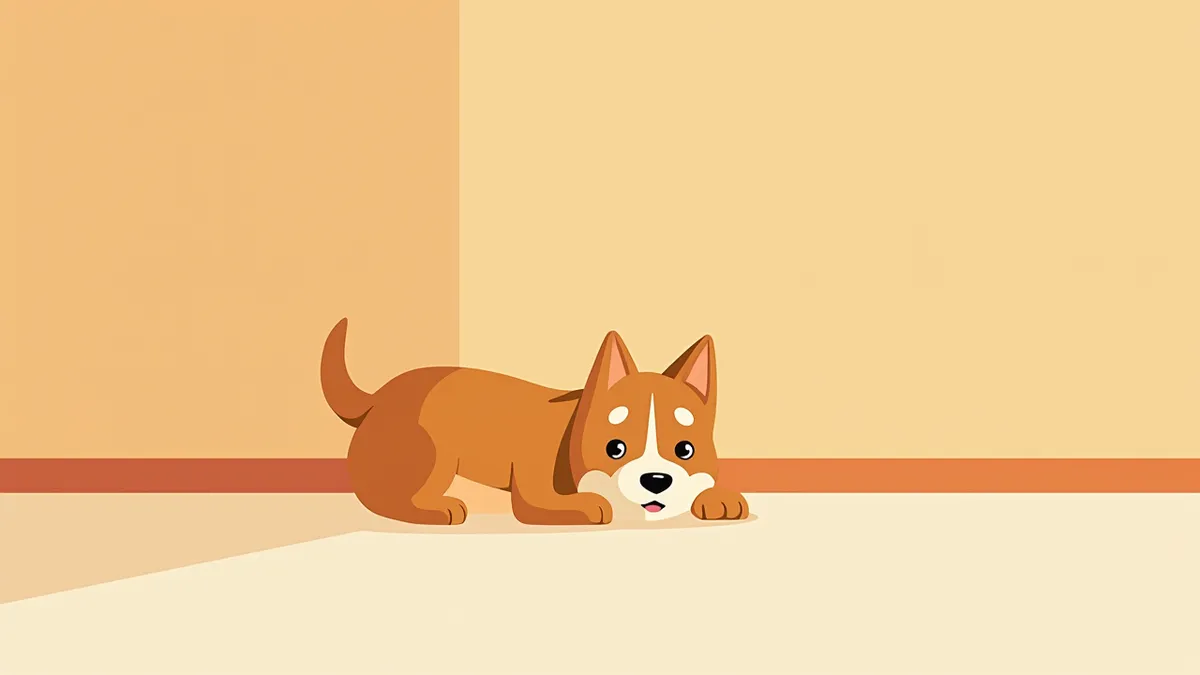
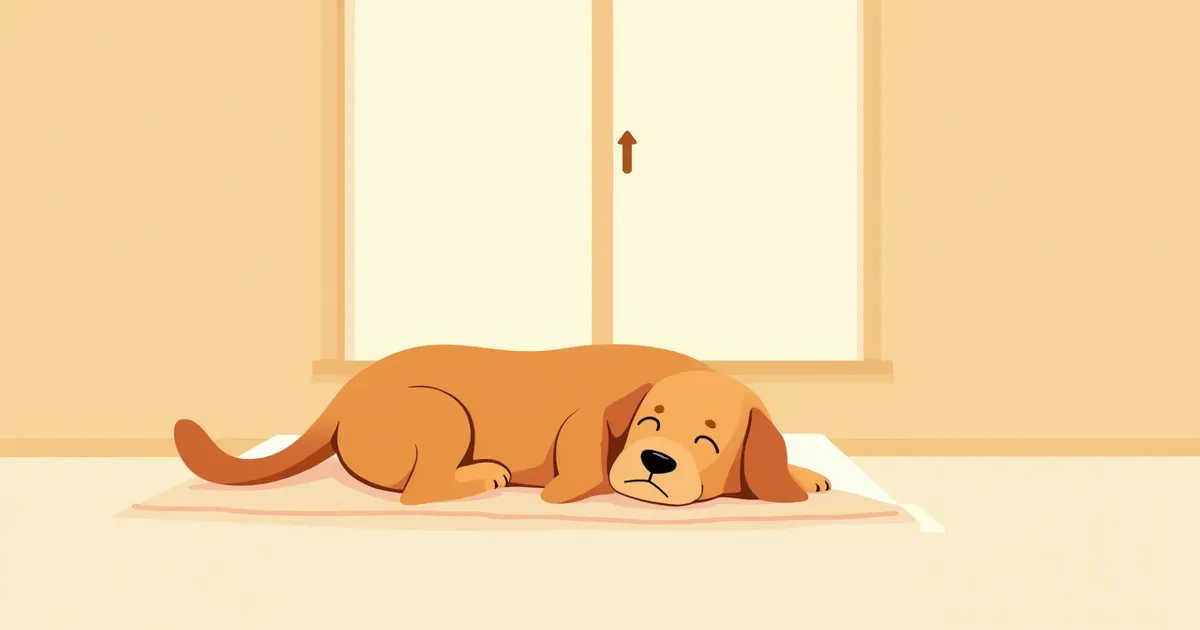
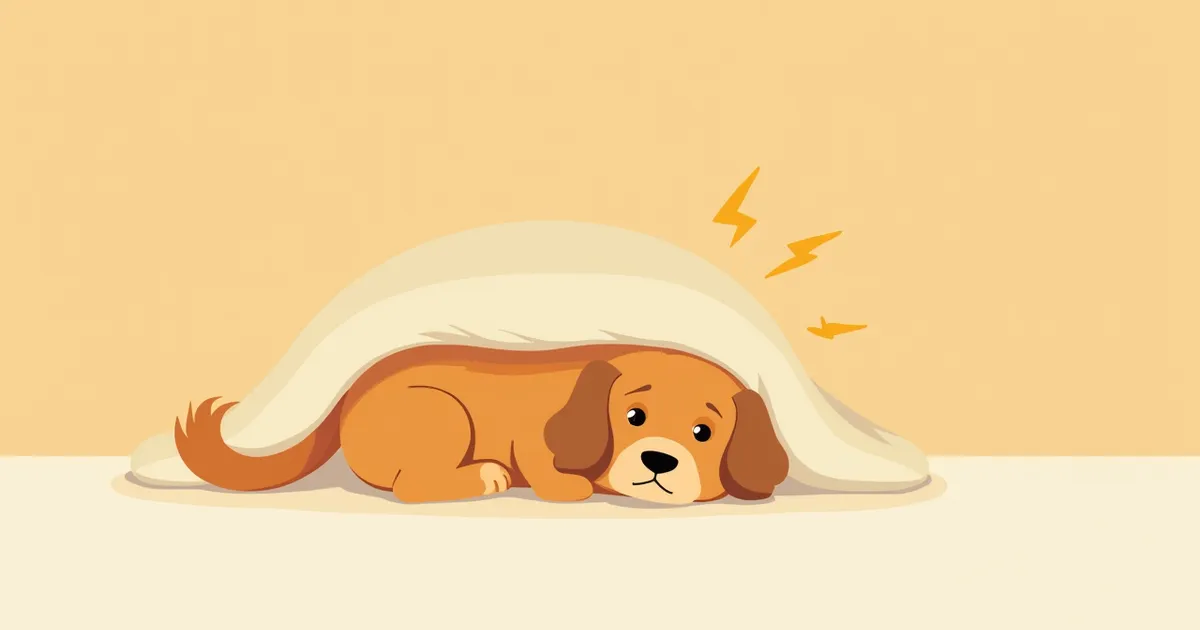
A puppy curled up in a corner due to noise phobia
Noise phobia in dogs is a behavioral issue where they exhibit excessive fear—such as hiding, trembling, or barking—in response to loud noises like thunder, fireworks, or construction. It’s important to understand that this goes beyond simply being a timid personality trait; the phobia itself can significantly disrupt daily life and tends to worsen over time. If left untreated, dogs may begin to fear the specific locations or situations associated with the noise, and any underlying physical issues, such as pain, can accelerate the worsening of anxiety. Therefore, the key is to intervene early with appropriate methods while the condition is still in its milder stages.

Noise Phobia Symptom Checklist — Don’t Miss These Signs

Tremors and stiffness: Loud noises may cause your pet to tremble all over or experience sudden muscle rigidity.
Hiding behavior: They may run to hide in confined spaces such as under the bed, in the bathroom, or inside a closet.
Panting and rapid breathing: When anxiety becomes extreme, they may breathe quickly and heavily.
Barking and whining: As soon as they hear a noise, they may bark or whimper continuously without stopping.
Destructive behavior: In severe cases, they may scratch or chew on doorframes and window frames.
Decreased concentration: They may fail to respond to commands they usually follow.
A dog's facial expression showing signs of noise phobia

If Noise Phobia Develops Suddenly, Visit the Vet First

If your dog suddenly develops a fear of loud noises or experiences a rapid worsening of this fear after reaching middle age (5 years or older), there may be an underlying physical issue such as pain. It’s important to remember that a dog appearing anxious or fearful might actually be in pain or distress. Since pain and fear can reinforce each other in a vicious cycle, it’s advisable to have your dog undergo a thorough physical examination at a veterinary clinic to rule out any medical causes before starting behavioral training.

Criteria for Choosing Management Methods — It Depends on Symptom Severity

The key to managing noise phobia is to tailor your approach based on the severity of the symptoms. Stage 1 (Mild Anxiety): Creating a safe environment, combined with desensitization and counterconditioning training, can be very helpful. Stage 2 (Moderate Anxiety): You can try using supportive tools like pressure wraps or pheromone (DAP) products alongside training. Stage 3 (Severe Panic): It is necessary to use veterinarian-prescribed medication in conjunction with behavioral therapy. Below, we’ve outlined recommended methods for each stage, along with the supporting evidence.

BEST 1 — Desensitization and Counterconditioning Training (Root Cause Solution)
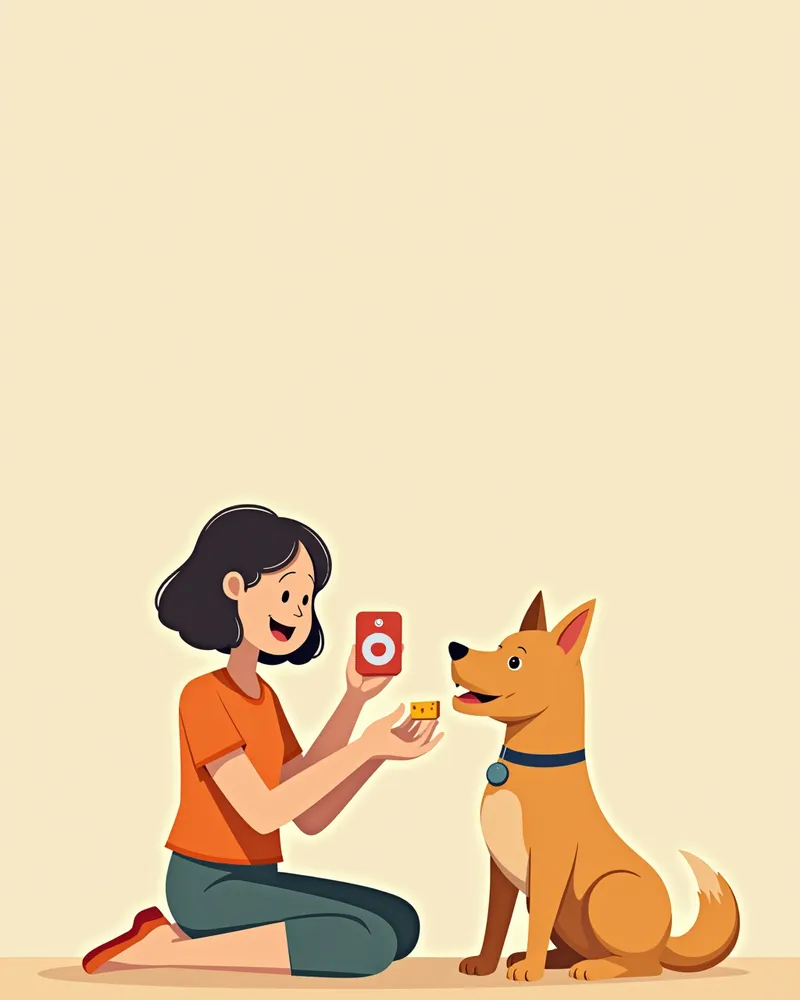
This approach addresses the root cause of noise phobia. Play thunder or fireworks sounds at a very low volume while simultaneously offering treats or playtime to create a new, positive emotional association, teaching your dog that "this sound equals something good." Timing is crucial: provide the reward immediately after the sound is heard. With consistent daily practice, you should start to see improvement within four to six weeks. It’s also important to practice in various locations around the house to ensure the effect generalizes to different environments. Puppies gradually exposed to a variety of sounds during their socialization period tend to exhibit significantly milder fear responses as adults.
A dog learning to adapt to sounds through desensitization training

BEST 2 — Calming Pressure Wraps

This supportive tool works on the principle that gentle, full-body wrapping provides consistent pressure, which can help your dog feel more secure. However, it doesn’t work equally well for every dog, so it’s best used as a supplement alongside other methods, such as desensitization training, rather than relying on it alone. When using it, please keep two key points in mind:
Timing of application: Put it on 15–30 minutes before the noise begins.
Fit check: It should fit snugly enough that you can slide one finger underneath. If it’s too loose or too tight, it may actually cause stress.

BEST 3 — Dog Appeasing Pheromone (DAP) Products

Dog-appeasing pheromone (DAP) products are designed to mimic the calming chemical signals released by a mother dog to soothe her puppies. They are available in plug-in diffusers, sprays, and collars. Veterinary textbooks recommend using pheromones as an adjunct therapy to support desensitization and counterconditioning training. Therefore, they tend to be more effective when used in combination with pressure wraps or desensitization training rather than as a standalone treatment. Since the effects may take several days to weeks to become noticeable, it’s best to start using them in advance of predictable stressful events, such as fireworks season or moving.

BEST 4 — Veterinarian-Prescribed Medications

For severe panic that cannot be managed with the methods described above, prescription medication from a veterinarian is necessary. For short-term situations (such as fireworks or thunderstorms), dexmedetomidine oral transmucosal gel provides rapid calming effects (Korpivaara et al., 2017). For chronic anxiety, anxiolytics are typically administered for several months. The specific medication, dosage, and administration schedule are determined by the veterinarian based on the dog’s weight and condition.
A puppy receiving counseling for noise phobia at an animal hospital

What You Must Never Do

It’s perfectly fine to calmly reassure your noise-sensitive dog by staying close and offering comfort. In fact, it’s more helpful to provide a safe space where your dog can hide or seek solace, empowering them to cope on their own. However, never scold or punish a frightened dog, as this will only intensify their anxiety. Additionally, avoid using “flooding”—forcibly exposing your dog to loud noises without veterinary supervision—as this can amplify fear and worsen the condition.

Reviewed by a veterinarian

Dr. Tony — Punnawat Phongkittirak

Dr. Tony — Punnawat Phongkittirak

Veterinarian

A veterinarian who majored in veterinary medicine at Khon Kaen University, Thailand, and completed the IVSA program at North Carolina State University in the United States. Drawing on clinical experience at animal hospitals, he works in the pet healthcare field and is dedicated to building a digital care environment that connects pet parents with veterinarians.

Frequently Asked Questions

Can noise phobia improve on its own over time?
It rarely resolves on its own. Phobias are progressive, meaning they tend to worsen with repeated exposure to the triggering event. Starting desensitization and counterconditioning training at an early stage is the most effective approach.
Does desensitization training still work once a dog has reached adulthood?
Yes, it works for adult dogs too. However, it may take longer than with puppies, and in severe cases, medication should be used alongside training to achieve better results. With the help of a veterinarian or a professional behavior consultant, progress will be much more stable.
Should the pressure garment be worn every time the pet is exposed to a noisy situation?
It can be worn as needed for supplemental support. Putting it on about 30 minutes before a noisy event gives your dog time to adjust. However, pressure garments alone aren’t a complete solution, so they work best when combined with foundational approaches like desensitization training. We recommend using them only in specific situations rather than leaving them on continuously.
My pet’s symptoms suddenly worsened during the fireworks season. What can I do right now?
For now, the most important thing is to create a calming environment. Draw the curtains, play TV or music to mask outside noises, and provide a safe space where your dog can hide. At the same time, it’s a good idea to use a DAP diffuser and begin preparing for desensitization training for the next season.
Is it safe to buy medication for noise phobia online?
No, that’s not advisable. Anti-anxiety and sedative medications are prescription drugs, and the appropriate medication and dosage vary from dog to dog. Administering human medications or unverified products without veterinary guidance can lead to serious side effects.

Share

Related Guides

References

[1] Bowen, J. 'The frightened dog.' In: Maddison, J.E. et al. (eds.), 100 Top Consultations in Small Animal General Practice. Wiley-Blackwell, 2011.

[2] Korpivaara, M., Laapas, K., Huhtinen, M. et al. (2017). Dexmedetomidine oromucosal gel for noise-associated acute anxiety and fear in dogs—a randomised, double-blind, placebo-controlled clinical study. Vet. Rec. 180(14): 356.

[3] Cottam, N., Dodman, N.H., and Ha, J.C. (2013). The effectiveness of the anxiety wrap in the treatment of canine thunderstorm phobia: an open-label trial. J. Vet. Behav. 8: 154–161.

[4] Lopes Fagundes, A.L. et al. (2018). Noise sensitivities in dogs: an exploration of signs in dogs with and without musculoskeletal pain using qualitative content analysis. Front. Vet. Sci. 5: 17.

[5] Howell, T.J. et al. 'Familiarization with Various Sounds.' In: Veterinary Guide to Preventing Behavior Problems in Dogs and Cats. Wiley-Blackwell, 2022.

This information is based on veterinary literature and does not replace diagnosis or treatment. Please consult a veterinarian for specific health concerns.

Metapet Co., Ltd. | CEO: Park Sung-yong | Business Reg. No. 417-88-02562 | Seoul, South Korea | Customer Center

Dog Scared of Thunder & Fireworks: 7 Ways to Ease It | Meongsiljang