Like
Share
멍실장
고양이 신우신염 관리 추천 BEST와 고르는 기준 총정리

Top 3 Recommended Products for Managing Feline Pyelonephritis and Selection Criteria

UrinaryTop PicksMeongsiljang Veterinary Advisory Board

Feline pyelonephritis is an inflammatory condition of the kidneys, making early diagnosis and proper management essential. Here’s a guide to selecting effective management products, along with our top three recommendations.

Feline Pyelonephritis Is an Inflammatory Condition of the Kidneys

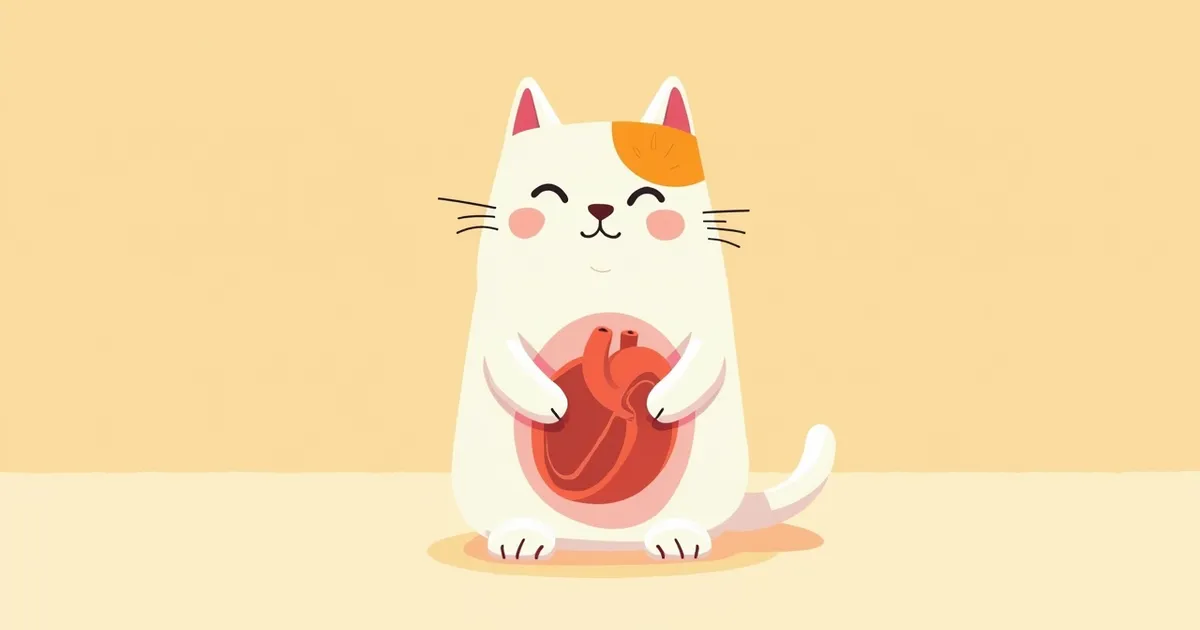
An anatomical image of an inflamed cat kidney
Feline pyelonephritis is an inflammatory condition that occurs when a bacterial urinary tract infection spreads to the kidneys (renal pelvis). Because clinical signs are often vague, diagnosis can be challenging. If left untreated, it can cause severe kidney damage and progress to chronic kidney disease, making early detection crucial. - Early diagnosis and consistent management: Since symptoms may not be obvious, it is essential to confirm the condition through veterinary examinations and evaluations such as ultrasound, and to establish a tailored treatment plan. - Lifestyle management for kidney protection: Ensuring adequate hydration, providing fresh clean water at all times, and reducing stress help maintain renal blood flow and function. - The importance of treating bacterial infections: Because pyelonephritis is often caused by bacterial infection, antibiotic therapy prescribed by a veterinarian is central to treatment, and supportive care cannot replace it. - Ease of administration for cats: The form of medication—capsules, liquids, or powders—can be chosen based on the cat’s administration preferences and appetite, with mixing into food or water being common methods.

Four Key Criteria for Selection

When selecting a management product for feline pyelonephritis, be sure to check these four key criteria. - Lifestyle management for kidney protection: Increasing water intake, always providing fresh, clean water, and managing the environment to reduce stress all help maintain kidney function. - Suitability of renal therapeutic diets: Renal therapeutic diets, which limit phosphorus and appropriately reduce protein and sodium, can help improve your cat’s quality of life and survival. It is best to consult with your veterinarian before choosing one. - Ease of administration for cats: Choose a form—such as capsules, liquids, or powders—that is easy for your cat to consume, and consider whether it can be mixed into food or water. - Veterinary recommendation: Since bacterial infection treatment is central to managing pyelonephritis, following your veterinarian’s diagnosis and recommendations is the safest and most reliable approach. By considering these four factors together, you can establish a management plan tailored to your cat’s needs.
A cat inspecting a supplement, considering selection criteria

BEST 1: Renal Ease Protein Capsules

Renal Ease Protein Capsules can be considered as a supportive supplement for managing feline pyelonephritis, serving to complement kidney health care alongside veterinary treatment. - Approach to maintaining kidney function: It is important to closely monitor symptoms such as frequent urination or changes in urine volume, and to establish a management plan under veterinary guidance. - Ease of administration: The small capsule size makes it easy for cats to swallow, and mixing it into their food is a common method of administration. - Protein intake considerations: Cats with kidney disease are advised to maintain protein levels at an appropriate range without excessive restriction; therefore, any protein supplementation should only be decided after consulting with a veterinarian. - Veterinary consultation recommended: Since bacterial infection treatment is the priority for pyelonephritis and supplements do not replace medical therapy, it is safest to consider this product as part of daily management only after a veterinary evaluation, especially for cats with chronic kidney issues.
Capsule product for managing feline pyelonephritis

BEST 2: PetWell Kidney Care Liquid

PetWell Kidney Care Liquid is a palatable liquid supplement designed for easy administration to cats. - Taste and aroma: Formulated with flavors that appeal to cats, it minimizes rejection and makes dosing relatively straightforward. - Key ingredients: The formula supports hydration and appetite maintenance. It should be used alongside comprehensive environmental management, including ensuring adequate water access. - Administration: Give once daily, easily administered with a straw or spoon alongside meals. - Precautions: Long-term efficacy and safety of supplements vary by product, so whether to use this supplement and the appropriate dosage must be determined by your veterinarian. While it can be tried in cats with reduced appetite, it should always serve as part of a broader management plan centered on veterinary treatment.
A cat drinking a liquid supplement

BEST 3: Premium Kidney Care Powder

Premium Kidney Care Powder is a product you can try as part of daily management to support your cat’s kidney health. - Ingredient Composition: While reducing additives can lessen the burden on your pet, this product does not guarantee therapeutic effects on its own and should be used alongside environmental adjustments. - Mitigating Oxidative Stress: Although antioxidant ingredients are included in renal therapeutic diets, the direct therapeutic effect of supplements alone has not been proven in veterinary medicine. - Maintaining Appetite: A palatable flavor can stimulate appetite and help ensure adequate calorie intake, which is a key goal in managing kidney disease. - Ease of Administration: It is easy to mix with food or water, and adjusting the dosage is straightforward. - Long-Term Use: Use this product as part of ongoing management under your veterinarian’s guidance. The degree and duration of improvement may vary depending on the condition of the kidney lesions.
Natural powder product for protecting cats' kidneys

Comparison Table of BEST 1–3 Products

ItemKidney Care Protein CapsulePetWell Kidney Care LiquidPremium Kidney Care Powder
Key IngredientsLifestyle management materials related to maintaining kidney functionIngredient combination that may contribute to hydration and appetite maintenanceFocused on ingredients that aid antioxidant support and environmental regulation
FormCapsuleLiquidPowder
Ease of AdministrationTrueTrueTrue
Additional EffectsLinked to lifestyle management and stress reductionAppetite stimulation and hydration promotionAntioxidant support and environmental regulation centered on natural ingredients

All products meet veterinarian-recommended standards, and dosage should be adjusted according to the cat's weight and condition.

Side Effects May Occur with Overdose

Kidney supplements can cause side effects if taken in excess. This is especially true for cats with already compromised kidney function, as their kidneys may struggle to handle the added load. A veterinarian should determine the appropriate dosage based on your pet’s weight and overall health. If you notice any unusual symptoms while administering the supplement, stop use immediately and consult your veterinarian.

Usage Tip: Consistent Management Is Key
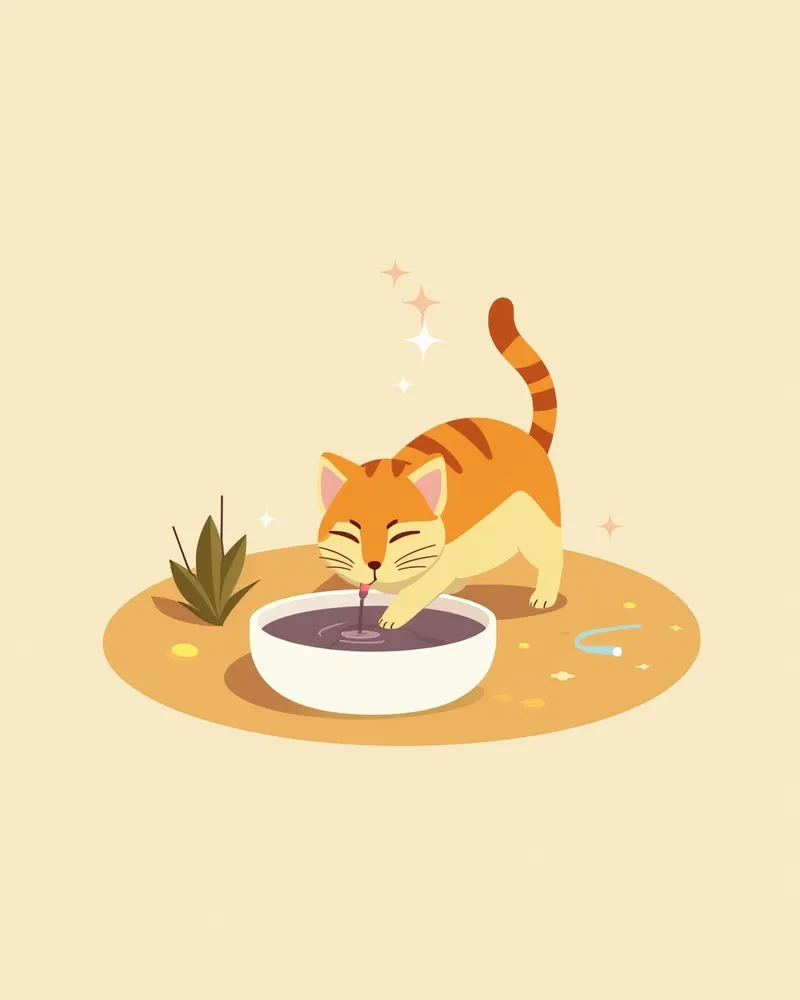
Managing feline pyelonephritis is not a short-term process; long-term care is essential. - Regular check-ups: It is important to consult with your veterinarian regularly to monitor your cat’s condition and adjust the treatment and medication plan as needed. Following your veterinarian’s guidance is highly recommended. - Ensuring adequate water intake: Always provide fresh, clean water and place multiple water bowls around the home to encourage hydration. Sufficient fluid intake is a crucial management factor that helps maintain renal blood flow and tissue perfusion. - Maintaining a comfortable environment: Provide a quiet, stable environment and increase playtime to help your cat feel relaxed and comfortable. - Considering a diet change: Renal therapeutic diets, which are formulated with reduced phosphorus and sodium and appropriately adjusted protein levels, should be transitioned to gradually after consulting with your veterinarian for safety. Using a kidney-specific diet recommended by your veterinarian is advisable. - Tracking medication records: Keeping a consistent log of medication administration, whether in a diary or via an app, can aid in management. Maintaining these records is important for effective communication with your veterinarian.
A cat drinking water, creating an environment that encourages hydration

Reviewed by a veterinarian

Dr. Tony — Punnawat Phongkittirak

Dr. Tony — Punnawat Phongkittirak

Veterinarian

A veterinarian who majored in veterinary medicine at Khon Kaen University, Thailand, and completed the IVSA program at North Carolina State University in the United States. Drawing on clinical experience at animal hospitals, he works in the pet healthcare field and is dedicated to building a digital care environment that connects pet parents with veterinarians.

Frequently Asked Questions

Can feline pyelonephritis be cured?
It depends on the underlying cause. If the issue is caused by a bacterial infection, symptoms can often be alleviated with antibiotic treatment under a veterinarian’s guidance. However, if the condition has become chronic, the focus shifts to ongoing management. In these cases, the goal is not necessarily a complete cure, but rather maintaining the pet’s condition and preventing the lesions from worsening.
When should I start giving the supplement?
It’s safest to begin treatment after a veterinarian’s diagnosis, taking into account the disease’s progression and your pet’s condition. Early management can help protect kidney function, but a treatment plan should always be developed together with your veterinarian.
Can supplements and medications be taken together?
Administer as directed by your veterinarian. Impaired kidney function can reduce drug excretion, increasing the risk of side effects, and some supplements and medications may interact with each other, so consult a professional before combining them.
What should I do if my pet’s symptoms worsen after taking the supplement?
Stop giving the medication immediately and consult your veterinarian. Worsening symptoms may indicate side effects or progression of the underlying condition, so prompt action is essential.
How should I choose food to support my pet’s kidney health?
Choose a renal therapeutic diet with appropriately restricted phosphorus and sodium. Using a kidney-specific food recommended by your veterinarian is the safest option, and it’s best to transition gradually.

Share

Related Guides

References

[1] Hartmann K, Levy J. Feline infectious diseases: Self-assessment color review (veterinary self-assessment color review series). Boca Raton, FL: Taylor & Francis; 2011.

[2] Paltrinieri S, Crippa A, Comerio T, et al. Evaluation of inflammation and immunity in cats with spontaneous parvovirus infection: consequences of recombinant feline interferon–omega administration. Vet Immunol Immunopathol. 2007;118(1-2):68–74.

[3] Low HC, Powell CC, Veir JK, et al. Prevalence of feline herpesvirus 1, Chlamydophila felis, and Mycoplasma spp DNA in conjunctival cells collected from cats with and without conjunctivitis. Am J Vet Res. 2007;68(6):643–648.

This information is based on veterinary literature and does not replace diagnosis or treatment. Please consult a veterinarian for specific health concerns.

Metapet Co., Ltd. | CEO: Park Sung-yong | Business Reg. No. 417-88-02562 | Seoul, South Korea | Customer Center

Feline Pyelonephritis: Top 3 Products & Selection Guide | Meongsiljang