Like
Share
멍실장
강아지 구강 세정 제품 비교 관리 추천 BEST와 고르는 기준 총정리

Top 3 Dog Oral Care Products: Comparison, Recommendations, and Selection Guide

Oral HealthTop PicksMeongsiljang Veterinary Advisory Board

Your dog’s oral health is key to preventing dental disease. We’ve put together an easy-to-read guide on how to choose an effective oral care product, along with our top three recommendations.

Dog Oral Care Products Are the First Step to Dental Health
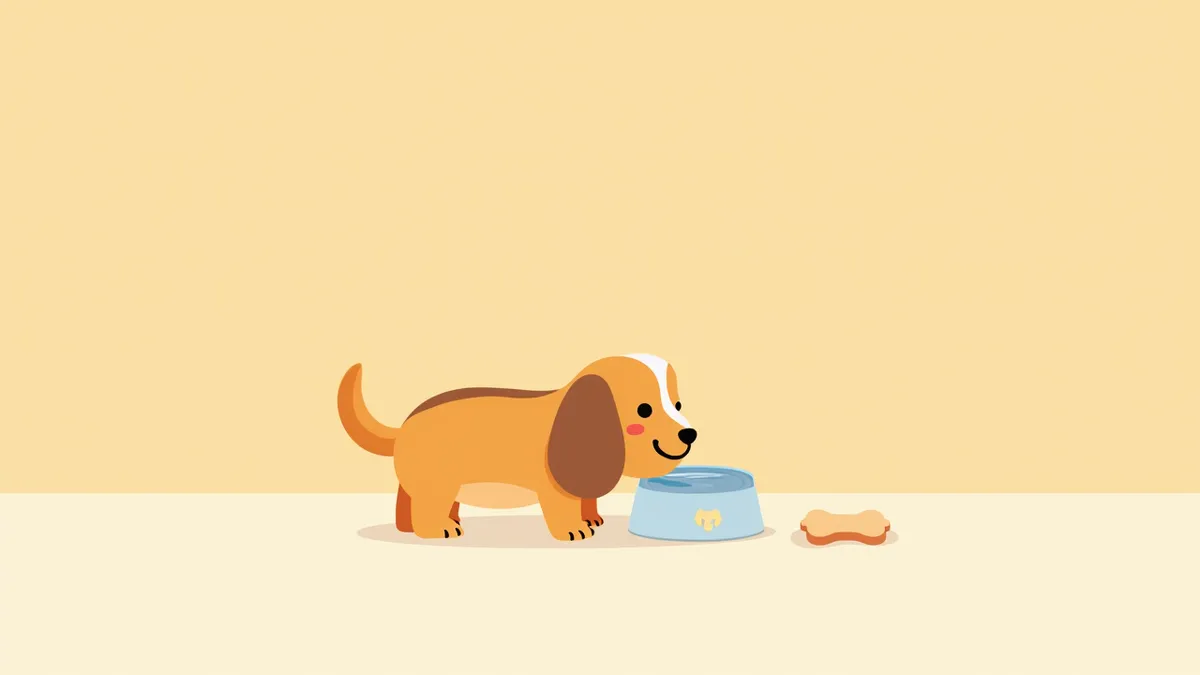
A puppy enjoying a treat designed for dental care.
Your dog’s oral health is directly linked to the prevention of tartar (dental calculus), gingivitis (gum inflammation), and bad breath. However, bad breath doesn’t always indicate an oral issue; it can also stem from other causes, such as gastrointestinal or kidney problems. Consistent oral care helps reduce tartar and gingivitis, lowering the risk of periodontal disease. - Chlorhexidine ingredient: Multiple in vitro studies have identified chlorhexidine as the most effective antibacterial agent for inhibiting bacterial growth. - Spray format: The spray can be applied directly into the mouth, making it relatively easy to use. - Convenience: It is portable, and once your dog gets used to it, resistance tends to decrease. - Caution with eye contact: Chlorhexidine can cause irritation or toxicity if it comes into contact with the eyes, so apply it only around the mouth. Most products are designed for use once or twice daily, after meals.

5 Key Criteria for Choosing Dog Oral Care Products

When choosing an oral care product for your dog, consider its ingredients, safety, ease of use, duration of effect, and palatability. Each of these factors directly impacts the product’s effectiveness and safety, so be sure to check them carefully.
Check for effective ingredients: Products containing chlorhexidine, which has been shown in in vitro studies to have excellent antibacterial properties, are a reliable choice.
Non-toxic and safe if swallowed: Since dogs cannot spit or rinse after use, it is safer to avoid ingredients that can be harmful if ingested over time, such as those found in human toothpastes or fluoride.
Ease of use: Choose a format that suits your dog, such as a spray, gel, or wipe.
Palatable flavor: Products with flavors dogs enjoy are more likely to be accepted, making them easier to use.
Verify scientific backing: Many products on the market lack sufficient scientific evidence, so consult your veterinarian to make a careful, informed choice.
Applying a dental cleanser to your dog's teeth

BEST 1: Chlorhexidine Spray Oral Cleanser

This product features chlorhexidine as its main ingredient, powerfully suppressing harmful bacteria in the mouth. Its spray format allows it to reach deep into your dog’s mouth for thorough cleaning. - Contains chlorhexidine: Offers excellent antibacterial action and helps prevent tartar buildup. - Improved palatability: The sweet scent ensures your dog won’t resist it. - Easy to use: The bottle-style spray is portable and easy to apply by hand. - Recommended daily use: For optimal results, apply 1–2 times daily within 30 minutes after meals. It’s especially suitable for long-haired breeds or dogs with severe bad breath.
Spraying an oral cleanser on a puppy

BEST 2: Dental Cleaning Gel (Wipe Type)

This product comes in a gel form that gently cleans your dog’s mouth. It is as portable as a wet wipe and easy to dispose of after use, making it convenient for maintaining hygiene. - Contains chlorhexidine: Studies have shown excellent antibacterial properties, which may help manage tartar and gingivitis. - Caution with fluoride: Since dogs cannot rinse their mouths, ingesting fluoride over a long period can be harmful. It is safer to avoid human toothpaste or fluoride products. - Easy to use: It can be applied relatively easily, even to dogs who dislike having their mouths opened. - Recommended usage: Use once or twice daily, preferably after meals. It is particularly suitable for senior dogs or sensitive dogs who may be difficult to train.
A puppy having its mouth wiped with a dental cleansing wipe.

BEST 3: Dental Cleaning Capsule (Treat Type)

This product comes in a capsule form that can be consumed like a treat, allowing dogs to take it naturally. It is convenient and easy to use without any training, seamlessly integrating into daily routines. - Contains Chlorhexidine: Helps maintain oral hygiene through its antibacterial properties. - Easy Administration: Simply follow the recommended dosage on the product label and administer after meals. - Scientific Evidence Needed: Many oral supplements and treat-type products on the market lack sufficient scientific backing, so consult with a veterinarian before using them as a supplement. - Suitable for Senior Dogs: This product can be used with minimal stress for older dogs who may have difficulty opening their mouths. However, it is best used alongside other care methods, such as brushing, rather than relying solely on it to eliminate bad breath.
A puppy eating a dental cleaning treat capsule

Comparison Table of BEST 1–3 Oral Care Products

ItemProduct TypeMain IngredientUsageRecommended Breed
BEST 1 Spray TypeChlorhexidineSpraySpray inside the mouthBreeds with lots of fur
BEST 2 Gel Wipe TypeChlorhexidineWipe with a wet wipeConvenient to carryDogs that are hard to open their mouths
BEST 3 Capsule Treat TypeChlorhexidineEat like a treatUse without trainingSenior dogs

Fluoride can be harmful if swallowed by a dog, so avoid it, and always check the product label for ingredients and usage

Caution: Excessive Use Can Be Harmful to Teeth

It’s important to follow the recommended dosage and frequency listed on the label when using chlorhexidine products. Prolonged exposure to high concentrations above 0.5% or contact with the eyes can cause irritation or toxicity, so apply only the specified amount around the mouth and avoid exceeding the recommended dose. If you notice any abnormalities in the mouth after use, stop using the product and consult your veterinarian.

Tips for Using Dog Oral Care Products
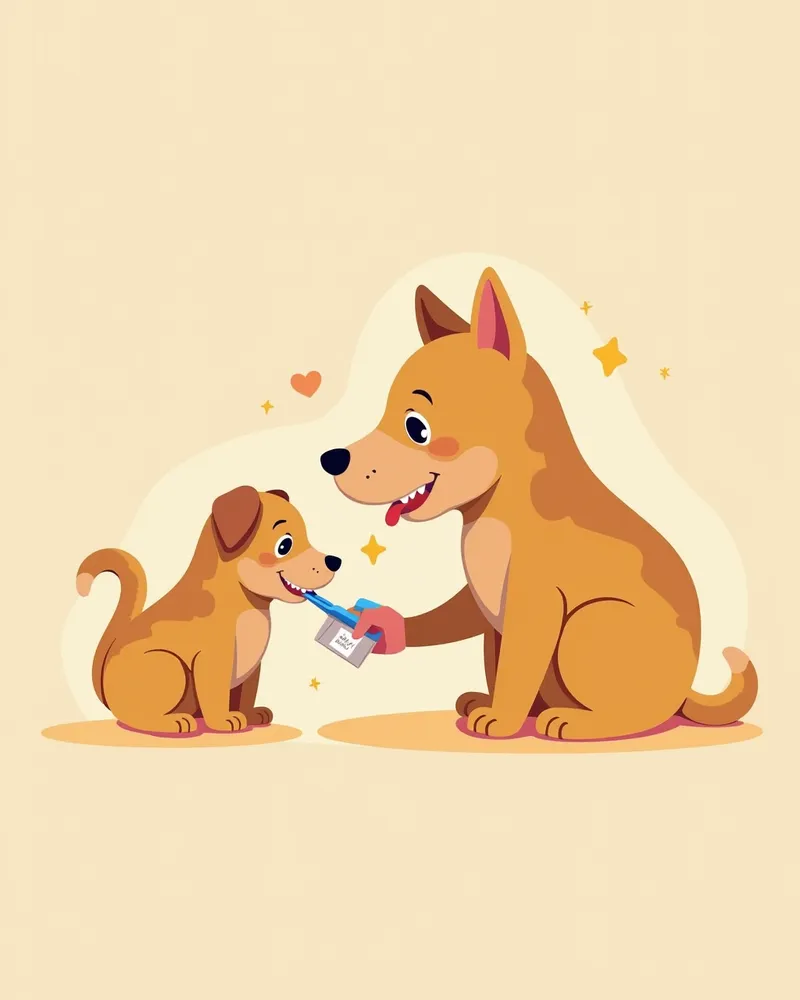
For best results with your dog’s oral care products, use them at consistent times each day. The ideal window is within 30 minutes after morning or evening meals. - Build a regular routine: Use the product consistently once or twice daily to allow benefits to accumulate over time. - Check before use: If you notice bleeding, swelling, or ulcers in your dog’s mouth, stop using the product immediately. - Consult your veterinarian: If any unusual symptoms persist, it’s safest to seek advice from a professional. - Introduce changes gradually: When switching products, change only one at a time and monitor your dog’s response. - Storage tips: Keep the product in a dry place, away from direct sunlight.
Brushing your dog’s teeth with a toothpaste

Reviewed by a veterinarian

Dr. Tony — Punnawat Phongkittirak

Dr. Tony — Punnawat Phongkittirak

Veterinarian

A veterinarian who majored in veterinary medicine at Khon Kaen University, Thailand, and completed the IVSA program at North Carolina State University in the United States. Drawing on clinical experience at animal hospitals, he works in the pet healthcare field and is dedicated to building a digital care environment that connects pet parents with veterinarians.

Frequently Asked Questions

Is it safe to use mouthwash every day?
Yes, most products are designed for regular use once or twice daily after meals, as directed on the label. Avoid using more than the recommended amount.
What happens if a dog swallows a cleaning agent?
Dogs can’t spit or rinse, so avoid products like human toothpaste or those containing fluoride, which can be toxic if swallowed over time. Even non-toxic pet-specific products may cause gastrointestinal issues if ingested in large amounts regularly, so use them with caution.
Can oral rinses completely prevent dental tartar buildup?
It won’t completely prevent dental issues, but consistent oral care can help reduce tartar buildup, gingivitis, and bad breath.
Can I give oral rinse as a treat?
While treat-formulated products are safe to consume, be cautious as many regular treats have not been proven to effectively clean your pet's teeth.
Is a dental checkup still necessary even if I use a mouthwash?
Yes, oral rinses are a supplementary aid and cannot replace professional dental check-ups. Symptoms like bad breath, pain, or bleeding gums may indicate other underlying conditions, so regular veterinary dental exams are recommended.

Share

Related Guides

References

[1] BSAVA Manual of Canine and Feline Dermatology, 4th Ed. (2011). Comparative efficacy of two shampoos containing an azole derivative to decrease clinical signs and Malassezia pachydermatis counts in basset hounds.

[2] Applied Veterinary Clinical Nutrition, 2nd Ed. (2018). Effect of adding chlorhexidine to a dental hygiene chew on canine oral health.

[3] Plumb's Veterinary Drug Handbook, 9th Ed. (2022). Chlorhexidine and its use in oral care for dogs.

This information is based on veterinary literature and does not replace diagnosis or treatment. Please consult a veterinarian for specific health concerns.

Metapet Co., Ltd. | CEO: Park Sung-yong | Business Reg. No. 417-88-02562 | Seoul, South Korea | Customer Center

Top 3 Dog Oral Care Products: Compare, Picks & Guide | Meongsiljang