
Like
Share
멍실장
강아지 벼룩 알레르기 피부염 관리 추천 BEST와 고르는 기준 총정리

Top Recommended Products and Selection Criteria for Managing Flea Allergy Dermatitis in Dogs

Infection/ParasitesTop PicksMeongsiljang Veterinary Advisory Board

Flea allergy dermatitis in dogs is a skin condition caused by an allergic reaction to flea bites. We’ve put together a list of recommended products and key factors to consider when choosing them for effective management.

What Is Flea Allergy Dermatitis in Dogs?

Skin symptoms of flea allergy dermatitis in dogs
Flea allergy dermatitis in dogs is a chronic skin condition triggered by an allergic reaction to flea saliva. Even a single flea bite can cause intense itching and rashes, leading your dog to constantly scratch or lick the affected areas. If left untreated, the skin may thicken, hair loss can occur, and secondary bacterial infections may develop. Because symptoms can appear even when no fleas are visible, early detection and proper management are crucial. - Strengthening the skin barrier: Skin damage from flea allergies weakens the skin’s protective barrier, making it more susceptible to external irritants. Moisturizing and targeted treatment are essential for recovery. - Ongoing management is essential: Short-term flea control alone carries a high risk of recurrence. Consistent, life-cycle-based prevention is key to long-term management.

Key Facts: Managing Flea Allergy Dermatitis in Dogs
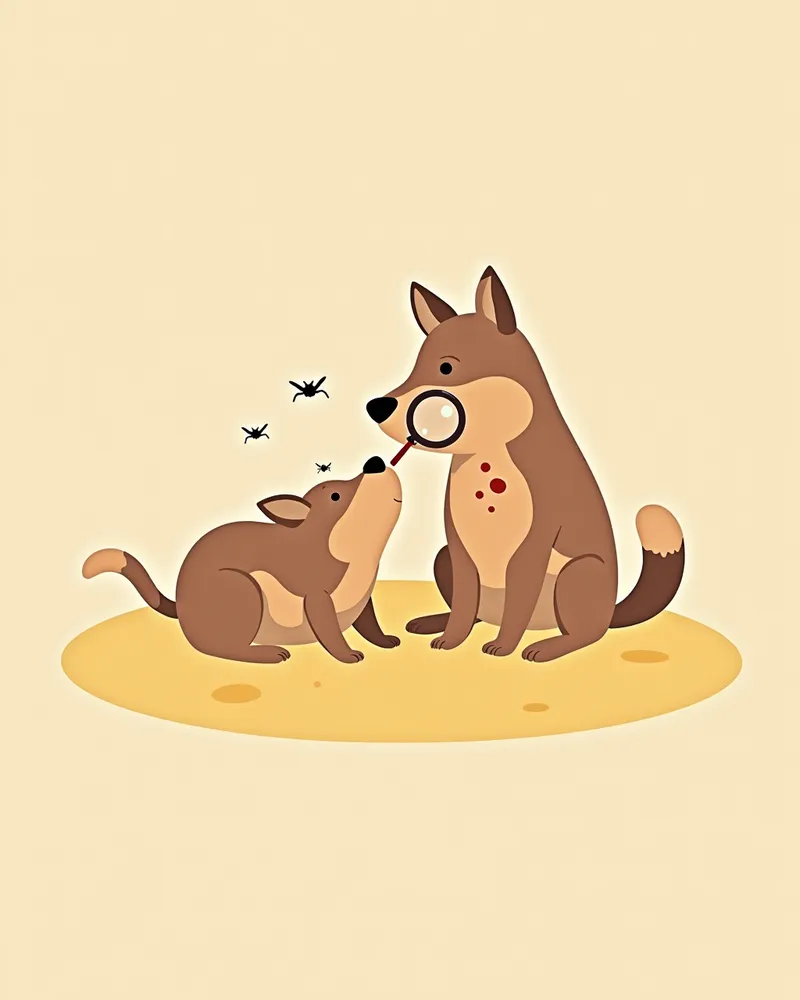
To manage flea allergy dermatitis in dogs, it’s essential to address both flea control and skin recovery simultaneously. First, choose a product that offers continuous flea elimination by targeting the flea life cycle, and opt for one with ingredients that minimize skin irritation. The dosage must also be appropriate for your dog’s weight and age to ensure safety. Additionally, consider the product’s duration of effectiveness and ease of use. Most importantly, consult your veterinarian to develop a treatment plan that has been proven safe and effective.
A veterinarian is diagnosing flea allergy dermatitis.

Key Fact 1: Symptoms and Urgency of Flea Allergy Dermatitis
Flea allergy dermatitis in dogs is a skin condition caused by an allergic reaction to proteins in flea saliva. Even a few flea bites can trigger intense itching in sensitized dogs. The condition typically presents with symptoms concentrated on the rear half of the body, including the lower back, hindquarters, base of the tail, hind legs, and lower abdomen. Common signs include severe itching, excessive licking and scratching, papules (small bumps), crusts, hair loss, and redness. Because scratching can lead to secondary bacterial infections, resulting in larger wounds and discharge, it is important to seek veterinary care promptly if symptoms persist.
Scenario for using products to manage flea allergy dermatitis in dogs

Key Fact 2: Diagnosis and Treatment Options

Diagnosis is made by your veterinarian through a skin examination, searching for fleas or flea feces (which look like black sand-like particles), and, if necessary, performing skin tests. The cornerstone of treatment is eliminating fleas and preventing reinfestation. Your vet will prescribe a flea preventive tailored to your dog’s weight and overall health. If itching and inflammation are severe, short-term use of steroids or antipruritics may be recommended. If a secondary bacterial infection is present, prescribed antibiotics will be used. For safety, always use any medication under your veterinarian’s guidance.
A puppy wearing a flea prevention product and playing outdoors.

Key Fact 3: Long-Term Management and Precautions

The most crucial step in managing flea allergy dermatitis is completely preventing flea exposure. To avoid reinfestation, you must treat not only your dog but also any other pets in the household and thoroughly manage the living environment, including bedding, carpets, and sofas. Always consult your veterinarian to select an external parasite preventive with the appropriate active ingredients and dosage for your dog. Using products intended for other animal species without veterinary guidance can be dangerous, so please exercise caution. Even if symptoms appear to improve, do not discontinue treatment on your own; it is essential to follow your veterinarian’s instructions and complete the full course of management.
A natural-ingredient flea product suitable for dogs with sensitive skin

What Pet Owners Should Know About Flea Allergy Dermatitis in Dogs

ItemKey Points
SymptomsSevere itching, papules (small bumps) and scabs, hair loss, skin redness
CauseHypersensitivity (allergic) reaction to flea saliva protein
DiagnosisVeterinary skin examination and confirmation of fleas and their feces
TreatmentVeterinarian-prescribed external parasite preventive, anti-itch treatment, antibiotics if needed
ManagementRemove fleas from the entire environment and the pet, and block reinfestation with regular prevention

This is not a table recommending specific products or clinics, but a reference to consult with your veterinarian. Treatment and testing decisions must always be made together with your veterinarian through an examination.

Precautions: Risks of Incorrect Use

Always make sure the external parasite preventive you’re using is appropriate for your dog’s weight and age, and follow your veterinarian’s prescription and instructions. Using more than the recommended dose can cause adverse reactions, and products that aren’t suitable for your dog can be dangerous. Whether you’re using an oral medication or a topical treatment, closely monitor your dog after the first application, and contact your vet immediately if you notice any unusual symptoms. For topical products, prevent your dog from licking the area or coming into contact with other animals until the medication has fully dried.

Usage Tips: Management Methods to Enhance Effectiveness

Managing flea allergy dermatitis in dogs goes beyond simply using a product. Start by thoroughly cleaning your entire home, and wash your dog’s bed and toys in boiling water. Use a vacuum cleaner frequently to remove flea eggs and larvae. Additionally, including omega-3 fatty acids in your dog’s diet can help support skin health. Working with your veterinarian to create a management plan is the safest approach. In particular, maintaining long-term protection against external parasites is crucial.
A scene showing home cleaning for managing flea allergy dermatitis in dogs

Reviewed by a veterinarian

Dr. Tony — Punnawat Phongkittirak

Dr. Tony — Punnawat Phongkittirak

Veterinarian

A veterinarian who majored in veterinary medicine at Khon Kaen University, Thailand, and completed the IVSA program at North Carolina State University in the United States. Drawing on clinical experience at animal hospitals, he works in the pet healthcare field and is dedicated to building a digital care environment that connects pet parents with veterinarians.

Frequently Asked Questions

Can flea allergy dermatitis in dogs be cured?
While a complete cure may be challenging, completely blocking flea exposure can eliminate symptoms and prevent recurrence. Ongoing management is essential.
Can my pet have a flea allergy even if I don’t see any fleas?
Yes, your pet can still react to flea saliva even if you don’t see any fleas. In particular, recurring itching strongly suggests flea allergy dermatitis.
Can I use Capstar and Bevecto together?
While some medications can be safely used together under clinical supervision, the decision on which drugs to combine should always be made by your veterinarian based on their professional judgment and guidance. Please consult your vet for specific information about combining any medications.
Is it okay to use only naturally derived products?
While some naturally derived products are safe, their effectiveness may be limited. If symptoms are severe or persistent, it is important to consult your veterinarian to choose a treatment method with proven efficacy.
How do I get rid of fleas in my home?
Vacuum frequently, apply flea repellent around the house, and wash your dog’s bedding in boiling water. The key is to break the flea life cycle. Consistent management is essential for both the environment and your pet.

Share

Related Guides

References

[1] BSAVA Manual of Canine and Feline Dermatology, 4th Ed, 2003

[2] Thiemann T, Fielden LJ, Kelrick MI. Water uptake in the cat flea Ctenocephalides felis. Journal of Insect Physiology, 2003

[3] Franc M, Bouhsira E, Beugnet F. Direct transmission of the cat flea between cats exhibiting social behaviour. Parasite, 2013

This information is based on veterinary literature and does not replace diagnosis or treatment. Please consult a veterinarian for specific health concerns.

Metapet Co., Ltd. | CEO: Park Sung-yong | Business Reg. No. 417-88-02562 | Seoul, South Korea | Customer Center

Dog Flea Allergy Dermatitis: Best Products & How to Choose | Meongsiljang