Like
Share
멍실장
고양이 변비 식이섬유 영양제 추천 TOP 5 — 차전자·호박 함량 비교

Top 5 Dietary Fiber Supplements for Feline Constipation — Psyllium and Pumpkin Content Comparison

DigestiveTop PicksMeongsiljang Veterinary Advisory Board

We’ve directly compared five dietary fiber supplements for feline constipation, evaluating them based on psyllium and pumpkin content, as well as whether probiotics are included. We’ve also summarized key guidelines for recognizing emergencies and important feeding precautions.

How to Choose a Cat Constipation Supplement?

A caregiver spoon-feeding a cat a tablespoon of pumpkin puree.
Cat constipation supplements are aids that help with bowel movements by providing dietary fiber and moisture-retaining ingredients to cats with sluggish intestinal motility or hard stools. What truly matters is the amount of psyllium and pumpkin, as well as whether the product can help increase water intake. If your cat hasn’t had a bowel movement for more than three days, or if constipation is accompanied by pain, vomiting, or loss of appetite, don’t try to treat it with supplements—visit a veterinarian right away. In this article, we’ve compared the psyllium and pumpkin content of five products to help you choose the one that best suits your cat’s condition.

Why Dietary Fiber and Hydration Are Key

Feline constipation is not merely hardened stool; if it becomes chronic, it can progress to megacolon. According to veterinary textbooks, the primary underlying factors are insufficient water intake (dehydration) and reduced colonic motility. If the obstruction persists, the colon’s own contractile strength may diminish. Soluble fibers like psyllium, which absorb water to form a gel, increase the stool’s moisture content and help soften bowel movements. Pumpkin is also used as a supplementary ingredient to provide moisture and fiber, but textbooks more clearly support the efficacy of soluble fibers such as psyllium. However, fiber is considered more beneficial for relatively mild constipation and only when adequate hydration is maintained. Adding fiber alone to already hardened stool can worsen the blockage, so increased water intake must always accompany fiber supplementation.

Four Criteria for Selecting the Top 5

We selected four key criteria that pet owners can easily verify: - Psyllium content: Whether each serving (one scoop) provides an adequate amount of soluble fiber - Pumpkin content: Whether pumpkin is included merely as a flavoring agent or as a primary ingredient - Probiotic inclusion: Whether the product is a multi-formula designed to support gut health alongside other benefits - Palatability: Whether the powder or paste form is readily accepted by cats without refusal Prices are calculated based on a 30-day supply for a 5kg cat. All products listed are over-the-counter supplements available without a prescription.
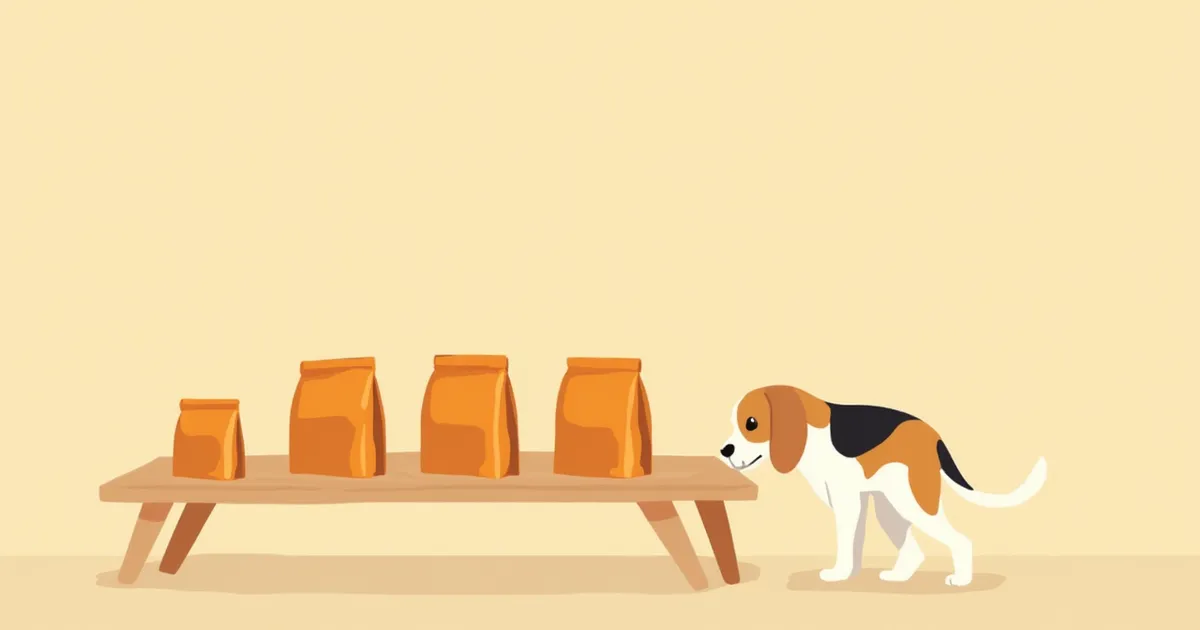
Flat-lay photo comparing five types of cat constipation supplements

At-a-Glance Comparison of Psyllium and Pumpkin Content in the Top 5

ItemA Pure Psyllium PowderB Pumpkin PlusC Fiber CubeD Soft PasteE Probiotics + Fiber Combo
Psyllium per scoop1,200mg400mg600mg300mg500mg
Pumpkin powder per scoopNot included1,500mg800mg1,200mg600mg
Probiotics includedFalseFalseTrueTrueTrue
FormPowderPowderCubePastePowder
PalatabilityModerateGoodGoodVery goodGood
Price (30-day supply)$10$20$20$20$20

Per-scoop content is based on manufacturer-disclosed labels and converted to the same unit.

Key Ingredients to Know

Safe

차전자(Psyllium)

변에 수분을 머금어 배변을 부드럽게

Dosage: 1~4티스푼/식 (수의내과학 교과서)

수의내과학 교과서 권장 가용성 섬유

Safe

호박 펙틴

수분·식이섬유 동시 공급, 장운동 보조

Dosage: 1~2테이블스푼/일

Safe

FOS(프락토올리고당)

장내 유익균 먹이, 단쇄지방산 생성 유도

Dosage: 제품 권장량 준수

Caution

락툴로스(Lactulose)

삼투압성 완하 작용으로 변 부드럽게

Dosage: 0.5mL/kg 8~12시간 간격(수의사 처방 시)

Clinical Medicine of the Dog and Cat 권장량

1st–2nd Place: Standout Single-Ingredient Psyllium and Pumpkin Options

Ranking first, A Pure Psyllium Powder is the most concentrated, containing 1,200 mg of psyllium per scoop. It is primarily recommended for pets with firm stools or those who frequently pass hairballs. The downside is that it lacks pumpkin, which may reduce palatability, so it must be mixed into wet food or liquid treats. Ranking second, B Pumpkin Plus features 1,500 mg of pumpkin powder as its main ingredient, offering good palatability and making it an easy option to try for mild constipation. However, its lower psyllium content may be insufficient for managing chronic constipation on its own.
Mixing psyllium husk powder into wet cat food, along with pumpkin pieces.

3rd–5th Place: Multi-Formula and Palatability Leaders

3rd place: C Fiber Cube contains 600 mg of psyllium husk along with probiotics, making it a great choice for supporting overall gut health. Its cube format is convenient for storage, though some cats may reject the solid pieces. 4th place: D Soft Paste features pumpkin as its main ingredient and a smaller amount of psyllium husk. The paste texture makes it the least intimidating option for owners trying fiber supplements for the first time, and it received the highest palatability scores. 5th place: E Probiotic + Fiber Combo offers a balanced blend of all ingredients, making it suitable for cats who experience alternating mild constipation and soft stools. Just keep in mind that no single component dominates the formula.

When to Visit the Vet Instead of Using Supplements

If any of the following apply, do not attempt to resolve the issue with dietary fiber supplements; instead, visit a veterinary clinic within 24 hours. - No bowel movements for more than three days - Straining in the litter box with no stool passing at all - A hard, distended abdomen or pain response when touched - Vomiting, decreased appetite, and lethargy occurring together - Bright red blood present in the stool In particular, cats with recurrent chronic constipation may have developed megacolon, making imaging diagnostics necessary. Learn more about the symptoms and treatment of feline megacolon at Cat Megacolon: Symptoms and Treatment.

Five Essential Feeding Precautions

Dietary fiber supplements can actually worsen constipation if not given properly. - With adequate hydration: Psyllium husk must be thoroughly mixed with wet food or water before feeding. If given dry, it can harden in the esophagus or stomach. Even textbooks recommend using psyllium only in cats that are well-hydrated. - Start with a small dose: Begin with half the recommended amount and gradually increase every 3–5 days. - If stool is already hardened: If the abdomen feels firm to the touch, prioritize hydration and enemas over fiber supplementation. - When used with other medications: Soluble fibers like psyllium can interfere with the absorption of other drugs. If your pet is taking other medications, consult your veterinarian about spacing out the doses for safety. - Reassess after two weeks: If there is no improvement, do not continue increasing the supplement dose; instead, seek veterinary care.
Mixing a nutritional supplement powder into wet cat food and preparing water alongside it.

Reviewed by a veterinarian

Dr. Tony — Punnawat Phongkittirak

Dr. Tony — Punnawat Phongkittirak

Veterinarian

A veterinarian who majored in veterinary medicine at Khon Kaen University, Thailand, and completed the IVSA program at North Carolina State University in the United States. Drawing on clinical experience at animal hospitals, he works in the pet healthcare field and is dedicated to building a digital care environment that connects pet parents with veterinarians.

Frequently Asked Questions

Can I feed my pet psyllium and pumpkin at the same time?
Yes, they work in different ways, so it’s fine to give them together. However, for safety, start with just one and monitor your pet’s stool before adding the other. Increasing both at once can lead to gas or loose stools.
Can I give my pet prescription medications like lactulose together with nutritional supplements?
Lactulose is a prescription medication, so it’s difficult to make a judgment on its own. If your veterinarian has prescribed lactulose, you must consult with them before adding any dietary fiber supplements. Using both together can lead to loose stools or dehydration.
My cat refuses to take its supplements. What should I do?
Start by mixing a very small amount with your pet’s favorite treats or wet food. Begin with the most palatable paste type (D), or choose a product with a higher pumpkin content (B) to minimize resistance.
Can I give catnip to a young kitten?
For puppies and kittens under six months of age, proper diet and hydration management take priority over dietary fiber supplements. If constipation recurs, it is essential to have a veterinarian identify the underlying cause before starting any supplements on your own.
How long does it take for the effects to show?
Typically, stool consistency and bowel movement frequency will change within 3 to 7 days. If there is no improvement or if symptoms worsen after two weeks, the issue is beyond what supplements alone can address, and a veterinary consultation is necessary.

Share

Related Guides

References

[1] Schaer M, Gaschen F. Clinical Medicine of the Dog and Cat, 4th Edition — Diseases of the Large Intestine, Constipation/Obstipation

[2] Little SE. The Cat: Clinical Medicine and Management, 2nd Edition — Feline Idiopathic Megacolon

[3] Byers C, Leasure C, Sanders NA. Feline idiopathic megacolon. Comp Contin Edu Pract Vet, 2006;28:658

[4] Rondeau M, Meltzer K, Michel K, et al. Short-chain fatty acids stimulate feline colonic smooth muscle contraction. J Feline Med Surg

This information is based on veterinary literature and does not replace diagnosis or treatment. Please consult a veterinarian for specific health concerns.

Metapet Co., Ltd. | CEO: Park Sung-yong | Business Reg. No. 417-88-02562 | Seoul, South Korea | Customer Center

Top 5 Fiber Supplements for Cat Constipation — Psyllium & Pumpkin | Meongsiljang