

7 Key Symptoms of Canine Liver Abscess and Management Tips Recommended by Veterinarians
A liver abscess in dogs is an inflammatory lesion caused by infection, making early diagnosis and proper management crucial. Here’s a guide on how to choose effective management products, along with our top three recommendations.
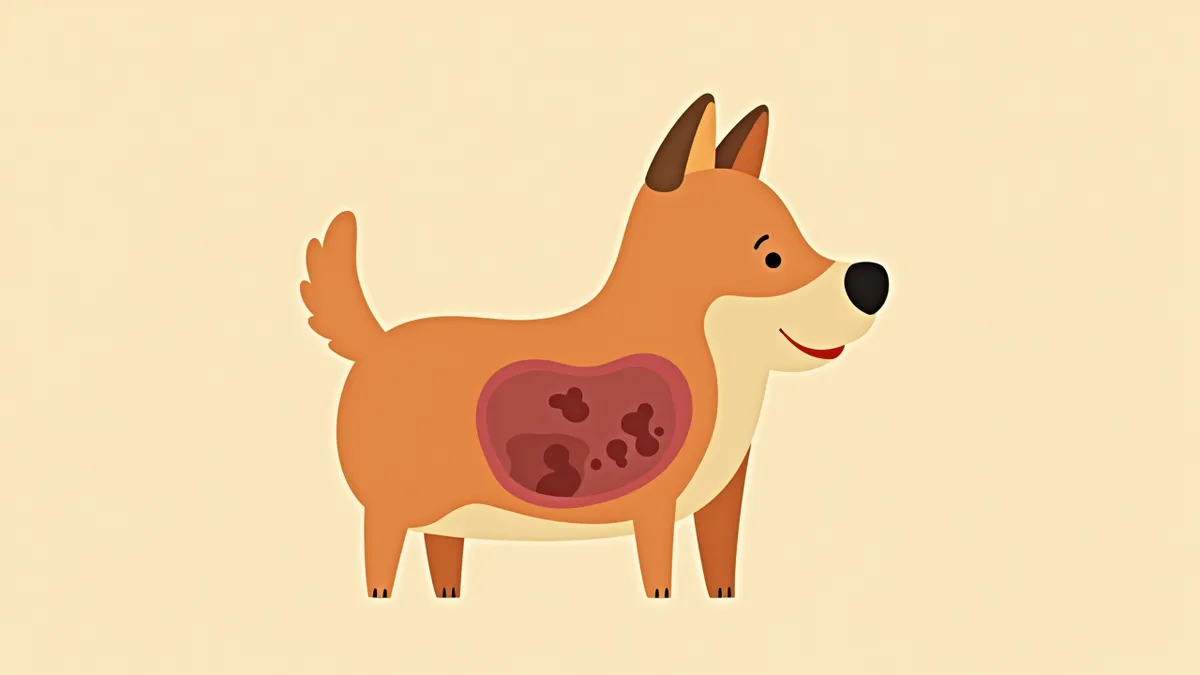
A Canine Liver Abscess Is an Infectious Lesion in Liver Tissue
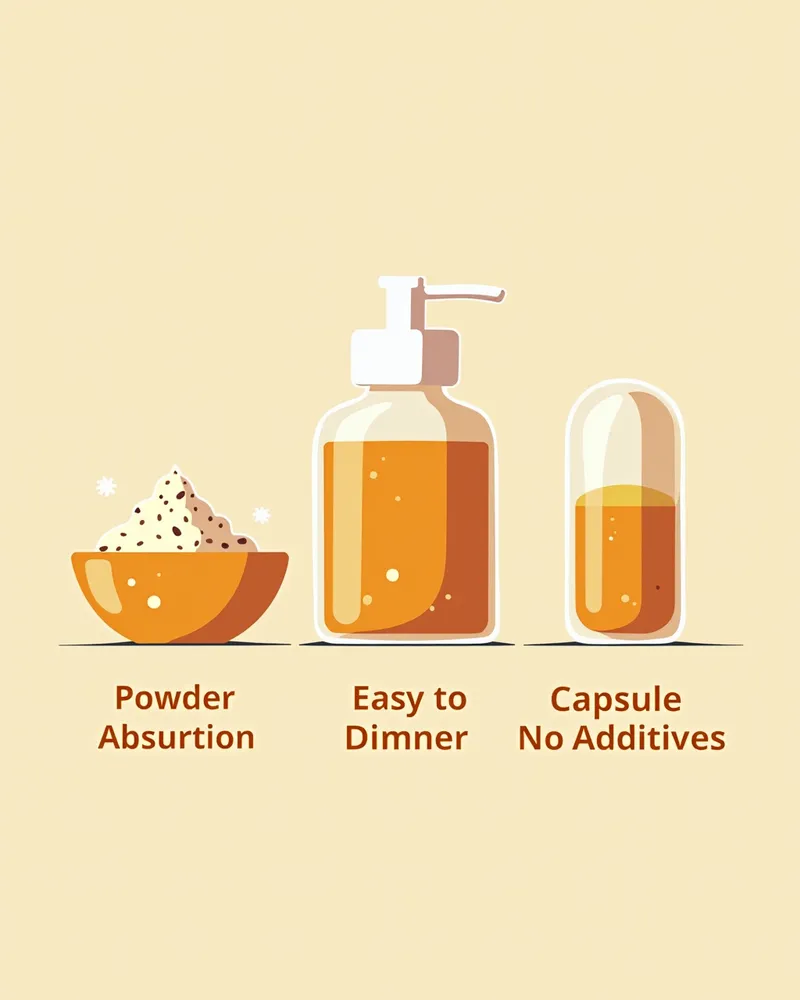
Key Criteria for Choosing Management Products for Canine Liver Abscess
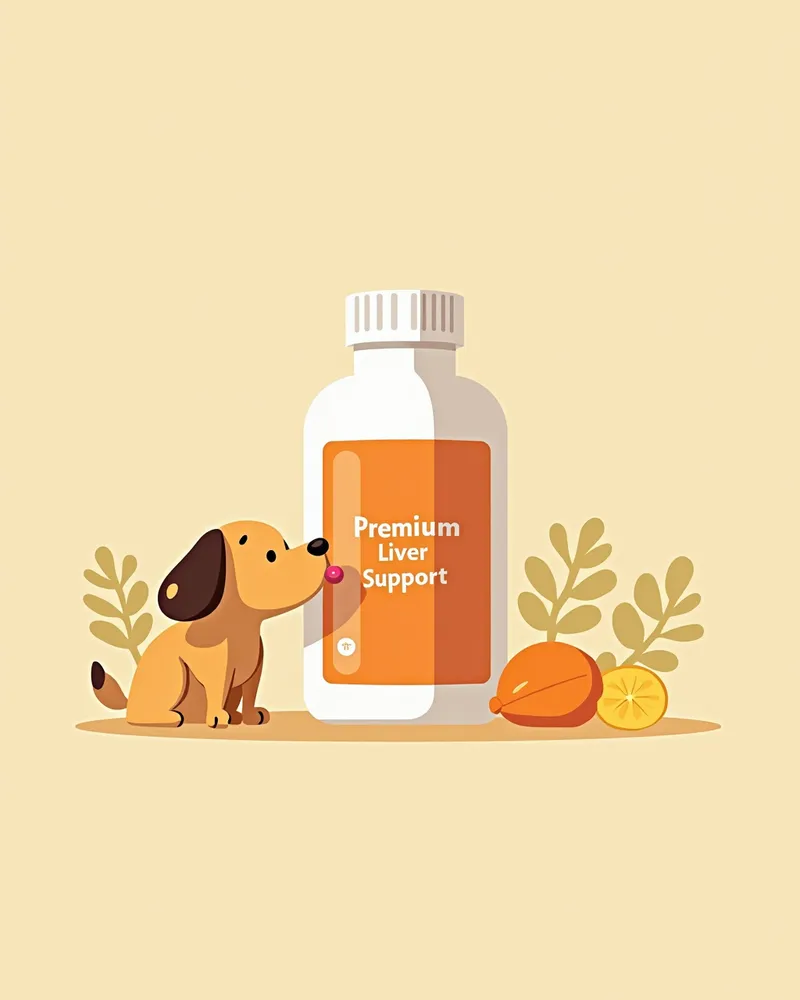
BEST 1: Premium Liver Abscess Protector
BEST 2: Natural Ingredient Liver Health Capsules

BEST 3: Powdered Supplement for Liver Function Recovery

Comparison Table of Products BEST 1–3
| Item | BEST 1 (Liquid) | BEST 2 (Capsule) | BEST 3 (Powder) |
|---|---|---|---|
| Main Ingredients | Glutathione, silymarin, CoQ10 | Silymarin, lutein, Vitamin E | Glutathione, silymarin, amino acids |
| Administration Method | Liquid (dissolved in water) | Capsule (swallowed) | Powder (mixed into food) |
| Long-Term Use Possible | Veterinary consultation needed | Veterinary consultation needed | Veterinary consultation needed |
| Possibility of Side Effects | Veterinary consultation needed | Veterinary consultation needed | Veterinary consultation needed |
| Value for Price | High | Moderate | Very high |
The primary treatment for a liver abscess is surgical drainage and systemic antibiotics based on culture and sensitivity testing. The supplements above are adjuncts that do not replace treatment, and their side effects and long-term usability are hard to determine from the presented textbook evidence alone. Always choose ingredients and whether to use them in consultation with your veterinarian.
Caution: Immediate Veterinary Visit Required for Liver Abscess
If your dog shows symptoms such as fever, loss of appetite, vomiting, lethargy, and abdominal pain, liver disease or an infection should be suspected. Liver abscesses are life-threatening and require immediate veterinary care. Definitive treatment involves diagnostic testing, surgical drainage and lavage, and systemic antibiotic therapy guided by culture and sensitivity results; supplements are strictly adjunctive to primary treatment.
Tips for Managing Canine Liver Abscess

Reviewed by a veterinarian

Dr. Tony — Punnawat Phongkittirak
VeterinarianA veterinarian who majored in veterinary medicine at Khon Kaen University, Thailand, and completed the IVSA program at North Carolina State University in the United States. Drawing on clinical experience at animal hospitals, he works in the pet healthcare field and is dedicated to building a digital care environment that connects pet parents with veterinarians.
Reviewed 2026-06-07
Frequently Asked Questions
Can a dog’s liver abscess be completely cured?
What supplements are good for liver abscesses?
When should I start giving my pet supplements?
Can liver abscesses recur?
Which dogs are most prone to developing liver abscesses?
Share
Related Guides

7 Key Symptoms and Management Essentials for Canine Cholecystitis Recommended by Veterinarians

Top 5 Milk Thistle (Silymarin) Liver Supplements for Dogs — A Comparison Guide Based on Silybin Content and Absorption Rates

Top Prescription Diets for Dogs with Liver Disease and Selection Criteria

Top Recommended Products and Selection Criteria for Preventing Tartar and Plaque in Dogs

7 Cases Where Cat Tooth Extraction Is Essential, Explained by a Veterinarian

7 Key Points Veterinarians Emphasize for Post-Tooth Extraction Cat Care

Feline Oral Squamous Cell Carcinoma: A Complete Guide from Early Symptoms to Management and Selection Criteria

7 Early Warning Signs of Feline Oral Tumors You Must Not Miss and Management Guidelines

7 Warning Signs of Feline Periapical Abscesses Identified by Veterinarians — From Symptoms to Management Guidelines

7 Factors Determining Prognosis and Life Expectancy in Dogs with Tumors, According to Veterinarians
References
[1] Plumb's Veterinary Drug Handbook, 9th Edition. 2022. Wiley-Blackwell.
[2] Feldman, B. F., & Nelson, R. W. (2021). Canine and Feline Endocrinology and Reproduction. Elsevier.
[3] American College of Veterinary Internal Medicine (ACVIM). (2020). Consensus Statement on Hepatic Disease in Dogs. Journal of Veterinary Internal Medicine, 34(5), 1678–1690.