Like
Share
멍실장
강아지 비강 종양의 외형적 증상을 보여주는 의학적 일러스트

7 Warning Signs of Nasal Tumors in Dogs Vets Say You Must Not Miss

Oncology/CancerTop PicksMeongsiljang Veterinary Advisory Board

Nasal tumors in dogs are malignant and difficult to treat. However, with personalized oncology care from your veterinarian, you can extend your dog’s survival time. This article outlines effective management strategies and our top recommended products.

Nasal Tumors in Dogs Are Malignant and Difficult to Treat
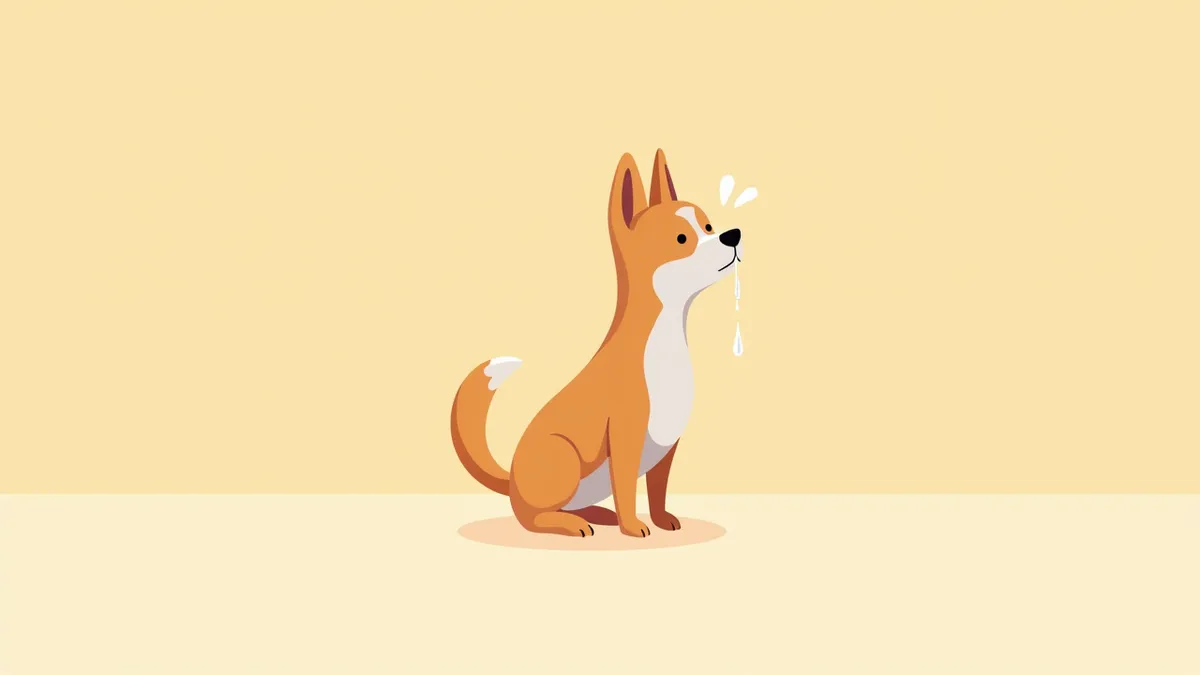
Symptoms and images of suspected nasal tumors in dogs
Nasal tumors in dogs are malignant growths that develop within the nasal cavity. They are difficult to detect early and require complex treatment. - Early diagnosis: Because symptoms are often vague, early detection is challenging, and most cases are diagnosed at an advanced stage. - Treatment approach: Due to the complex anatomy of the nasal cavity, surgery alone is unlikely to improve symptoms or extend survival. Therefore, radiation therapy is the most widely used primary treatment. Chemotherapy is considered as an adjunctive option for lymphoma or when radiation therapy is not feasible. - Tailored care: A customized treatment plan should be developed in collaboration with your veterinarian, based on the tumor type and stage of progression. - Managing side effects: It is also important to effectively manage potential side effects during treatment, such as vomiting and decreased appetite. - Survival time: While a cure is difficult to guarantee due to the nasal anatomy, the reported median survival time for dogs receiving curative-intent radiation therapy is approximately 8 to 20 months. Appropriate oncologic care helps control symptoms, improve quality of life, and extend survival, with regular check-ups and close cooperation with your veterinarian being key.

Key Takeaway: Oncology Management for Nasal Tumors in Dogs

When considering supportive care products for managing nasal tumors in dogs, avoid being swayed by exaggerated claims of efficacy. Instead, base your decision on whether the product is recommended by your veterinarian, its safety profile, and ease of use. Above all, formal medical treatments tailored to the tumor type and stage, such as radiation therapy, must take priority. Regular consultations with your veterinarian to adjust the treatment plan are essential.
Prioritize evidence-based approaches: Reduction of the tumor itself should be expected from proven medical treatments like radiation therapy, not from commercially available supportive products.
Support for side effects and quality of life: When your dog struggles with issues like loss of appetite, it is safest to use diets or medications prescribed or recommended by your veterinarian.
Veterinarian-recommended products: For better safety, consult your veterinarian to verify if a product is validated, rather than purchasing it independently.
Ease of use: Products with a form or dosing frequency that is not burdensome are advantageous for long-term management. However, always consult your veterinarian before using any product.
Image of a veterinarian examining a puppy's nasal cavity

Key Takeaway 1: Symptoms and Urgency of Nasal Tumors
Nasal tumors in dogs can present with symptoms such as nasal discharge (bloody or mucous), sneezing, nasal congestion, facial deformity, and increased eye discharge. In the early stages, these symptoms are often mistaken for simple rhinitis, so if they persist for several weeks or if there is repeated bleeding from one nostril, prompt examination is necessary. If the tumor invades the orbit or cranial cavity, neurological symptoms may also occur, so it is important to visit a veterinary clinic without delay if the symptoms are progressive.
Image of an immune-supporting nasal tumor management supplement

Key Takeaway 2: Diagnosis and Treatment Options

To confirm the diagnosis, CT or MRI imaging and a tissue biopsy are required. Among nasal tumors, lymphoma tends to respond relatively well to radiation therapy or chemotherapy, while other types, such as adenocarcinoma, are primarily treated with radiation therapy. Because complete surgical removal is often difficult due to the complex anatomy of the nasal cavity, surgery is typically combined with radiation therapy or used for palliative purposes. The treatment plan is determined by a veterinary oncologist based on the tumor type, stage, and the patient’s overall health.
Anti-inflammatory effect nasal protection capsule image

Key Takeaway 3: Management, Precautions, and the Importance of Veterinary Guidance

During treatment, a high-protein veterinary prescription diet and appetite stimulants may be used to help prevent loss of appetite and weight loss. Prescription medications for pain management and prevention of secondary infections should also be used as directed by your veterinarian. Mushroom extracts and antioxidant supplements sold online have not been proven to inhibit metastasis or cure nasal tumors, so avoid administering them without veterinary guidance. Regular imaging studies are essential to evaluate treatment response, and all medication adjustments and changes in therapy must be discussed with your veterinarian.
Image of a natural-ingredient nasal health herb mix

What Pet Owners Should Know About Nasal Tumor Oncology in Dogs

ItemKey Points
SymptomsBloody nasal discharge, sneezing, nasal congestion, facial deformation
Cause and DiagnosisCT/MRI + tissue biopsy to confirm the histological type
TreatmentRadiation therapy/chemotherapy (depending on histological type)
CautionDo not use unverified supplements or products claiming a cure on your own
ManagementPrescription diet, regular imaging exams, ongoing veterinary consultation

This is not a table recommending specific products or hospitals, but a reference for consulting with your veterinarian. Treatment and testing decisions must always be made together with your veterinarian through an examination.

Caution: Mistakes to Avoid During Treatment for Nasal Tumors in Dogs

Self-diagnosis and self-treatment are strictly prohibited. Without an accurate understanding of the tumor type and stage, inappropriate treatment can shorten your pet’s lifespan. Additionally, excessive use of supplements or combining them with other medications may lead to adverse effects. Always follow your veterinarian’s guidance to establish a treatment plan and schedule regular check-ups.

Tips for Successful Management of Nasal Tumors in Dogs
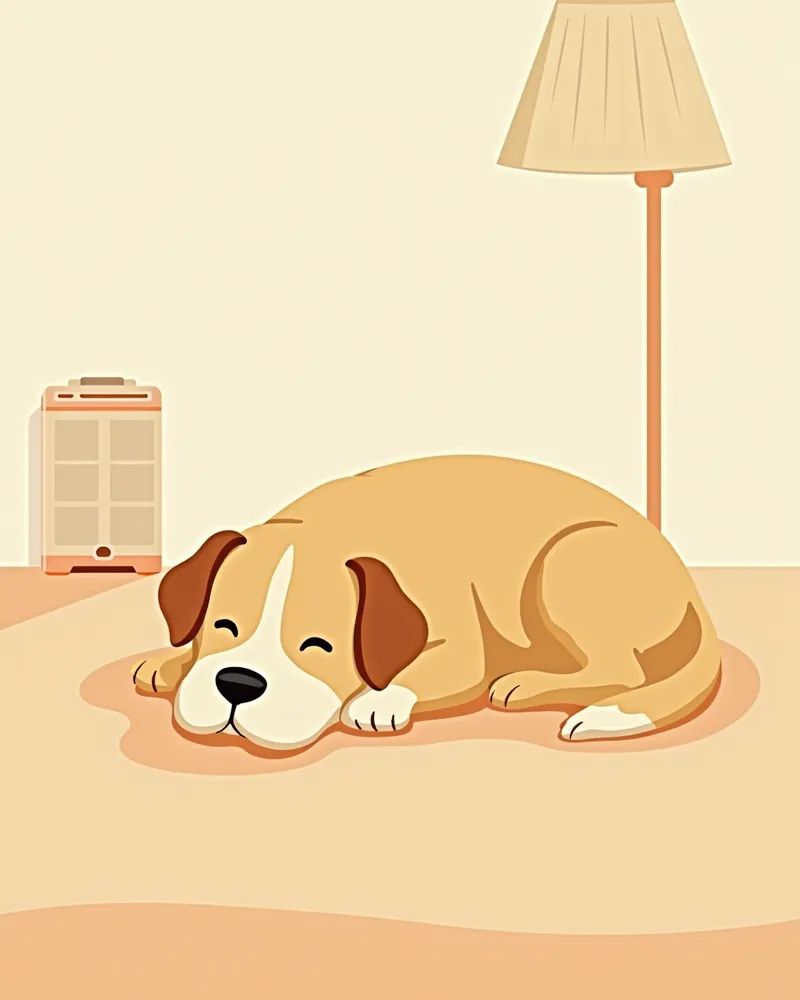
Managing nasal tumors in dogs is a long-term commitment rather than a short-term treatment. By following daily care tips, you can significantly improve your pet’s quality of life.
Regular check-ups: Consult with your veterinarian every 2–4 weeks and use imaging to monitor tumor changes.
Environmental control: Use air purifiers, avoid exposure to cigarette smoke, and maintain a dust-free environment.
Dietary management: Choose nutritionally balanced dog food, and if your dog’s appetite decreases, offer palatable options like meat purées to stimulate eating.
Minimize stress: Provide a quiet space, maintain a consistent routine, and ensure a stable environment.
Image of a comfortable environment for managing nasal tumors in dogs

Reviewed by a veterinarian

Dr. Tony — Punnawat Phongkittirak

Dr. Tony — Punnawat Phongkittirak

Veterinarian

A veterinarian who majored in veterinary medicine at Khon Kaen University, Thailand, and completed the IVSA program at North Carolina State University in the United States. Drawing on clinical experience at animal hospitals, he works in the pet healthcare field and is dedicated to building a digital care environment that connects pet parents with veterinarians.

Frequently Asked Questions

Can nasal tumors in dogs be cured?
The nasal cavity has a complex structure, making complete surgical removal difficult and a cure challenging. However, curative-intent radiation therapy can help control symptoms, with reported median survival times ranging from approximately 8 to 20 months. Since survival time varies depending on the tumor type, timing of treatment, and response to therapy, long-term management is essential.
Will taking supplements reduce the effectiveness of medications?
There is currently no verified evidence that supplements like mushroom extracts or antioxidants enhance the efficacy of medications or reduce their side effects. Not only has their effectiveness not been proven, but they may also interact with other drugs. Therefore, always consult your veterinarian before deciding whether to administer them.
What should you do first if you suspect a nasal tumor?
If symptoms such as nasal congestion, runny nose, nosebleeds, or difficulty breathing persist, consult your veterinarian immediately. Accurate diagnosis requires imaging tests like CT or MRI scans.
When should I start giving the supplement?
There is no evidence that supplements enhance the effectiveness of radiation therapy before or after treatment. Since no supplements have been proven effective, do not administer them without veterinary guidance. Always consult your veterinarian to determine whether a supplement is appropriate and when it should be given.
My dog won’t eat its supplements. What should I do?
Mix liquid or powdered products into your pet’s food or broth. If your pet isn’t taking it well, try switching to a more palatable product or follow the administration method recommended by your veterinarian.

Share

Related Guides

References

[1] Penninck, D.G., Moore, A.S., & Gliatto, J. (1998). Ultrasonography of canine gastric epithelial neoplasia. Veterinary Radiology & Ultrasound, 39(4), 342–348.

[2] Hostetter, S.J. (2023). Oral cavity, gastrointestinal tract, and associated structures. In Canine and Feline Cytology: A Color Atlas and Interpretation Guide (2nd ed.). Saunders Elsevier.

[3] Reimer, M.E., Reimer, M.S., Saunders, G.K., et al. (1999). Rectal ganglioneuroma in a dog. Journal of the American Animal Hospital Association, 35(2), 107–110.

This information is based on veterinary literature and does not replace diagnosis or treatment. Please consult a veterinarian for specific health concerns.

Metapet Co., Ltd. | CEO: Park Sung-yong | Business Reg. No. 417-88-02562 | Seoul, South Korea | Customer Center

7 Warning Signs of Nasal Tumors in Dogs You Can't Miss | Meongsiljang