Like
Share
멍실장
고양이 새 가족 도입 스트레스 관리 추천 BEST와 고르는 기준 총정리

7 Best Stress-Relief Products for Cats Adjusting to a New Family Member, Recommended by Veterinarians

Brain & CognitionTop PicksMeongsiljang Veterinary Advisory Board

Here’s a step-by-step guide to reducing stress in your cat when a new family member arrives. We’ve selected evidence-based recommendations from veterinary behavioral science, including synthetic pheromone diffusers, alpha-casozepine supplements, and scent-exchange protocols.

What Is Stress When Introducing a New Family Member to a Cat?
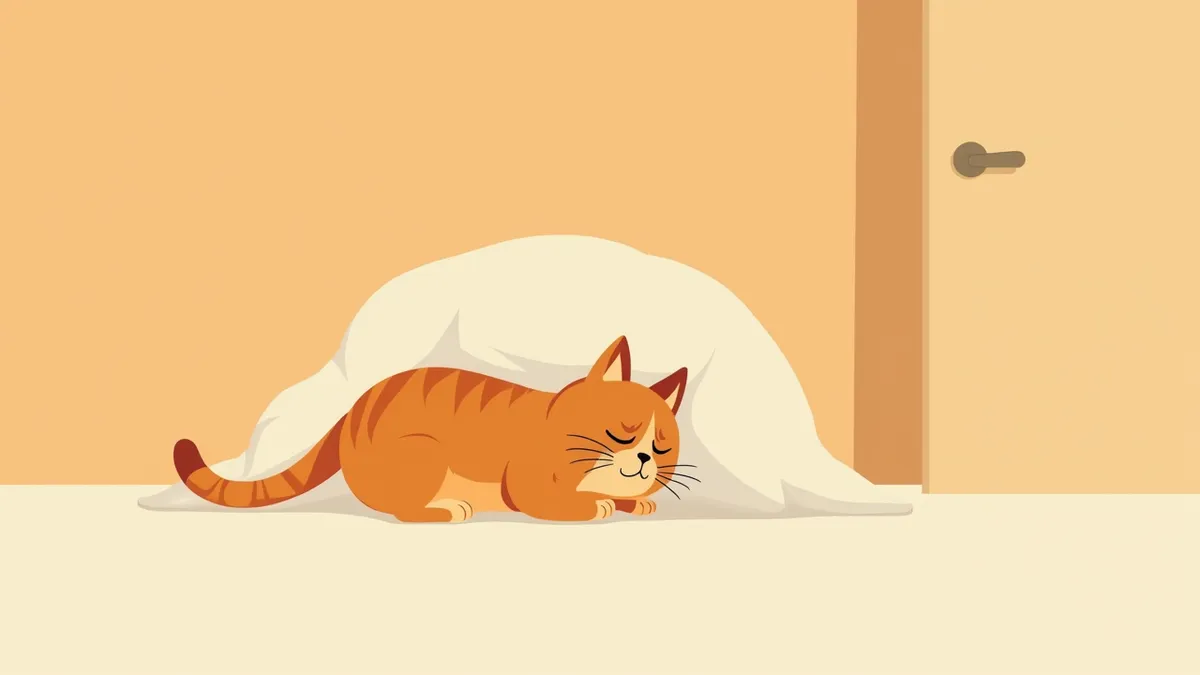
A cat hiding after bringing a new family member home
Stress when introducing a new family member to a cat refers to the fear, anxiety, and tension that an existing cat may experience when a new member—whether another pet or a person—joins the household. Fear is an emotional response to perceived threats, anxiety is the anticipation of something unpleasant happening, and stress is the body’s natural reaction to cope with these feelings. What’s truly important is that this response isn’t a sign of a “sensitive personality” but rather a normal part of how cats adapt to changes in their environment. Using proper introduction techniques along with stress-relief products can help support the adjustment process.

Stress Signs Checklist

If your cat shows any of these changes after a new family member arrives, they are likely signs of stress.
Decreased appetite: Eating very little or nothing for more than a day
Hiding behavior: Staying under the bed or inside the closet and refusing to come out
Excessive grooming: Repeatedly licking the same area, leading to hair loss
Litter box accidents: Urinating outside the litter box
Hissing and growling: Making aggressive sounds toward the new family member
Dilated pupils and flattened ears: Showing signs of ongoing tension

Situations Requiring Immediate Veterinary Attention

If your cat’s loss of appetite lasts more than 48 hours, if they haven’t urinated for over a day, or if vomiting and diarrhea keep recurring, it may be more than just stress. Cats are prone to idiopathic cystitis triggered by stress, so any urinary issues require immediate veterinary attention. Left untreated, the condition can worsen rapidly.

Criteria for Choosing Stress Management Methods

If you’re feeling overwhelmed by the sheer number of products and methods available, start by checking the following criteria:
Scientific backing: Look for products supported by clinical studies or peer-reviewed journal data.
Ingredient safety: Ensure the ingredients are non-toxic to cats.
Stage appropriateness: Determine whether the method is suitable for the initial (isolation), intermediate (scent swapping), or final (direct interaction) stage of introduction.
Individual cat response: Keep in mind that even the same method may yield different results depending on the cat.

BEST 1 — Synthetic Pheromone Diffusers
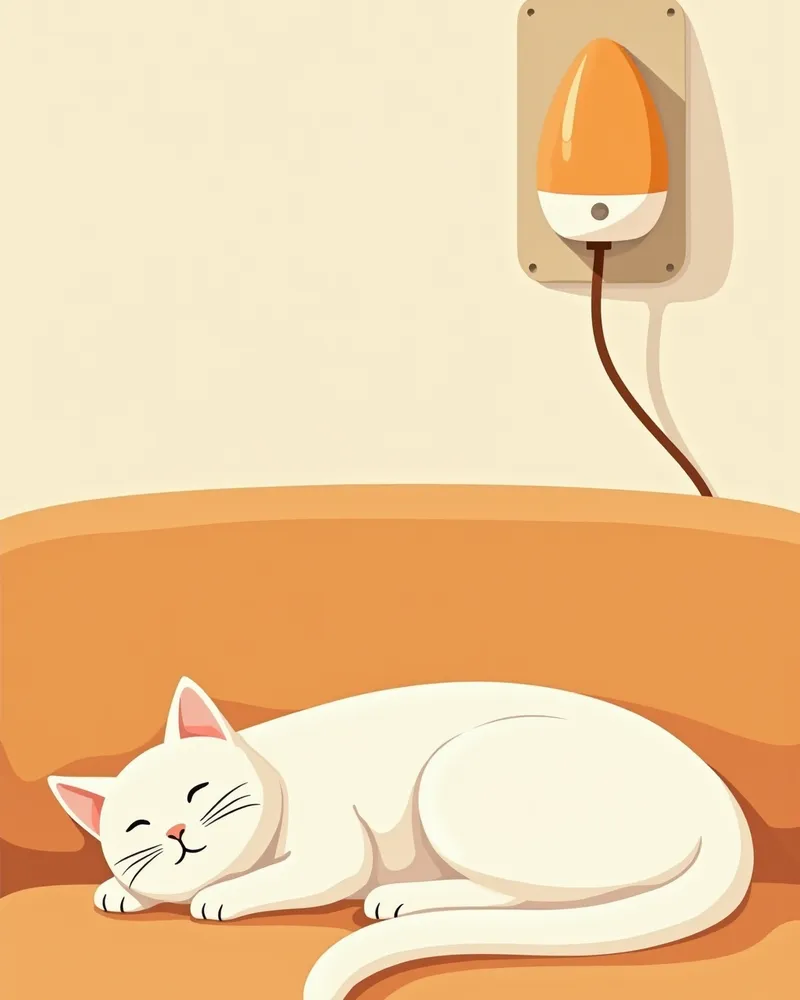
Synthetic pheromone diffusers release a laboratory-made version of the facial pheromone (F3 fraction) that cats naturally produce in familiar environments. The F3 fraction is recognized as a scent marker that signals safety and comfort to cats. Veterinary behavior studies and clinical reports indicate that this approach can help cats adjust to new environments and reduce stress.
When to start: Begin one week before introducing a new family member.
Where to place: Plug the diffuser into an outlet in the room where your cat spends most of its time, or in key areas such as near food and water bowls, the litter box, or resting spots.
Duration: One cartridge lasts approximately 30 days.
Note: Install the diffuser at a height above your cat’s nose level.
A cat resting comfortably next to a synthetic pheromone diffuser.

BEST 2 — Alpha-Casozepine Supplements

Alpha-casozepine is a calming supplement derived from casein, a milk protein. While anti-anxiety formulations and supplements are known to work by acting on neurotransmitters in the brain to reduce excessive excitement, their effectiveness and safety can vary significantly between individuals, making it difficult to generalize their outcomes.
Administration form: Mix powder or capsules into food.
When to start: It is best to begin a few days before introducing a new family member.
Duration: Since the time it takes for effects to appear varies by individual, administer consistently for a sufficient period and monitor the response.
Always consult your veterinarian to confirm suitability and dosage before starting.

BEST 3 — Step-by-Step Scent-Exchange Protocol
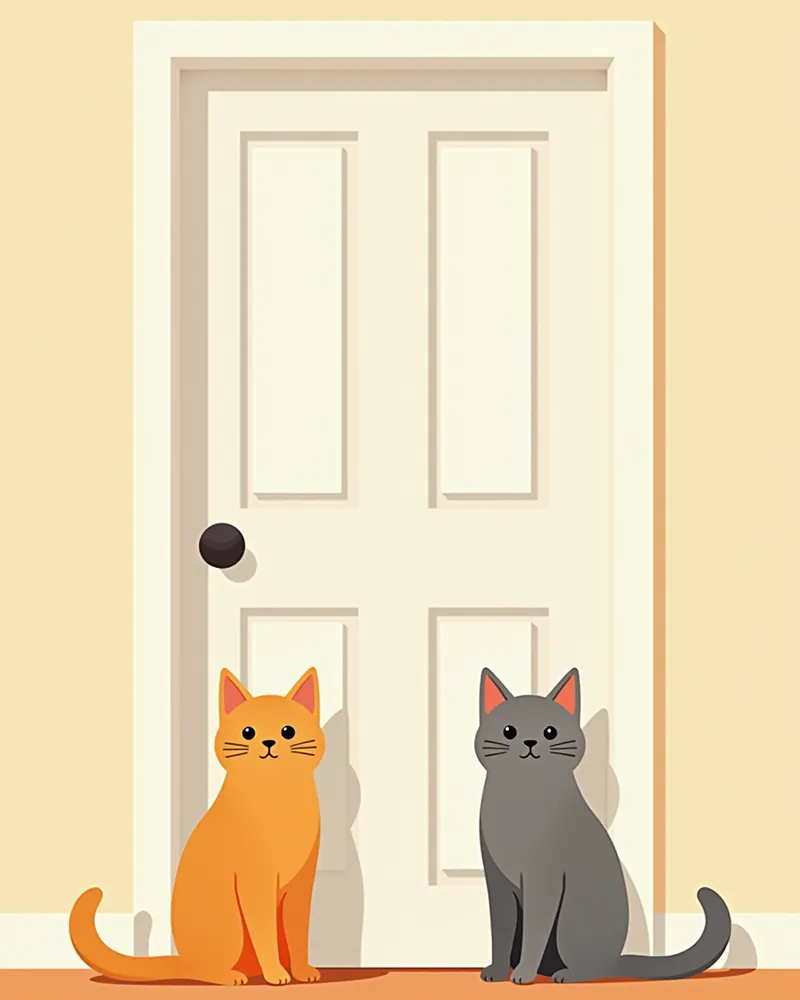
The most effective approach without relying on products is a gradual scent-swap routine. Since cats rely more on smell than sight to assess new companions, it’s essential to give them time to become fully accustomed to each other’s scents.
Step 1 (Days 1–3): Keep the new family member completely isolated in a separate room.
Step 2 (Days 4–7): Swap their bedding and towels so they can get used to each other’s scent.
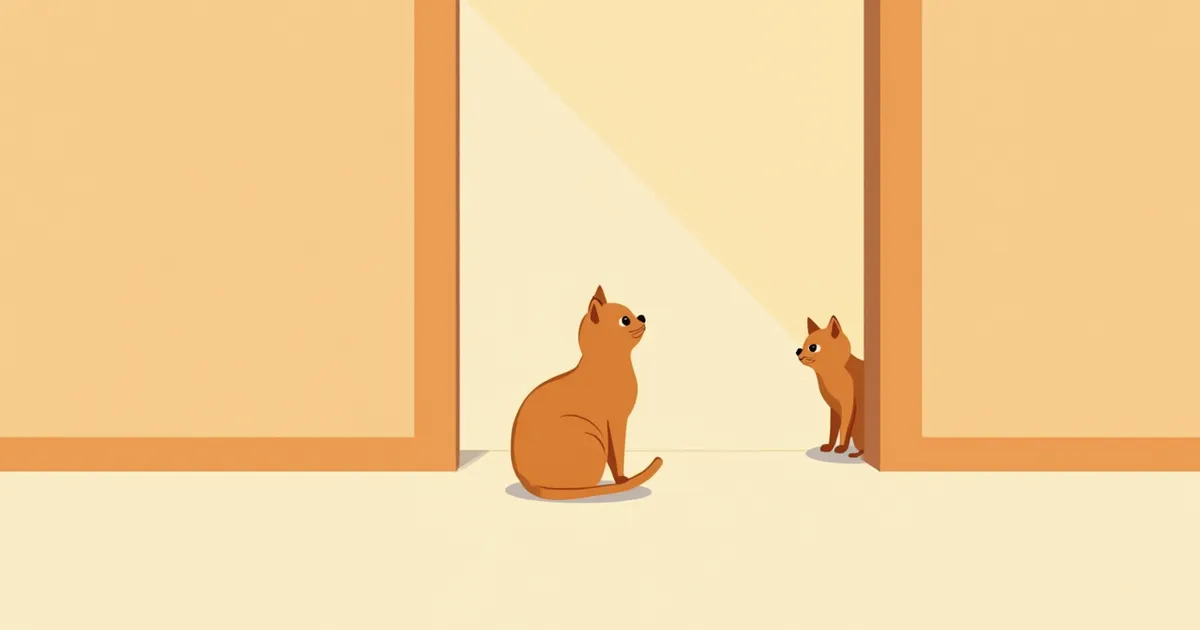
Step 3 (1–2 weeks): Let them interact only through the door, exposing them to each other’s scent and sounds.
Step 4: Under your supervision, try brief, direct face-to-face meetings.
Two cats sniffing each other through a door crack

Comparison of Stress Management Methods at a Glance

ItemSynthetic pheromone diffuserAlpha-casozepine supplementScent swapping protocol
Time to onset of effectRelatively fast (varies by individual)Takes several weeks (varies by individual)About 1–2 weeks (varies by individual)
Monthly cost₩10,000–30,000 range₩20,000–40,000 rangeFree
Difficulty of useEasyModerateModerate
Suitable for long-term useSuitableSuitableEssential
Veterinary evidenceResearch/clinical reports existVeterinary consultation recommendedBased on behavioral therapy

Prices may vary by brand and retailer

Environment Setup — Reducing Stress Through Space
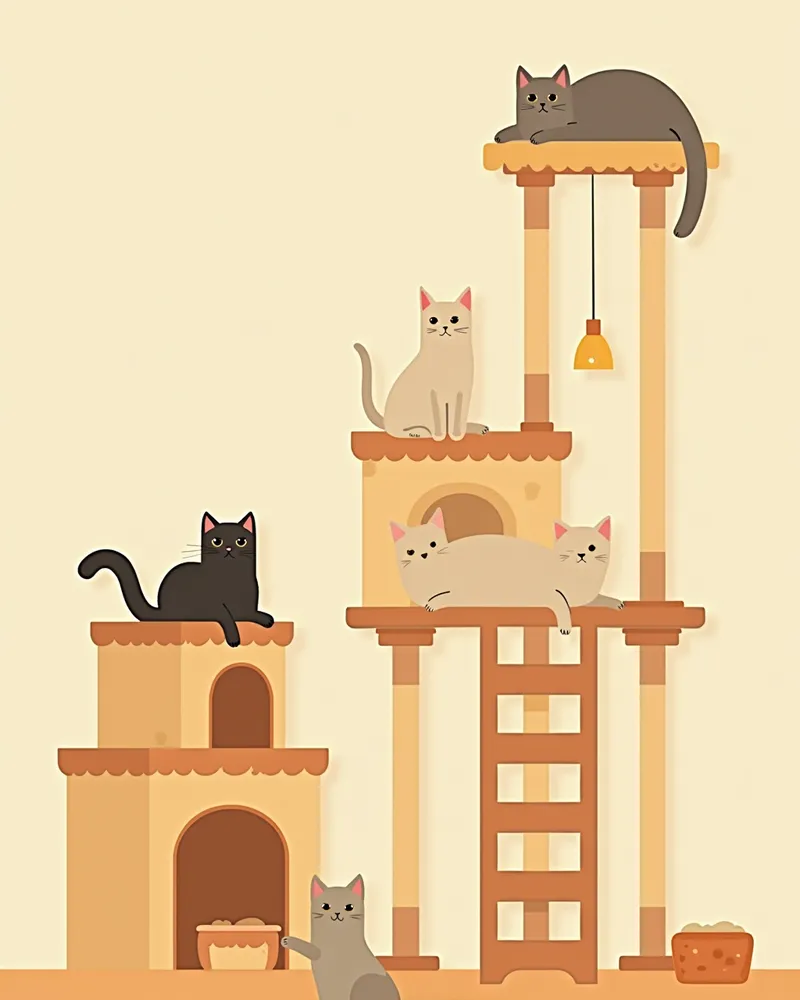
In addition to products and protocols, it is also important to set up the environment itself to minimize stress.
Provide hiding spots: Create multiple places for your cat to hide, such as boxes or the top of a cat tree.
Separate resources: Place one more food bowl, water bowl, and litter box than the number of cats.
Create vertical space: Use cat trees and shelves to increase movement routes up and down.
Provide owner scent: Placing a towel worn by the owner in the new family member's isolation area can help them feel more secure.
Setting up your cat’s environment to reduce stress

Actions to Absolutely Avoid

If you feel anxious or tense, your cat may pick up on that energy. Maintaining a calm and steady demeanor, just as you normally would, helps your cat adjust more easily. During the introduction period, avoid forcing the two cats into the same space or grabbing them by the scruff to make them interact. Instead, provide an environment where each cat can freely retreat and hide, allowing them to control their own distance and gradually become comfortable with one another.

Reviewed by a veterinarian

Dr. Tony — Punnawat Phongkittirak

Dr. Tony — Punnawat Phongkittirak

Veterinarian

A veterinarian who majored in veterinary medicine at Khon Kaen University, Thailand, and completed the IVSA program at North Carolina State University in the United States. Drawing on clinical experience at animal hospitals, he works in the pet healthcare field and is dedicated to building a digital care environment that connects pet parents with veterinarians.

Frequently Asked Questions

How long does the adjustment period take when introducing a new cat?
While every cat is different, the process usually takes anywhere from two weeks to three months. It’s important to allow at least the first two weeks for isolation and scent exchange. Rushing this stage can actually prolong the adjustment period.
Where should I plug in a synthetic pheromone diffuser for it to be most effective?
Plug the diffuser into an outlet in the room where your cat spends most of its time, especially the space where the new family member is being kept separate. Placing it near key areas such as the food and water bowls, litter box, and resting spots helps the pheromones disperse effectively. Installing it near the door can also help both cats become familiar with each other’s scent.
My existing cat is growling at the new family member. Is this serious?
Initially, this behavior is normal. A lower jaw snap is a way of saying, "Please give me some space." At this stage, avoid forcing them together and instead allow ample time for scent exchange. If the snapping persists for more than two weeks or escalates to physical aggression, we recommend consulting a veterinary behavior specialist.
Should the same method be used for newborns or young infants?
The basic principles are the same. Introduce your cat to the smells from the baby’s room (like diapers and lotion) in advance, and arrange the first meeting in an environment where the cat can freely retreat if needed. It’s important not to force the cat into your arms or compel any contact.
Can I use synthetic pheromones and alfaca sojefin at the same time?
These two products work in different ways and are sometimes used together. Pheromones primarily act on the environment to help cats feel more comfortable in their space, while alpha-casozepine is known as a supplement that works internally. However, since the effectiveness and suitability of alpha-casozepine can vary from cat to cat, it’s safest to consult with your veterinarian before starting treatment.

Share

Related Guides

References

[1] Beata C, Beaumont-Graff E, Coll V, et al. 'Effect of alpha-casozepine (Zylkene) on anxiety in cats.' J Vet Behav. 2007;2:40–46.

[2] Behnke AC, Vitale KR, Udell MAR. 'The effect of owner presence and scent on stress resilience in cats.' Applied Animal Behaviour Science. 2021;243:105444.

[3] McCobb EC, et al. 'Assessment of stress levels among cats in four animal shelters.' Journal of the American Veterinary Medical Association. 2005;226(4):548–555.

[4] Griffin B, Hume KR. 'Recognition and management of stress in housed cats.' In: August J, ed. Consultations in Feline Internal Medicine. 5th ed. St. Louis: Saunders; 2006:717–734.

This information is based on veterinary literature and does not replace diagnosis or treatment. Please consult a veterinarian for specific health concerns.

Metapet Co., Ltd. | CEO: Park Sung-yong | Business Reg. No. 417-88-02562 | Seoul, South Korea | Customer Center

Vet-Picked: 7 Cat Stress-Relief Products for a New Family Member | Meongsiljang