Like
Share
멍실장
2026 고양이 인지 영양제 추천 TOP 5

Top 5 Recommended Cognitive Supplements for Cats in 2026

Brain & CognitionTop PicksMeongsiljang Veterinary Advisory Board

Here are five cognitive supplements for cats that can help slow the progression of cognitive dysfunction syndrome in senior cats, organized by key ingredients, veterinary evidence, and precautions.

What Are Feline Cognitive Supplements?
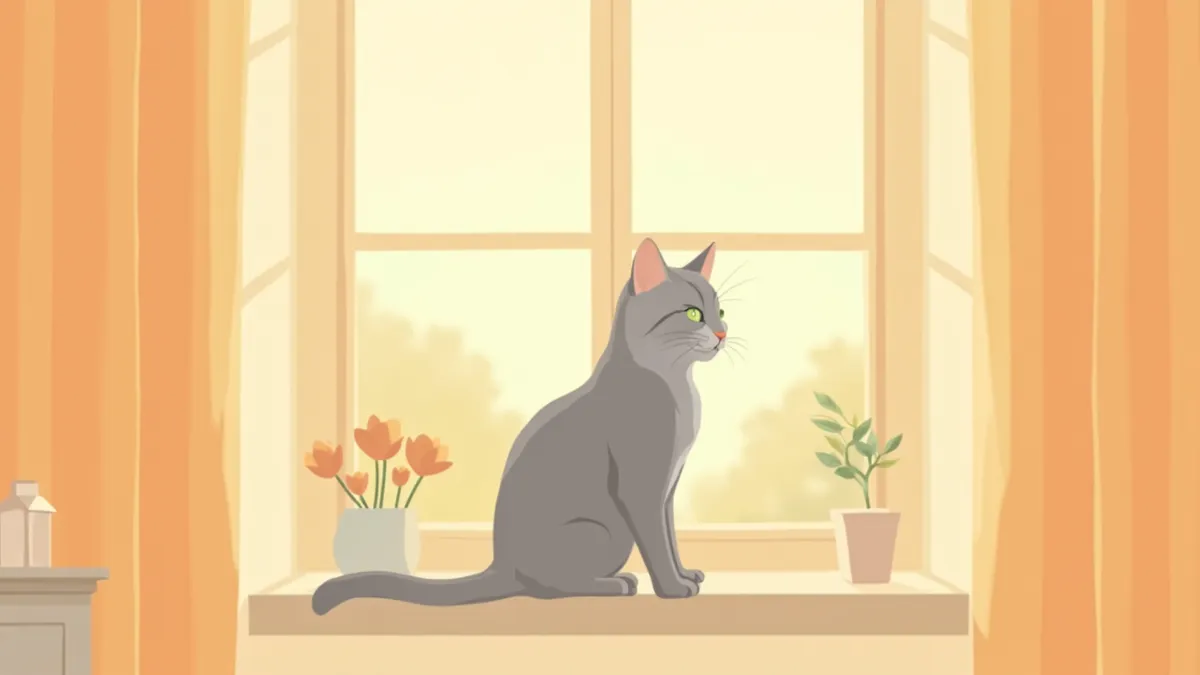
An elderly cat sitting by the window, basking in the sunlight.
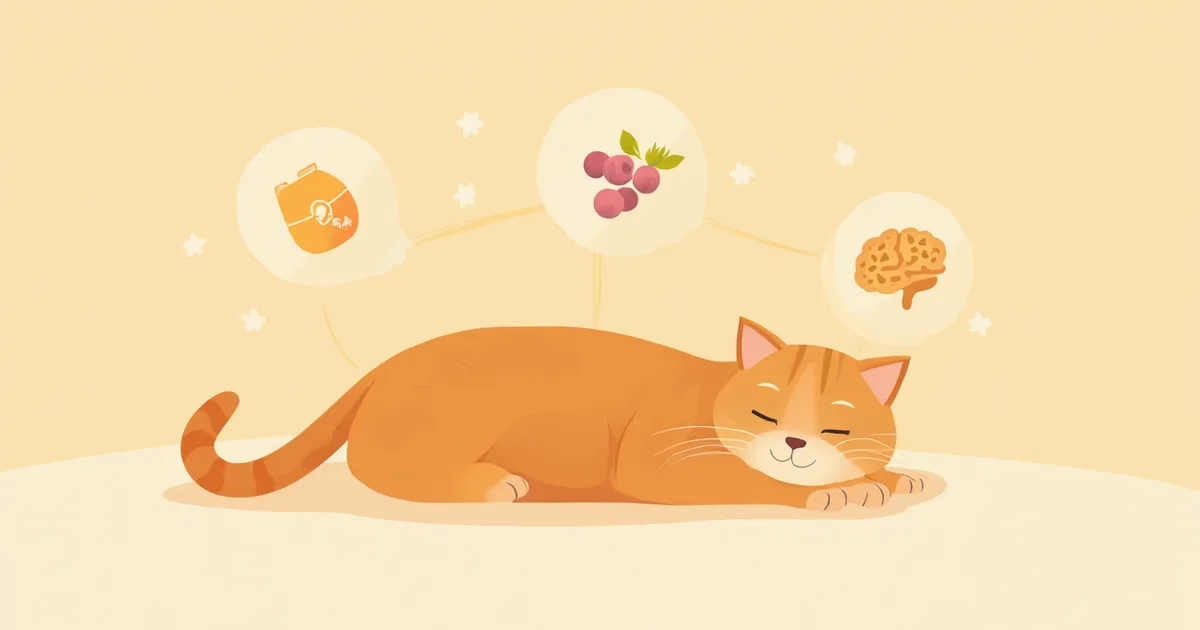
Feline cognitive supplements are nutritional aids designed to help slow brain aging and Cognitive Dysfunction Syndrome (CDS) in senior cats. Veterinary textbooks state that while there is no cure for CDS, nutrients that reduce oxidative damage, such as antioxidants and essential fatty acids, can help alleviate symptoms and delay disease progression. The key is early intervention. Since feline CDS can begin as early as age 10, it is advisable to start management as soon as your cat enters their senior years, even if behavioral changes are not yet obvious. Commonly discussed ingredients include Omega-3 DHA, SAMe (S-adenosylmethionine), antioxidants (vitamins E and C, selenium), L-carnitine, and phosphatidylserine. However, since research on cats for some ingredients like SAMe and phosphatidylserine is still limited, we recommend a conservative approach focusing primarily on ingredients with more robust evidence of efficacy.

Why Do Senior Cats Need Cognitive Supplements?

As cats enter their senior years, they may develop cognitive dysfunction syndrome (CDS), often referred to as feline dementia, which is similar to dementia in humans. According to veterinary textbooks, CDS is commonly observed in older and geriatric cats, and can begin as early as around 10 years of age.
Key signs: Disorientation, difficulty locating familiar places or resources due to memory decline, vocal changes such as nighttime crying, reduced interaction with people or other animals, and litter box accidents are typical indicators.
While nutritional supplements cannot completely halt the progression of CDS, textbooks suggest that supportive therapy using antioxidants and essential fatty acids may help alleviate symptoms and slow disease progression. Starting treatment early tends to be more beneficial. Since other age-related conditions may coexist, it is recommended to first have your cat undergo a comprehensive veterinary examination.

At-a-Glance Comparison of the Top 5 Feline Cognitive Supplements

ItemOmega-3 DHA ConcentrateSAMe ComplexAntioxidant CompleteL-carnitine BlendPhosphatidylserine
Key IngredientEPA·DHASAMeVitamin E·C·seleniumL-carnitine·alpha-lipoic acidPhosphatidylserine
Recommended TimingPrevention at 10+ yearsWhen symptoms beginEarly/preventive stageIntermediate stageMid-to-late stage
PalatabilityModerateLowHighModerateHigh
Level of Veterinary EvidenceHighLowModerateModerateLow
Risk of Side EffectsLowLowLowLowLow
Suitable for Cats with Reduced Liver FunctionTrueTrueFalseFalseTrue

The suitable ingredients differ depending on your cat's health condition (kidney, liver, heart). Consult a veterinarian before purchasing.

#1: Omega-3 DHA Concentrate Supplement

This is the first ingredient we recommend for senior cats in the preventive care stage. DHA (Docosahexaenoic Acid) is a key component of brain and nerve tissue, and it is a representative omega-3 fatty acid noted in veterinary textbooks for its neuroprotective effects. Because cats have limited ability to convert alpha-linolenic acid into DHA, it is recommended to provide it directly through their diet. Key points: - EPA and DHA content: Ensure you choose a high-concentration product formulated for cats that contains sufficient DHA. - Ingredients: Prefer products based on refined fish oil (such as anchovy or sardine). - Prevention of rancidity: Select products that are also formulated with vitamin E. Since palatability may be low, it is often more convenient to mix liquid formulations into their food rather than using capsules.

#2: SAMe (S-adenosylmethionine) Complex Supplement
This ingredient is worth considering for senior cats with concurrent liver health concerns. SAMe (S-adenosylmethionine) is well-documented in veterinary textbooks as a component used for managing liver diseases (such as hepatic lipidosis) and as an antioxidant supplement, helping to protect cells through its antioxidant activity. However, there is currently insufficient textbook evidence to support the claim that SAMe directly improves cognitive function in cats; therefore, it is more realistic to use it as a supportive supplement for cognitive health.
Precautions for use: Since palatability can be low, consider hiding it in treats or opting for a dedicated chewable formulation. Given cats' small body size, choose a low-dose product and consult your veterinarian before administration.
Nutritional supplement capsules for senior cats and a sleeping cat

#3: Antioxidant Multivitamin Supplement (Vitamin E, C, Selenium)

This is the most basic and gentle preventive supplement available. Veterinary textbooks note that antioxidants and essential fatty acids can help reduce oxidative damage caused by aging, thereby protecting nerve cells. Key ingredient combination: - Vitamin E: A representative fat-soluble antioxidant used to protect the brain and cell membranes - Vitamin C: A water-soluble antioxidant - Selenium: A component of antioxidant enzymes (glutathione peroxidase) - Alpha-lipoic acid: Often included as an antioxidant in diets for senior pets However, because cats have different metabolic processes than dogs, they may be more sensitive to certain ingredients. Therefore, always choose a product specifically formulated for cats and avoid overdosing.

#4: L-Carnitine Blend Supplement

This ingredient supports energy metabolism in the mitochondria of brain cells. L-carnitine plays a key role by transporting fatty acids into the mitochondria, enabling lipids to be utilized as an energy source. This approach aims to compensate for the age-related decline in energy production efficiency of nerve cells. Veterinary studies have reported that senior diets containing a combination of antioxidants, alpha-lipoic acid, omega-3 fatty acids, and L-carnitine have slowed cognitive decline and improved clinical symptoms, primarily in studies conducted on dogs. It is most suitable for the moderate stage, when decreased activity levels become noticeably apparent. It is particularly recommended for cats experiencing concurrent weight loss or muscle mass reduction.
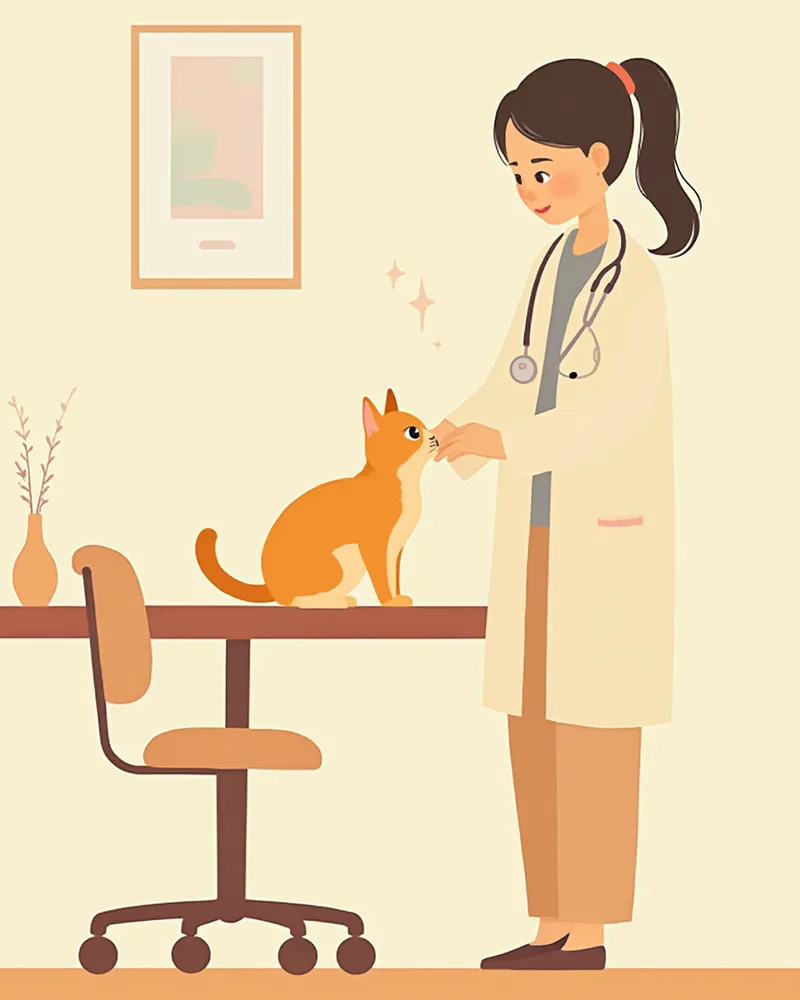
An elderly cat receiving veterinary care

#5: Phosphatidylserine Supplement

This ingredient is considered as a supportive option for managing senior cats in the late stages with pronounced behavioral changes. Phosphatidylserine is a type of phospholipid in brain cell membranes that plays a role in signal transmission between nerve cells. Studies cited in veterinary textbooks have shown that supplements containing phosphatidylserine, ginkgo biloba extract, and vitamin E improved short-term memory in senior dogs. However, since research on cats is still limited, using it as a supportive measure is the practical approach. Recommended for: - Cats showing loss of spatial awareness and declining memory - Cats with noticeable reduction in social interaction - Cats where combining with other nutritional supplements can be considered It has relatively good palatability and is often available in chewable forms. It’s best to consult with your veterinarian before starting.

Important Checks Before Purchasing Supplements

Before choosing a supplement, it’s important to check for any underlying health conditions. Kidney disease, hyperthyroidism, and diabetes are common in older cats, and these conditions may coexist with other age-related issues. Therefore, it’s essential to assess your cat’s overall health before starting any supplements. Ingredients like omega-3 fatty acids, SAMe, and antioxidants can interact with current medications or upcoming surgeries, so consult your veterinarian to determine the appropriate timing and dosage. For ingredients with established recommended doses (e.g., vitamin E at 10–15 IU/kg/day), avoiding excessive intake is key to safety. Also, avoid giving multiple products simultaneously under the assumption that “more is better.”

Top 5 Key Ingredients in Feline Cognitive Supplements

Safe

오메가-3 DHA

뇌 세포막 구성·항염증

Dosage: DHA 기준 40~70mg/kg/일

수의내과학 교과서 권장

Safe

SAMe

신경전달·항산화·간 보호

Dosage: 20mg/kg/일 공복 투여

노령견 인지 개선 연구 보고

Caution

비타민 E

뇌 세포막 지질 산화 방지

Dosage: 제품 라벨 권장량 준수

미국국립연구위원회 기준

Safe

L-카르니틴

미토콘드리아 에너지 대사 개선

Dosage: 50~200mg/일 (체중별 상이)

노령 반려동물 학습력 개선 연구

Safe

포스파티딜세린

신경세포 간 신호 전달 개선

Dosage: 제품 라벨 권장량 준수

보조적 근거

Reviewed by a veterinarian

Dr. Tony — Punnawat Phongkittirak

Dr. Tony — Punnawat Phongkittirak

Veterinarian

A veterinarian who majored in veterinary medicine at Khon Kaen University, Thailand, and completed the IVSA program at North Carolina State University in the United States. Drawing on clinical experience at animal hospitals, he works in the pet healthcare field and is dedicated to building a digital care environment that connects pet parents with veterinarians.

Frequently Asked Questions

At what age should I start giving my cat cognitive support supplements?
Feline cognitive dysfunction syndrome (CDS) can begin as early as around 10 years of age. Therefore, we recommend starting preventive care when cats enter their senior years around 11, even if behavioral changes aren't yet obvious. For cats aged 15 and older, it's best to consult with your veterinarian and begin treatment as soon as you notice any behavioral changes.
Will giving nutritional supplements cure feline dementia?
Unfortunately, a complete cure isn’t possible. Supplements help slow the progression of the disease and alleviate symptoms, but they can’t reverse damage to already injured nerve cells. That said, consistent use can significantly support your pet’s quality of life for as long as possible.
Can I give my pet multiple supplements at the same time?
While some combinations, like omega-3s and antioxidants, work well together synergistically, we don’t recommend giving multiple supplements at once without careful consideration. This can put unnecessary strain on the liver and kidneys. Stick to no more than two supplements at a time, and always consult your veterinarian before adding any new supplement.
How long does it take for supplements to show results?
The effects won’t appear immediately. Veterinary textbooks note that it can take several weeks to several months for the benefits to become noticeable. Judging it ineffective after just one week of use is too soon. Consistently comparing behavioral records—such as sleep, elimination, and vocalization—at weekly intervals will help you spot any changes.
Can I give my cat human cognitive supplements?
Absolutely not. Human products may contain additives that cats cannot metabolize, such as xylitol, alcohol, and caffeine, and the dosages are calculated based on body weight, which is vastly different for cats. Always use products specifically labeled for cats.

Share

Related Guides

References

[1] Gunn-Moore, D., Moffat, K., Christie, L.A., and Head, E. Cognitive dysfunction and the neurobiology of ageing in cats. J. Small Anim. Prac. 48(10): 546–553, 2007

[2] Head, E., Nukala, V.N., Fenoglio, K.A. et al. Effects of age, dietary, and behavioral enrichment on brain mitochondria in a canine model of human aging, 2009

[3] The Cat, Clinical Medicine and Management, 2nd Edition — Cognitive Dysfunction Syndrome

[4] Applied Veterinary Clinical Nutrition, 2nd Ed — Feline Senior Nutrition

[5] Nutrient Requirements of Dogs and Cats — National Research Council, Nutrient Requirements and Dietary Concentrations for Cats

This information is based on veterinary literature and does not replace diagnosis or treatment. Please consult a veterinarian for specific health concerns.

Metapet Co., Ltd. | CEO: Park Sung-yong | Business Reg. No. 417-88-02562 | Seoul, South Korea | Customer Center

Top 5 Cat Cognitive Supplements for 2026: Senior Brain Health | Meongsiljang