Like
Share
멍실장
고양이 건식 vs 습식 vs 생식 선택 관리 추천 BEST와 고르는 기준 총정리

The Ultimate Guide to Choosing and Managing Dry, Wet, and Raw Cat Foods: Best Options and Selection Criteria

Lifestyle & Age CareTop PicksMeongsiljang Veterinary Advisory Board

Dry, wet, and raw cat foods each have their own pros and cons. Choosing the right option and managing it properly are key to protecting your cat’s kidney health and supporting a long, healthy life.

What Are the Differences Between Dry, Wet, and Raw Cat Foods?
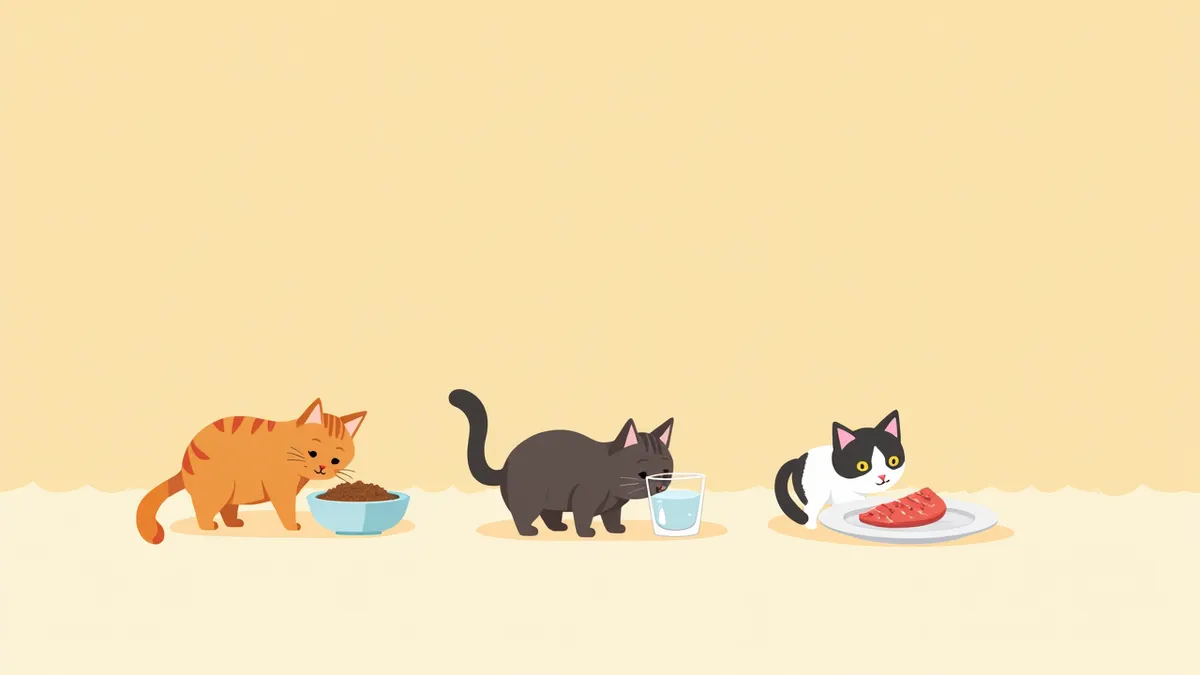
An image showing a cat eating dry food, drinking water, and consuming raw food.
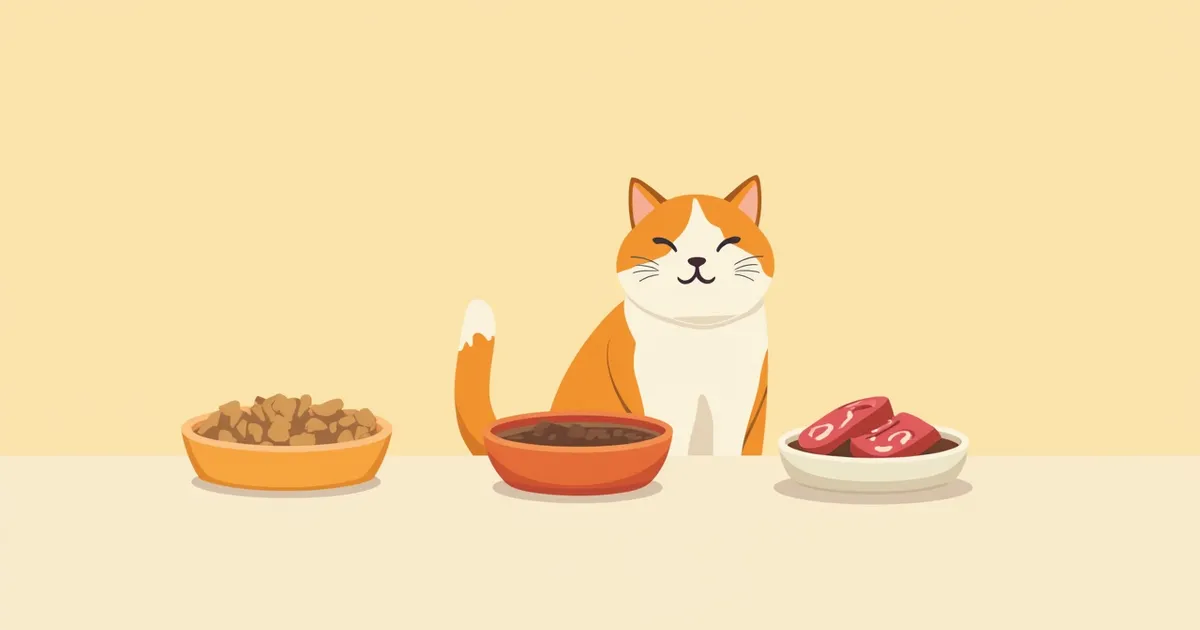
Cat diets generally fall into three categories: dry, wet, and raw. Each has distinct characteristics and is suited to different situations, so the best choice depends on your cat’s health status and living environment.
Dry food: This format is convenient to store and can be kept at room temperature. However, it’s important to note that chewing dry kibble alone doesn’t adequately maintain dental health, and its low moisture content is another factor to consider.
Wet food: This helps increase water intake, reducing the risk of dehydration and supporting kidney health. It’s especially beneficial for cats that don’t naturally drink enough water, as it helps keep them hydrated.
Raw food: This meat-based diet closely aligns with the natural carnivorous instincts of cats. However, because of the risk of bacterial and parasitic contamination, strict hygiene practices are essential.

Selection Criteria: It Depends on Your Cat’s Age, Health, and Lifestyle
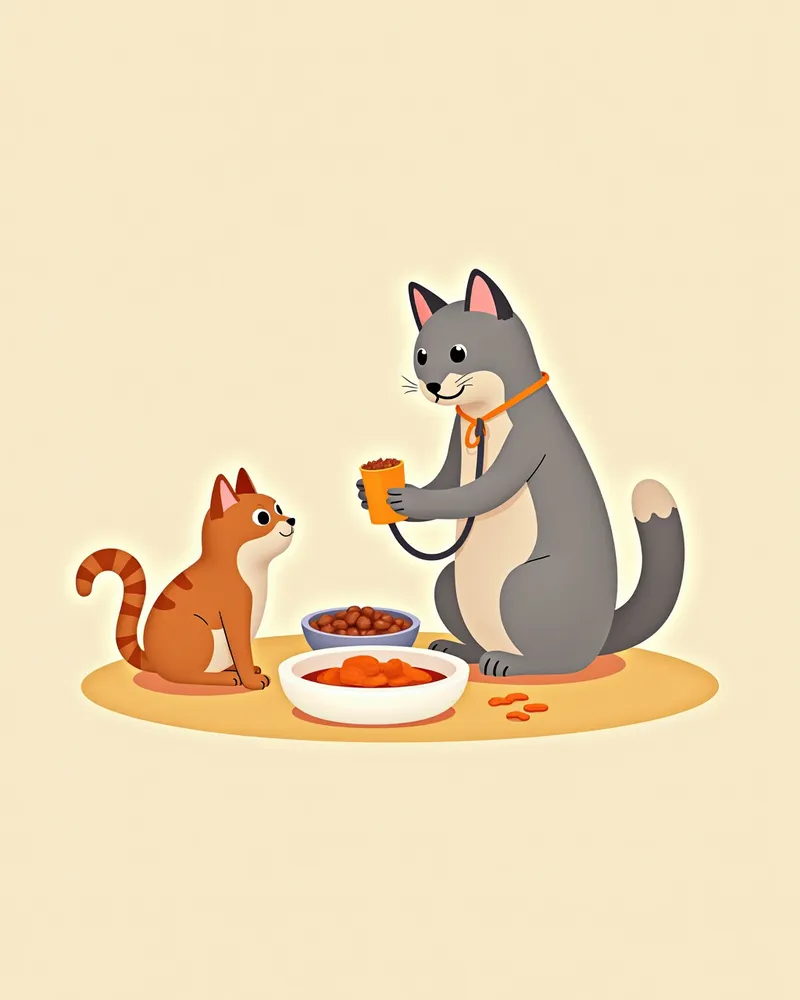
When choosing a diet for your cat, consider their life stage and health status rather than just taste or price. Kittens (under 1 year old): A balanced diet rich in nutrients essential for growth and with adequate protein is ideal. As obligate carnivores, they require animal-based protein. Young to Adult Cats (1–6 years): Balanced dry or wet food is generally suitable, with portion sizes adjusted to maintain an ideal body condition score (BCS). After neutering, caloric needs decrease, so adjust feeding amounts accordingly. Middle-Aged to Senior Cats (7 years and older): Due to the increased risk of organ function changes, such as in the kidneys, wet food can help support hydration. Management should focus on maintaining a lean body condition. Cats with Medical Conditions: For conditions like kidney disease, ensuring adequate hydration and preventing dehydration is critical, making veterinarian-recommended therapeutic diets or wet food beneficial. However, raw diets, which pose hygiene risks, are not recommended for these vulnerable patients.
A veterinarian examines a kitten, an adult cat, and a senior cat, carefully considering each one’s dietary needs.

Best Option 1: Wet Food – Recommended for Cats Prioritizing Hydration

Wet food is an excellent choice for maximizing your cat’s water intake, and it can be especially beneficial for cats whose kidney health you want to protect.
Key Benefits: It helps ensure adequate hydration, which supports kidney function, and provides essential moisture even if your cat doesn’t drink enough water on its own. Since insufficient water intake can strain the kidneys, wet food serves as an important dietary supplement.
Recommended Product: Pet Food Life Wet Cat Food (for all breeds). Contains over 90% meat ingredients and no preservatives.
Usage Tips: Store in the refrigerator and serve within 24 hours. Discard any leftovers and wash the bowl thoroughly after each use.
An image that closely showcases the meat, fish, and vegetable ingredients inside a can of wet cat food.

Best Option 2: Dry Food – Optimal for Storage Convenience and Dental Health
Dry food is a convenient dietary option that’s easy to store and well-suited for everyday care. However, its low moisture content is an important factor to keep in mind.
Key Benefits: Because of its low moisture content, dry food can be stored at room temperature, and nutritionally balanced formulas often offer good value for money. That said, chewing dry kibble alone isn’t enough to keep teeth clean; for better dental health, look for veterinary oral health council (VOHC)-approved dental diets or incorporate separate oral care routines.
Recommended Product: Petplus Dry Cat Food (for Adult Cats). Contains 85% meat ingredients, no additives, and minimal grains.
Feeding Tips: Divide the daily portion into 2–3 meals. Keep the water bowl filled and refresh the water frequently. Since a dry-food-only diet can lead to insufficient hydration and strain the kidneys, ensure your cat drinks plenty of water.
An image showing a cat looking at a bag of dry food

Best Option 3: Raw Food – For Cats Seeking a Natural Diet
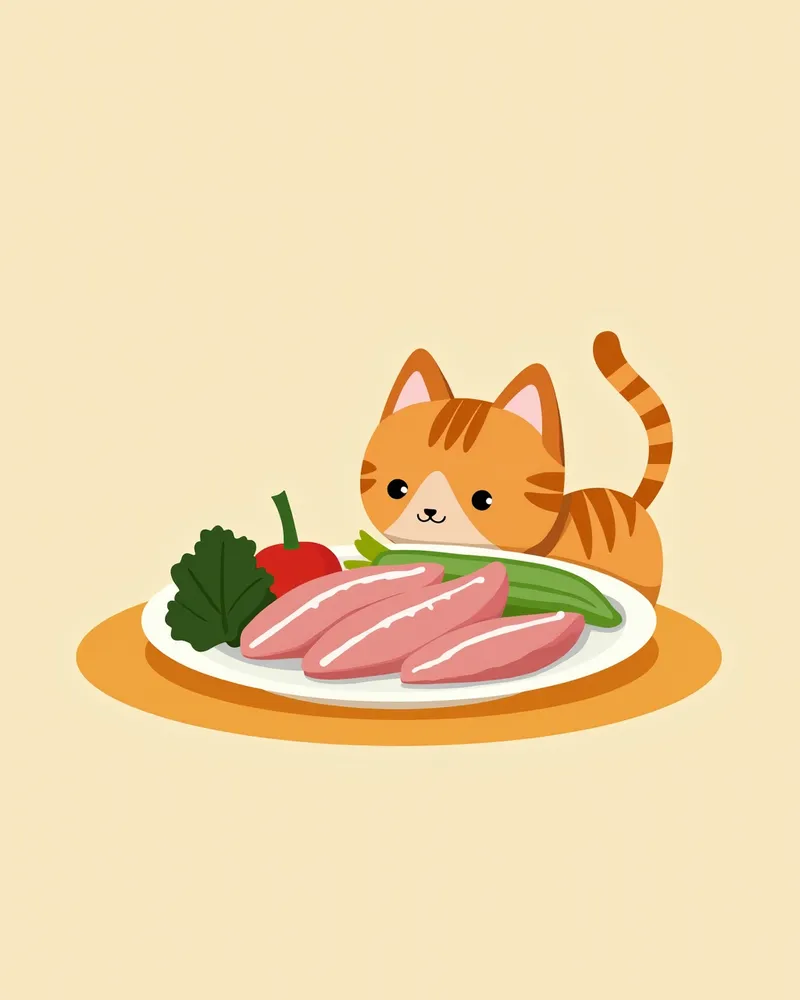
Raw diets are meat-centric feeding options designed to closely mimic a cat’s natural eating habits. While they are formulated to replicate the diet of wild cats, there is currently insufficient veterinary evidence to fully support their health benefits.
Key advantages and limitations: These diets can be a good option for owners who prefer a meat-focused approach. However, homemade raw meals in particular may lack essential amino acids, vitamins, and minerals, leading to nutritional imbalances. They also carry risks of bacterial and parasitic contamination, making strict hygiene practices essential.
Recommended product: Life’s Raw Cat Diet (feed three times per week). A blend of organic meat, fish, and vegetables.
Feeding tips: Always thaw the food in the refrigerator before serving, and feed it within 24 hours of refrigeration. Wash the bowl after every meal, and consult a veterinary nutritionist to ensure the diet is nutritionally balanced.
An image showing a cat's food bowl filled with reproductive-stage cat food.

Comparison of Best Options 1–3: Key Characteristics of Each Cat Food Type

ItemWet FoodDry FoodRaw Food
Moisture ContentAids water intake, beneficial for kidney healthLow moisture content, can be stored at room temperatureMeat-based, so tends to have high moisture content
Storage ConvenienceRequires refrigerationCan be stored at room temperatureRequires refrigeration
Dental Health EffectModerateLimited (dental diets/oral care recommended)Moderate
Hygiene Management RequiredLowLowHigh
Recommended Age GroupAll agesAdult cats and olderAdult cats (caution for vulnerable individuals)

Raw food carries a risk of bacterial and parasitic contamination, so hygiene management is important, and it is not recommended for young, senior, or immunocompromised cats.

Caution: Hygiene Management Is Essential for Raw Food

Raw diets carry the risk of exposure to bacteria and parasites. This can be especially dangerous for kittens, senior cats, and cats with weakened immune systems.

Usage Tips: Is It Safe to Mix Your Cat’s Diet?
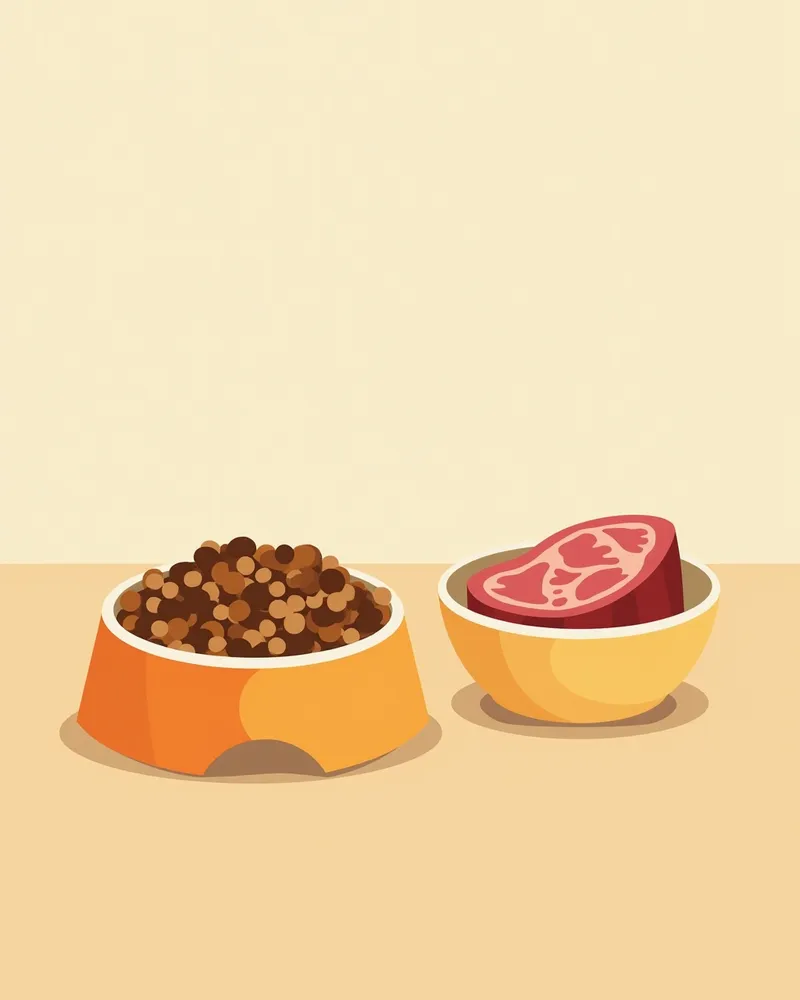
Mixing dry and wet food is generally safe. However, raw diets carry hygiene risks, so extra caution is needed when combining them with other food types.
Tips for mixed feeding: Offer dry and wet food in separate meals, one to two times per day. Serve raw food at a different mealtime. Limit each meal to 15–20 minutes, and discard any uneaten food.
Precautions: Always store raw food in the refrigerator and thaw it before serving. Dispose of any leftovers within 24 hours and do not refeed them. Raw diets pose a higher risk of bacterial and parasitic contamination, so strict hygiene is especially important for kittens, senior cats, or those with weakened immune systems.
An image showing a cat's food bowl with a mix of dry and wet food.

Reviewed by a veterinarian

Dr. Tony — Punnawat Phongkittirak

Dr. Tony — Punnawat Phongkittirak

Veterinarian

A veterinarian who majored in veterinary medicine at Khon Kaen University, Thailand, and completed the IVSA program at North Carolina State University in the United States. Drawing on clinical experience at animal hospitals, he works in the pet healthcare field and is dedicated to building a digital care environment that connects pet parents with veterinarians.

Frequently Asked Questions

Is it okay to feed my cat raw food?
Raw diets mimic a cat’s natural eating habits, but there is insufficient veterinary evidence to support their benefits. Because of the risks of bacterial and parasitic contamination, as well as potential nutritional imbalances, careful preparation and storage are essential. These diets can be dangerous for kittens, senior cats, or those with weakened immune systems, so it’s best to consult a veterinarian or a veterinary nutritionist before use.
Will feeding only wet food cause my cat to gain weight?
Wet food has a high moisture content, which means it tends to be lower in calories per unit of weight. However, feeding too much can still lead to obesity. It’s important to manage portion sizes to help your pet maintain an ideal body condition score (BCS).
Does dry food help with dental health?
Simply chewing dry kibble isn’t enough to keep teeth clean; dedicated dental diets and regular tooth brushing are much more effective for maintaining oral health. Additionally, a diet consisting solely of dry food can lead to dehydration, which may strain the kidneys, so be sure to encourage your pet to drink plenty of water.
My cat only wants to eat dry food. What should I do?
Even if your cat primarily eats dry food, it’s a good idea to mix in some wet food or provide multiple water bowls to encourage more frequent drinking. Since adequate hydration is crucial for kidney health, a little extra effort goes a long way.
Can I make raw food myself?
Making your own raw pet food without professional guidance can lead to nutritional imbalances and hygiene issues. In fact, there have been reported cases of homemade diets falling short of essential nutrient requirements. It’s important to use verified products and ensure that all ess

Share

Related Guides

References

[1] Freeman LM, Chandler ML, Hamper BA et al. (2013) Current knowledge about the risks and benefits of raw meat-based diets in dogs and cats. Journal of the American Veterinary Medical Association, 242(1), 103-112.

[2] The Dog Care Handbook, Things I Wish My Vet Had Told Me (2024). Chapter 5: Raw Food Diets and Their Risks for Pets and Families.

[3] Morelli G, Catellani P, Miotti Scapin R et al. (2020) Evaluation of microbial contamination and effects of storage in raw meat-based dog foods purchased online. Journal of Animal Physiology and Animal Nutrition, 104(3), 690-697.

This information is based on veterinary literature and does not replace diagnosis or treatment. Please consult a veterinarian for specific health concerns.

Metapet Co., Ltd. | CEO: Park Sung-yong | Business Reg. No. 417-88-02562 | Seoul, South Korea | Customer Center

Cat Food Guide: Dry vs. Wet vs. Raw – Best Options for Your Cat | Meongsiljang