

Top 3 Recommended Strategies and Selection Criteria for Differentiating and Managing Feline Ringworm and Parasitic Infections
Feline ringworm and parasitic infections can be easily confused due to their similar symptoms, making accurate differentiation and tailored care essential. In this article, we’ve compiled the top three most effective treatments and management strategies.
Top 3 Recommended Strategies for Differentiating and Managing Feline Ringworm and Parasitic Infections

Selection Criteria: Tips for Choosing a Clinic to Differentiate Feline Ringworm and Parasitic Infections

Check 1: Equipped with Diagnostic Tools Suitable for Differentiating Ringworm and Parasitic Infections

Check 2: Regularly Performs Diagnostic Tests for Feline Skin Diseases

Check 3: Personally Interprets Test Results and Links Them to a Treatment Plan

Checklist for Choosing a Clinic to Differentiate Feline Ringworm and Parasitic Infections
| Item | Recommended Criteria |
|---|---|
| Equipment | Check whether they have a Wood's lamp, skin scraping, and fungal culture equipment |
| Test Operation | In-house culture performed directly, or notification of the turnaround time for external referral |
| Interpretation Capability | Whether the veterinarian can directly interpret microscopy and culture results |
| Result Interpretation | Explanation of differential results along with isolation and disinfection guidelines |
| Cost Information | Check whether estimated costs for each test type are disclosed in advance |
This is not a table recommending specific products or clinics, but a reference standard for consulting a veterinarian. Always make treatment and testing decisions together with a veterinarian through an examination.
Caution: Incorrect Treatment Can Worsen Symptoms
Mistaking ringworm for parasites can worsen symptoms and prolong treatment. For instance, using antifungal medication for a parasitic infection will be ineffective, while applying parasite treatments to ringworm may cause skin irritation. Always consult a veterinarian for an accurate diagnosis before starting any treatment.
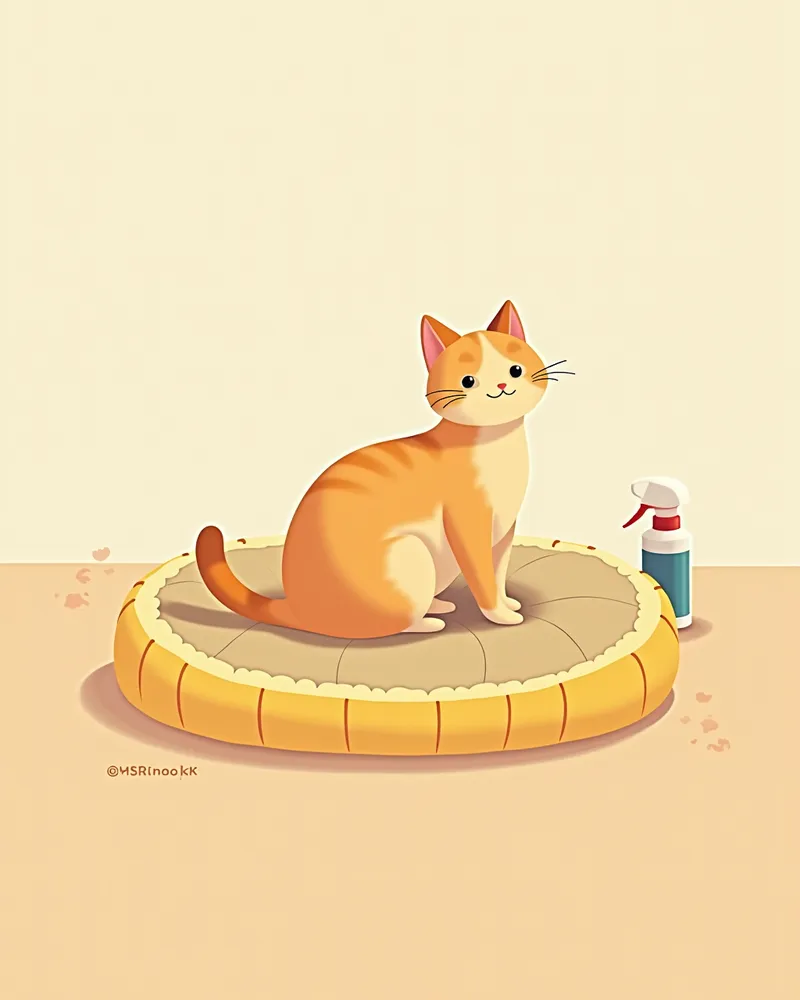
Usage Tip: Manage Alongside Environmental Cleaning
Reviewed by a veterinarian

Dr. Tony — Punnawat Phongkittirak
VeterinarianA veterinarian who majored in veterinary medicine at Khon Kaen University, Thailand, and completed the IVSA program at North Carolina State University in the United States. Drawing on clinical experience at animal hospitals, he works in the pet healthcare field and is dedicated to building a digital care environment that connects pet parents with veterinarians.
Reviewed 2026-06-29
Frequently Asked Questions
How do the symptoms of ringworm differ from those of parasitic infections?
Is it likely that my cat has ringworm?
Can ringworm be transmitted to humans?
Can I use a dewormer for ringworm?
What should I do if the symptoms persist even after treatment?
Share
Related Guides

5 Flea and Tick Preventives for Cats Recommended by Veterinarians — Ingredient Safety Comparison

The Ultimate Guide to Differentiating Symptoms, Managing Internal Parasites in Dogs, and Choosing the Best Products

Best Practices and Selection Criteria for Dog Heartworm Antigen Testing

7 Key Management Tips for Canine Ventricular Septal Defect (VSD) from a Veterinarian

7 Key Management Strategies and Selection Criteria for Canine Tricuspid Valve Dysplasia Recommended by Veterinarians
7 Key Points for Dog Thoracic X-ray Heart Size Assessment That Owners Should Know

7 Best Ways to Prevent Dilated Cardiomyopathy in Dogs — Managing Taurine Deficiency

7 Key Points for Dog Spironolactone Heart Management and Selection Criteria Highlighted by Veterinarians

7 Key Points and Measurement Criteria for Monitoring Your Dog’s Resting Respiratory Rate Recommended by Veterinarians

7 Key Management Points for Pulmonary Artery Stenosis in Dogs That Owners Often Overlook
References
[1] Moriello KA (2019a) Dermatophytosis in cats and dogs: A practical guide to diagnosis and treatment. /n Practice 41, 138-142.
[2] BSAVA Manual of Canine and Feline Dermatology, 4th Ed (2017). Chapter on Dermatophytosis.
[3] Clinical Medicine of the Dog and Cat, 4th Ed (2018). Dermatologic Disorders section.