
Like
Share
멍실장
강아지 후두마비 관리 추천 BEST와 고르는 기준 총정리

Top Recommended Products for Canine Laryngeal Paralysis Management and Selection Criteria

RespiratoryTop PicksMeongsiljang Veterinary Advisory Board

Canine laryngeal paralysis is a condition that directly affects respiratory function, making proper care and product selection essential. This article outlines effective management products and the criteria for choosing them.

Canine Laryngeal Paralysis Directly Affects Respiratory Function

The appearance of an open larynx due to laryngeal paralysis
Canine laryngeal paralysis is a condition in which weakened laryngeal muscles restrict airflow, leading to symptoms such as difficulty breathing, coughing, and changes in voice. Breathing may become labored during walks or even at rest, and in severe cases, there is a risk of suffocation. Early detection and proper management are essential. This condition is more common in older dogs and certain breeds, and symptoms can worsen in hot environments or under stress. Regular health check-ups and close monitoring of breathing are important, and early intervention can significantly improve your dog’s quality of life.

5 Criteria for Choosing Canine Laryngeal Paralysis Management Products
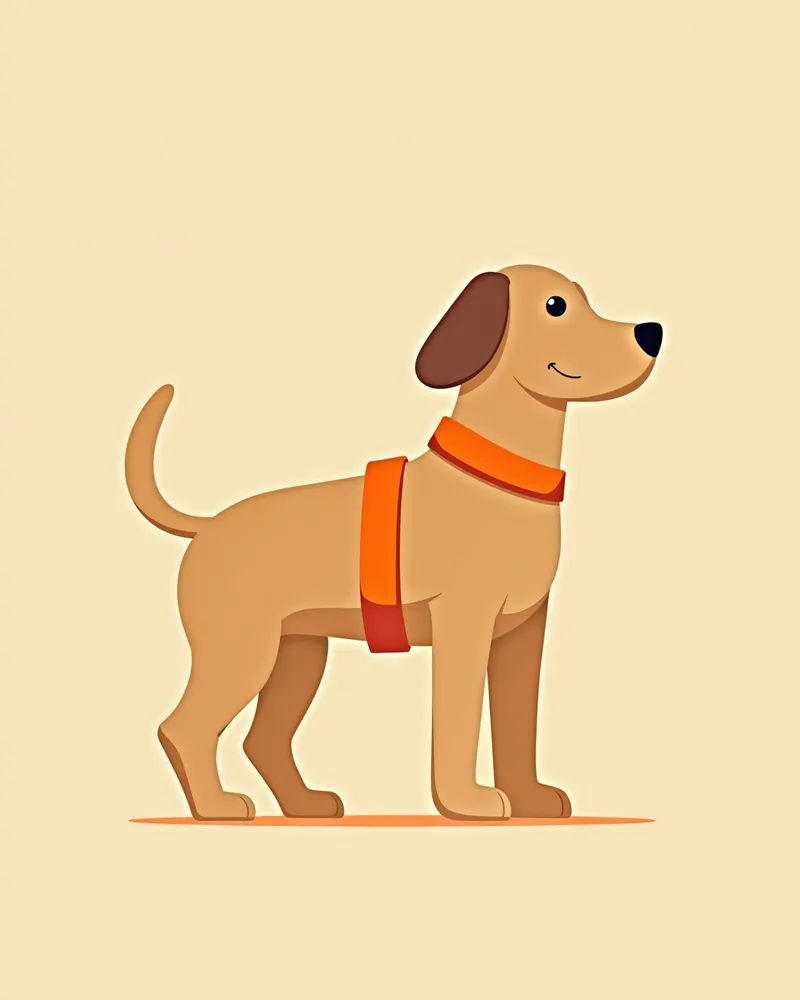
When choosing a management product for laryngeal paralysis, prioritize safety and efficacy. Here are the essential points to check: Lightweight material: Opt for breathable, lightweight fabrics to minimize weight burden on your pet. Pressure-free design: The product should not exert excessive pressure around the neck, ensuring unobstructed breathing. Adjustable straps: Straps must be adjustable to fit your pet’s size properly, providing a secure and comfortable fit. Secure design: The product should stay firmly in place during movement to prevent slipping or dislodging. Durable finish: Choose products with high durability that resist deformation even with repeated use.
Lightweight, adjustable harness for managing laryngeal paralysis

BEST 1: Breathable Harness for Comfortable Breathing
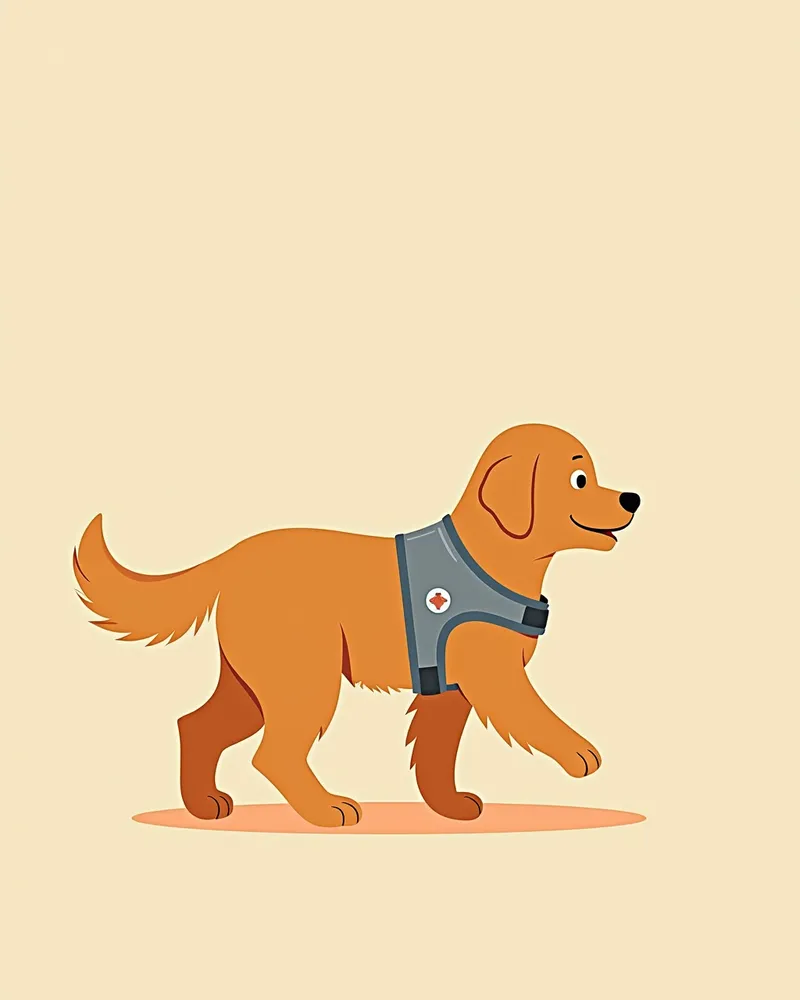
This harness is designed to reduce pressure around the neck, featuring breathable materials and soft padding. The wide shoulder pads and gentle fabric help distribute weight evenly, minimizing strain on your dog’s body, while the soft construction reduces skin irritation even during extended wear. A ventilated back panel promotes airflow to keep your pet comfortable, and adjustable straps allow for a snug, customized fit tailored to your dog’s body shape. While it helps maintain easy breathing during walks or rest, always consult your veterinarian before use. Made from durable materials, the harness resists deformation over time and is easy to wash, making hygiene maintenance convenient.
A dog with laryngeal paralysis wearing a breathable harness

BEST 2: Fixed Harness to Minimize Neck Burden

- Harness for Laryngeal Paralysis Management: Designed to reduce pressure around the neck, this harness features breathable materials and a soft finish. The ventilation openings ensure unobstructed airflow, while the adjustable straps on the back allow for a comfortable fit tailored to your dog’s body shape. - Soft Microfoam Material: Gentle on the skin, this material minimizes irritation and ensures comfort, even during extended wear. - Breathable Design: Ventilation ports on the back help quickly dissipate heat and moisture. - Lightweight Construction: Reduces weight burden, making it comfortable for prolonged use. - Adjustable Bands: Easily customizable to accommodate your dog’s unique body shape. - Easy Cleaning: Machine-washable for simple and effective hygiene maintenance. While this product may help ease breathing during walks or rest, avoid prolonged use without consulting your veterinarian.
A dog with laryngeal paralysis wearing a fixed harness

BEST 3: Pet-Specific Respiratory Aid

- Harnesses that may help manage laryngeal paralysis: Designed to minimize pressure around the neck while offering breathability and a secure, comfortable fit. - Soft micro-foam material: Gentle on the skin, reducing irritation and discomfort even with prolonged wear. - Lightweight design: Easy on the neck, helping maintain your pet’s activity level without strain. - Adjustable securing straps: Easily customizable for various breeds and body types, ensuring a stable and comfortable fit. - Easy to clean: Can be washed with water for simple hygiene maintenance, keeping it clean and sanitary over long-term use. This product may help ease breathing during walks or rest, but it’s important to consult your veterinarian for diagnosis and recommendations before use.
A dog with laryngeal paralysis wearing a respiratory support device

Comparison Table of BEST 1–3 Products

ItemMaterialCompressionPrice
BEST 1 Breathable HarnessHigh-density polyesterLowAbout $60
BEST 2 Fixed HarnessWaterproof-coated fabricVery lowAbout $80
BEST 3 Breathing AidMicro foam + siliconeNoneAbout $100

Prices are as of 2024 and may vary depending on size.

Consult Your Veterinarian Before Use

Laryngeal paralysis directly affects breathing, so it’s essential to consult your veterinarian for a proper diagnosis and recommendations before using any product. Using the wrong product could worsen breathing difficulties, so caution is advised.

5 Tips for Managing Canine Laryngeal Paralysis

Here are some daily care tips for dogs with laryngeal paralysis:
Adjust walk times: Walk in the morning or evening rather than during the hot midday hours.
Choose walk locations: Avoid busy roads and parks with many other dogs.
Maintain indoor temperature: Keep the indoor temperature at a comfortable level.
Reduce stress: Avoid loud noises and sudden movements.
Adjust feeding posture: Slightly elevate your dog’s head while eating.
A dog with laryngeal paralysis using an elevated feeding station

Reviewed by a veterinarian

Dr. Tony — Punnawat Phongkittirak

Dr. Tony — Punnawat Phongkittirak

Veterinarian

A veterinarian who majored in veterinary medicine at Khon Kaen University, Thailand, and completed the IVSA program at North Carolina State University in the United States. Drawing on clinical experience at animal hospitals, he works in the pet healthcare field and is dedicated to building a digital care environment that connects pet parents with veterinarians.

Frequently Asked Questions

Is laryngeal paralysis curable?
The management approach for laryngeal paralysis depends on its underlying cause. If there is a treatable underlying condition, such as hypothyroidism, that cause should be addressed concurrently. In mild cases, management focuses on conservative measures like weight control and limiting excitement and exercise. However, surgery such as lateralization of the arytenoid cartilage may be recommended for severe respiratory distress or bilateral paralysis. Therefore, the key lies not in a "cure" but in tailored management based on the cause and severity of the condition.
Is it okay to wear a harness every day?
Adjust the duration of use according to your veterinarian’s instructions. Prolonged wear can cause skin irritation, so consult your vet even if you only need to use it briefly. Additionally, if the product puts pressure around the neck, it may hinder breathing, so keep an eye on your pet’s breathing while they are wearing it.
When is a breathing aid used?
If your pet’s breathing becomes rapid or they cough frequently during walks, your veterinarian may recommend environmental adjustments or oxygen therapy (such as high-flow nasal oxygen) as part of the treatment plan. However, commercially available supportive devices are not recommended as standard treatments in veterinary textbooks. Therefore, when symptoms are severe, it is safer to seek veterinary care first rather than relying on such products without professional guidance.
Can dogs with laryngeal paralysis go for walks?
Controlled walks are possible. However, avoid excessive exercise, and especially refrain from walking during hot afternoons or in high-temperature environments while closely monitoring your pet's breathing. Excitement or strenuous activity can worsen symptoms, so we recommend short walks during cooler times of the day.
Which breeds are most commonly affected by laryngeal paralysis?
It has been reported in retriever breeds such as Golden Retrievers and Labrador Retrievers, as well as Bouviers des Flandres and Siberian Huskies. In Rottweilers, Dalmatians, and Great Pyrenees, laryngeal paralysis can also occur as part of polyneuropathy. Meanwhile, idiopathic laryngeal paralysis is most commonly seen in older dogs, and certain breeds have a genetic predisposition, similar to congenital laryngeal paralysis.

Share

Related Guides

References

[1] Plumb's Veterinary Drug Handbook, 9th Edition. Wiley-Blackwell, 2022.

[2] Feldman, B. F., & Nelson, R. W. (2020). Canine and Feline Endocrinology and Reproduction. Elsevier.

[3] American College of Veterinary Internal Medicine (ACVIM). (2021). Guidelines for the Management of Laryngeal Paralysis in Dogs.

This information is based on veterinary literature and does not replace diagnosis or treatment. Please consult a veterinarian for specific health concerns.

Metapet Co., Ltd. | CEO: Park Sung-yong | Business Reg. No. 417-88-02562 | Seoul, South Korea | Customer Center

Canine Laryngeal Paralysis: Best Products & How to Choose | Meongsiljang