
7 Best Practices for Managing Your Dog’s Bile Acid Test and Selection Criteria Recommended by Veterinarians
Bile acid testing is an important diagnostic tool for assessing liver function in dogs. This test enables early detection and management of liver disease.
What Is a Bile Acid Test for Dogs?
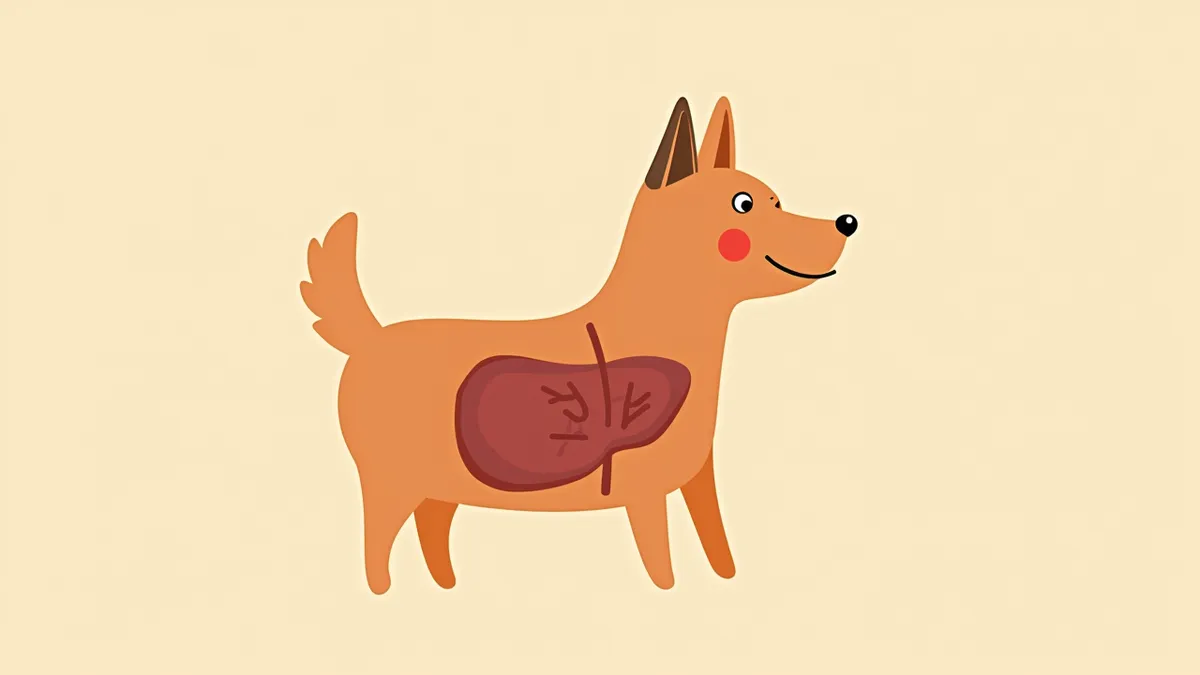
Selection Criteria

Check 1: Proper Fasting and Postprandial (2-Hour) Measurements

Check 2: Experience in Liver Disease Diagnosis and Result Interpretation

Check 3: Provision of Follow-Up Care and Dietary Counseling

Checklist for Choosing a Clinic for Bile Acid Testing
| Item | Recommended Criteria |
|---|---|
| Testing Procedure | A clinic that accurately performs the two measurements, fasting and postprandial (2 hours after eating) |
| Interpretation Experience | A clinic that explains results based on experience treating liver disease |
| Follow-up Care | A clinic that provides follow-up testing and dietary consultation |
| Result Interpretation | A clinic where the veterinarian personally explains the test results and guides the management plan |
| Cost Guidance | A clinic that informs you in advance of expected costs and the possibility of additional tests before testing |
This is not a table recommending specific clinics, but criteria worth checking when choosing a clinic to perform the tests. Prices and detailed programs vary by clinic, so inquire directly before visiting.
Precautions
The bile acid stimulation test compares fasting blood samples with those taken two hours after eating, so your dog needs to fast for at least 12 hours before the test. Fasting applies to food only; you should continue providing water as usual to prevent dehydration. Additionally, be sure to inform your veterinarian about any medications your dog is taking, as certain drugs, such as ursodeoxycholic acid (UDCA), can affect bile acid levels.
Usage Tips
Reviewed by a veterinarian

Dr. Tony — Punnawat Phongkittirak
VeterinarianA veterinarian who majored in veterinary medicine at Khon Kaen University, Thailand, and completed the IVSA program at North Carolina State University in the United States. Drawing on clinical experience at animal hospitals, he works in the pet healthcare field and is dedicated to building a digital care environment that connects pet parents with veterinarians.
Reviewed 2026-06-07
Frequently Asked Questions
When is the best time to have my dog tested for bile acids?
Should I fast my dog before the test?
What should I do if the test results come back abnormal?
How much does the test cost?
What should I do if my dog seems uncomfortable after the examination?
Share
Related Guides

7 Key Symptoms and Management Essentials for Canine Cholecystitis Recommended by Veterinarians

Top 5 Milk Thistle (Silymarin) Liver Supplements for Dogs — A Comparison Guide Based on Silybin Content and Absorption Rates
Top Prescription Diets for Dogs with Liver Disease and Selection Criteria

Top 7 Low-Protein Diets for Dogs with Liver Disease Recommended by Veterinarians — Protein Adjustment Criteria
7 Key Points for Managing Portosystemic Shunt (PSS) in Dogs, Explained by a Veterinarian
7 Key Management Tips for Feline Acute Liver Failure Recommended by Veterinarians

7 Criteria for Choosing Phosphate Binders for Dogs with Hyperphosphatemia, as Recommended by Veterinarians
Warning Signs of Respiratory Distress in Dogs — Top 7 Recommendations for Managing Pulmonary Arterial Hypertension
My Dog’s Belly Is Swollen — 7 Key Points for Managing Cardiac Ascites Paracentesis

7 Key Points for Managing Feline Pulmonary Arterial Hypertension Recommended by Veterinarians
References
[1] Plumb's Veterinary Drug Handbook, 9th ed. (2022). Wiley-Blackwell.
[2] Feldman, B.F., Nelson, R.W. (2013). Veterinary Hematology and Clinical Chemistry. 6th ed. Elsevier.