Like
Share
멍실장
강아지 구취(할리토시스) 관리 추천 BEST와 고르는 기준 총정리

Top Recommendations and Key Criteria for Managing Dog Bad Breath (Halitosis)

Oral HealthTop PicksMeongsiljang Veterinary Advisory Board

Dog bad breath can stem from various causes, including dental issues, an increase in oral bacteria, and gastrointestinal disorders. We’ve summarized the key criteria for choosing effective management products and our top three recommendations.

Dog Bad Breath (Halitosis) Is a Warning Sign of Dental and Internal Health Issues

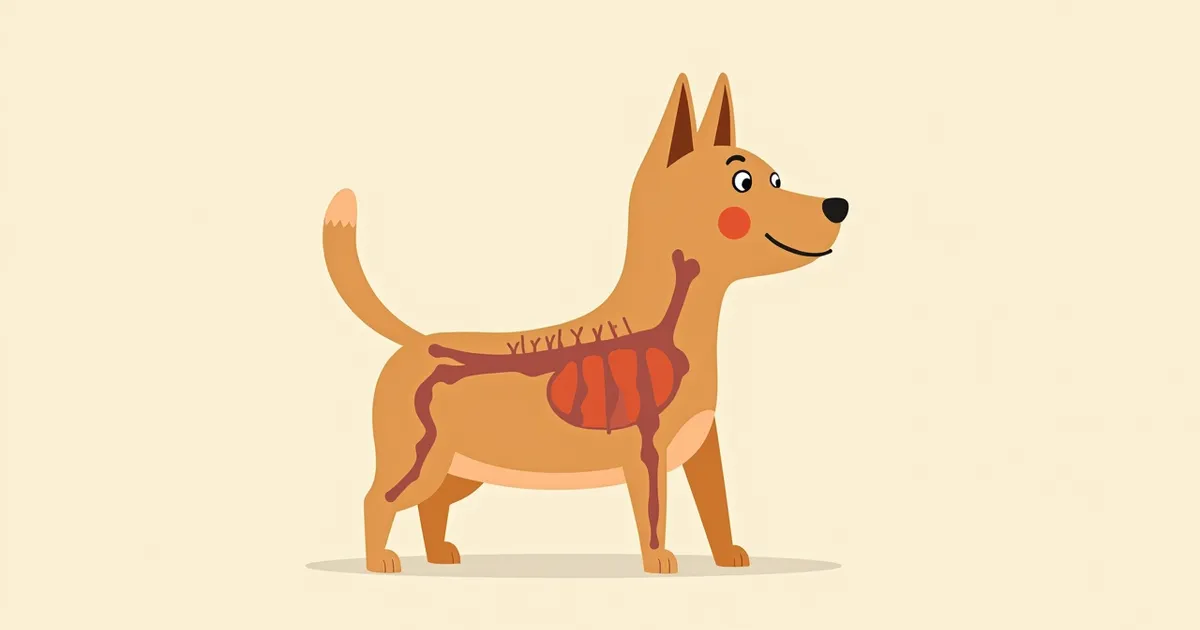
Image showing the causes of tartar and bad breath in dogs
Bad breath in dogs is more than just an unpleasant odor; it can signal underlying issues such as dental disease, an overgrowth of oral bacteria, or gastrointestinal problems. In particular, inflammation around the teeth or the buildup of tartar can significantly worsen bad breath. Regular veterinary check-ups are essential. Excessive proliferation of bacteria in the mouth can lead to periodontal disease. Additionally, impaired gastrointestinal function or indigestion may also contribute to bad breath. Therefore, if bad breath persists, it is important to investigate potential internal medical causes as well. Early detection and proper management are key to maintaining your dog’s overall health and well-being.

Six Key Criteria for Choosing Dog Bad Breath Management Products
When choosing a dog bad breath management product, it’s important to consider effectiveness, safety, administration method, ingredients, price, and pet owner reviews. Products that contain ingredients effective in suppressing oral bacteria and preventing tartar buildup are especially recommended.
Oral Bacteria-Suppressing Ingredients: These help reduce bacteria on the surface of the teeth, addressing the root cause of bad breath.
Tartar Prevention Ingredients: Look for products that include ingredients that help prevent the formation of tartar.
Bad Breath Neutralizing Ingredients: Ingredients that naturally neutralize bad breath with a pleasant scent are beneficial.
Dietary Supplement Ingredients: Products containing probiotics or other ingredients that support digestive health are a good choice.
Safe Ingredient Combinations: Opt for products made primarily with natural ingredients and free from artificial flavors and colors.
Highly Rated by Pet Owners: Products with high satisfaction rates from actual users tend to be more trustworthy.
Comparison image of dog bad breath products

BEST 1: Premium Pet Sister Pet Health Oral Care Pellets

This pellet is designed to help manage tartar and inhibit oral bacteria. - Tartar Prevention Support: Tartar forms when plaque hardens, so the chewing action of the pellets, combined with consistent plaque control, may help slow down the process of tartar hardening. However, glucosamine and chondroitin are general supplementary ingredients and are not clinically proven to prevent tartar. - Oral Bacteria Inhibition: An excessive increase in oral bacteria can lead to bad breath and periodontal disease, making it important to manage bacterial levels and food debris. The herbal scent may temporarily mask odors. - Easy Administration: With just 1–2 pellets per day, this product is convenient and minimizes the burden on pet owners. - Safety: Before long-term use, check the ingredients and dosage on the label, and consult your veterinarian if your pet has any underlying health conditions. - Note: The satisfaction rates provided are based on the manufacturer’s internal surveys and do not guarantee medical efficacy. If bad breath persists, it is advisable to check for dental or internal medical causes.
Premium Pet Sister Oral Care Pellets Image

BEST 2: Ladies Pet Health Oral Spray

This product is an oral care treatment that you simply add to your pet’s drinking water. It features probiotics and natural plant extracts as its key ingredients, aiming to maintain a healthy oral environment and reduce bad breath. Administration is very easy—just add it to the water once or twice a day. It’s especially convenient for dogs that drink water frequently. However, if the underlying cause of the bad breath is dental or periodontal disease, or an internal medical condition, this product alone may have limited effectiveness. - Probiotics: Marketed to support oral and gut health, but their ability to suppress bad breath is not yet firmly established in veterinary science. - Natural plant extracts: May temporarily mask odors with a pleasant scent. - Water-soluble format: Offers a convenient way to administer the product, reducing the burden on pet owners.
Lady's Pet Health Oral Spray Image

BEST 3: Carrier Pet Health Oral Water Treatment

This product is an oral care treatment added to drinking water, designed to help manage your dog’s daily bad breath. - Contains probiotics: Marketed as ingredients that support oral and gut health, though their ability to suppress bad breath is not definitively proven in veterinary literature. - Natural plant extracts: Relatively mild ingredients claimed to assist with oral care. - Easy administration: Simply add to water once or twice a day, which helps minimize your dog’s resistance. - Caution with long-term use: Before prolonged use, check the ingredients and dosage on the label, and consult your veterinarian if needed. - Combine with foundational care: If bad breath stems from dental or periodontal disease, or internal medical conditions, this product alone has limitations. Use it alongside regular brushing and routine veterinary checkups.
Carrier Pet Health Oral Water Treatment Image

Comparison Table of Products BEST 1–3

ItemFormMain IngredientsEffectPrice (per 30 days)
BEST 1: Premium Pet Sister PelletPelletGlucosamine, chondroitin, natural herbsTartar prevention, bacterial inhibition, tooth protectionAbout $10
BEST 2: Ladies Pet Health SpraySprayTea tree oil, lemongrass oilImmediate bacterial inhibition, odor neutralizationAbout $10
BEST 3: Carrier Pet Health Water TreatmentWater additiveProbiotics, plant extractsImproved gut health, continuous odor removalAbout $10

Prices are averages and may vary by retailer. The products are formulated based on safe ingredient combinations recommended by veterinarians.

Caution: Immediate Veterinary Visit Required If Bad Breath Worsens

If your dog’s bad breath suddenly worsens or is accompanied by symptoms such as loss of appetite, vomiting, or diarrhea, it could indicate a serious condition like dental disease, gastrointestinal issues, or kidney disease. Please consult your veterinarian immediately for a thorough examination.

Five Tips for Managing Dog Bad Breath
Managing bad breath goes beyond just using products; improving daily habits is key. Consistent at-home care can help prevent halitosis.
Regular brushing: Brushing daily is the most effective approach, but if that’s difficult, aim for at least two to three times per week consistently. Daily oral care at home is essential for preventing plaque and tartar buildup.
Choosing dental treats: Treats designed to reduce plaque on tooth surfaces through chewing can be helpful.
Providing plenty of water: Offer fresh, clean water frequently to help keep your pet’s mouth clean.
Post-meal care: Develop the habit of checking your pet’s mouth after meals to ensure no food particles remain.
Regular check-ups: Schedule routine veterinary exams to monitor oral health, and consider professional dental cleanings if tartar accumulates.
Tips for cleaning your dog's teeth image

Reviewed by a veterinarian

Dr. Tony — Punnawat Phongkittirak

Dr. Tony — Punnawat Phongkittirak

Veterinarian

A veterinarian who majored in veterinary medicine at Khon Kaen University, Thailand, and completed the IVSA program at North Carolina State University in the United States. Drawing on clinical experience at animal hospitals, he works in the pet healthcare field and is dedicated to building a digital care environment that connects pet parents with veterinarians.

Frequently Asked Questions

When should you take your dog to the vet for bad breath?
If your pet’s bad breath suddenly worsens or is accompanied by symptoms such as loss of appetite, vomiting, or diarrhea, a prompt veterinary visit is essential. The veterinarian will conduct thorough examinations to identify the underlying cause.
Are oral sprays safe for dogs?
Most oral sprays made with natural ingredients are safe. However, it's best to avoid products containing fragrances or alcohol and choose those recommended by a veterinarian.
Even after giving my pet oral care products, I’m not seeing any improvement. Why is that?
If bad breath is caused by dental disease or internal health issues, oral care products alone will have limited effectiveness. It’s important to work with a veterinarian to identify the underlying cause and pursue comprehensive treatment.
Is it okay to give oral care products to my pet multiple times a day?
Please follow the appropriate dosage as indicated on the product label. Overdosing can cause side effects. Follow the dosage recommended by your veterinarian.
My dog doesn’t like to eat oral care products. What should I do?
You can choose a tasty product or mix it with treats. Start with a small amount and gradually increase it. Patience from the pet owner is key.

Share

Related Guides

References

[1] Blake, A.B. and Suchodolski, J.S. (2016) Importance of gut microbiota for the health and disease of dogs and cats. Animal Frontiers 6, 37–42.

[2] Plumb's Veterinary Drug Handbook, 9th Edition. Wiley-Blackwell, 2022.

[3] American Veterinary Dental College (AVDC). (2023) Guidelines for the Prevention and Management of Periodontal Disease in Dogs. AVDC Official Position Statement.

This information is based on veterinary literature and does not replace diagnosis or treatment. Please consult a veterinarian for specific health concerns.

Metapet Co., Ltd. | CEO: Park Sung-yong | Business Reg. No. 417-88-02562 | Seoul, South Korea | Customer Center

Dog Bad Breath (Halitosis): Top Picks & Selection Criteria | Meongsiljang