Like
Share
멍실장
고양이 피모벤단 치료 관리 추천 BEST와 고르는 기준 총정리

7 Key Points for Feline Pimobendan Treatment Compiled by Veterinarians — Dosage, Side Effects, and Precautions

HeartTop PicksMeongsiljang Veterinary Advisory Board

We’ve compiled effective management strategies and recommended products for pimobendan, a medication used to treat feline heart disease. Making the right choice can significantly improve treatment success rates.

Pimobendan Treatment for Cats Is Key to Improving Cardiac Function
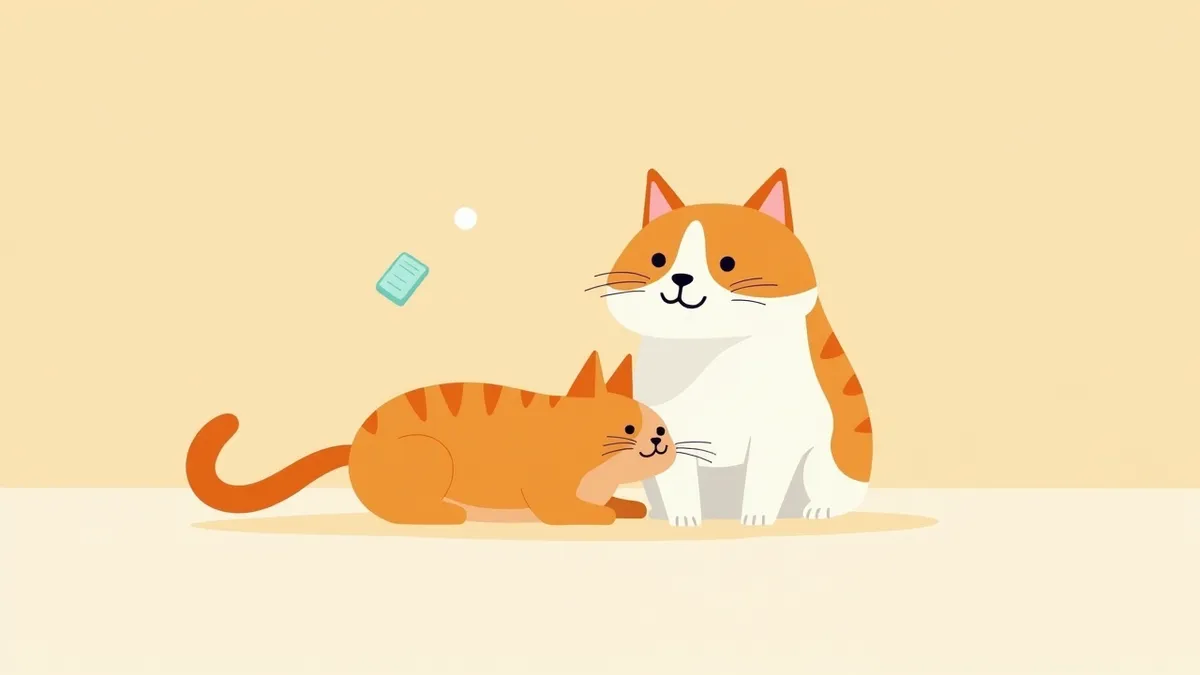
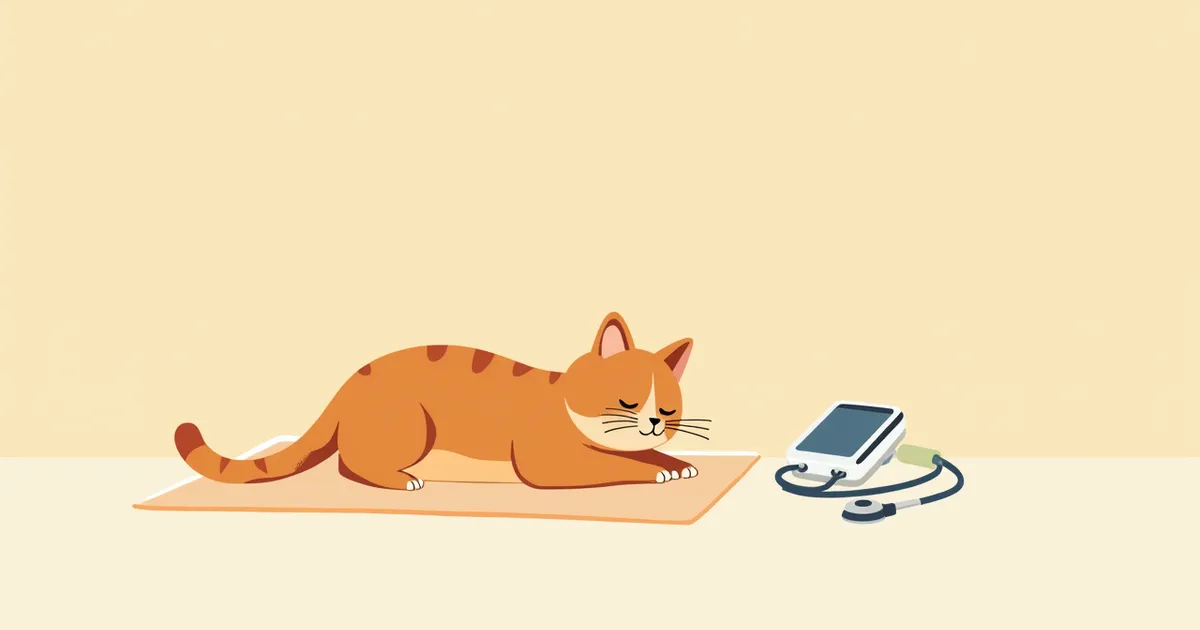
A veterinarian administering Pimobendan to a cat.
Pimobendan is a prescription medication in the inodilator class that strengthens the heart’s contractile force and promotes vasodilation in cats. - Reduced cardiac function: When the heart isn’t pumping effectively, pimobendan enhances myocardial contractility, improving forward blood flow from the left ventricle and overall circulation. - Symptom relief and quality of life: It can help alleviate symptoms and improve quality of life in cats with heart disease, such as congestive heart failure. However, since its use in cats is extra-label, efficacy and suitability depend on the individual cat’s cardiac condition. - Managing side effects: Side effects such as decreased appetite or vomiting may occur, so regular veterinary check-ups are essential to monitor your cat’s condition. - Accurate administration: To maximize effectiveness, administer the exact dose at the prescribed times as directed by your veterinarian. - Long-term management: Rather than expecting rapid results, consistent long-term management is key to maintaining your cat’s health.

Things to Know: When Reviewing Pimobendan Treatment

When choosing a pyrimethamine treatment, carefully consider factors such as drug stability, ease of administration, and potential side effects. It is especially important to confirm whether the formulation is palatable for your cat and if the dosing frequency is appropriate. The safest approach is to select a product in consultation with your veterinarian.
Formulation selection: Pyrimethamine is primarily supplied in tablet form, and many products are enhanced for palatability, making administration relatively easy.
Dosing frequency: The standard regimen is typically twice daily at 12-hour intervals. Consistent adherence to this schedule maximizes efficacy.
Monitoring for side effects: If you observe decreased appetite or vomiting, consult your veterinarian. If your pet’s condition deteriorates rapidly, seek immediate veterinary care.
Storage: Because the product is palatable, accidental ingestion of large amounts can lead to overdose. Store it out of reach of children and pets, away from direct sunlight and moisture.
The liquid, tablet, and capsule forms of Pimobendan are lined up side by side.

Things to Know 1: What Is Pimobendan?
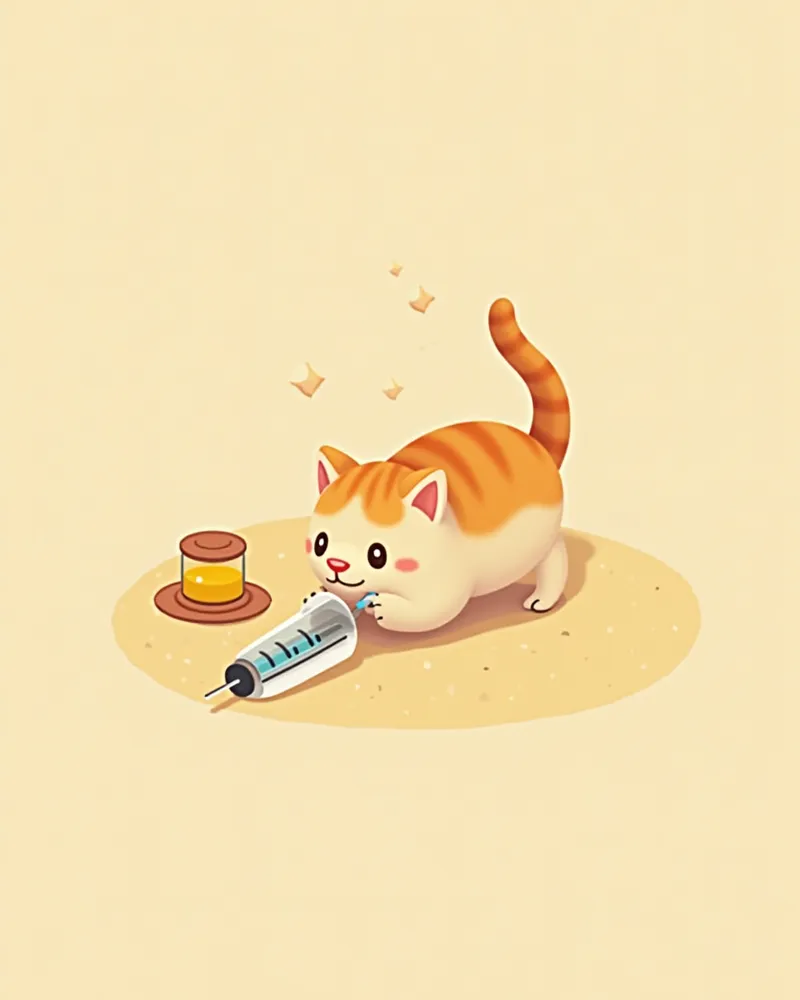
Pimobendan is a prescription medication that helps the heart contract more efficiently and widens blood vessels to reduce the heart's workload. It is primarily used to improve symptoms and enhance quality of life in cases of congestive heart failure or certain heart conditions. It is commonly used in dogs with valvular disease, while in cats, it is used cautiously based on the cat's heart condition and the veterinarian's judgment. Since it is not a general supplement but a medication that directly affects heart function, it must be prescribed based on a proper diagnosis.
What kind of medication is Pimobendan? Related guide image

Things to Know 2: Accurate Diagnosis and Prescription Come First

Pimobendan is not a one-size-fits-all treatment for every heart condition; it is only used when deemed appropriate after evaluating the heart’s condition and type through diagnostics such as an echocardiogram. Even among cats with heart disease, its effectiveness varies by specific type, making a veterinarian’s diagnosis essential. Dosage and administration intervals are tailored to each individual’s condition, so it is crucial to follow the prescribed regimen without altering the dose or using it arbitrarily. It is also frequently prescribed in combination with other cardiac medications.
An accurate diagnosis and prescription come first. Please refer to the related guide image.

Things to Know 3: Monitoring and Follow-Up Care Are Necessary
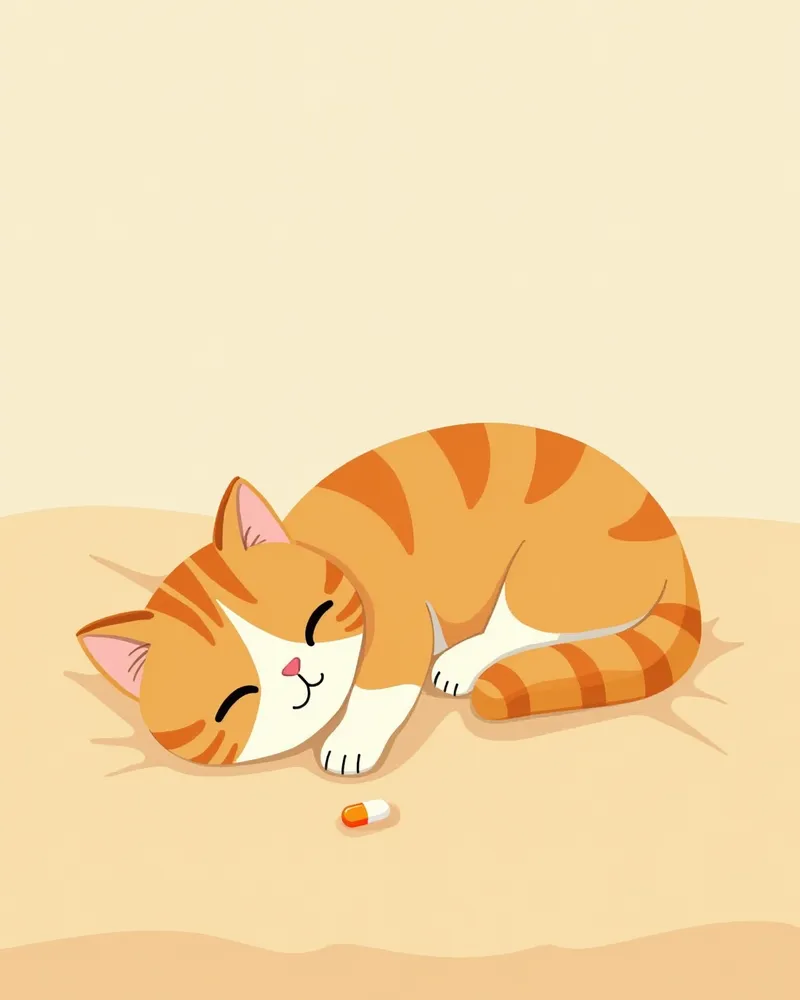
Once you start pimobendan, it’s important to regularly check your pet’s heart condition to ensure the medication is working well and to determine if any dosage adjustments are needed. At home, monitoring resting respiratory rate, as well as changes in coughing or energy levels, can help you catch any worsening symptoms early. Skipping doses or stopping the medication abruptly can be dangerous, so if you notice any changes, don’t adjust the dosage on your own—consult your veterinarian instead. Consistent management is key for heart disease, so continuing regular check-ups and staying on the prescribed medication is essential.
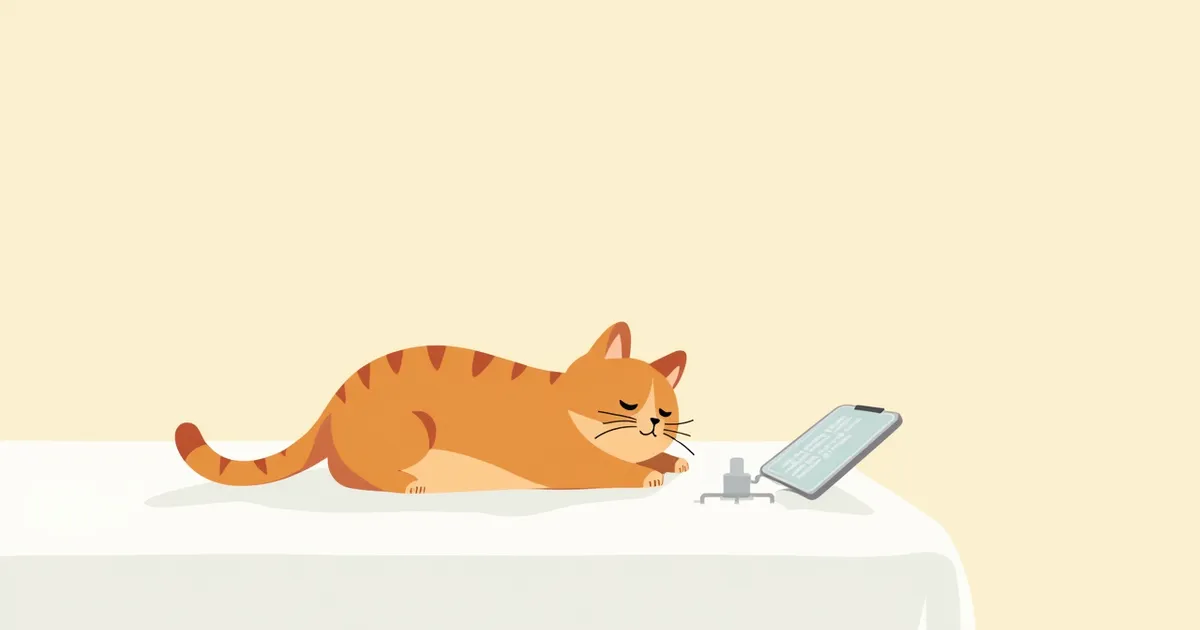
Monitoring and follow-up care are necessary. Please refer to the related guide image.

Points to Note Regarding Pimobendan Treatment

ItemKey Points
Medication OverviewA prescription drug that helps heart contraction and widens blood vessels to reduce the burden
Indication AssessmentUse only when appropriate after confirming the type with echocardiography
Prescription ComplianceDosage and intervals are determined by the veterinarian; do not adjust or discontinue on your own
MonitoringRegular cardiac exams and at-home observation of respiratory rate and energy level
ConsultationConsult your veterinarian when combining with other heart medications or when changes occur

This is not a table recommending specific products or clinics, but criteria to reference when consulting your veterinarian. Always make treatment and testing decisions together with your veterinarian through an examination.

Caution: Severe Side Effects May Occur with Pimobendan Overdose

Pimobendan must be administered exactly as prescribed by your veterinarian. Overdose can lead to side effects such as tachycardia (increased heart rate), hypotension, vomiting, and loss of appetite. Because the medication is palatable, cats may consume a large amount at once, so store it securely. If your cat shows no appetite, vomits, or has difficulty breathing after taking the medication, contact your veterinarian immediately and bring your cat in for an examination.

Practical Tips for Using Pimobendan in Treatment

For effective treatment with pimobendan, consistent administration and close observation are essential. It’s important to establish a routine of giving the medication at the same time every day. Additionally, carefully recording your cat’s appetite, activity level, and breathing after each dose can be very helpful during consultations with your veterinarian.
Maintain a consistent dosing schedule: Typically, the medication is given twice daily, 12 hours apart, at set morning and evening times.
Monitor for reactions after dosing: Check daily for changes in appetite, activity level, and any signs of vomiting.
Keep a record: Use a medication log or app to track your cat’s condition over time.
Be mindful of drug interactions: Always inform your veterinarian if your cat is taking other medications.
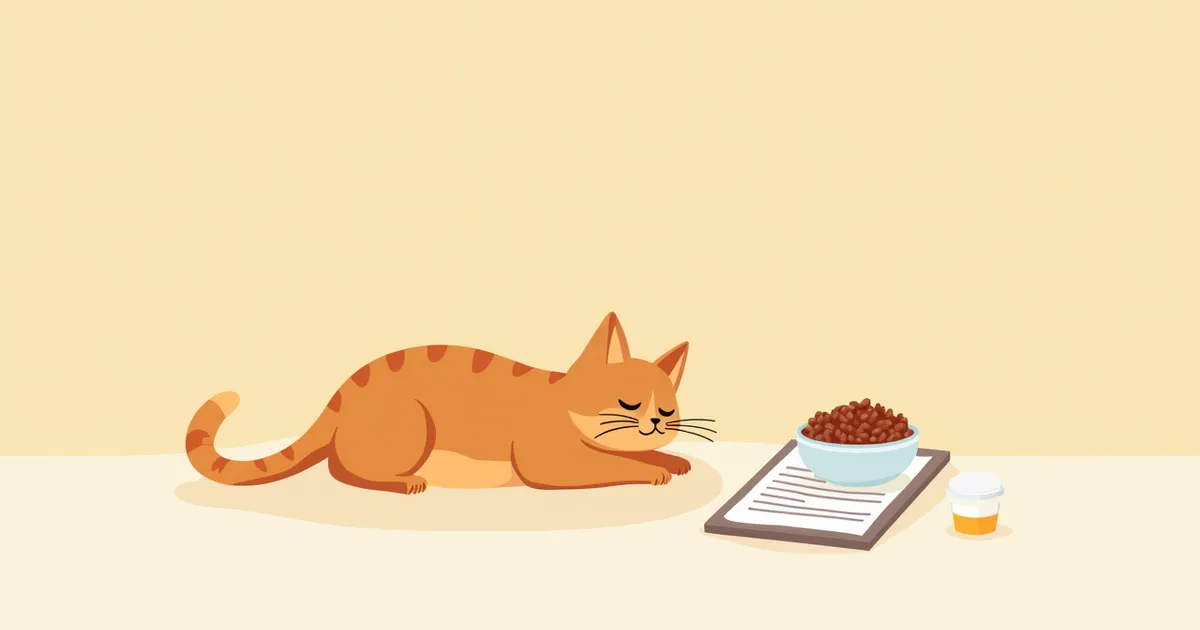
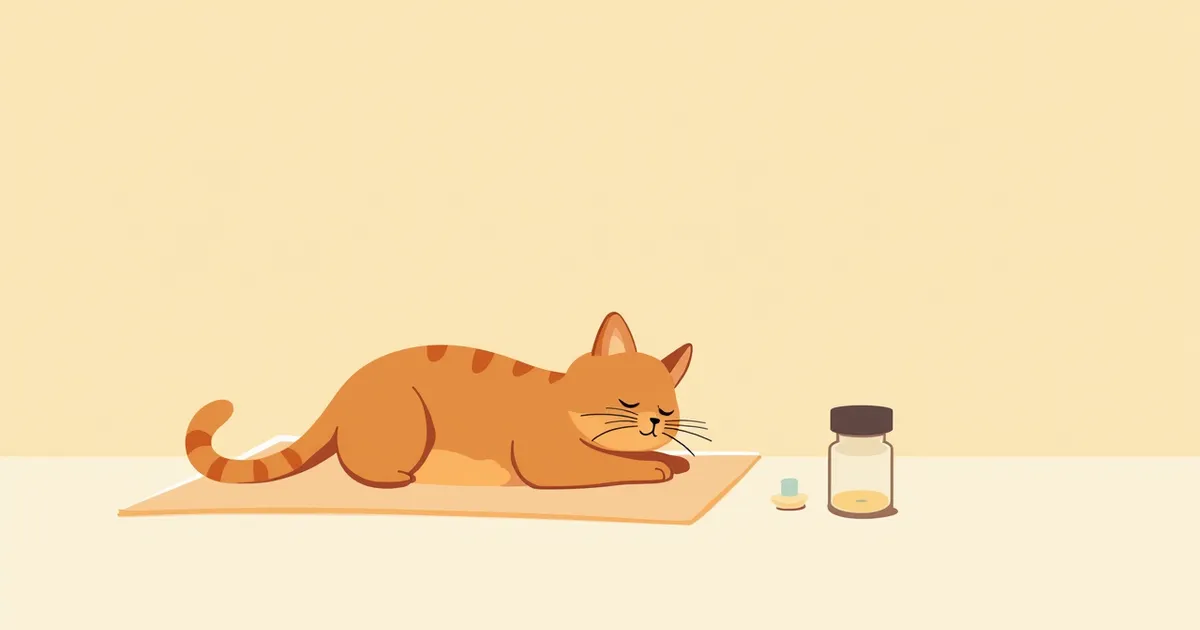
A notebook containing a cat’s medication log and a medicine bottle are placed on the table.

Reviewed by a veterinarian

Dr. Tony — Punnawat Phongkittirak

Dr. Tony — Punnawat Phongkittirak

Veterinarian

A veterinarian who majored in veterinary medicine at Khon Kaen University, Thailand, and completed the IVSA program at North Carolina State University in the United States. Drawing on clinical experience at animal hospitals, he works in the pet healthcare field and is dedicated to building a digital care environment that connects pet parents with veterinarians.

Frequently Asked Questions

What are the effects of Pimobendan on cats?
Pimobendan strengthens the heart’s contractions and dilates blood vessels, helping to improve cardiac function and reduce the workload on the heart. It is used in cats with congestive heart failure to alleviate symptoms and enhance quality of life. Since its use in cats is off-label, efficacy and suitability depend on the individual cat’s cardiac condition.
How many times a day should I give my pet pimobendan?
It is generally recommended to administer the medication twice daily, every 12 hours. However, the frequency and dosage may vary depending on your cat's weight, the severity of the condition, and your veterinarian's prescription.
What should I do if side effects appear after giving my pet pimobendan?
If your pet shows symptoms such as loss of appetite, vomiting, or difficulty breathing, please visit a veterinary clinic immediately. It is important to inform your veterinarian right away.
Is it safe to give Pimobendan long-term?
This medication can be taken long-term under a veterinarian’s ongoing monitoring. Regular check-ups are essential to assess both the drug’s effectiveness and any potential side effects.
Can I give Pimobendan with other medications?
Heart disease medications are often used in combination with other cardiac drugs, which can lead to potential interactions. Always inform your veterinarian about any medications your pet is currently taking and follow the prescribed dosage instructions carefully.

Share

Related Guides

References

[1] Stern, J.A. et al. (2023) Small Animal Critical Care Medicine, 3rd Ed. Elsevier.

[2] Plumb, D.C. (2022) Plumb's Veterinary Drug Handbook, 10th Ed. Wiley.

[3] Feldman, A.M. et al. (2021) Textbook of Cardiovascular Medicine in Dogs and Cats. Springer.

This information is based on veterinary literature and does not replace diagnosis or treatment. Please consult a veterinarian for specific health concerns.

Metapet Co., Ltd. | CEO: Park Sung-yong | Business Reg. No. 417-88-02562 | Seoul, South Korea | Customer Center

7 Key Points on Feline Pimobendan: Dosage & Side Effects | Meongsiljang