Like
Share
멍실장
고양이 백내장 수술(초음파유화술) 관리 추천 BEST와 고르는 기준 총정리

7 Key Points on Feline Cataract Phacoemulsification from a Veterinarian

Eye HealthTop PicksMeongsiljang Veterinary Advisory Board

Cataract surgery in cats primarily uses phacoemulsification, and post-operative care is the key to success. Choosing the right products and care methods can speed up recovery and reduce the risk of complications.

What Is Feline Cataract Surgery (Phacoemulsification)?
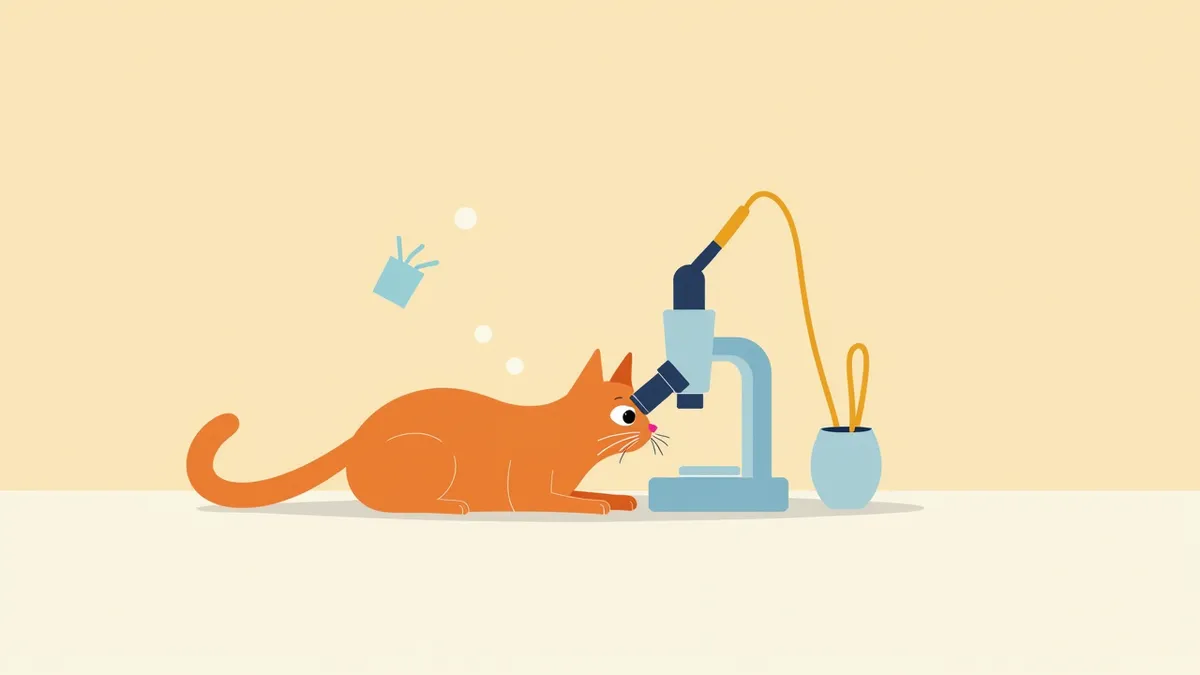
A cat undergoing cataract surgery
Cataract surgery in cats is a precise procedure that uses ultrasonic instruments to break down and aspirate the clouded lens. After removing the natural lens, an artificial intraocular lens is implanted to help focus light properly on the retina, supporting visual function and offering the potential for vision recovery. Since the surgery requires general anesthesia, it is essential to thoroughly evaluate your cat’s overall health—including heart and liver function—to ensure they are fit for anesthesia. Additionally, if your cat has underlying conditions that can cause cataracts, such as diabetes, it is important to stabilize those conditions first. Postoperatively, managing inflammation and preventing infection are top priorities, so carefully following the hospital’s instructions for eye drops and home care is crucial for a smooth recovery.

Note: Points to Check Before Cataract Surgery

When choosing post-surgical care products, safety and efficacy are the most important factors. Be sure to check the following five points, as each directly impacts recovery speed and the prevention of complications.
Safe ingredient composition: Opt for fragrance-free and preservative-free formulas that do not cause skin irritation or eye discomfort.
Anti-inflammatory effects: The product should contain ingredients that reduce swelling and pain at the surgical site.
Non-irritating formulation: Mucilaginous formulations penetrate the eye well and provide long-lasting effects.
Veterinarian-recommended products: Products verified in clinical settings offer higher stability and reliability.
Ease of use: Look for designs with easy-to-open caps and applicators that allow for precise, effortless application into the eye.
Post-surgery care products overview

Note 1: What Is Cataract Surgery and When Should It Be Considered?
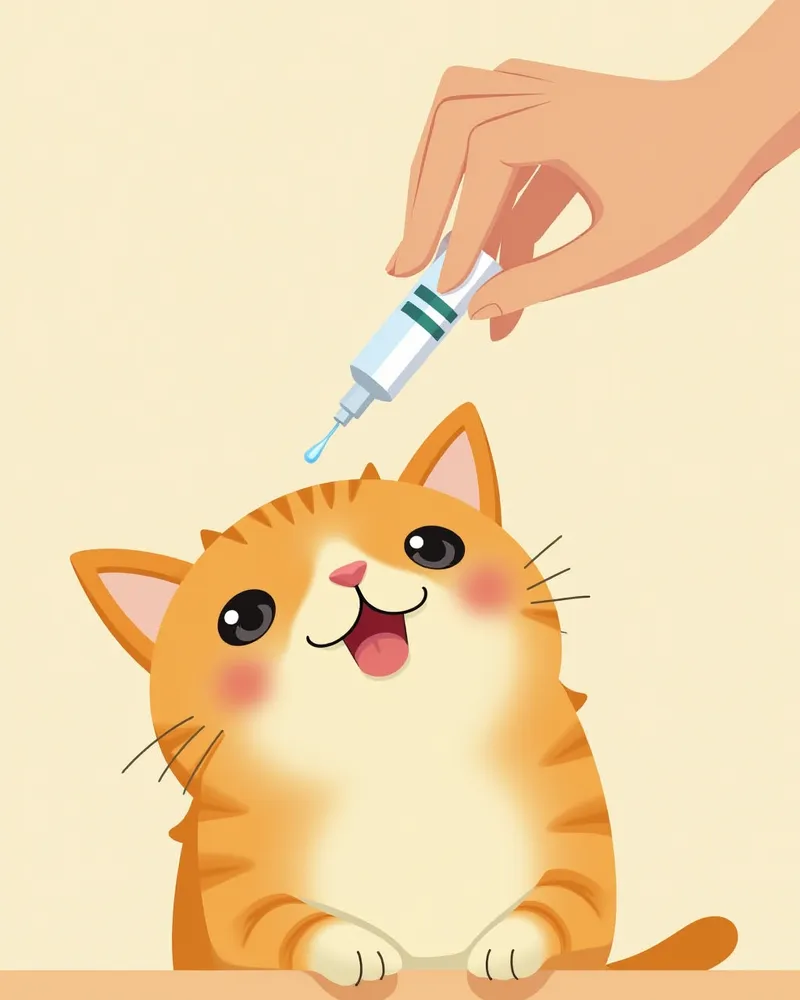
Cataracts are a condition in which the lens inside the eye becomes cloudy, leading to vision loss. Phacoemulsification is a surgical procedure that breaks up and removes the clouded lens, then implants an artificial lens to restore vision. Not all cataracts require immediate surgery; it is typically considered when vision impairment interferes with daily life or when there is a risk of complications such as inflammation or glaucoma. It is important to consult with your veterinarian to determine whether surgery is appropriate for your cat, based on the stage of the cataracts and the cat’s overall health.
What is cataract surgery, and when should it be considered? Related guide image

Note 2: Thorough Preoperative Assessment Is Essential

Cataract surgery outcomes depend heavily on thorough preoperative assessments. We evaluate retinal function to gauge the likelihood of postoperative vision recovery, check intraocular pressure and inflammation levels, and confirm that your pet is healthy enough to safely undergo general anesthesia. If an underlying condition such as diabetes is contributing to the cataracts, it’s essential to stabilize that disease first. For safety, choose a clinic equipped for comprehensive ophthalmic and systemic evaluations, and be sure to discuss the specific preoperative tests with your veterinarian.
A thorough pre-surgical evaluation is essential. Please refer to the related guide image.

Note 3: Deciding on Risks and Postoperative Care with Your Veterinarian
After cataract surgery, complications such as inflammation, increased intraocular pressure (glaucoma), and retinal issues can occur, making postoperative care crucial. This includes administering eye drops exactly as prescribed and protecting the eye from frequent touching. Regular veterinary ophthalmology check-ups are necessary to monitor progress, and recovery takes time. It is best to thoroughly discuss the benefits, risks, and postoperative care responsibilities with a veterinarian experienced in ophthalmology before making a decision.
Let your veterinarian help you decide on the risks and aftercare. See the related guide image.

What Pet Owners Should Know About Cataract Surgery

ItemKey points
Surgery overviewRemoving the clouded lens and inserting an artificial lens to restore vision
Indication assessmentDeciding with the veterinarian based on the degree of progression, such as vision loss and complication risk
Preoperative evaluationRetinal function, intraocular pressure, eligibility for general anesthesia, and management of underlying causes such as diabetes
Risks/aftercareComplications such as inflammation and glaucoma; eye drops, protection, and regular ophthalmic checkups needed
ConsultationThoroughly discuss the benefits, risks, and management burden with a veterinarian experienced in ophthalmology

This is not a table recommending specific products or hospitals, but a set of criteria to reference when consulting a veterinarian. Always make treatment and testing decisions together with your veterinarian through an examination.

Caution: Never Leave Your Cat Alone for the First 48 Hours After Surgery

In the early stages of recovery after surgery, cats are prone to self-injurious behaviors such as scratching or rubbing their eyes. Irritation to the eyes can delay healing and increase the risk of infection. During this period, it is important for owners to closely monitor their cats and prevent them from touching their eyes directly. Using an Elizabethan collar (protective neck ring) can help prevent eye scratching and reduce the risk of self-injury. Please regularly check the condition of the eyes until the wound has fully healed.

Usage Tips: 4 Practical Tips for Successful Postoperative Care

Post-operative care is key to a successful recovery. Please follow these tips carefully.
Consistent medication management: Set reminders so you don’t miss any doses. It’s important to keep the medication schedule consistent.
Keep the area around the eyes clean: If discharge appears around the eyes, gently wipe it away with a soft cloth. Do not use water.
Adjust the environment: Avoid areas that are too bright or too dark, and provide a space where your cat can move around easily.
Adhere to veterinary visit schedules: Attend regular check-ups as advised by your veterinarian, and frequently monitor the eye condition until the wound has fully healed.
A stable recovery environment for cats after surgery

Reviewed by a veterinarian

Dr. Tony — Punnawat Phongkittirak

Dr. Tony — Punnawat Phongkittirak

Veterinarian

A veterinarian who majored in veterinary medicine at Khon Kaen University, Thailand, and completed the IVSA program at North Carolina State University in the United States. Drawing on clinical experience at animal hospitals, he works in the pet healthcare field and is dedicated to building a digital care environment that connects pet parents with veterinarians.

Frequently Asked Questions

Is phacoemulsification always required for cataract surgery in cats?
No. While ultrasonic lithotripsy is the most common approach, the surgical method can vary depending on the cat’s condition and the veterinarian’s assessment. A thorough preoperative examination is necessary.
Will vision fully recover after surgery?
In most cases, vision improves significantly, but if the cataracts are advanced (mature or hypermature), the degree of recovery may be relatively limited. Since outcomes vary depending on the individual pet’s condition, please discuss the details thoroughly with your veterinarian before surgery.
What happens if I miss a dose of medication after surgery?
Missing doses can cause inflammation to flare up or slow recovery. If you miss more than one dose in a day, contact your veterinarian right away.
My cat isn’t eating after surgery. Is that okay?
It's normal for your pet to have a decreased appetite temporarily after surgery. If they don't eat for more than 24 hours, please contact your veterinarian.
My pet’s eyes are red and producing discharge after surgery. Is this normal?
These symptoms could be signs of an infection. You should see a veterinarian right away. Never ignore red eyes.

Share

Related Guides

References

[1] Fossum TW. Preoperative and intraoperative care of the surgical patient. In: Fossum TW, Duprey LP, O’Connor D, editors. Small animal surgery. 3rd ed. Boston, MA: Elsevier; 2007.

[2] The Veterinary Workbook of Small Animal Clinical Cases. Hosgood G, Scholl DT. Evaluation of age as a risk factor for perianesthetic morbidity and mortality in the dog. J Vet Emerg Crit Care. 1998;8(3):222-36.

[3] Small Animal Anesthesia and Pain Management A Color Handbook, 3rd Edition. Englar R. Writing skills for veterinarians. Sheffield. 5M Publishing; 2019.

This information is based on veterinary literature and does not replace diagnosis or treatment. Please consult a veterinarian for specific health concerns.

Metapet Co., Ltd. | CEO: Park Sung-yong | Business Reg. No. 417-88-02562 | Seoul, South Korea | Customer Center

7 Key Points on Feline Cataract Phacoemulsification by a Vet | Meongsiljang