Like
Share
멍실장
2026 고양이 비뇨기 영양제 추천 TOP 5 — 수의사 선택 기준 총정리

Top 5 Recommended Feline Urinary Supplements for 2026 — A Complete Guide to Veterinary Selection Criteria

UrinaryTop PicksMeongsiljang Veterinary Advisory Board

Not all feline urinary supplements are created equal. Based on veterinary science, we’ve outlined the key criteria for choosing a urinary supplement and compiled our top five recommended products for 2026.

Which Feline Urinary Supplement Should You Choose?
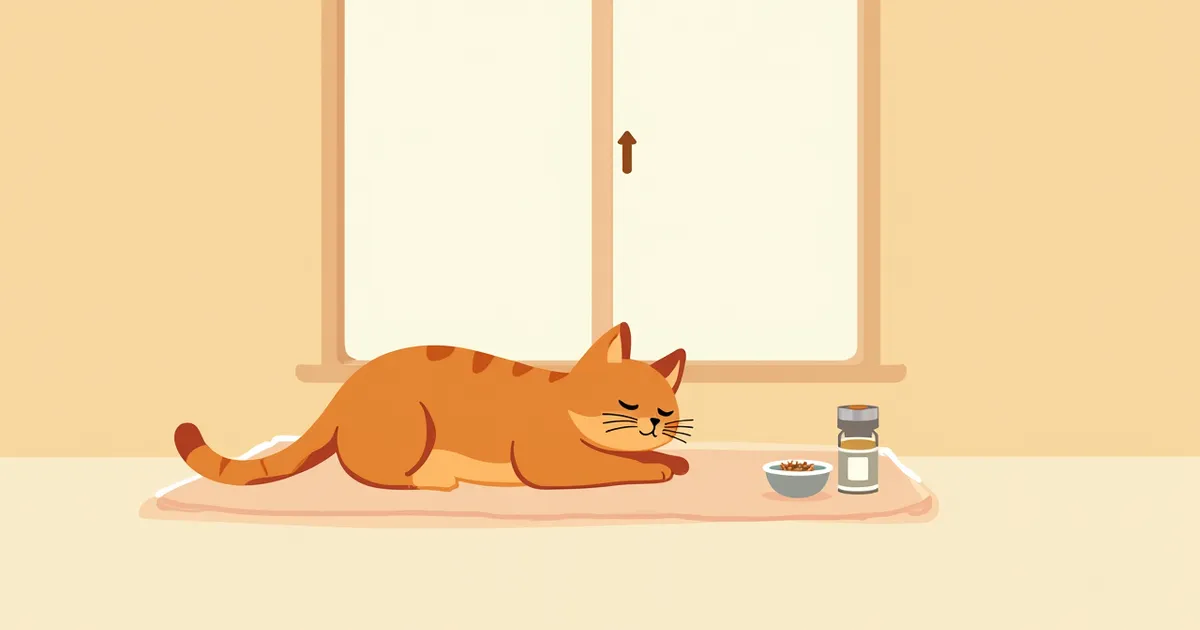
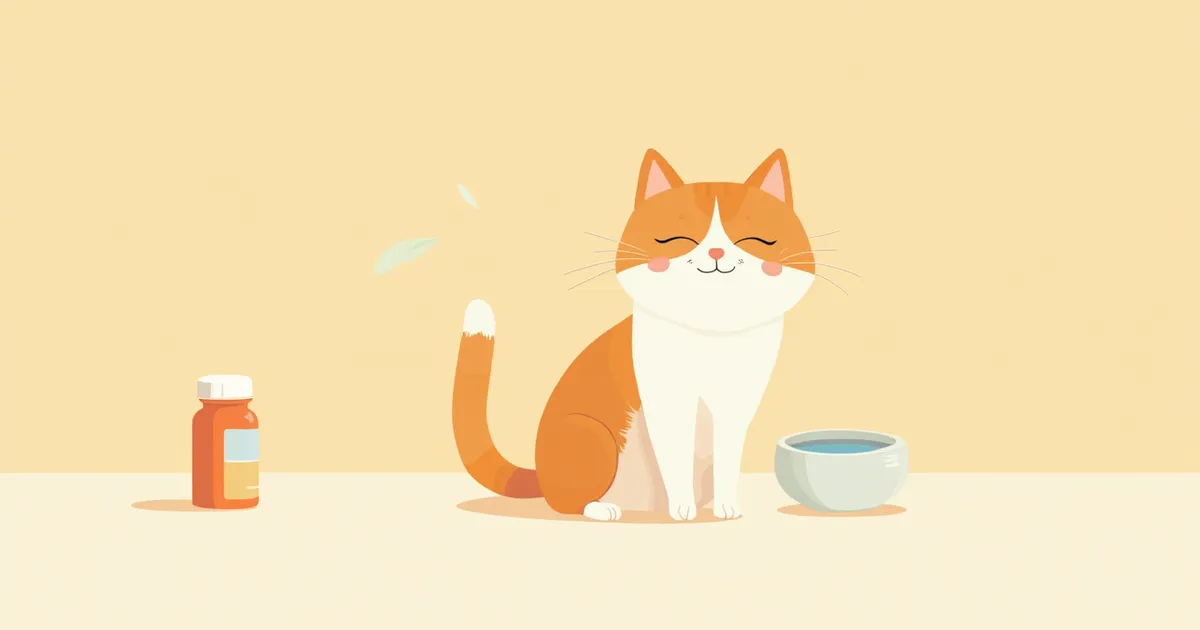
A cat sitting next to a clean water bowl and nutritional supplements.
Feline urinary supplements are functional aids that help prevent feline lower urinary tract disease (FLUTD) by protecting the bladder mucosa and managing urine acidity. Cats are naturally desert animals with a tendency to drink less water, which makes their urine prone to concentration and leaves them vulnerable to lower urinary tract conditions such as cystitis and urinary stones. According to veterinary nutrition textbooks, FLUTD has a high recurrence rate, making consistent management essential even after treatment. In this article, we will first outline the criteria for selecting urinary supplements based on veterinary evidence, and then compare the top five recommended products as of 2026.

Why Your Cat Needs a Urinary Supplement

Feline lower urinary tract disease (FLUTD) can be broadly categorized into three main types.
Idiopathic cystitis: This is bladder inflammation with no clearly identifiable cause, accounting for more than half of all feline lower urinary tract disease cases. It is closely linked to stress.
Urinary tract stones: These form when minerals in the urine clump together. The most common types are struvite and calcium oxalate stones.
Urethral obstruction: This is a particularly dangerous condition in male cats, where a blockage in the urethra prevents them from urinating.
Urinary supplements are not medications designed to directly treat these conditions. However, they can play a supportive role in reducing the risk of recurrence by protecting the bladder lining and maintaining a healthy urinary environment.

5 Key Criteria for Choosing a Urinary Supplement
Not all urinary tract supplements are created equal. Check these five key criteria before choosing one.
1. Presence of bladder mucosa-protective ingredients: Ingredients such as glucosamine and chondroitin are commonly found in urinary tract supplements. While they are used to support the bladder lining, their clinical efficacy in cats has not been directly confirmed by veterinary textbook evidence. Therefore, in addition to checking for these ingredients, it is essential to consult your veterinarian.
2. Presence of cranberry extract: Cranberry is an ingredient used in pet supplements to support urinary tract health. It is known as a supportive ingredient for preventing bacterial urinary tract infections, but veterinary textbook evidence directly proving its effectiveness in cats is still insufficient. If a bacterial urinary tract infection is suspected, do not rely on supplements; seek veterinary care immediately.
3. Design to promote water intake: Liquid or wet-type supplements can naturally increase water consumption, which is beneficial for urinary tract health. Veterinary textbooks emphasize that increased water intake helps prevent and manage feline lower urinary tract diseases.
4. Ingredients for managing urine pH: Ingredients such as methionine are known to help regulate urine pH by acidifying the urine. Veterinary textbooks recommend maintaining urine pH roughly within the 6.6–7.5 range for the prevention and management of urinary stones, noting that the urinary environment can influence stone formation. However, in cases where an alkalinizing diet is recommended, such as for calcium oxalate stones, acidification can be harmful. Therefore, products containing this ingredient must only be used after consulting with a veterinarian.
5. Confirm the product is specifically for cats: Products intended for dogs or humans may contain ingredients or dosages unsuitable for cats. Since cats and dogs have different metabolic processes and nutritional requirements, always choose products explicitly labeled for cats.
A cat owner checking the ingredient label of a urinary tract supplement for cats.

Supplements Alone Cannot Treat Urinary Tract Disease

Urinary tract supplements are supportive aids that help with prevention and management. If your cat is urinating frequently, having accidents outside the litter box, passing blood in its urine, or straining without producing urine, it needs immediate veterinary care rather than supplements. In particular, if a male cat is completely unable to urinate, this can quickly become a life-threatening emergency. Therefore, please visit a veterinary clinic without delay as soon as symptoms appear.

Comparison Table of Top 5 Recommended Feline Urinary Supplements for 2026

The table below compares five feline urinary tract supplements that are well-recognized by pet owners and meet veterinary selection criteria, based on 2026 standards.
RankProduct NameKey IngredientsCranberryBladder Mucosa ProtectionForm
1NutriPlus UreinaryGlucosamine + Cranberry + MethionineIncludedIncludedLiquid
2UroAct CatGlucosamine + Chondroitin + Hyaluronic AcidNot IncludedIncludedCapsule
3CystoCareCranberry + D-Mannose + ProbioticsIncludedNot IncludedPowder
4Purina Pro Plan UT SupplementCranberry + Omega-3 + AntioxidantsIncludedNot IncludedChewable
5VetPlus Feline UT SupportGlucosamine + MethionineNot IncludedIncludedPowder

Detailed Reviews of the Top 5 Products
1st place — Nutriplus Urolyne: This product supports bladder mucosal protection with glucosamine, inhibits bacterial adhesion with cranberry, and helps manage urine acidity with methionine. Its liquid form also aids in hydration, making it a well-balanced choice for urinary tract care. 2nd place — UroAct Cat: This product is specialized for protecting the bladder mucosa. It contains glucosamine, chondroitin, and hyaluronic acid. Veterinarians frequently recommend it for cats with recurrent idiopathic cystitis. 3rd place — CystoCare: This product focuses on preventing urinary tract infections by combining cranberry and D-mannose. It also includes probiotics to support gut health. 4th place — Purina Pro Plan UT Supplement: This is a product from the Nestlé Purina veterinary-exclusive line. Its chewable format offers good palatability, making it convenient to administer. 5th place — Vetplus Feline UT Support: This product combines glucosamine and methionine to simultaneously protect the bladder and manage urine acidity. It offers good value for money.
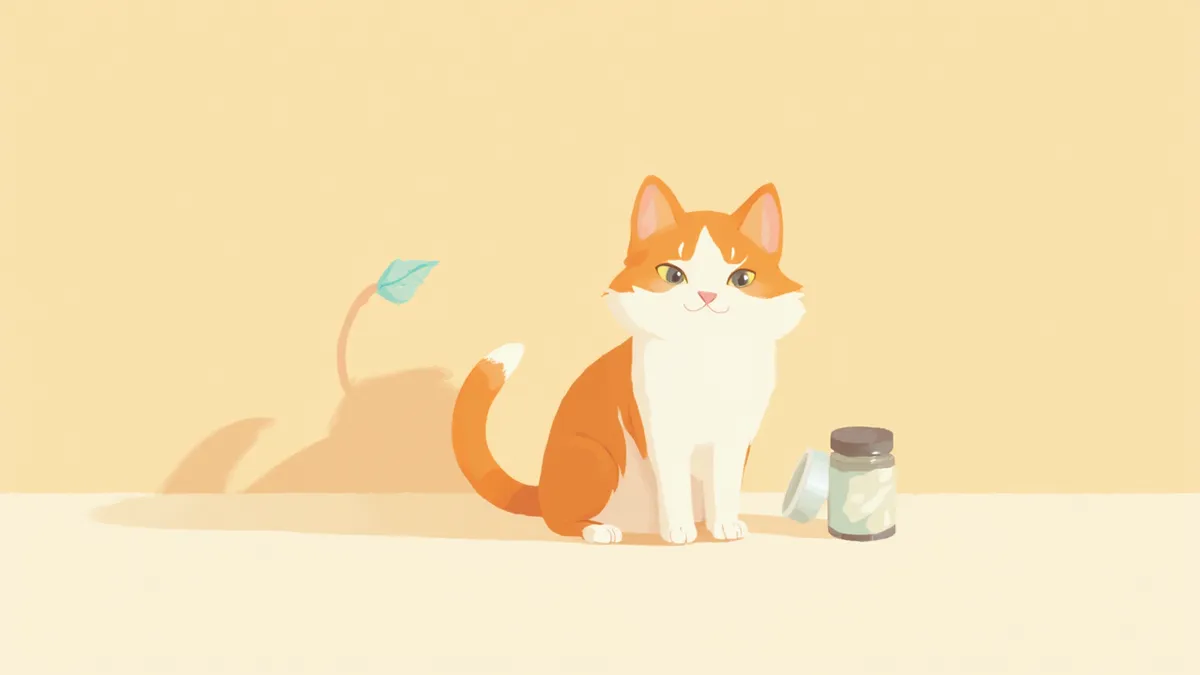
A scene comparing various feline urinary tract supplement products.

How to Properly Administer Feline Urinary Supplements

Even if you’ve chosen a great product, improper administration can reduce its effectiveness.
Start with a small amount: Begin with half the recommended dose and gradually increase it over 3 to 5 days. Cats are sensitive to new tastes and may reject the product if introduced all at once.
Mix with wet food: Powder or liquid supplements can be mixed into wet food, which also helps increase water intake. This method is more effective than sprinkling the supplement over dry food.
Administer consistently: Supplements are not medications but supportive aids. Rather than expecting quick results, long-term, consistent administration is key. Stopping immediately after symptoms improve can increase the risk of recurrence, so consult your veterinarian to determine the appropriate duration and timing for discontinuation.
Encourage adequate hydration: Ensuring your cat drinks plenty of water alongside supplement use is crucial. If your cat prefers running water, consider installing an automatic water fountain.
A caregiver mixing supplements into wet food for their pet.

Cats That Require Veterinary Consultation Before Administration

If your cat is currently being treated for urinary stones or is on a prescription diet, supplements may interfere with the therapeutic diet. In particular, ingredients that regulate urine pH, such as methionine, can worsen the condition depending on the type of stone. For example, giving a supplement that acidifies urine to a cat with calcium oxalate stones can have the opposite effect. Always consult your veterinarian before administering any supplements.

Urinary Health Management Practices to Implement Alongside Supplements

Supplements alone aren’t enough. Try incorporating these daily habits as well.
Adequate hydration: Increasing daily water intake is key to urinary health. Consider raising the proportion of wet food in your cat’s diet, placing multiple water bowls around the home, or using a water fountain.
Litter box management: It’s best to provide one more litter box than the number of cats you have. Scoop the litter daily and place the boxes in easily accessible, comfortable locations for your cat.
Stress management: Feline idiopathic cystitis is closely linked to stress. Minimize environmental changes and provide hiding spots and elevated perches.
Regular urinalysis: Routine urine tests can help detect stones or infections early. The testing frequency should be determined in consultation with your veterinarian, based on your cat’s health status and history of urinary disease.

Reviewed by a veterinarian

Dr. Tony — Punnawat Phongkittirak

Dr. Tony — Punnawat Phongkittirak

Veterinarian

A veterinarian who majored in veterinary medicine at Khon Kaen University, Thailand, and completed the IVSA program at North Carolina State University in the United States. Drawing on clinical experience at animal hospitals, he works in the pet healthcare field and is dedicated to building a digital care environment that connects pet parents with veterinarians.

Frequently Asked Questions About Feline Urinary Supplements

When is the best time to start giving urinary tract supplements?
If your cat has ever had a lower urinary tract disease, it’s a good idea to start feeding this food after consulting with your veterinarian to help prevent recurrence. Even healthy cats that drink little water or mainly eat dry food can benefit from this as a preventive measure.
Can cranberry supplements dissolve urinary stones?
Cranberry supplements are not medications that dissolve bladder stones. While they are used as a urinary tract health aid, there is still insufficient evidence from veterinary textbooks to directly prove their effectiveness in preventing bacterial urinary tract infections in cats. Stones that have already formed require a veterinarian’s diagnosis and treatment, and if an infection is suspected, you should seek veterinary care rather than relying on supplements.
Do male cats especially need urinary tract supplements?
Male cats have longer and narrower urethras, putting them at a higher risk of urethral obstruction than females. If your male cat has a history of urinary tract disease, it’s important to actively manage his hydration alongside nutritional supplements.
Can I give my pet prescription medication and urinary tract supplements at the same time?
The prescription diet is designed to precisely regulate urinary pH and mineral balance. Since supplement ingredients can interfere with the therapeutic effects of the prescription food, please consult your veterinarian before combining them.
Can I give my cat a urinary supplement formulated for dogs?
No, that’s not safe. Cats and dogs have different metabolic processes and nutritional needs. In particular, the ingredient dosages in dog products may be excessive for cats, and some additives can even be harmful to them. Always choose products specifically formulated for cats.

Share

Related Guides

References

[1] Applied Veterinary Clinical Nutrition, 2nd Edition — Chapter on Lower Urinary Tract Disease — cranberry products, struvite RSS, and dietary management of FLUTD

[2] Small Animal Critical Care Medicine, 3rd Edition — Chapter on Urinary Disorders — fluid therapy, nutritional support in feline urinary obstruction

[3] Gunn-Moore DA, Shenoy CM. Oral glucosamine and the management of feline idiopathic cystitis. J Feline Med Surg. 2004;6(4):219–225.

[4] Guay DR. Cranberry and urinary tract infections. Drugs. 2009;69(7):775–807.

[5] Houston DM, Weese HE, Evason MD, et al. A diet with a struvite relative supersaturation less than 1 is effective in dissolving struvite urolithiasis in cats. Can Vet J. 2011.

This information is based on veterinary literature and does not replace diagnosis or treatment. Please consult a veterinarian for specific health concerns.

Metapet Co., Ltd. | CEO: Park Sung-yong | Business Reg. No. 417-88-02562 | Seoul, South Korea | Customer Center

Top 5 Cat Urinary Supplements for 2026 | Vet Selection Guide | Meongsiljang