
Like
Share
멍실장
고양이 중성화와 유선 종양 예방 관리 추천 BEST와 고르는 기준 총정리

7 Best Spay Management Tips for Preventing Feline Mammary Tumors, According to Veterinarians

Oncology/CancerTop PicksMeongsiljang Veterinary Advisory Board

Spaying your cat is a key preventive measure that significantly reduces the risk of mammary tumors. It’s important to work with your veterinarian to create a personalized care plan.

Spaying Your Cat Is a Key Preventive Measure Against Mammary Tumors
Cat neutering surgery scene
Spaying your cat is a preventive measure that helps reduce various health risks, including mammary tumors. While it’s generally known that earlier spaying offers greater preventive benefits, the exact degree of risk reduction can vary depending on the individual cat and the study, making it difficult to state definitively. The ideal timing for surgery depends on your cat’s body type, overall health, and living environment, so it’s important to consult with your veterinarian to make the best decision. Spaying isn’t just a one-time procedure—it’s the beginning of long-term health care. To maintain its benefits, weight management and regular check-ups are essential after surgery. Therefore, creating a personalized care plan is key.

Key Facts: Spaying and Mammary Tumor Prevention

When deciding whether to neuter your cat, it’s important to consider several factors. A consultation with your veterinarian will help you create a personalized plan.
Timing of the procedure: It is generally known that performing the surgery at an early age can be beneficial for prevention. However, the exact timing depends on your cat’s health status, so be sure to discuss this with your vet.
Surgical approach: There are two main methods—midline abdominal incision and flank incision. In cats, the flank approach is often used effectively.
Choosing a clinic: For safety, the procedure should be performed at a clinic equipped with specialized veterinary staff and proper facilities.
Anesthesia safety: Pre-anesthetic testing helps identify potential risks before general anesthesia is administered.
Post-operative care plan: A plan for pain management and activity restriction after surgery is essential.
A cat recovering after surgery

Key Fact 1: Spaying Reduces the Risk of Mammary Tumors

Spaying removes the ovaries, reducing exposure to sex hormones that stimulate mammary tissue and increase the risk of tumors. Therefore, spaying can lower the risk of developing mammary tumors. In cats, mammary tumors are often malignant, making prevention especially important. However, spaying is a surgical decision that should be made after considering multiple factors beyond tumor prevention, so it’s essential to consult with your veterinarian to determine if it’s the right choice for your cat.
Spaying reduces the risk of mammary tumors. See the related infographic for more details.

Key Fact 2: Timing Determines the Preventive Effect
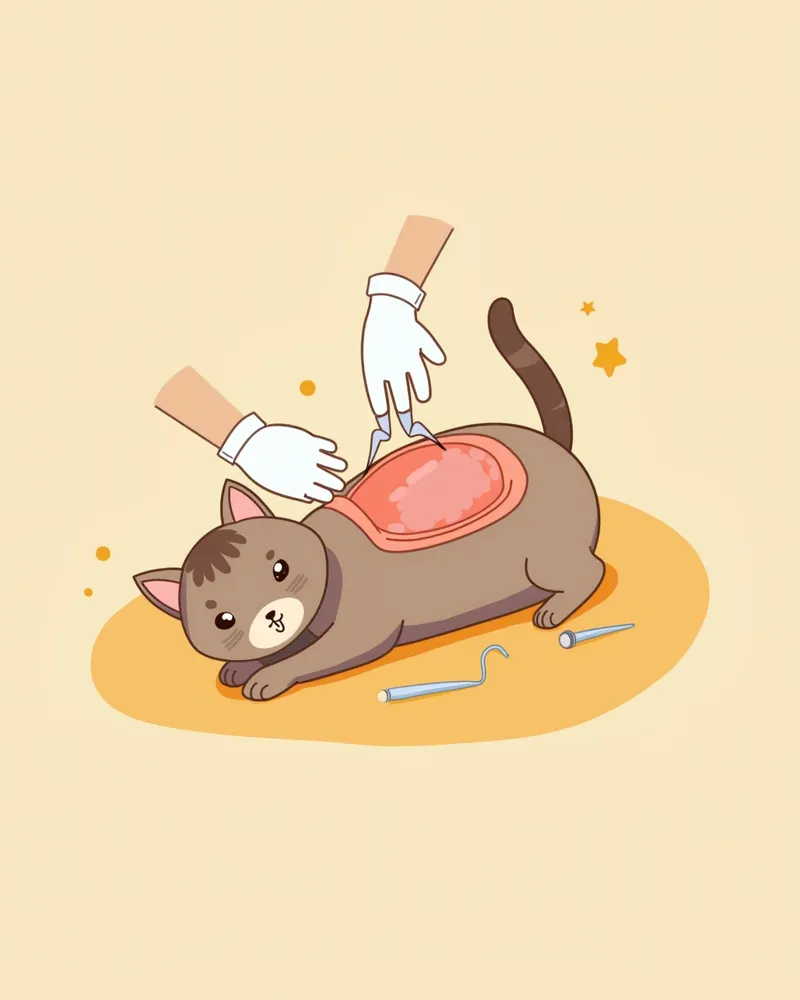
The effectiveness of spaying in preventing mammary tumors depends on when the procedure is performed. It is generally known that the earlier the surgery—ideally before the first heat cycle or during kittenhood—the greater the preventive benefit. While the protective effect against mammary tumors diminishes if spaying is done at an older age, the procedure still offers other advantages, such as preventing reproductive diseases. The optimal timing varies depending on the cat’s breed, health status, and living environment, so rather than adhering to a one-size-fits-all approach, it is best to consult with your veterinarian to determine the most appropriate time for your individual cat.
Timing determines the effectiveness of prevention. See the related guide image.

Key Fact 3: Weigh the Benefits and Risks Before Deciding

Since spaying is a surgical procedure that requires general anesthesia, it’s important to weigh both the risks of anesthesia and surgery against the preventive benefits. After spaying, your pet’s metabolism may slow down, making weight gain more likely, so proper diet and exercise management will be necessary. Rather than rushing into the decision solely for tumor prevention, it’s best to consider your pet’s overall health, the appropriate timing, and post-operative care, and discuss these factors thoroughly with your veterinarian. If you’ve already noticed lumps in your pet’s mammary glands, it’s crucial to have them evaluated by a vet first.
Weigh the benefits and risks together before making a decision. Refer to the accompanying image for guidance.

What to Know About Spaying and Mammary Tumor Prevention

ItemKey Points
Prevention PrincipleReduces exposure to sex hormones, lowering the risk of mammary tumors
Feline CharacteristicsWhen mammary tumors occur in cats, the malignancy rate is high, so prevention is highly meaningful
TimingIt is known that the earlier and before the first heat, the greater the preventive effect
Also ConsiderAnesthesia·surgery risks, weight management after spaying
ConsultationDecide the optimal timing·suitability in consultation with a veterinarian

This is not a table recommending specific products or hospitals, but a reference standard for when you consult a veterinarian. Decisions about treatment and testing must always be made together with a veterinarian through examination.

Essential Pre-Spay Checks

Before surgery, it’s essential to confirm your cat’s overall health through a thorough physical exam and blood tests. Since older cats are at higher risk for anesthesia complications, a pre-anesthetic evaluation is absolutely necessary.

5 Post-Spay Care Tips

Proper post-operative care aids recovery and helps prevent complications, making responsible management by the pet owner essential.
Elizabethan collar (neck collar) use: Wear the collar to prevent the pet from licking the surgical site.
Activity restriction: Limit activity during the recovery period and avoid strenuous movement.
Dietary management: Once the pet has fully recovered from anesthesia and is stable, begin feeding small amounts as directed by the veterinarian. In particular, young cats are at risk of hypoglycemia after prolonged fasting, so do not fast them for extended periods and follow the veterinarian’s instructions.
Site monitoring: Check daily for swelling, bleeding, discharge, or odor.
Medication management: Administer medications exactly as prescribed by the veterinarian.
A cat wearing an Elizabethan collar after surgery

Reviewed by a veterinarian

Dr. Tony — Punnawat Phongkittirak

Dr. Tony — Punnawat Phongkittirak

Veterinarian

A veterinarian who majored in veterinary medicine at Khon Kaen University, Thailand, and completed the IVSA program at North Carolina State University in the United States. Drawing on clinical experience at animal hospitals, he works in the pet healthcare field and is dedicated to building a digital care environment that connects pet parents with veterinarians.

Frequently Asked Questions

When is the best time to neuter a cat?
It’s generally known that spaying or neutering at an early age can help with prevention. The exact timing depends on your pet’s health, so please consult your veterinarian to determine the best course of action.
Does weight gain occur after neutering?
Hormonal changes can slow metabolism, increasing the risk of weight gain. Manage this with a balanced diet and regular exercise.
Does not spaying lead to mammary tumors?
If your pet isn’t spayed or neutered, ongoing exposure to sex hormones can increase the risk of mammary tumors. The exact level of risk varies depending on the individual and timing, so please consult with your veterinarian for personalized advice.
Is laparoscopic surgery safe for cats?
When performed at a specialized veterinary hospital, the procedure is generally considered relatively safe. The specific surgical approach and safety measures should be determined in consultation with your veterinarian, based on your cat’s individual health status.
Does my pet’s personality change after neutering?
There are rarely any changes in temperament. In fact, reproductive behaviors often decrease, and pets tend to become calmer and more relaxed.

Share

Related Guides

References

[1] The Cat, Clinical Medicine and Management, 2nd Edition, 2020

[2] Handbook on Field Veterinary Surgery, Ch19: Ovariohysterectomy in Canines and Felines, 2018

[3] The Dog Care Handbook, Things I Wish My Vet Had Told Me, 2023

This information is based on veterinary literature and does not replace diagnosis or treatment. Please consult a veterinarian for specific health concerns.

Metapet Co., Ltd. | CEO: Park Sung-yong | Business Reg. No. 417-88-02562 | Seoul, South Korea | Customer Center

7 Best Spay Tips to Prevent Feline Mammary Tumors, by Vets | Meongsiljang