Like
Share
멍실장
강아지 고칼슘혈증 관리 추천 BEST와 고르는 기준 총정리

7 Best Hypercalcemia Management Products for Dogs Recommended by Veterinarians — Complete Selection Guide

EndocrineTop PicksMeongsiljang Veterinary Advisory Board

Hypercalcemia in dogs can be a life-threatening hormonal disorder. Proper management products and lifestyle habits are essential.

Hypercalcemia in Dogs Is a Serious Endocrine Disorder That Requires Consistent Management with Owners

Image of blood test results for diagnosing hypercalcemia
Hypercalcemia in dogs is a condition characterized by abnormally high calcium levels in the blood, which can lead to severe organ damage or even death. It may be caused by various factors, including cancer, hyperparathyroidism, or excessive vitamin D intake, making early detection crucial for improving survival rates. Regular blood tests to monitor calcium levels should be conducted in collaboration with your veterinarian. Additionally, dietary management and the use of supplements play important supportive roles in treatment. Managing calcium levels is not a short-term fix but requires a long-term care strategy. Your consistent attention and sense of responsibility are the greatest support for your pet’s health.

5 Key Criteria for Selecting Hypercalcemia Management Products for Dogs

When selecting a product to help manage hypercalcemia, be sure to check the following criteria. Each item should only be used alongside a veterinarian’s prescription and serves a supportive role. You must consider both safety and efficacy.
Calculation Regulation Support: Products that help reduce calcium absorption in the gastrointestinal tract or aid its excretion are preferable. However, the fundamental treatment for hypercalcemia involves identifying and treating the underlying disease, along with veterinary interventions such as intravenous fluids and diuretics to lower calcium levels.
Vitamin D Restriction: Excessive vitamin D activity can raise calcium and phosphorus levels and lead to organ calcification, so products with vitamin D removed or minimized are recommended.
Minimizing Kidney Burden: Hypercalcemia can cause calcium deposits in the renal tubules, potentially leading to kidney failure. Therefore, it is important to reduce the burden on the kidneys through a low-calcium diet. Note that claims of specific ingredients having a "kidney-protective effect" are not supported by veterinary textbooks.
Dietary Management Support: Products that assist with a low-calcium diet to reduce gastrointestinal calcium absorption can be helpful for long-term management.
Veterinarian-Recommended Products: Choosing products reviewed by professionals and used in conjunction with prescriptions enhances safety.
Low-calcium foods and veterinarian-recommended products for managing hypercalcemia

BEST 1: Calcium Balance Pro (Supplement for Calcium Regulation)

Calcium Balance Pro is marketed as a supplement designed to assist with calcium regulation. However, there is no evidence in veterinary textbooks to support the claim that specific ingredients like magnesium or vitamin K2 prevent calcium deposition in dogs with hypercalcemia. The actual treatment for hypercalcemia involves identifying and addressing the underlying disease, along with veterinary interventions such as intravenous fluids, diuretics, calcitonin, and glucocorticoids to lower calcium levels. Supplements cannot replace treatments prescribed by a veterinarian and should only be used as an adjunct. Always consult your veterinarian before using this product, and manage your dog’s condition alongside regular blood tests to monitor calcium and phosphorus levels. Extra caution and strict adherence to professional veterinary advice are especially important for dogs with compromised kidney function.
Product image of Calcium Balance Pro supplement

BEST 2: Renal Care Premium (Kidney Protection + Calcium Regulation)

Renal Care Premium is marketed as a product designed with kidney health in mind. However, the following information should be interpreted conservatively, based on evidence from veterinary textbooks. - Causes of Kidney Stress: Hypercalcemia can lead to calcium deposition in the renal tubules, potentially resulting in kidney damage and renal failure. There is no textbook evidence supporting the claim that ingredients such as niacin or creatine protect kidney cells. - Lowering Calcium Levels: The proven method for lowering calcium levels involves veterinary treatments, such as intravenous fluid therapy and diuretics (e.g., furosemide), to increase calcium excretion through the kidneys. - Low-Calcium Diet: To reduce calcium absorption in the gastrointestinal tract, a diet low in calcium and not excessive in vitamin D can be beneficial. - Chronic Management: Long-term management relies primarily on regular check-ups and prescriptions from a veterinarian; supplements play only a supportive role. Always consult your veterinarian before use.
Kidney Care Premium Product Image

BEST 3: Low-Calcium Premium Food (Dietary Control Focus)
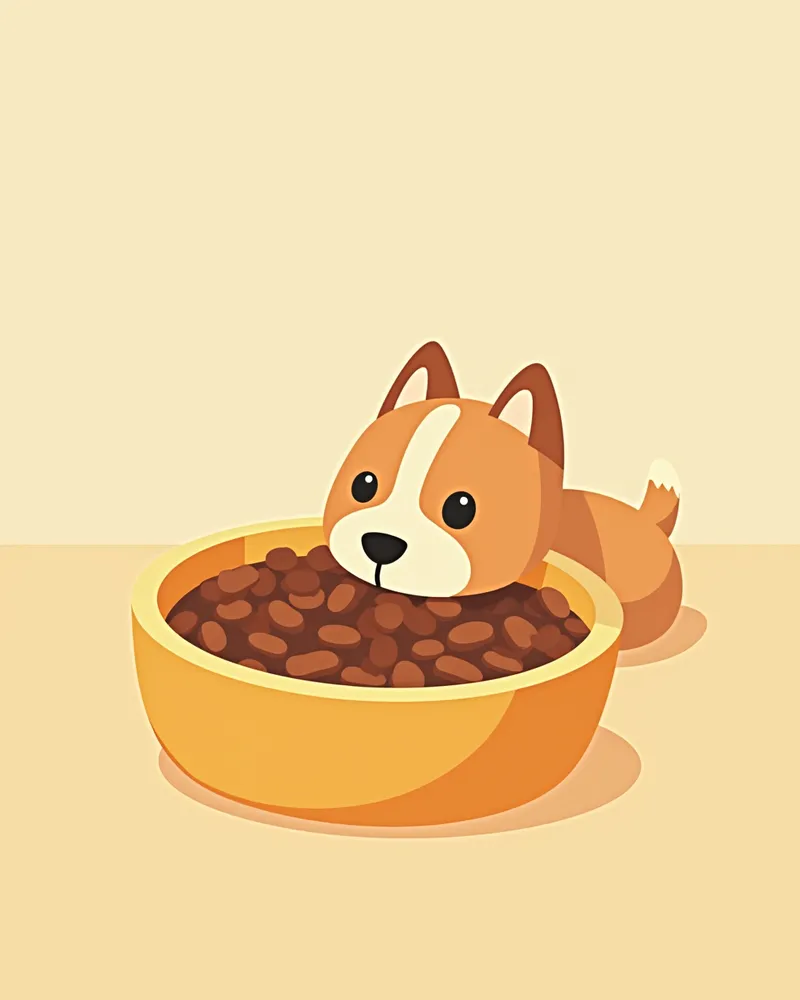
Our low-calcium premium food is designed to support the most critical aspect of managing hypercalcemia: dietary control. - Minimized calcium content: Formulated with extremely low calcium levels to help maintain stable calcium concentrations in the body. - Vitamin D-free: Since vitamin D promotes calcium absorption, its exclusion helps prevent excessive calcium uptake. - Organ protection: Long-term use supports the preservation of kidney and heart function. - Veterinarian-recommended diet: When used alongside prescribed therapeutic diets from your clinic, it enhances treatment efficacy. - Precise portion control is essential: Feed twice daily, adjusting portions according to your pet’s body weight. Consistency is key to success.
Low-calcium premium food image

Comparison Table of Products BEST 1–3: Ingredients, Effects, and Usage

ItemCalcium Balance ProKidney Care PremiumLow-Calcium Premium Food
Main IngredientsMagnesium, Vitamin K2Niacin, Creatine, AntioxidantsLow-calcium raw materials, Vitamin D removed
Main EffectsSupports calcium regulationSupports calcium excretion (adjunctive)Supports low-calcium diet
Usage1 tablet daily, with meals1 capsule daily, after mealsTwice daily, dose based on body weight
Recommended ForDogs needing support with calcium regulationDogs with concerns about kidney burdenDogs needing dietary management

These products are supplements and cannot replace veterinarian-prescribed treatment. The fundamental treatment of hypercalcemia is treating the underlying disease and veterinary care such as IV fluids, diuretics, and calcitonin. The kidney-protective effects of specific ingredients are not confirmed by textbook evidence, and overdose may cause side effects, so they must always be used alongside a veterinarian's prescription.

Caution: Hypercalcemia Is an Emergency Situation Requiring Immediate Veterinary Visit

If your dog shows severe lethargy, vomiting, frequent urination, and loss of appetite, it may be a sign that hypercalcemia is worsening. In such cases, you should seek veterinary care immediately. A veterinarian will conduct thorough examinations to identify the underlying cause and initiate treatment with intravenous fluids or medications. Delaying treatment can lead to kidney damage or heart problems.

5 Tips for Managing Hypercalcemia in Dogs

Managing hypercalcemia requires consistent daily care to maintain stability.
Regular check-ups: Monitor calcium and phosphorus levels through blood tests as scheduled by your veterinarian. During the initial treatment phase, tests may be needed every few days, while stable periods require monitoring at intervals recommended by your vet.
Dietary management: Avoid high-calcium treats and foods to reduce gastrointestinal calcium absorption.
Adequate hydration: Encourage frequent water intake, and if necessary, your veterinarian may administer intravenous fluids to aid calcium excretion.
Symptom monitoring: Closely observe for changes such as lethargy, vomiting, loss of appetite, and increased thirst or urination, ensuring no signs of worsening are missed.
Communication with your veterinarian: Keep detailed records of all changes and maintain regular consultations.
Regular check-ups and hydration for managing hypercalcemia

Reviewed by a veterinarian

Dr. Tony — Punnawat Phongkittirak

Dr. Tony — Punnawat Phongkittirak

Veterinarian

A veterinarian who majored in veterinary medicine at Khon Kaen University, Thailand, and completed the IVSA program at North Carolina State University in the United States. Drawing on clinical experience at animal hospitals, he works in the pet healthcare field and is dedicated to building a digital care environment that connects pet parents with veterinarians.

Frequently Asked Questions

Can hypercalcemia in dogs be cured?
It depends on the underlying cause. If the condition is caused by cancer or hyperparathyroidism, a complete cure may not be possible, but early detection and proper management can significantly extend life expectancy. The prognosis varies depending on the cause, severity, and timing of treatment.
Is it okay to give my pet a vitamin D supplement?
Dogs with hypercalcemia should never be given vitamin D supplements. Excessive vitamin D activity can further elevate calcium and phosphorus levels and lead to tissue calcification, so it must be strictly avoided.
Can it be treated with dietary management alone?
A low-calcium diet can be helpful, but most cases require treatment of the underlying condition along with veterinary medication and fluid therapy. Dietary management alone may not be sufficient, so it should be viewed as a supportive measure.
Which breeds are more commonly affected by hypercalcemia?
Veterinary textbooks don’t definitively state that hypercalcemia is more common in specific breeds. However, since hypercalcemia can occur in conditions such as lymphoma and other tumors, primary hyperparathyroidism, hypoadrenocorticism, and vitamin D toxicity, it may be more frequently observed in dogs with these underlying conditions.
If my pet is taking supplements, can I stop the medication?
Absolutely not. Supplements are only meant to complement medical treatment, and stopping medication without your veterinarian's guidance can cause your pet's condition to worsen.

Share

Related Guides

References

[1] Galvao, J.F. et al. (2023). Calcium Disorders. In: Small Animal Critical Care Medicine, 3rd Ed. Elsevier.

[2] Chew, D.J. & Green, T.A. (2021). Hypercalcemia in Dogs: Diagnosis and Management. Journal of Veterinary Internal Medicine, 35(4), 1456–1468.

[3] Blackwell's Five-Minute Veterinary Consult Clinical Companion, Small Animal Toxicology, 3rd Edition. (2022). Calcium Disorders. Wiley-Blackwell.

This information is based on veterinary literature and does not replace diagnosis or treatment. Please consult a veterinarian for specific health concerns.

Metapet Co., Ltd. | CEO: Park Sung-yong | Business Reg. No. 417-88-02562 | Seoul, South Korea | Customer Center

7 Best Hypercalcemia Management Products for Dogs + Guide | Meongsiljang