
7 Key Points for Cat Kidney Ultrasound Exams from a Veterinarian
An ultrasound of your cat’s kidneys is an essential test for the early detection of chronic kidney disease. Regular monitoring and choosing the right equipment are key.
What Is a Cat Kidney Ultrasound Exam?
Selection Criteria: Tips for Choosing a Clinic for Kidney Ultrasound

Check 1: Availability of a High-Frequency Probe
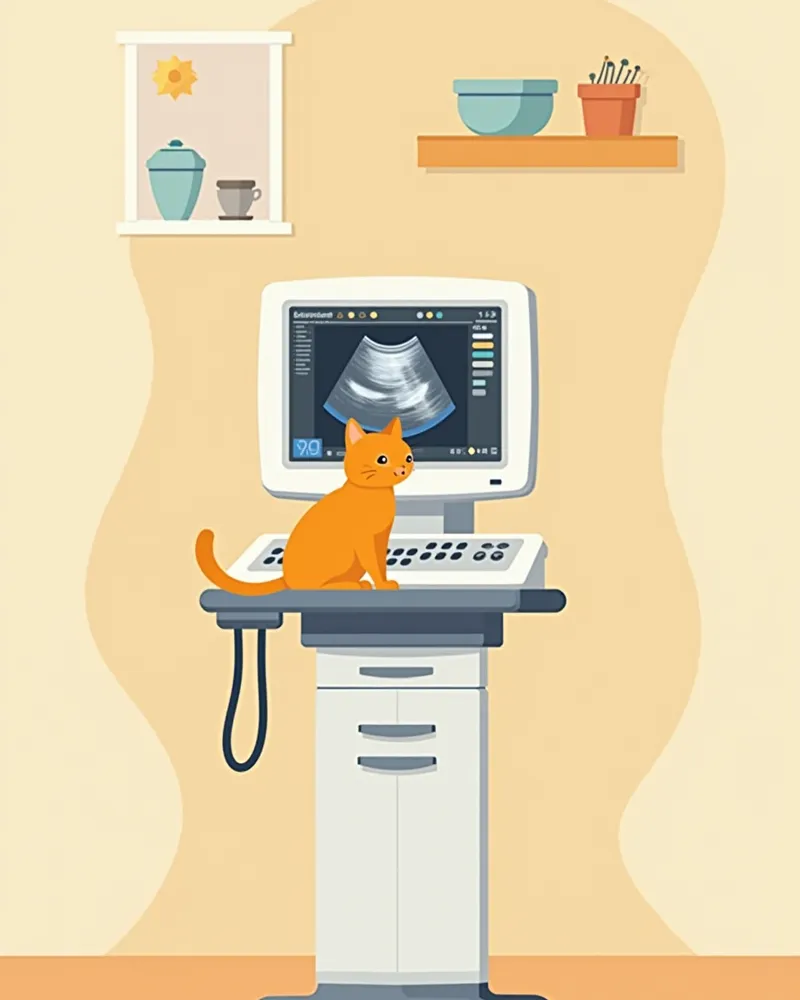
Check 2: Availability of Regular Screening for Senior Cats

Check 3: Sufficient Veterinarian Interpretation Experience

Checklist for Choosing a Clinic for Kidney Ultrasound Exams
| Item | Recommended Criteria |
|---|---|
| Equipment | A facility that examines kidney structure in detail with a high-resolution, high-frequency probe |
| Regular Check-ups | A facility that operates a kidney screening program for senior cats |
| Interpretation Capability | A veterinarian with extensive kidney ultrasound experience who explains results directly |
| Result Interpretation | A facility that explains imaging findings together with blood and urine tests and guides a management plan |
| Cost Information | A facility that informs you in advance of expected costs and the possibility of additional tests before the exam |
This is not a table recommending specific clinics, but criteria that are good to check when choosing a clinic to entrust with testing. Prices and detailed programs vary by clinic, so inquire directly before visiting.
Precautions
Stress can affect certain test results in cats. For example, stress can raise blood glucose levels above the renal threshold, causing glucose to appear in the urine. Before testing, allow your cat to rest comfortably in a calm environment. Never force your cat during the examination; the veterinarian should proceed based on your cat’s condition.
5 Usage Tips

Reviewed by a veterinarian

Dr. Tony — Punnawat Phongkittirak
VeterinarianA veterinarian who majored in veterinary medicine at Khon Kaen University, Thailand, and completed the IVSA program at North Carolina State University in the United States. Drawing on clinical experience at animal hospitals, he works in the pet healthcare field and is dedicated to building a digital care environment that connects pet parents with veterinarians.
Reviewed 2026-06-05
Frequently Asked Questions
Does a kidney ultrasound hurt cats?
How long does the test take?
Do I need to have it checked every year?
Is there any food I should avoid before the test?
What should I do if the results are abnormal?
Share
Related Guides

Top 5 Prescription Diets for Cats with Chronic Kidney Disease — Stage-Specific Protein Adjustment

7 Emergency Signs and Causes of Acute Kidney Failure in Dogs You Must Not Miss

7 Best Prescription Kidney Diets for Dogs Recommended by Veterinarians — How to Choose Based on Phosphorus and Protein

Top 5 Prescription Diets for Canine IBD — A Comparative Guide to Hydrolyzed Proteins

Top 7 Short-Legged Dog Breeds

Top 5 Dog Probiotics Recommended for 2026 — Selection Criteria from Veterinarians

Top 5 Dog Tear Supplements Recommended for 2026

Top 5 Recommended Joint Supplements for Dogs in 2026

When Should You Switch to Senior Dog Food? — 5 Selection Criteria from a Veterinarian

7 Best Cat Dental Chews for Tartar Prevention Recommended by Veterinarians and Selection Criteria
References
[1] The Cat, Clinical Medicine and Management, 2nd Edition, 2022
[2] Small Animal Critical Care Medicine, 3rd Ed, 2021
[3] Veterinary Workbook of Small Animal Clinical Cases, 2020