Like
Share
멍실장
고양이 신장 처방식 사료 추천 BEST와 고르는 기준 총정리

Top Recommended Prescription Renal Diets for Cats and Key Selection Criteria

KidneyTop PicksMeongsiljang Veterinary Advisory Board

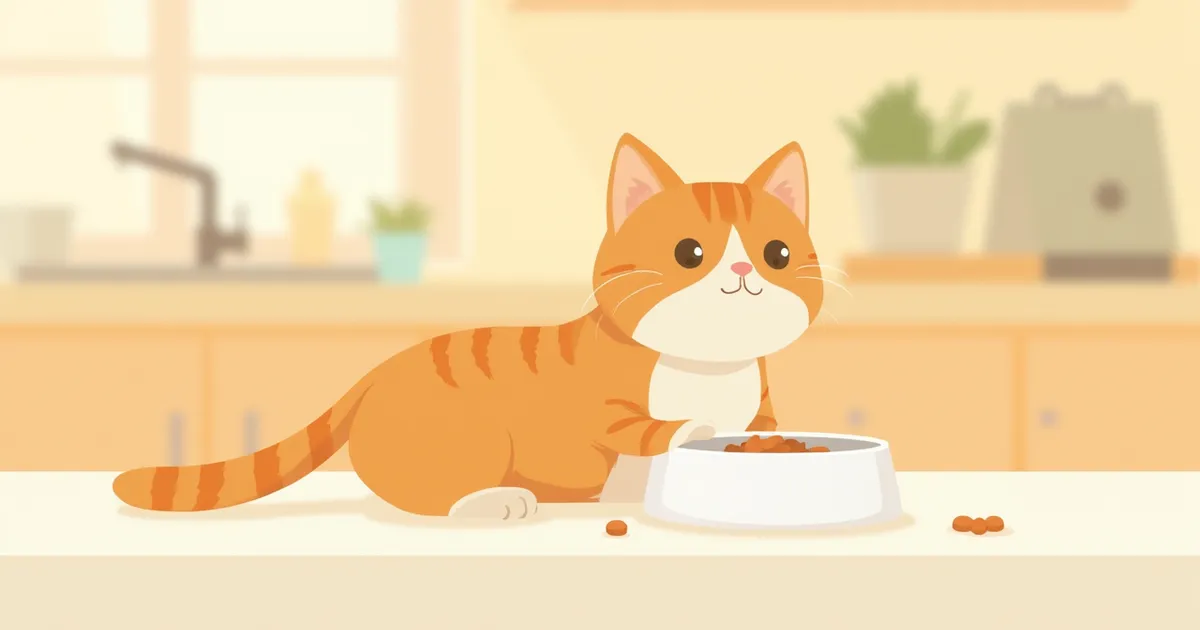
Prescription renal diets for cats are veterinarian-only therapeutic foods formulated with medically controlled levels of protein, phosphorus, and sodium to reduce the workload on the kidneys of cats with chronic kidney disease (CKD). The key to feeding is choosing the right diet for the stage of the disease.

What Are Prescription Renal Diets for Cats?

Prescription kidney diet food for cats
Prescription renal diets for cats are veterinarian-prescribed therapeutic foods formulated with medically adjusted levels of protein, phosphorus, and sodium to reduce the burden on the kidneys of cats with chronic kidney disease (CKD). The key to feeding is selecting the appropriate diet based on the disease stage. Even within chronic kidney disease, the required level of nutritional management varies depending on the stage of progression. Choosing a diet without blood test results can lead to muscle wasting or nutritional imbalances, so it is essential to begin under a veterinarian’s prescription.

When Prescription Diets Are Needed — IRIS Stage Guidelines

The International Renal Interest Society (IRIS) classifies chronic kidney disease in cats into stages 1 through 4. Prescription (therapeutic) renal diets are typically considered starting from stage 2.
IRIS Stage 1: Mild decline in kidney function — usually, maintain a regular diet while increasing water intake. Excessive restriction should be avoided, as overly limiting protein and phosphorus in stages 1–2 has been reported to cause adverse effects.
IRIS Stage 2: Dietary management begins to regulate phosphorus within the appropriate range, making it time to consider introducing a prescription diet.
IRIS Stage 3: Phosphorus restriction becomes more active, and protein is also managed if uremic symptoms are present.
IRIS Stage 4: Strict prescription diets are combined with additional veterinary treatments, such as fluid therapy and phosphate binders.
IRIS staging is primarily determined based on creatinine and SDMA levels measured repeatedly during stable conditions, with further subclassification using blood pressure and proteinuria.

Do Not Feed Prescription Diets Without a Veterinarian’s Prescription

Long-term feeding of an excessively protein-restricted diet to cats with normal kidney function or in the early stages of kidney disease can actually lead to muscle loss. While some products are available for purchase online without a prescription, if your cat has been diagnosed with chronic kidney disease (CKD), it is essential to review blood test results and consult with a veterinarian before selecting a product.

5 Key Criteria for Choosing a Prescription Renal Diet
Low phosphorus content: Hyperphosphatemia is a key factor linked to the progression of kidney disease, so keeping phosphorus within an appropriate range for the disease stage is central to kidney management. Prioritize products with controlled phosphorus levels as shown on the ingredient label.
Protein levels tailored to the disease stage: It’s not about simply cutting back on protein. Excessive restriction can lead to hypoalbuminemia, anemia, and muscle loss, so it’s important to avoid over-restriction while matching the protein level to the specific disease stage.
Low sodium: Since hypertension commonly accompanies chronic kidney disease, sodium management should also be considered.
Omega-3 fatty acid inclusion: Omega-3 fatty acids are one of the components included in renal therapeutic diets and should be taken into account.
Palatability: Food must be consumed in sufficient amounts to be effective. For cats with CKD who have a reduced appetite, the best choice is food they will readily eat.
How to Choose the Right Prescription Diet for Your Cat

Comparison of Major Prescription Renal Diet Brands

ItemRoyal Canin RenalHill's k/dPurina NF
Protein restriction levelModerateLowModerate
Phosphorus contentVery lowLowLow
Sodium controlYesYesYes
Omega-3 includedIncludedIncludedIncluded
Wet product lineVariousAvailableLimited
PalatabilityHighModerateModerate
Veterinary prescription requiredRequiredRequiredRequired

Nutritional values differ by product line. Check the latest ingredient list before purchase and consult your veterinarian.

Brand Features — Which Cat Is It Best For?

Royal Canin Renal: Its high palatability makes it a great option for cats with a diminished appetite. The wide variety of wet food options also helps ensure adequate hydration.
Hill’s k/d: With even lower protein levels, it is suitable for advanced cases, such as IRIS stages 3–4. This brand boasts extensive long-term clinical data.
Purina NF: Its well-balanced phosphorus and protein content makes it a viable option for cats in the early to mid-stages of CKD. Since dry food is the primary format, you will need to pay extra attention to your cat’s water intake.
There is no single “best” brand. The ideal product depends on your cat’s disease stage, palatability preferences, and any concurrent conditions.
Comparison of Prescription Kidney Food Brands for Cats

How to Transition from Current Food to Prescription Renal Diet

Switching your pet’s food too quickly can lead to digestive upset and a decreased appetite. To avoid this, gradually transition over a period of at least 7 to 14 days by slowly adjusting the ratio of old to new food.
Recommended Transition Schedule:
- Days 1–3: 75% current food + 25% new food - Days 4–6: 50% current food + 50% new food - Days 7–10: 25% current food + 75% new food - Day 11 onward: 100% new food If your pet experiences vomiting, diarrhea, or a complete loss of appetite during the transition, slow down the process. If they eat very little or nothing for more than 48 hours, please contact your veterinarian right away.
How to transition your cat to a new food

Essential Hydration Management Alongside Prescription Diets

Proper hydration is just as important as a prescription diet. Cats with kidney disease have a reduced ability to concentrate urine, making them highly susceptible to dehydration. Ways to boost hydration: - Consider combining wet food with dry food or transitioning to a 100% wet food diet. - Place multiple water bowls around the home and use a flowing water fountain. - Adding warm water to dry food is also an effective method. Your veterinarian may also prescribe phosphate binders or omega-3 supplements. For safety, avoid adding any supplements on your own and only provide those specifically prescribed by your vet.

Seek Immediate Veterinary Care If These Symptoms Appear

Even while your pet is on a prescription diet, the following symptoms may signal a rapid decline in kidney function. If any of these signs persist for more than 24 hours or appear suddenly, seek veterinary care immediately. • Complete loss of appetite for more than 48 hours • Vomiting three or more times in a single day • Extreme polydipsia (excessive water intake) or complete refusal to drink • Marked lethargy and reduced activity • A sudden, significant decrease in urine output or complete absence of urination

Reviewed by a veterinarian

Dr. Tony — Punnawat Phongkittirak

Dr. Tony — Punnawat Phongkittirak

Veterinarian

A veterinarian who majored in veterinary medicine at Khon Kaen University, Thailand, and completed the IVSA program at North Carolina State University in the United States. Drawing on clinical experience at animal hospitals, he works in the pet healthcare field and is dedicated to building a digital care environment that connects pet parents with veterinarians.

Frequently Asked Questions

Do prescription diets need to be fed for life?
Chronic kidney disease is incurable, so most pets need to stay on a prescription diet for life. However, your veterinarian may adjust the specific product or dietary plan based on regular blood test results. Please do not stop feeding the prescription diet without consulting your vet.
What should I do if my pet refuses to eat prescription food?
Cats with chronic kidney disease often lose their appetite due to nausea. Gradually transitioning their food over 7 to 14 days or switching to a more palatable wet food from another brand can help. If your cat eats very little for more than 48 hours, consult your veterinarian.
Do over-the-counter kidney care diets work without a prescription?
Over-the-counter "kidney care" maintenance diets and veterinarian-prescribed therapeutic diets differ in the level of nutritional management. If your pet has been diagnosed with chronic kidney disease (CKD), a prescription diet is the standard of care. Maintenance diets are more suited for preventive purposes.
Can I give my pet treats while they are on a prescription kidney diet?
Regular treats high in carbohydrates, protein, and sodium can undermine the nutritional management benefits of prescription diets. Always consult your veterinarian to determine which treats and how much are safe for your pet, and opt for small amounts of kidney-support-specific treats whenever possible.
Can I replace it with a homemade renal diet (home-cooked)?
Home-cooked meals can be risky for cats with kidney disease because it’s difficult to precisely control protein levels. If home cooking is necessary, a veterinary nutritionist should help design a therapeutic diet recipe.

Share

Related Guides

References

[1] Fascetti AJ, Delaney SJ. Applied Veterinary Clinical Nutrition, 2nd Ed. Chapter 8: Commercial and Home-Prepared Diets. Wiley-Blackwell, 2022.

[2] Schaer M. Clinical Medicine of the Dog and Cat, 4th Ed. Chapter 25: Elements of Therapy. CRC Press, 2022.

[3] IRIS (International Renal Interest Society). IRIS Staging of CKD in Cats — Treatment Recommendations. 2023.

[4] WSAVA Global Nutrition Committee. Nutritional Assessment Guidelines for Dogs and Cats. J Small Anim Pract. 2011;52(7):385-396.

This information is based on veterinary literature and does not replace diagnosis or treatment. Please consult a veterinarian for specific health concerns.

Metapet Co., Ltd. | CEO: Park Sung-yong | Business Reg. No. 417-88-02562 | Seoul, South Korea | Customer Center

Best Prescription Renal Diets for Cats: How to Choose | Meongsiljang